Seh Gabi: Chalcolithic Echoes

下载的 PDF 是图像副本。如需可选中文本及更好的辅助技术支持,请使用打印功能。

Seh Gabi: Chalcolithic Echoes

揭开一个失落的文明

正在加载考古记录……

正在收集古代记录

跳转到主内容
Seh Gabi: Chalcolithic Echoes
文明焦点

Seh Gabi: Chalcolithic Echoes

A small Chalcolithic community in Iran revealed through archaeology and ancient DNA

4840 CE - 3792 BCE
Seh Gabi, Iran
滚动开始
Chapter I

剧情

了解 Seh Gabi: Chalcolithic Echoes 文化

Seh Gabi (4840–3792 BCE) is a Chalcolithic site in Iran where five ancient genomes link local archaeology to Near Eastern maternal and paternal lineages. Limited samples make conclusions preliminary, but combined data suggest regional continuity and connections across the Zagros and Iranian plateau.

Time Period

4840–3792 BCE

Region

Seh Gabi, Iran

Common Y-DNA

J, G

Common mtDNA

H29, U, K, I1c, U7a

Chapter II

时间线

这种文化历史上的关键时刻

4840 BCE

Earliest radiocarbon-dated occupation

Radiocarbon dates place early Chalcolithic activity at Seh Gabi around 4840 BCE, marking the start of the site's documented occupation.

Chapter III

Origins & Emergence

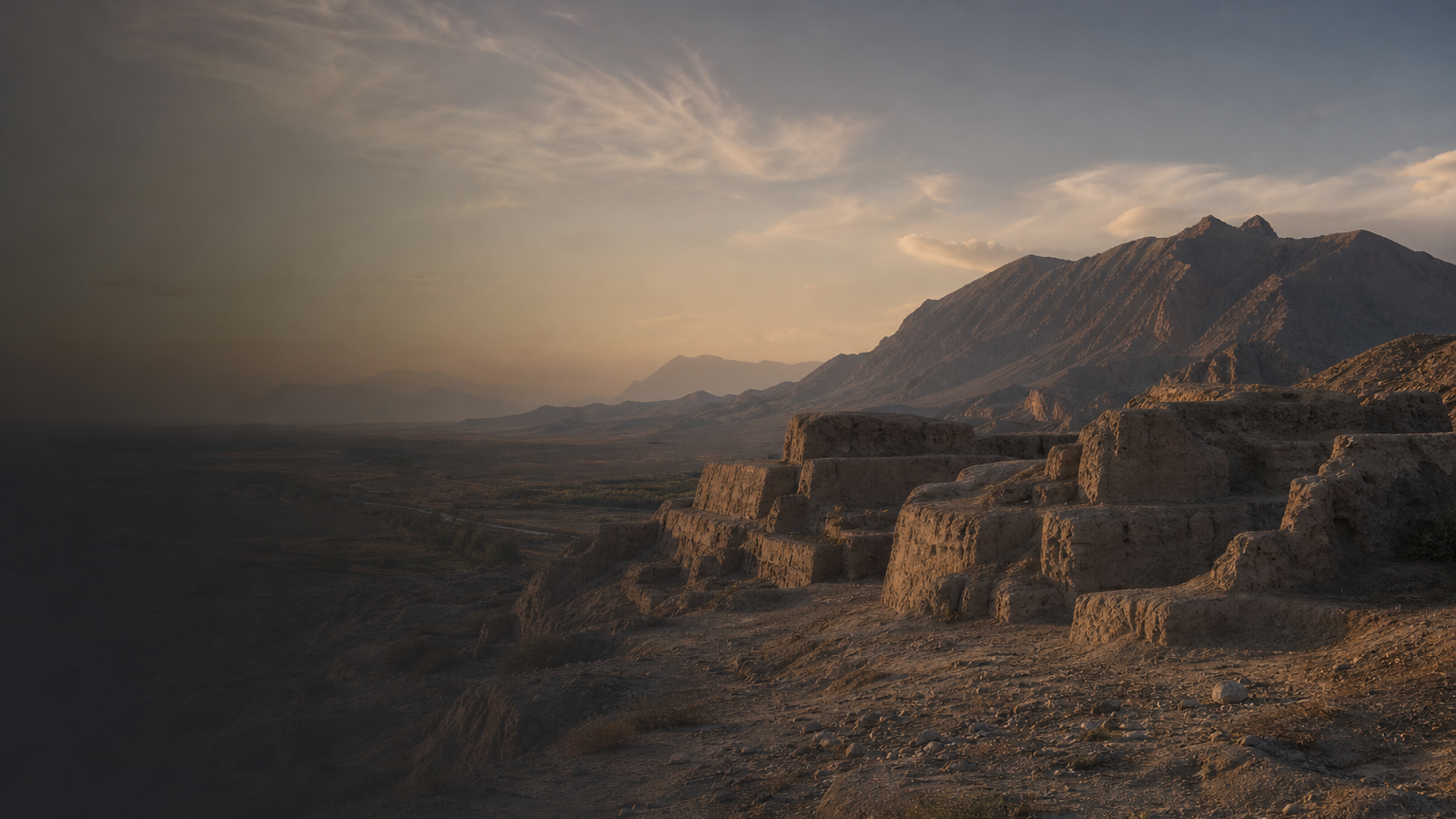
Seh Gabi sits in the long arc of Chalcolithic Iran: a landscape where earlier Neolithic village lifeways matured into more nucleated communities with new craft practices and social differentiation. Radiocarbon dates from the site span roughly 4840–3792 BCE, placing Seh Gabi in a period of regional experimentation with metallurgy, intensified exchange, and distinctive ceramic traditions associated with Chalcolithic Iran.

Archaeological data indicates settlement stratigraphy with domestic architecture and material culture that echoes contemporaneous sites across the Iranian plateau and Zagros foothills. The pottery styles, chipped stone and ground stone toolkits, and features interpreted as storage and craft areas suggest a community engaged in mixed farming, animal herding, and increasingly specialized craft production. Limited large-scale monumental architecture suggests community organization remained village-scale rather than state-level.

While material culture ties Seh Gabi to broad Chalcolithic networks, the human story is illuminated further by ancient DNA. Genetic signals from a small set of individuals provide a nascent window on ancestry and mobility at this formative horizon. Given the small sample count (five individuals), any narrative about population movements or cultural transmission must remain cautious and framed as provisional.

  • Dates: 4840–3792 BCE place Seh Gabi in Chalcolithic Iran
  • Archaeology shows village-scale domestic and craft activity
  • Material links to broader Iranian plateau and Zagros networks
Chapter IV

Daily Life & Society

The people of Seh Gabi likely lived in tightly knit households where daily routine revolved around food production, craft, and exchange. Archaeological traces at Chalcolithic settlements in Iran commonly record evidence for cereal cultivation and herding of sheep and goats; storage features and pottery forms at Seh Gabi are consistent with these subsistence practices. The material record evokes tactile scenes: vessels turned at workshop hearths, grinding stones worn smooth by grain, and domestic hearths that anchored family life.

Craft specialization appears in small-scale workshops and the use of imported raw materials seen across the region, suggesting participation in inter-community exchange. Social life at the village level probably combined kin-based households with emerging distinctions in wealth or role signaled by variable house sizes and curated objects. Burial practices at Chalcolithic sites in Iran are diverse; for Seh Gabi specifically, the genetic sample set derives from a handful of interments and contexts that provide limited but valuable glimpses into mortuary choices.

Archaeological interpretation emphasizes the everyday: subsistence strategies that balanced risk and opportunity in an often variable environment, and social networks that connected Seh Gabi to neighboring communities through marriage, trade, and shared ritual practice.

  • Subsistence: mixed farming and herding inferred from tools and storage
  • Craft and exchange: small workshops and regional material ties
Chapter V

Genetic Profile

Five genomes sampled from Seh Gabi (sample count = 5) span the site's Chalcolithic occupation. Y-chromosome results include haplogroups J (1) and G (1); mitochondrial lineages include H29, U, K, I1c, and U7a. These markers align with a broader Near Eastern genetic landscape in which haplogroups J and G are commonly observed among populations of the Iranian plateau, Anatolia, and the Caucasus, while the mitochondrial diversity reflects both local maternal continuity and connections to neighboring regions.

Archaeological and genetic integration suggests that Seh Gabi’s inhabitants carried a mixture of lineages typical of Chalcolithic Iran: paternal markers linked to long-standing Near Eastern male lineages, and varied maternal haplotypes that point to wider female-mediated connections across the plateau and beyond. The presence of U7a and K, for example, resonates with regional maternal lineages documented in ancient and modern populations of western Iran and adjacent areas.

Importantly, the small sample size limits strong conclusions. With only five genomes, population-level statistics are underpowered; observed haplogroups may reflect family-level structure, a few interments, or short-term mobility rather than the full genetic profile of the community. Future sampling of additional individuals and comparative analysis with contemporaneous Chalcolithic and Neolithic sites will be essential to test hypotheses of continuity, admixture, and migration.

  • Y-DNA: J and G consistent with Near Eastern paternal lineages
  • mtDNA: H29, U, K, I1c, U7a indicate diverse maternal connections
Chapter VI

Legacy & Modern Connections

Seh Gabi’s legacy is twofold: as an archaeological node in Chalcolithic Iran and as an early genetic snapshot that helps trace threads into later populations on the Iranian plateau. The haplogroups observed at Seh Gabi are part of lineage continuities seen across millennia in western Asia, suggesting elements of demographic persistence alongside episodes of movement and exchange.

For modern populations, some maternal and paternal lineages present at Seh Gabi have parallels in contemporary Near Eastern and Iranian gene pools, but direct ancestry cannot be asserted from five samples alone. The real value of Seh Gabi lies in the way its combined material and genetic evidence enriches narratives of local life during a period of social and technological change, and it points to the power of integrating archaeology and ancient DNA to map deep human stories. Continued sampling and contextual study will refine how Seh Gabi contributes to the broader picture of population history in Iran.
  • Haplogroups at Seh Gabi echo lineages found in later and modern Near Eastern gene pools
  • Small sample size means connections to modern groups are suggestive, not definitive
AI 电源

AI 助手

就 Seh Gabi: Chalcolithic Echoes 文化提问

AI 助手 由DNAGENICS公司制作

解锁此特性
Ask questions about the Seh Gabi: Chalcolithic Echoes culture. Our AI assistant can explain genetic findings, historical context, archaeological evidence, and modern connections.

AI 样本分析

Seh Gabi: Chalcolithic Echoes 文化是人类历史中值得了解的一章……

遗传分析揭示了与早期种群的联系,同时显示了独特的适应和文化创新的证据。 古代DNA样本提供了对迁徙模式、社会结构以及古代种群之间的生物关系的深刻见解。

这是人工智能分析的预览。 解锁全AI 助手, 以探索关于:

  • 遗传组成和祖先
  • 移徙模式和起源
  • 日常生活和文化习俗
  • 现代遗传遗产

探索更古老的文化

揭开古代世界文明的故事

使用优惠码 可减免 35% • 11月12日 到期




