Shirenzigou Echoes

下载的 PDF 是图像副本。如需可选中文本及更好的辅助技术支持,请使用打印功能。

Shirenzigou Echoes

揭开一个失落的文明

正在加载考古记录……

正在收集古代记录

跳转到主内容
Shirenzigou Echoes
文明焦点

Shirenzigou Echoes

Iron Age Xinjiang at the crossroads of Steppe and East Asia

550 CE - 150 BCE
Northwest China (Xinjiang)
滚动开始
Chapter I

剧情

了解 Shirenzigou Echoes 文化

Archaeological remains from Shirenzigou (550–150 BCE) reveal a mobile, horse-centered community in northwest China whose material culture and DNA point to mixed Steppe and East Asian ancestries.

Time Period

550–150 BCE

Region

Northwest China (Xinjiang)

Common Y-DNA

R (2), Q (2), I (1), O (1)

Common mtDNA

U (2), H (2), I1b (1), U4 (1), G3b (1)

Chapter II

时间线

这种文化历史上的关键时刻

200 BCE

Peak funerary activity at Shirenzigou

Archaeological horizons around 200 BCE show concentrated burial activity with horse gear and mound construction, reflecting mobile pastoral elites and regional connectivity.

Chapter III

Origins & Emergence

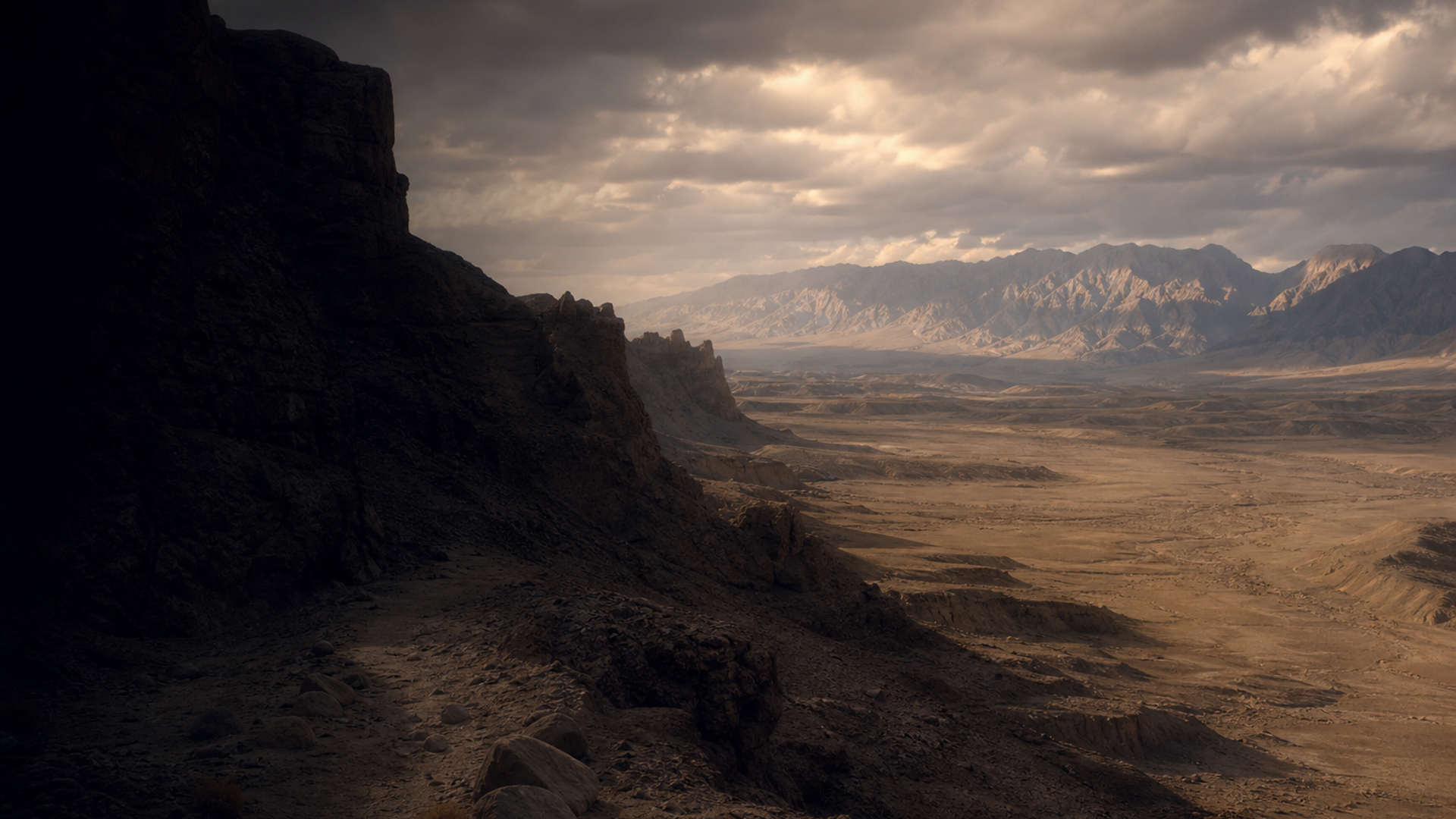
In the wind-swept valleys of what is today Xinjiang, the archaeological horizon labeled China_Xinjian_IA (550–150 BCE) crystallizes into a portrait of movement and encounter. Excavations at Shirenzigou reveal burial mounds, horse trappings, and portable material culture that archaeologists interpret as the imprint of mobile pastoral lifeways. The cinematic image is of riders and herders crossing high corridors, forging links between inner Asian steppe networks and settled East Asian pockets.

Archaeological data indicates that Shirenzigou sits within the broader Iron Age Xinjiang milieu, where goods, technologies, and ideas flowed along nascent transregional routes long before the classical Silk Road. Material affinities—metalworking styles, horse gear, and burial practices—suggest influences from both western steppe traditions and local East Asian practices. Limited direct evidence means that origin stories remain provisional: some elements point to incoming pastoralist lineages, while others reflect long-standing regional adaptations.

Taken together, the site is best described as a frontier landscape of interaction. It is a place where mobility, seasonal grazing, and exchange produced distinct local traditions that nevertheless bear the genetic and cultural echoes of far-reaching networks.

  • Shirenzigou funerary mounds show horse-related objects and mobile pastoral material culture.
  • Site occupies a strategic corridor in Iron Age Xinjiang, connecting steppe and East Asian zones.
  • Evidence suggests blending of incoming pastoralists with local populations; interpretations remain cautious.

Chapter IV

Daily Life & Society

Daily life at Shirenzigou can be imagined as a choreography of movement: herds led across summer pastures, temporary camp loci, and the ritualized construction of burial mounds for prominent individuals. Archaeological traces include personal adornments, metal fittings likely associated with bridles or saddlery, and small portable goods—all pointing to a material culture adapted to mobility.

Social organization was probably structured around kinship groups and leadership tied to animal wealth and control of pastures. Burials that contain weapons and horse equipment imply the social importance of mounted status and martial display. At the same time, some burials include organic offerings and crafted items that reflect local artistic choices rather than wholesale imports, indicating cultural negotiation rather than simple replacement.

The built environment was lightweight and transient, focused on seasonal strategies for exploiting mountain and steppe ecotones. Rock art and surface features recorded around Shirenzigou further suggest symbolic landscapes where identity, memory, and mobility were inscribed on the land itself. Archaeological data indicates a community comfortable at the interface of open grassland and riverine corridors—adaptive, networked, and regionally influential.

  • Economy centered on pastoralism, especially horses and possibly sheep/goats.
  • Burial goods emphasize mounted status, but also local craft traditions.
Chapter V

Genetic Profile

Genomic sampling from 11 individuals associated with the China_Xinjian_IA assemblage provides a preliminary but illuminating window into ancestry at Shirenzigou. Y-chromosome lineages recorded include R (2), Q (2), I (1), and O (1). Maternal mitochondrial haplogroups include Western Eurasian-associated U (2) and H (2), I1b (1), U4 (1), alongside East Asian-associated G3b (1). These lineages together signal a mosaic ancestry: contributions from western steppe-related groups (R and Q; mtDNA H and U) alongside indigenous or eastern-derived components (Y-O, mtDNA G3b).

The presence of multiple West Eurasian haplogroups among both paternal and maternal lineages suggests that gene flow from the steppe into Xinjiang was not strictly male-mediated, although a modest male bias is plausible given the Y-haplogroup composition. At the same time, East Asian genetic signatures indicate local continuity or earlier eastward movements. Archaeological and genetic lines converge on a model of admixture across a frontier corridor.

Caveats are essential: with only 11 samples, statistical power is limited. Patterns seen here should be treated as preliminary signals rather than definitive regional frequencies. Further sampling across time and space in Iron Age Xinjiang will be necessary to refine models of admixture, migration timing, and social structure inferred from the DNA.

  • Mixed Steppe–East Asian ancestry: Y haplogroups R/Q/I alongside O; mtDNA shows both H/U (West Eurasian) and G3b (East Asian).
  • Sample count is 11—findings are informative but preliminary; broader sampling needed.
Chapter VI

Legacy & Modern Connections

Shirenzigou stands as an evocative chapter in the long story of human movement across Eurasia. Genetic and archaeological traces from the site capture a moment when steppe-derived and East Asian ancestries met, mixed, and left durable marks on the gene pool of northwest China. These interactions helped shape the demographic and cultural foundations that later communities—those of the early Silk Road and subsequent historical eras—would inherit and transform.

Modern populations in Xinjiang and adjacent regions display complex genetic landscapes that reflect millennia of such encounters; the Shirenzigou samples offer a snapshot of one formative episode. Importantly, the evidence underscores mobility, exchange, and hybridity as central themes rather than isolation. Archaeological data indicates continuity in pastoral strategies and symbolic practices, while genetics reveals the biological outcomes of sustained contact.

Because the sample set is limited, linking Shirenzigou directly to specific modern ethnic groups is speculative. Nonetheless, the site exemplifies how frontier zones function as engines of cultural and genetic creativity—places where new identities are forged in the shadow of horses and open sky.

  • Early admixture at Shirenzigou contributed to the genetic tapestry of later Xinjiang populations.
  • Findings illustrate long-term mobility and exchange that prefigure Silk Road interactions.
AI 电源

AI 助手

就 Shirenzigou Echoes 文化提问

AI 助手 由DNAGENICS公司制作

解锁此特性
Ask questions about the Shirenzigou Echoes culture. Our AI assistant can explain genetic findings, historical context, archaeological evidence, and modern connections.
AI 样本分析

Shirenzigou Echoes 文化是人类历史中值得了解的一章……

遗传分析揭示了与早期种群的联系,同时显示了独特的适应和文化创新的证据。 古代DNA样本提供了对迁徙模式、社会结构以及古代种群之间的生物关系的深刻见解。

这是人工智能分析的预览。 解锁全AI 助手, 以探索关于:

  • 遗传组成和祖先
  • 移徙模式和起源
  • 日常生活和文化习俗
  • 现代遗传遗产

探索更古老的文化

揭开古代世界文明的故事

使用优惠码 可减免 35% • 11月12日 到期




