Shum Laka Foragers (Cameroon SMA)

下载的 PDF 是图像副本。如需可选中文本及更好的辅助技术支持,请使用打印功能。

Shum Laka Foragers (Cameroon SMA)

揭开一个失落的文明

正在加载考古记录……

正在收集古代记录

跳转到主内容
Shum Laka Foragers (Cameroon SMA)
文明焦点

Shum Laka Foragers (Cameroon SMA)

Early Holocene hunter-gatherers from Shum Laka—where stones and genomes speak together

6058 CE - 1055 BCE
Shum Laka, Northwest Cameroon
滚动开始
Chapter I

剧情

了解 Shum Laka Foragers (Cameroon SMA) 文化

Archaeological and ancient-DNA evidence from Shum Laka (6058–1055 BCE) reveals a small sample of West-Central African foragers with deep African Y haplogroups (A00, B, B2b) and mtDNA L lineages; interpretations remain preliminary.

Time Period

6058–1055 BCE

Region

Shum Laka, Northwest Cameroon

Common Y-DNA

A00, B, B2b (observed)

Common mtDNA

L (all 4 samples)

Chapter II

时间线

这种文化历史上的关键时刻

6058 BCE

Earliest dated occupation at Shum Laka

Radiocarbon dates mark the beginning of the site's recorded sequence; archaeological deposits record episodic use across millennia.

Chapter III

Origins & Emergence

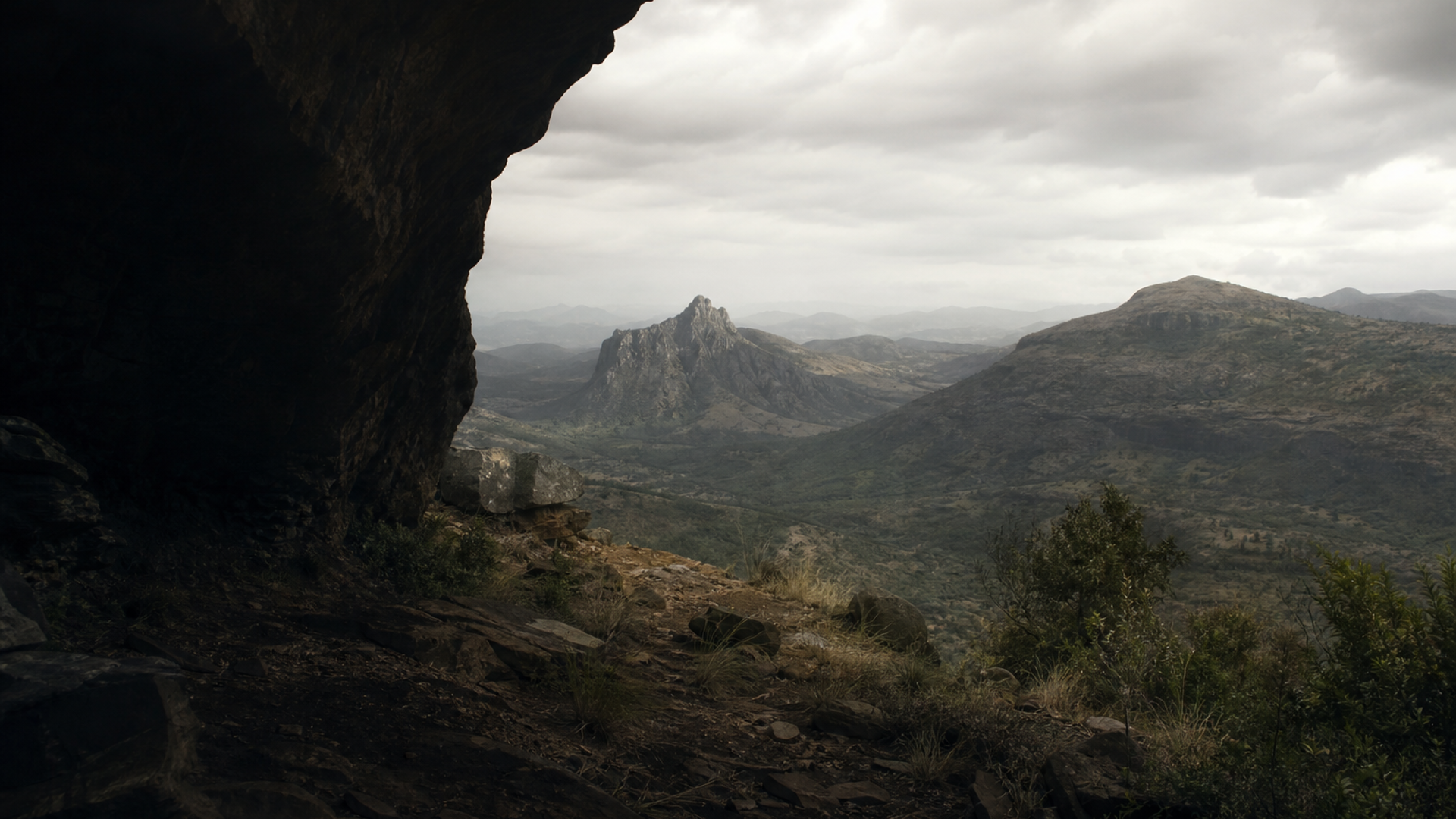
In the cool, shadowed entrance of Shum Laka rockshelter in northwest Cameroon, human presence is recorded across millennia. Archaeological deposits dated between 6058 and 1055 BCE preserve layered evidence of repeated occupation: stone tools, organic remains and burials contribute to a long human story in the forest–savanna ecotone. The culture label "Cameroon_SMA" (Stone Mound Architecture context) connects these deposits to broader Holocene settlement patterns in the region, although direct links between the Shum Laka sequence and later mound-building traditions remain uncertain.

Paleoenvironmental shifts during the Holocene—periodic drying and rearrangement of local waterways—likely shaped mobility and resource use. Limited evidence suggests these groups adapted through flexible subsistence strategies, exploiting forest and open-country resources. The archaeological record at Shum Laka preserves episodic human activity rather than a single, uniform lifeway: hearths and tool scatters indicate short-term camps and repeated returns, a rhythm of life shaped by seasonal abundance.

Archaeological data indicates a long-term human presence in this part of Central Africa, but many questions remain. The site offers a rare, multi-millennial window into West-Central African prehistory, yet regional synthesis awaits more excavations and securely dated comparative sequences.

  • Occupations dated 6058–1055 BCE at Shum Laka rockshelter
  • Archaeology shows episodic camps, lithics, organic remains and burials
  • Connections to later Stone Mound Architecture are plausible but not settled
Chapter IV

Daily Life & Society

Daily life at Shum Laka is best imagined through fragmentary traces: chipped stone tools, ephemeral hearths and the bones of hunted animals. Archaeological sediments hint at small groups moving across a mosaic landscape—riverine corridors, gallery forest and open patches—harvesting tubers, wild fruits, and game. Seasonal mobility was likely central: campsites appear in stratified layers, suggesting returns to favored shelters across generations.

Material culture recovered from the site suggests technological adaptability rather than fixed craft traditions. Toolkits emphasize cutting and scraping, consistent with hunting, butchery and plant processing. There are hints of changing contact networks through the Holocene: occasional pottery and exotic raw materials imply exchanges with neighboring groups. Social life likely revolved around small kin networks; burials show care in interment, signaling remembered individuals and social bonds. However, the archaeological sample is limited and cannot fully reconstruct social complexity—interpretations must remain cautious.

  • Small mobile groups exploiting forest–savanna resources
  • Toolkits reflect hunting, butchery and plant processing; evidence for exchange is limited
Chapter V

Genetic Profile

Ancient DNA from four individuals at Shum Laka provides a vivid, if tentative, genetic portrait. All four sampled individuals carry mitochondrial haplogroups within macro-haplogroup L, a lineage widespread across sub-Saharan Africa—suggesting maternal continuity in the region. On the paternal side, observed Y-DNA haplogroups include A00, B, and B2b (counts: A00:1, B:1, B2b:1); one individual lacked a resolvable Y assignment in the published summary or was female. These Y lineages are deep-rooted within African paternal diversity: A00 is particularly basal relative to other known Y lineages, and B/B2b reflect ancient branches with long histories in Africa.

When archaeology and genetics are read together, Shum Laka appears inhabited by populations carrying deep, regionally characteristic African ancestries rather than the lineages associated with later widespread expansions. Yet with only four genome-wide samples, conclusions are preliminary. Limited sample size (<10) means population-level patterns—such as continuity with earlier or later groups, or the degree of genetic interaction with incoming food-producing communities—cannot be robustly resolved. Future sampling across more sites and times will be essential to move from intriguing snapshots to a fuller demographic narrative.

  • All four individuals have mtDNA haplogroup L (maternal continuity)
  • Y-DNA shows rare, deep African lineages (A00, B, B2b); sample size is small and conclusions are preliminary
Chapter VI

Legacy & Modern Connections

The voices from Shum Laka whisper into the present through genetic threads and archaeological echoes. The deep maternal lineages and rare paternal haplogroups found in these few individuals remind us that West-Central Africa harbors long-standing genetic diversity. However, the small sample and temporal gap to living communities mean direct genealogical links to specific modern ethnic groups cannot be firmly established.

For museums and DNA-ancestry platforms, Shum Laka illustrates how ancient genomes can illuminate past population structure while also warning against overinterpretation. These four genomes are powerful windows, not mirrors. Expanding the ancient dataset across time and landscape will clarify how much of the region’s genetic landscape reflects deep local persistence, versus later movements and cultural change.

  • Ancient genomes indicate deep-rooted regional diversity but do not map one-to-one onto modern groups
  • More ancient DNA and archaeological sampling are needed to trace continuity through the Holocene
AI 电源

AI 助手

就 Shum Laka Foragers (Cameroon SMA) 文化提问

AI 助手 由DNAGENICS公司制作

解锁此特性
Ask questions about the Shum Laka Foragers (Cameroon SMA) culture. Our AI assistant can explain genetic findings, historical context, archaeological evidence, and modern connections.
AI 样本分析

Shum Laka Foragers (Cameroon SMA) 文化是人类历史中值得了解的一章……

遗传分析揭示了与早期种群的联系,同时显示了独特的适应和文化创新的证据。 古代DNA样本提供了对迁徙模式、社会结构以及古代种群之间的生物关系的深刻见解。

这是人工智能分析的预览。 解锁全AI 助手, 以探索关于:

  • 遗传组成和祖先
  • 移徙模式和起源
  • 日常生活和文化习俗
  • 现代遗传遗产

探索更古老的文化

揭开古代世界文明的故事

使用优惠码 可减免 35% • 11月12日 到期




