Threads of Modern France

下载的 PDF 是图像副本。如需可选中文本及更好的辅助技术支持,请使用打印功能。

跳转到主内容
文明焦点

Threads of Modern France

A living tapestry shaped by ancient shores, migrations, and regional rhythms

2000 CE
France (various departments)

剧情

Modern French populations reflect millennia of migration and continuity across coastal Brittany to the Pyrenees — archaeological sites and 90 modern DNA samples reveal regional structure and layered ancestry tied to prehistoric farmers, Bronze Age steppe movements, and historical mobility.

Time Period

2000 CE (Modern)

Region

France (various departments)

Common Y-DNA

Diverse; multiple haplogroups detected (see Genetics)

Common mtDNA

Diverse maternal lineages across regions (see Genetics)

时间线

5500 BCE

Neolithic farmers arrive

Arrival of Anatolian‑derived farming groups introduces agriculture and new material cultures to western France.

2500 BCE

Bronze Age steppe influence

Bronze Age movements from the Eurasian steppe introduce new ancestry components and technologies.

50 BCE

Roman incorporation

Gaul becomes integrated into the Roman world, increasing mobility and cultural exchange.

800 CE

Medieval migrations reshape regions

Frankish, Breton, Viking, and Iberian movements create regional demographic differentiation during the early medieval period.

Origins & Emergence

The story of modern France reads like a palimpsest: glacial refugia and Mesolithic hunter-gatherers left faint brushstrokes that later farmers and steppe herders overpainted. Archaeological monuments — from the standing stones of Carnac in Brittany to Neolithic settlements in the Loire Valley — testify to deep continuity in settlement and maritime networks. Archaeological data indicates successive demographic pulses: the arrival of Anatolian-derived farmers around 5500 BCE, the transformative Bronze Age movements from the Eurasian steppe ≈2500 BCE, and later historic-era mobility tied to Roman integration and early medieval migrations.

In the contemporary genetic lens, 90 modern samples drawn across France (departments including Finistère, Côtes-d'Armor, Ille‑et‑Vilaine, Nord, Pas‑de‑Calais, Seine‑Maritime, Yonne, Lourdes, Dax) provide a mosaic view rather than a complete map. These samples reflect regional clines — coastal provinces often preserve distinct Atlantic affinities, while northeastern areas reflect continental connections. Limited archaeological-genetic linkage at particular sites means interpretations must balance evocative narratives with caution: continuity is clear in places, but gene-flow and mobility are equally persistent themes.

  • Layered ancestry: hunter-gatherer, Neolithic farmer, Bronze Age steppe
  • Archaeological anchors include Carnac and Loire Valley settlements
  • 90 modern samples reveal regional clines but are not exhaustive

Daily Life & Society

Modern daily life in France is informed by millennia of regional adaptation and cultural exchange visible in archaeology and ethnography. Coastal communities in Brittany and Normandy maintained maritime economies and cross-Channel ties; inland valleys like those around Yonne preserved agrarian traditions that echo Neolithic land use. Archaeological remains — pottery assemblages, coastal fish traps, medieval town plans — illuminate long-term patterns of settlement, craft, and diet.

Material culture recovered from French archaeological contexts demonstrates both local specialties and long-distance connections: imported amphorae and Roman road networks attest to classical-era integration, while medieval cemeteries show changing funerary practices that mirror social transformation. For the modern population samples collected in Lourdes and Dax in the southwest and in northern departments such as Nord and Pas‑de‑Calais, these archaeological layers help explain present-day cultural distinctiveness — Breton language pockets, Occitan toponyms, or Flemish influences. Archaeology cannot, however, map every household lineage; paired genetic data help fill gaps about mobility, kinship, and population turnover invisible in artifacts alone.

  • Coastal vs inland economies leave archaeological signatures
  • Material culture shows both local continuity and wide connections

Genetic Profile

The genetic portrait of modern France is a tapestry woven from ancient threads. Broadly, genome-wide studies across Western Europe identify three major ancestral components that contribute to contemporary French diversity: Indigenous Mesolithic hunter-gatherer ancestry, incoming Neolithic farmer ancestry from Anatolia, and a substantial Bronze Age input associated with steppe-derived pastoralists. Historical movements — Roman-era mobility, Germanic (Frankish) migrations, Viking incursions into Normandy, and medieval exchanges with the British Isles and Iberia — layered additional regional variation.

From the 90 modern samples collected across departments such as Finistère, Côtes‑d'Armor, Ille‑et‑Vilaine, Nord, Pas‑de‑Calais, Seine‑Maritime, Yonne, Lourdes, and Dax, preliminary patterns emerge: northwest Atlantic provinces often show affinities consistent with long-standing Atlantic networks (archaeologically attested at sites like Carnac), while northeastern samples align more closely with continental northern European profiles. Because the provided dataset omits detailed haplogroup lists, statements about Y-chromosome or mitochondrial clade frequencies remain broad: multiple paternal and maternal lineages are present, reflecting recurring admixture. With 90 samples, regional signals can be detected, but they should be viewed as indicative rather than definitive; larger, geographically stratified sampling and ancient DNA from local archaeological contexts would refine these inferences.

  • Three deep ancestral components: hunter-gatherer, Neolithic farmer, steppe
  • 90 modern samples show regional affinities but require larger datasets for fine-scale resolution

Legacy & Modern Connections

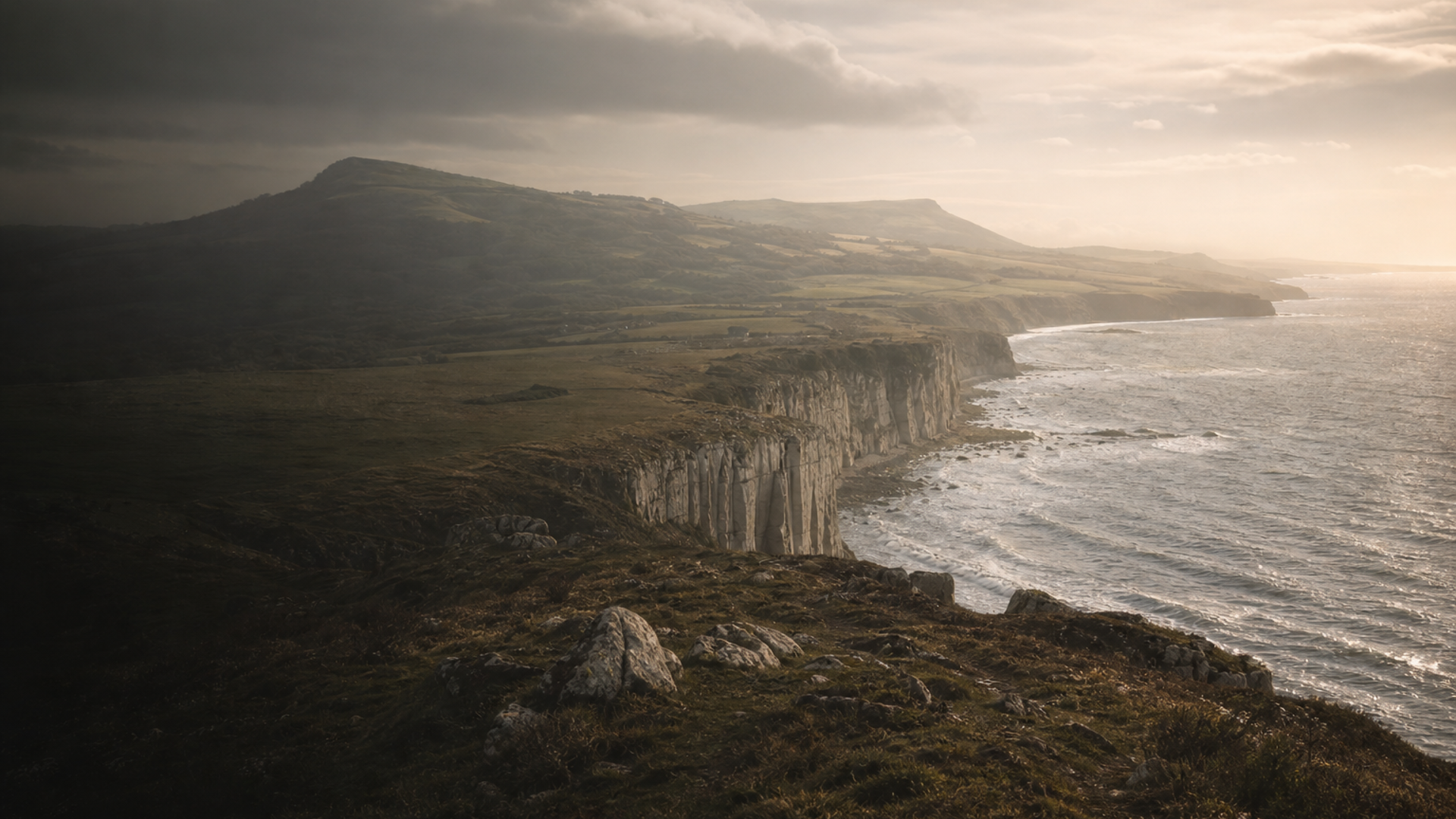
Modern French genetic and archaeological landscapes are inseparable: museums and sites — from Neolithic tombs to medieval cathedrals — are the visible grammar of stories written into genomes. Contemporary regional identities (Breton, Gascon, Norman) preserve echoes of ancient connections and historic migrations. In places like Finistère and Côtes‑d'Armor the coastal archaeology aligns with genetic indications of Atlantic connectivity; in the northeast and along historic trade routes, genetic signals reflect longer continental interchange.

These connections matter for ancestry platforms: archaeological context tempers genetic interpretations, reminding us that ancestry is both local and mobile, continuous and composite. While the 90 samples offer a meaningful snapshot, broader sampling and integration with ancient DNA from named archaeological contexts will deepen understanding of how France’s past lives on in present genomes.

  • Regional identities reflect layered archaeological and genetic histories
  • Paired archaeological context is essential for nuanced ancestry interpretations

AI 助手

AI 助手 由DNAGENICS公司制作

解锁此特性
Ask questions about the Threads of Modern France culture. Our AI assistant can explain genetic findings, historical context, archaeological evidence, and modern connections.
AI 样本分析

Threads of Modern France 文化是人类历史中值得了解的一章……

遗传分析揭示了与早期种群的联系,同时显示了独特的适应和文化创新的证据。 古代DNA样本提供了对迁徙模式、社会结构以及古代种群之间的生物关系的深刻见解。

这是人工智能分析的预览。 解锁全AI 助手, 以探索关于:

  • 遗传组成和祖先
  • 移徙模式和起源
  • 日常生活和文化习俗
  • 现代遗传遗产
使用优惠码 可减免 30% • 11月14日 到期




