Transtisza Early Avar Frontier

下载的 PDF 是图像副本。如需可选中文本及更好的辅助技术支持,请使用打印功能。

Transtisza Early Avar Frontier

揭开一个失落的文明

正在加载考古记录……

正在收集古代记录

跳转到主内容
Transtisza Early Avar Frontier
文明焦点

Transtisza Early Avar Frontier

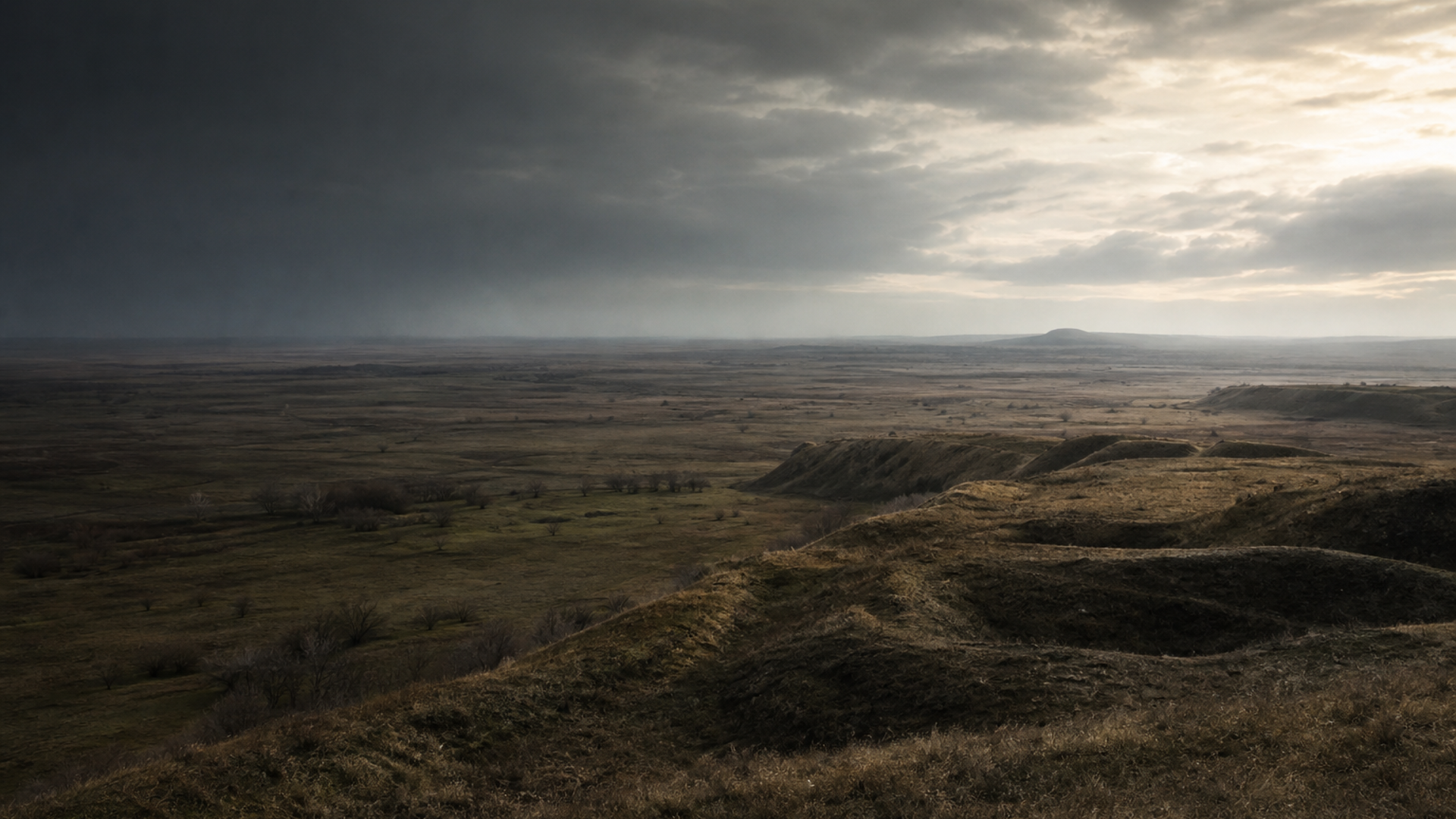
7th-century Hungary where steppe lineages met local communities

600 CE - 670 CE
Transtisza, Hungary
滚动开始
Chapter I

剧情

了解 Transtisza Early Avar Frontier 文化

Archaeological and ancient DNA data from five Transtisza sites (600–670 CE; n=9) reveal a mosaic of steppe-linked Y-DNA Q and diverse East Eurasian and European mtDNA lineages. Limited samples suggest population mixing on the early Avar frontier in northeastern Hungary.

Time Period

600–670 CE

Region

Transtisza, Hungary

Common Y-DNA

Q (2 of 9 observed)

Common mtDNA

D (2 of 9), I4a, A+, C4d, Z3

Chapter II

时间线

这种文化历史上的关键时刻

567 CE

Avar incursion into the Carpathian Basin

Regional histories and archaeology mark the mid-6th century as the period of Avar political expansion into the Basin, setting the context for later 7th-century Transtisza sites.

600 CE

Early Avar activity in Transtisza

Archaeological occupation and burials at sites like Hajdúböszörmény and Derecske begin to reflect Avar-period material culture in the region.

670 CE

Late bound of the sampled horizon

The upper end of the sampled chronology; after this date regional dynamics continue to evolve with further admixture and cultural transformation.

Chapter III

Origins & Emergence

The Transtisza Early Avar assemblage sits within the turbulent opening decades of Avar influence in the Carpathian Basin. Archaeological data indicates occupation and burial activity between ca. 600 and 670 CE across multiple sites in northeastern Hungary — Hajdúböszörmény Homokbánya IV, Derecske (Bikás-dűlő and Karakas dűlő), and Transtisza region localities such as Békésszentandrás (Benda-tanya site 76) and Szarvas (Kovács-halom site 8/1).

Cinematically, the period can be imagined as a frontier of mobile steppe elites and local farming communities: horse tack, transient encampments, and syncretic burial practices have been described regionally for the Early Avar period. Genetically, the presence of Y-chromosome haplogroup Q — more typical of steppe and Inner Asian groups — in multiple individuals hints at incoming paternal lineages. At the same time, mitochondrial diversity includes East Eurasian types (D, A, C, Z) alongside European maternal lineages such as I4a, signaling admixture.

Limited evidence and the small sample size make definitive models premature, but the archaeological and genetic picture together suggests a multicultural frontier where people, goods, and genes moved and mixed during the 7th century CE.

  • Sites: Hajdúböszörmény Homokbánya IV; Derecske Bikás-dűlő & Karakas dűlő; Békésszentandrás; Szarvas Kovács-halom
  • Timeframe: Early Avar Period, ca. 600–670 CE

  • Evidence points to incoming steppe-associated paternal lineages combined with diverse maternal ancestry
Chapter IV

Daily Life & Society

Archaeological contexts from Transtisza sites reflect a landscape of mixed lifeways. Excavated graves and settlement traces in the region suggest communities practicing a blend of mobile pastoralism and settled agriculture — herds and fields operating within the same riverine plains. Finds regionally associated with the Early Avar horizon include varied grave furnishings and occasional horse-related equipment, indicating social identities tied to both local traditions and steppe-influenced practices.

Burial orientation, artifact assemblages, and spatial clustering visible at sites such as Derecske and Szarvas imply small, possibly kin-based groups rather than large, centralized centers. Trade and long-distance connections are implied by exotic materials recorded elsewhere in the Avar world; within Transtisza, people likely navigated a patchwork economy of farming, herding, and tribute or service to mobile elite groups.

Archaeological data indicates that daily life was negotiated at the seam of cultures: language, dress, and ritual may have been multilingual and hybrid. Yet, many specifics remain tentative because preservation and sampling vary by site.

  • Mixed economy: pastoral mobility combined with local agriculture
  • Burial patterns suggest small kin groups and social diversity
Chapter V

Genetic Profile

Ancient DNA from nine individuals dated 600–670 CE offers a preliminary genetic snapshot of the Transtisza Early Avar horizon. Two individuals carry Y-DNA haplogroup Q, a paternal lineage frequently associated with steppe and Inner Asian populations; this supports archaeological signals of incoming male-mediated mobility. Mitochondrial haplogroups are diverse: D (observed twice), I4a, A+, C4d, and Z3 appear among the samples, indicating a mixture of East Eurasian and European maternal lineages.

The presence of East Eurasian mtDNA types (D, A, C, Z) alongside a European lineage (I4a) suggests admixture between incoming groups with steppe/Inner Asian ancestry and local or regional European populations. However, with only nine samples the dataset is small: conclusions about population proportions, sex-biased admixture, or continuity are necessarily provisional. Statistical modeling and broader sampling are required to test scenarios such as elite migration, family-group movement, or long-term gene flow across the Carpathian Basin.

Archaeogenetic evidence thus complements the archaeological narrative: a heterogeneous population on the Avar frontier with both steppe-linked paternal signatures and a mosaic of maternal ancestries.

  • Y-DNA: Q in 2 of 9 individuals — suggests steppe-linked paternal input
  • mtDNA: mixture of East Eurasian (D, A, C, Z) and European (I4a) maternal lineages
Chapter VI

Legacy & Modern Connections

The Transtisza Early Avar individuals illuminate the processes that shaped Central Europe's genetic and cultural landscape in the early medieval period. Traces of steppe ancestry, carried through paternal lineages like Q and reflected in East Eurasian maternal haplogroups, attest to episodes of migration and integration that helped weave new identities across the Carpathian Basin.

In the modern era, the signal of these early movements is diluted by subsequent centuries of migration and local demographic change. Ancient DNA provides snapshots that, when multiplied across sites and time, allow us to trace how transient frontier groups contributed to long-term population structure. Given the small sample set (n=9), any direct link to modern populations is tentative; broader sampling and comparative analyses are needed before claiming continuity. Still, these genomes dramatize a critical moment when steppe lineages and local European communities encountered one another on the Transtisza plain.

  • Early Avar-period mobility contributed steppe-linked ancestry to the regional gene pool
  • Modern connections are plausible but remain tentative given the limited sample size
AI 电源

AI 助手

就 Transtisza Early Avar Frontier 文化提问

AI 助手 由DNAGENICS公司制作

解锁此特性
Ask questions about the Transtisza Early Avar Frontier culture. Our AI assistant can explain genetic findings, historical context, archaeological evidence, and modern connections.
AI 样本分析

Transtisza Early Avar Frontier 文化是人类历史中值得了解的一章……

遗传分析揭示了与早期种群的联系,同时显示了独特的适应和文化创新的证据。 古代DNA样本提供了对迁徙模式、社会结构以及古代种群之间的生物关系的深刻见解。

这是人工智能分析的预览。 解锁全AI 助手, 以探索关于:

  • 遗传组成和祖先
  • 移徙模式和起源
  • 日常生活和文化习俗
  • 现代遗传遗产

探索更古老的文化

揭开古代世界文明的故事

使用优惠码 可减免 35% • 11月12日 到期