Tren Cave Ancestors (Albania)

下载的 PDF 是图像副本。如需可选中文本及更好的辅助技术支持,请使用打印功能。

Tren Cave Ancestors (Albania)

揭开一个失落的文明

正在加载考古记录……

正在收集古代记录

跳转到主内容
Tren Cave Ancestors (Albania)
文明焦点

Tren Cave Ancestors (Albania)

Two Late Neolithic–Chalcolithic individuals from Tren Cave illuminate maternal lineages in SE Albania

5000 CE - 3500 BCE
Southeast Albania (Devoll valley)
2 Ancient Samples
滚动开始
Chapter I

剧情

了解 Tren Cave Ancestors (Albania) 文化

Genetic and archaeological evidence from two individuals (Tren Cave, Devoll) dating 5000–3500 BCE offers a preliminary glimpse into Late Neolithic–Chalcolithic communities in Albania. Maternal haplogroups HV4 and J1c appear; Y-chromosome data are not reported. Interpretations remain tentative.

Time Period

5000–3500 BCE (Late Neolithic–Chalcolithic)

Region

Southeast Albania (Devoll valley)

Common Y-DNA

Undetermined / not reported

Common mtDNA

HV4 (1), J1c (1)

Chapter II

时间线

这种文化历史上的关键时刻

2500 BCE

Tren Cave occupation (approximate)

Midpoint within the Tren Cave date range; reflects active Late Neolithic–Chalcolithic occupation in the Devoll valley (preliminary context).

Chapter III

Origins & Emergence

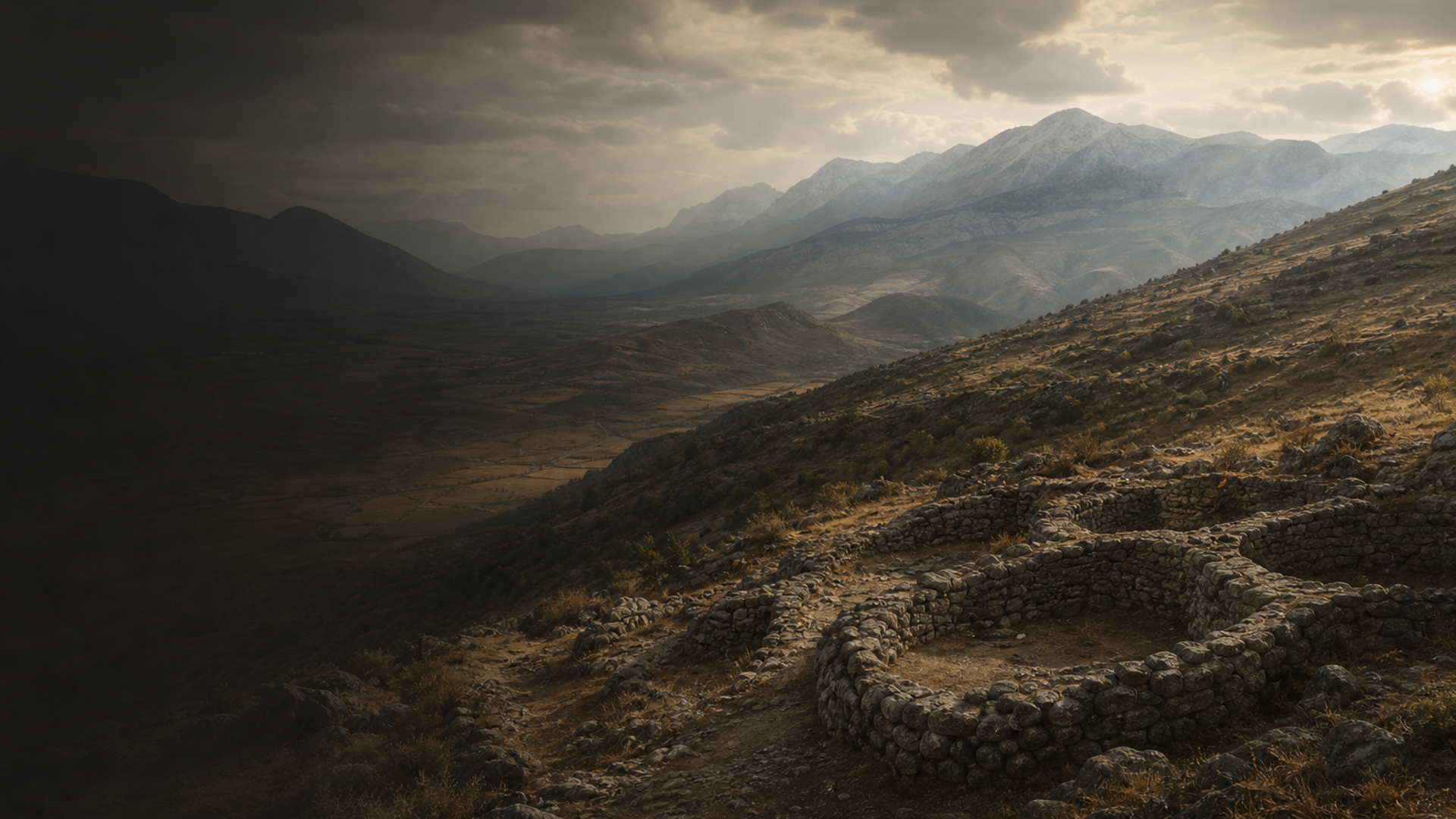
Tren Cave, perched in the Devoll valley of southeast Albania, preserves deposits attributed to the Late Neolithic through Chalcolithic (c. 5000–3500 BCE). Archaeological data indicates stratified occupation layers consistent with small, locally rooted communities. Limited excavation and survey in the wider Devoll landscape reveal pottery styles and chipped-stone technologies that echo broader Balkan Neolithic traditions, suggesting cultural connections across the interior Adriatic corridor.

The two genetic samples associated with the label Albania_LN_C derive from this regional context. Their chronology spans a dynamic interval when long-established Neolithic farming lifeways persisted even as new influences began to circulate across the Balkans. Limited evidence suggests continuity of local settlement patterns rather than abrupt population replacement during this window, but uncertainties remain: the Tren Cave dataset is small, and material culture alone cannot resolve complex demographic processes.

Taken together, the archaeological footprint of Tren Cave evokes a landscape of enduring settlements, weaving local traditions into wider Neolithic networks of exchange and shared practice.

  • Site: Tren Cave, Devoll valley, Southeast Albania
  • Date range: ca. 5000–3500 BCE (Late Neolithic–Chalcolithic)
  • Archaeological indicators point to local Neolithic traditions with regional connections
Chapter IV

Daily Life & Society

Archaeological parallels from the central and southern Balkans suggest that inhabitants of the Tren Cave hinterland practiced mixed farming: cultivation of cereals and pulses alongside managed herds of cattle, sheep and goats. Material remains typical of Late Neolithic contexts—pottery, ground stone tools, and worked bone—signal domestic economies oriented around seasonal cycles and household production.

Socially, small village clusters and cave-associated activity areas likely structured daily life. Exchange of raw materials and finished goods across river valleys and toward the Adriatic coast is archaeologically plausible, indicating networks that moved not only objects but ideas and possibly people. Funerary behavior in the region ranges from primary inhumation to secondary deposition; Tren Cave’s human remains contribute to this mosaic, yet the small sample size precludes confident reconstruction of social hierarchy or burial rites specific to the site.

Environmental reconstruction suggests a mixed woodland and open-field landscape, where communities balanced foraging, husbandry, and crop cultivation. Craft specializations—pottery making, bone working—would have provided focal points for skill transmission across generations.

  • Mixed farming economy with domesticated plants and animals
  • Local craft production and regional exchange networks likely
Chapter V

Genetic Profile

The Albania_LN_C dataset comprises two individuals from Tren Cave, each preserving mitochondrial haplogroups: HV4 (1) and J1c (1). Mitochondrial lineages such as J1c have broad associations with early European farmer populations derived largely from Anatolian Neolithic ancestry; HV4 is a West Eurasian maternal clade found at low frequencies across Europe and the Near East and may reflect local or regionally widespread maternal ancestries.

Crucially, no Y-chromosome haplogroups are reported for these two samples, and the total sample count is only two—well below thresholds for population-level inference. Consequently, any demographic conclusions must be framed as provisional. Within the wider ancient DNA record, Neolithic Balkan farmers typically carry predominantly Anatolian-derived ancestry with limited hunter-gatherer admixture prior to the later Chalcolithic and Bronze Age. The Tren Cave maternal signatures are therefore consistent with a Neolithic-derived maternal heritage, but the small N prevents detection of finer-scale admixture or incoming steppe-related signals that began to reshape the Balkans after c. 3500–3000 BCE.

In sum, the genetic data from Tren Cave offer evocative but tentative glimpses of maternal ancestry in southeastern Albania; larger sample sizes and Y-chromosome data would be needed to clarify male lineages and population dynamics.

  • mtDNA haplogroups: HV4 and J1c (each observed once)
  • Sample count is small (n=2); conclusions are preliminary
Chapter VI

Legacy & Modern Connections

These two Tren Cave genomes form a slender but meaningful thread linking deep Neolithic lifeways to the later tapestry of the Balkans. Maternal haplogroups like J1c and HV4 persist at low frequencies in modern West Eurasian populations, suggesting fragments of continuity in maternal lines across millennia. However, genetic continuity in the Balkans is complex: later migrations and admixture events—especially during the late Chalcolithic and Bronze Age—reshaped the genetic landscape.

Archaeologically, Tren Cave contributes to a regional story of long-term settlement and cultural exchange in the Devoll valley. For contemporary communities in Albania, the site is a tangible link to prehistoric ancestors who cultivated the land, crafted ceramics, and navigated networks of exchange. Scientific prudence demands that we treat the present genetic snapshot as a starting point: expanded sampling, contextual excavation, and interdisciplinary study will be needed to illuminate how these early communities contributed to the genetic ancestry of later Balkan populations.

  • Maternal lineages show potential fragments of continuity with modern West Eurasian pools
  • Future research and larger samples are required to map long-term genetic change
Chapter VII

样本目录

2 份与 Tren Cave Ancestors (Albania) 文化相关的古 DNA 样本,为研究该时期的人群提供遗传线索。

2 / 2 samples
纵向 样本 国家 大纪元 日期 文化 性别 Y-DNA mtDNA
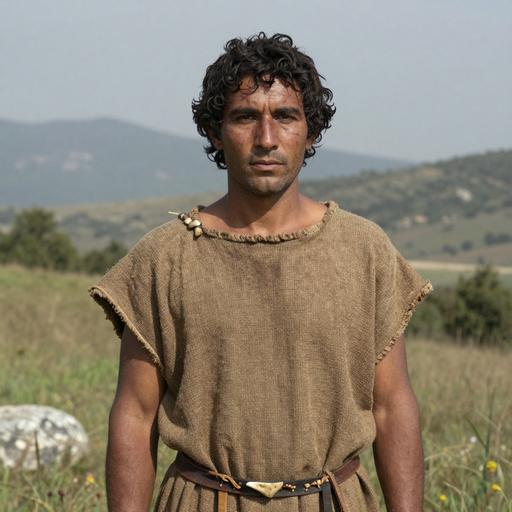
重建的肖像画 N individual, Albania
N individual, Albania
Albania Albania_LN_C 5000-3500 BCE Old European M G-Z6360 HV4
重建的肖像画 N individual, Albania
N individual, Albania
Albania Albania_LN_C 4313-4051 calBCE (5330±25 BP, PSUAMS-5944) Old European M G-F2572 J1c
AI 电源

AI 助手

就 Tren Cave Ancestors (Albania) 文化提问

AI 助手 由DNAGENICS公司制作

解锁此特性
Ask questions about the Tren Cave Ancestors (Albania) culture. Our AI assistant can explain genetic findings, historical context, archaeological evidence, and modern connections.
AI 样本分析

Tren Cave Ancestors (Albania) 文化是人类历史中值得了解的一章……

遗传分析揭示了与早期种群的联系,同时显示了独特的适应和文化创新的证据。 古代DNA样本提供了对迁徙模式、社会结构以及古代种群之间的生物关系的深刻见解。

这是人工智能分析的预览。 解锁全AI 助手, 以探索关于:

  • 遗传组成和祖先
  • 移徙模式和起源
  • 日常生活和文化习俗
  • 现代遗传遗产

探索更古老的文化

揭开古代世界文明的故事

使用优惠码 可减免 35% • 11月12日 到期