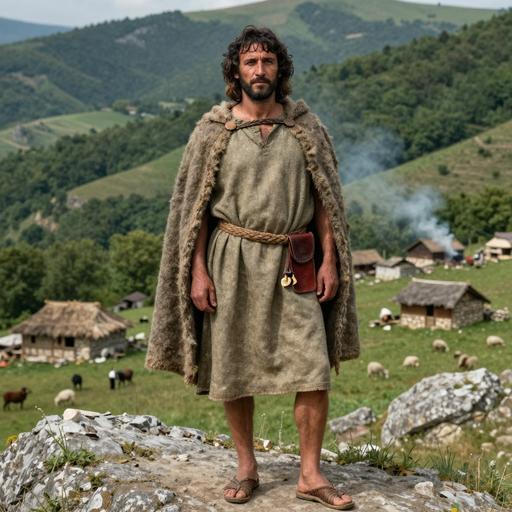
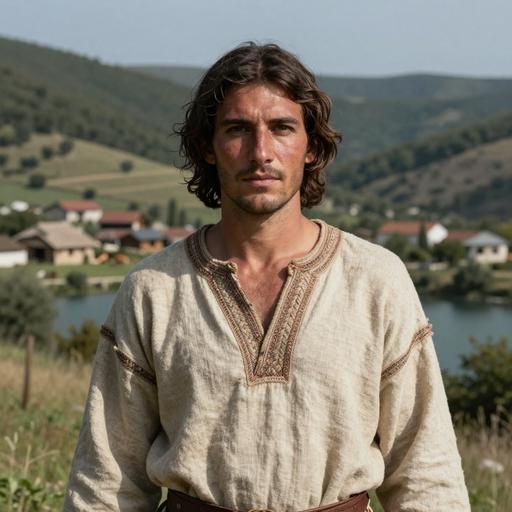
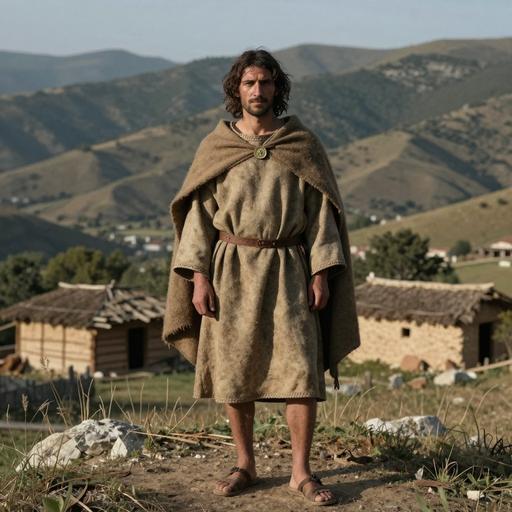
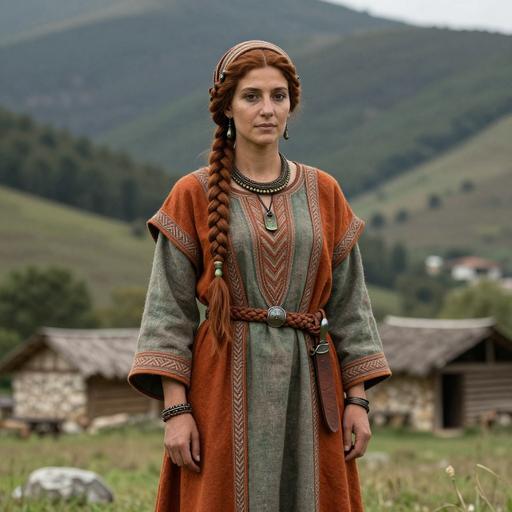
Voices of Albania: Bronze–Iron Echoes

下载的 PDF 是图像副本。如需可选中文本及更好的辅助技术支持,请使用打印功能。

Voices of Albania: Bronze–Iron Echoes

揭开一个失落的文明

正在加载考古记录……

正在收集古代记录

跳转到主内容
Voices of Albania: Bronze–Iron Echoes
文明焦点

Voices of Albania: Bronze–Iron Echoes

A cinematic glimpse into communities of southwest and northeast Albania, 2700 BCE–1000 CE

2700 BCE - 1000 CE
Albania (Dukat; Çinamak, Kukës District)
11 Ancient Samples
滚动开始
Chapter I

剧情

了解 Voices of Albania: Bronze–Iron Echoes 文化

Archaeological and genetic evidence from 11 individuals across Dukat and Çinamak (Kukës) traces human lives from the Bronze Age into the Iron Age in Albania. Limited but evocative DNA patterns (mtDNA H and T lineages) hint at regional continuity and interaction across the Balkans.

Time Period

2700 BCE – 1000 CE

Region

Albania (Dukat; Çinamak, Kukës District)

Common Y-DNA

Undetermined / not reported

Common mtDNA

T (2), H+ (2), T2b (1), H1a (1), H (1)

Chapter II

时间线

这种文化历史上的关键时刻

2700 BCE

Early Bronze Age occupations in Albania

Material culture and earliest sampled individuals indicate settled and mobile communities in the Dukat and Kukës regions.

Chapter III

Origins & Emergence

Across the long sweep from the late 3rd millennium BCE into the first millennium CE, the sites represented by the Albania_BA_IA samples — notably Dukat in the southwest and Çinamak in the Kukës District to the northeast — stand as weathered thresholds between ages. Archaeological data indicates that these locations participated in the braided movements of people, goods, and ideas that characterized the Balkan Bronze Age and the Transition to the Iron Age in Albania. Material culture from nearby excavations includes metalworking debris, pottery styles that shift from local Bronze Age types to forms associated with wider Adriatic and inland Balkan networks, and burial practices that show both continuity and change.

Limited evidence suggests a landscape of small, mobile communities connected by river valleys and mountain passes. The long date range of the samples (2700 BCE–1000 CE) compresses several distinct cultural phases — early Bronze Age settlement, middle and late Bronze Age social reorganization, and the eventual regional transformations leading into Iron Age social structures. Rather than a single 'culture', the archaeological record here reflects layered occupations and evolving lifeways.

Cinematic remnants — a bronze slag, a pot rim, a mound of earth choked with roots — evoke lives lived at the edge of empires and ecologies. While the material record is rich in texture, precise cultural affiliations across centuries remain cautious: archaeology speaks in fragments, and those fragments must be read alongside genetic signals to approach a fuller human story.

  • Dukat (SW Albania) and Çinamak (Kukës District, NE) are key sites
  • Evidence spans Bronze Age through Iron Age transitions
  • Material culture shows local continuity with broader Balkan links
Chapter IV

Daily Life & Society

The everyday world suggested by the archaeological remains is tangible and cinematic: hearth smoke, bent bronze, and tireless hands shaping clay. Excavations in the Dukat area have recovered domestic debris and metallurgical waste that point to small-scale metalworking, while Çinamak and surrounding upland settlements yield pottery, animal bones, and stone tools consistent with mixed agro-pastoral economies. Archaeological data indicates seasonal mobility in upland zones, where flocks grazed high pastures and communities maintained exchange ties with lowland traders.
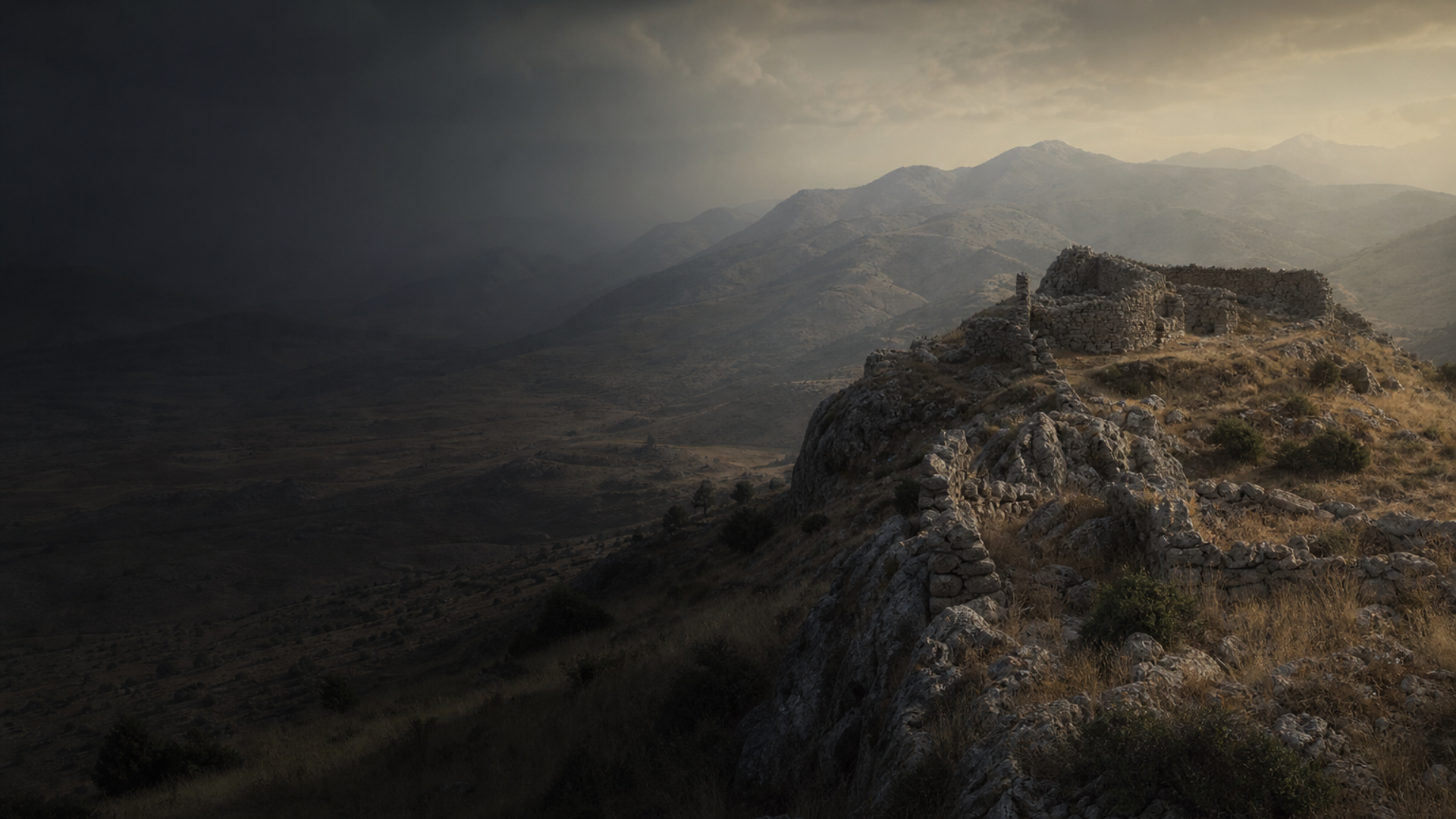
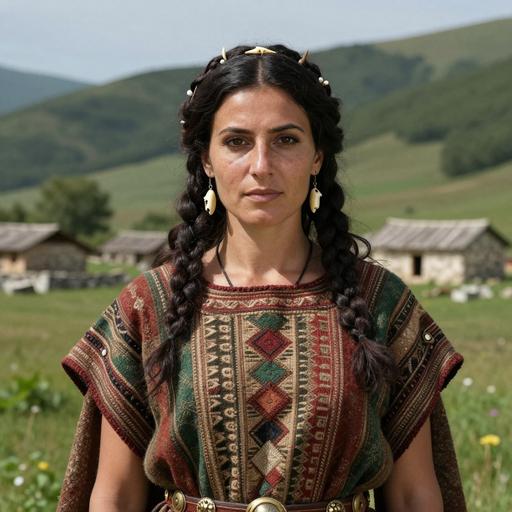
Social life likely revolved around kin groups and household production, with emergent craft specialists producing bronze tools and ornaments that circulated locally and across the Adriatic. Burials from the region — often simple in form but occasionally accompanied by metal objects or pottery — suggest a society with social differentiation but not extreme stratification in many local cemeteries. The transition toward the Iron Age introduces new technologies and possibly new social roles tied to ironworking and expanded trade.

Because the 11 sampled individuals span nearly four millennia, these snapshots capture changing lifeways rather than a single, stable social order. Archaeology permits reconstruction of routines and relationships, but many specifics — rites, languages, and precise political structures — remain beyond direct recovery and must be inferred cautiously.

  • Mixed agro-pastoral economy with seasonal pastoralism
  • Evidence for small-scale metallurgy and household craft specialization
Chapter V

Genetic Profile

The Albania_BA_IA dataset comprises 11 individuals dated between 2700 BCE and 1000 CE from Dukat and Çinamak. Mitochondrial DNA lineages recovered include haplogroups T (two individuals), H+ (two), T2b (one), H1a (one), and H (one). These mtDNA lineages are common across Europe and the Near East and are broadly consistent with maternal continuity in the Balkans through the Bronze and Iron Ages. Archaeological and genetic convergence suggests local female-line continuity punctuated by regional interaction.

Y-chromosome data are not reported here, so paternal-line histories remain unresolved in this assemblage. The modest sample number (11) and wide chronological span mean conclusions are preliminary: population dynamics across nearly three millennia are unlikely to be captured fully by this set. Nevertheless, the presence of both H and T maternal lineages aligns with broader ancient DNA studies showing a mosaic of maternal lineages in the Balkans, reflecting continuity from earlier Neolithic and Bronze Age groups as well as admixture events associated with Bronze Age mobility.

Genetic signals must be interpreted with nuance: shared mtDNA does not equate to cultural identity, and temporal depth matters. The integration of archaeological context — burial practice, location, artifact assemblage — with genetic results provides the richest picture, suggesting communities rooted in the landscape yet open to long-distance ties and demographic flux.

  • mtDNA includes T and H lineages common in Europe and the Near East
  • Y-DNA not reported; interpretations remain provisional given sample size
Chapter VI

Legacy & Modern Connections

The echoes of these ancient communities reach into the present as patterns of continuity and admixture visible in modern Albanian and Balkan genomes. Archaeological continuity at sites like Dukat and Çinamak, combined with mtDNA lineages seen in both ancient and modern populations, suggests partial maternal continuity in the region. However, the archaeological record and genetic data together emphasize a long history of interaction — trade, migration, and cultural exchange — that forged the genetic tapestry of the eastern Adriatic coast.

For modern ancestry interpretation, the Albania_BA_IA samples are informative but limited: 11 individuals over a 3,700-year span provide suggestive patterns rather than definitive links. These remains are best used as local reference points in a larger comparative framework. The most powerful stories emerge when ancient DNA is read alongside pottery sherds, metallurgical slag, and the shape of burial mounds — all telling of lives that were at once local and profoundly connected to a changing world.

  • mtDNA continuity suggests maternal links to modern Balkan populations
  • Small sample across long time span: useful reference but not conclusive
Chapter VII

样本目录

11 份与 Voices of Albania: Bronze–Iron Echoes 文化相关的古 DNA 样本,为研究该时期的人群提供遗传线索。

11 / 11 samples
纵向 样本 国家 大纪元 日期 文化 性别 Y-DNA mtDNA
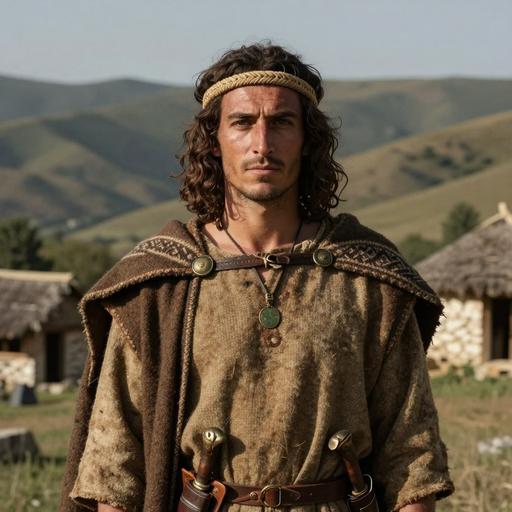
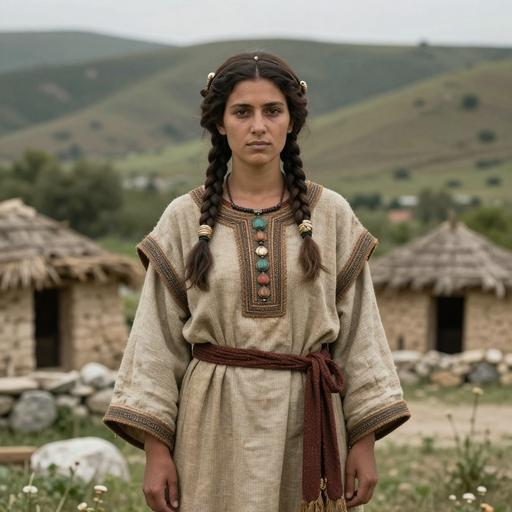
重建的肖像画 Cinamak BA IA individual, Albania
Cinamak BA IA individual, Albania
Albania Albania_BA_IA 1500-400 BCE Illyrian F - H1a
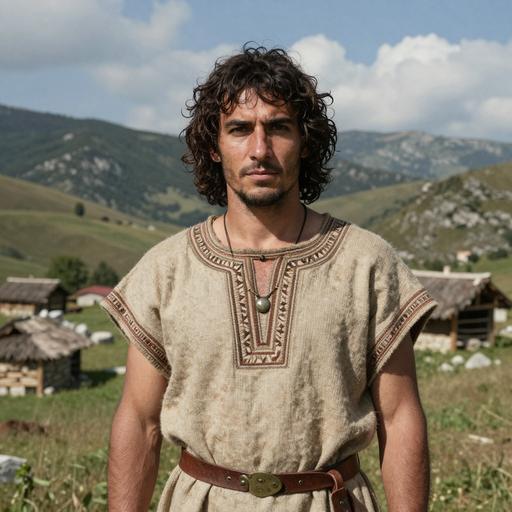
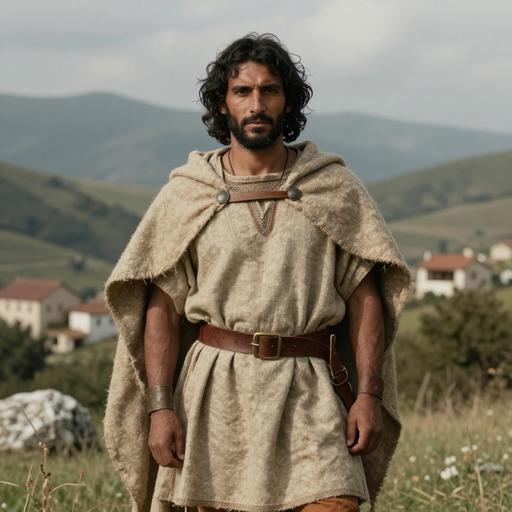
重建的肖像画 Cinamak IA individual, Albania
Cinamak IA individual, Albania
Albania Albania_BA_IA 600-400 BCE Illyrian M R-PF7563 T2b
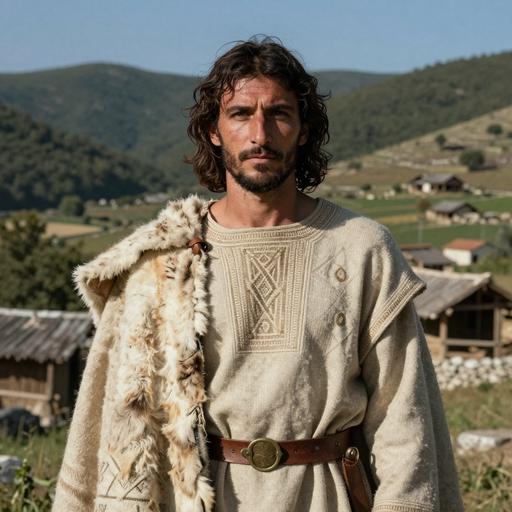
重建的肖像画 Cinamak BA IA individual, Albania
Cinamak BA IA individual, Albania
Albania Albania_BA_IA 1700-400 BCE Illyrian M R-CTS1450 T1a4
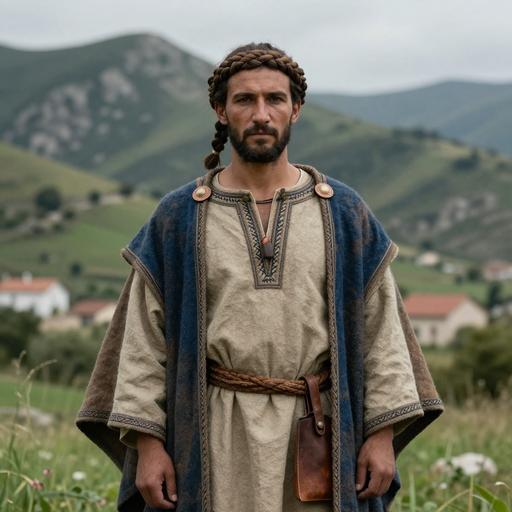
重建的肖像画 Cinamak IA individual, Albania
Cinamak IA individual, Albania
Albania Albania_BA_IA 500-50 BCE Illyrian M R-Y43865 H1u2
重建的肖像画 Cinamak IA individual, Albania
Cinamak IA individual, Albania
Albania Albania_BA_IA 800-350 BCE Illyrian F - H+152
重建的肖像画 Cinamak IA-o individual, Albania
Cinamak IA-o individual, Albania
Albania Albania_BA_IA 750-409 calBCE (2440±25 BP, PSUAMS-14156) Illyrian M J-Y146400 H+152
重建的肖像画 Cinamak IA individual, Albania
Cinamak IA individual, Albania
Albania Albania_BA_IA 600-400 BCE Illyrian M J-M241 T2b23
重建的肖像画 Cinamak IA individual, Albania
Cinamak IA individual, Albania
Albania Albania_BA_IA 600-400 BCE Illyrian M - -
重建的肖像画 Dukat Medieval individual, Albania
Dukat Medieval individual, Albania
Albania Albania_BA_IA 800-1000 CE Illyrian M - -
重建的肖像画 Cinamak BA IA individual, Albania
Cinamak BA IA individual, Albania
Albania Albania_BA_IA 2700-400 BCE Illyrian F - -
AI 电源

AI 助手

就 Voices of Albania: Bronze–Iron Echoes 文化提问

AI 助手 由DNAGENICS公司制作

解锁此特性
Ask questions about the Voices of Albania: Bronze–Iron Echoes culture. Our AI assistant can explain genetic findings, historical context, archaeological evidence, and modern connections.
AI 样本分析

Voices of Albania: Bronze–Iron Echoes 文化是人类历史中值得了解的一章……

遗传分析揭示了与早期种群的联系,同时显示了独特的适应和文化创新的证据。 古代DNA样本提供了对迁徙模式、社会结构以及古代种群之间的生物关系的深刻见解。

这是人工智能分析的预览。 解锁全AI 助手, 以探索关于:

  • 遗传组成和祖先
  • 移徙模式和起源
  • 日常生活和文化习俗
  • 现代遗传遗产

探索更古老的文化

揭开古代世界文明的故事

使用优惠码 可减免 35% • 11月12日 到期