Wöllersdorf Mesolithic Window

下载的 PDF 是图像副本。如需可选中文本及更好的辅助技术支持,请使用打印功能。

Wöllersdorf Mesolithic Window

揭开一个失落的文明

正在加载考古记录……

正在收集古代记录

跳转到主内容
Wöllersdorf Mesolithic Window
文明焦点

Wöllersdorf Mesolithic Window

A single burial illuminating Austria's early hunter‑gatherers through stone, soil and DNA

7034 CE - 6656 BCE
Wöllersdorf, Niederösterreich, Austria
滚动开始
Chapter I

剧情

了解 Wöllersdorf Mesolithic Window 文化

A rare Mesolithic-era individual from Wöllersdorf (7034–6656 BCE) links archaeological remains to uniparental DNA. Limited samples mean conclusions are preliminary, but the find offers a cinematic glimpse into Austria's post‑glacial foragers and their genetic heritage.

Time Period

7034–6656 BCE

Region

Wöllersdorf, Niederösterreich, Austria

Common Y-DNA

P (1)

Common mtDNA

U (1)

Chapter II

时间线

这种文化历史上的关键时刻

7034 BCE

Wöllersdorf individual dated

Radiocarbon dating places the Wöllersdorf burial between 7034–6656 BCE, offering a rare genetic and archaeological snapshot of Mesolithic Austria.

Chapter III

Origins & Emergence

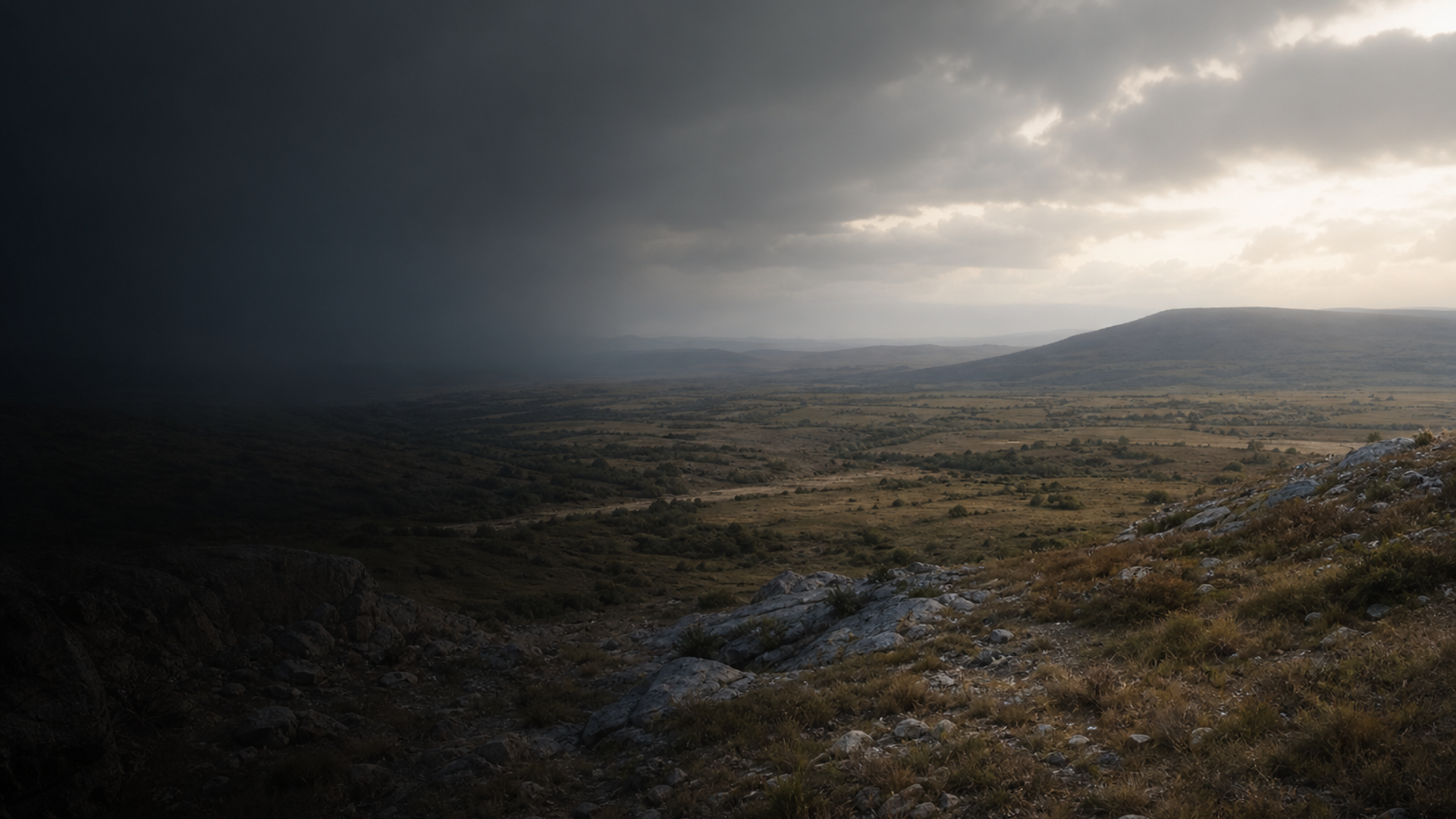
The Wöllersdorf individual comes from a narrow window in the early Mesolithic, dated by radiocarbon to between 7034 and 6656 BCE. Archaeological data from the Wiener Neustadt(Land) area indicate a landscape of reforesting river valleys and mosaic wetlands where small bands of hunter‑gatherers pursued red deer, wild boar and seasonal fish runs.

Material culture associated with Mesolithic Austria is sparse but evocative: microlithic flint tools, hastily retouched blades and hearth‑scatters that mark temporary camp sites. Wöllersdorf itself is not a sprawling settlement but a locus — a snapshot of mobility, resource knowledge and intimate ties to rivers that carved the post‑glacial terrain.

Limited evidence suggests these groups maintained wide seasonal rounds, exploiting riverine and upland resources in shifting ecotones. The archaeological picture is one of light footprints across a recovering European landscape, where population densities were low and social networks flexible. Because sample numbers are tiny, any reconstruction of origins and population movements remains provisional; each new site could substantially refine our understanding of how Mesolithic lifeways emerged in what is now Austria.

  • Dated 7034–6656 BCE from Wöllersdorf (Niederösterreich).
  • Associated with microlithic flint technology and riverine foraging.
  • Sparse remains indicate low-density, mobile hunter‑gatherer groups.
Chapter IV

Daily Life & Society

Picture a morning mist lifting over a braided river, flint flakes glinting at a hearth where the day's catch is gutted and shared. Archaeological indicators for Mesolithic Austria—lithic scatters, isolated hearths and seasonal debris—paint a society organized around small task groups rather than permanent villages. Mobility was adaptive: groups moved to follow game herds, seasonal plants and fish runs, returning to favored foraging grounds when conditions allowed.

Material culture emphasizes versatile toolkits: composite microliths set into wood or bone, scrapers for hides, and simple organic implements that seldom survive but are implied by use‑wear on stone. Social life likely revolved around kin networks with flexible alliances; ritual behavior is difficult to demonstrate from the single Wöllersdorf find, though isolated burials and curated objects in Mesolithic contexts elsewhere suggest symbolic practices. Archaeological data indicates knowledge systems finely tuned to environmental niches—tracking, plant processing, and raw material exchange across river corridors. The Wöllersdorf individual embodies a human scale of intimate landscape knowledge, where survival depended on memory of places, seasons and other groups encountered along annual rounds.

  • Small, mobile groups exploiting riverine and forest resources.
  • Versatile microlithic toolkits and ephemeral hearth sites.
Chapter V

Genetic Profile

Genetic data from Austria_Mesolithic derive from a single individual from Wöllersdorf, so interpretations must remain cautious. The uniparental markers reported are Y‑DNA haplogroup P and mitochondrial haplogroup U. mtDNA lineages in the U family are well documented across Mesolithic Europe and are often associated with long‑standing hunter‑gatherer matrilines; the presence of mtDNA U in this individual aligns with that broader pattern.

Y‑DNA haplogroup P is less commonly invoked in Western European Mesolithic contexts today; its identification in this single sample suggests either previously underestimated paternal diversity in early post‑glacial Central Europe or an issue of resolution/subclade assignment in limited data. Because only uniparental markers are available for this specimen, we lack genome‑wide context that would clarify affinity to Western Hunter‑Gatherers (WHG) or other Mesolithic groups across the continent.

Importantly, with n = 1 the genetic picture is preliminary. Archaeological and genetic narratives must be integrated conservatively: the Wöllersdorf DNA offers a compelling data point that complements toolkits and burial context, but broader population inferences require additional samples. Future genome‑wide sequencing from nearby Mesolithic sites would allow testing whether the Wöllersdorf individual reflects local continuity, a migrant lineage, or rare paternal diversity within early Austrian foragers.

  • mtDNA U matches common Mesolithic European maternal lineages.
  • Single Y‑DNA P finding suggests unexpected paternal diversity; conclusions provisional.
Chapter VI

Legacy & Modern Connections

The legacy of the Wöllersdorf individual is less a straight line to modern populations than a reminder of deep continuity and change. Mitochondrial U lineages persist in variable frequencies across Europe and link Mesolithic women to later populations; however, demographic turnovers during the Neolithic and Bronze Age reshaped gene pools, making direct ancestry claims tentative. Y‑DNA haplogroup P, as observed here, is not a dominant marker in contemporary Central Europe, which hints at complex paternal histories and the erasure or assimilation of some ancient lineages.

Archaeologically, Mesolithic foragers set ecological and cultural foundations—seasonal routes, raw material exchange networks and local knowledge—that influenced later occupants of the Danube corridors. Genetically, the Wöllersdorf sample underscores the patchwork nature of Europe’s past: each ancient genome is a fragment of a larger mosaic. Continued excavation and ancient DNA sampling across Austria will reveal whether this individual represents a local pattern or an outlying thread in a tapestry of post‑glacial human diversity.

  • mtDNA U links to wider Mesolithic maternal continuity across Europe.
  • Y‑DNA P rarity in later populations suggests complex demographic change.
AI 电源

AI 助手

就 Wöllersdorf Mesolithic Window 文化提问

AI 助手 由DNAGENICS公司制作

解锁此特性
Ask questions about the Wöllersdorf Mesolithic Window culture. Our AI assistant can explain genetic findings, historical context, archaeological evidence, and modern connections.
AI 样本分析

Wöllersdorf Mesolithic Window 文化是人类历史中值得了解的一章……

遗传分析揭示了与早期种群的联系,同时显示了独特的适应和文化创新的证据。 古代DNA样本提供了对迁徙模式、社会结构以及古代种群之间的生物关系的深刻见解。

这是人工智能分析的预览。 解锁全AI 助手, 以探索关于:

  • 遗传组成和祖先
  • 移徙模式和起源
  • 日常生活和文化习俗
  • 现代遗传遗产

探索更古老的文化

揭开古代世界文明的故事

使用优惠码 可减免 35% • 11月12日 到期




