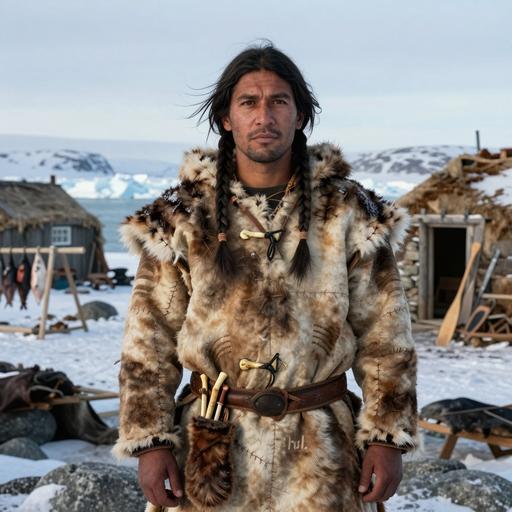
The Saqqaq Culture is one of the earliest known prehistoric cultures in Greenland, dating from approximately 2500 BCE to 800 BCE. It is part of the broader Paleo-Arctic tradition and provides significant insights into the early human occupation and adaptation in the Arctic regions. The Saqqaq people were among the first to inhabit Greenland, and their culture is characterized by unique adaptations to the harsh conditions of the Arctic environment.
Origins and Migration
The Saqqaq Culture is believed to have originated from Siberia, with the migration of people across the Bering Strait into North America. From there, they moved through Canada and eventually reached Greenland. This migration is part of a broader pattern of settlement in the Arctic known as the Paleo-Eskimo or Paleo-Arctic tradition, which includes other cultures such as the Denbigh and Independence I cultures.
Archaeological Evidence
Archaeological excavations of Saqqaq sites, particularly in western Greenland, have uncovered a wealth of tools and artifacts that help piece together their lifestyle and practices. Important sites include the Qajaa site on Disko Bay, which has been well-preserved in permafrost, allowing researchers to uncover organic materials like wood, bone, and antler alongside stone tools.
Material Culture
The Saqqaq people are known for their distinctive lithic technology. They crafted a variety of tools from chert and quartz, including scrapers, microblades, and burins. These tools were essential for hunting, butchering, and working with animal hides. The Saqqaq people also utilized organic materials, creating implements like harpoons, needles, and fishhooks from bone and antler.
Lifestyle and Economy
The Saqqaq people were primarily hunter-gatherers, relying heavily on marine and terrestrial resources for survival. Their diet included seals, fish, birds, and occasionally land mammals like reindeer. Coastal settlements suggest a reliance on the rich marine resources provided by the Arctic waters. They were skilled hunters and fishermen, often using kayaks and umiaks to navigate the coastal waters and hunt marine mammals.
Adaptation to the Environment
Living in a harsh Arctic environment required significant adaptation. The Saqqaq people wore clothing made from animal skins to maintain body heat. Their shelters were likely temporary, constructed from available materials like driftwood, bones, and skins, reflecting a semi-nomadic lifestyle dictated by the seasonal availability of resources.
Social and Spiritual Life
While much about Saqqaq social structures remains speculative, the organization of their settlements and the care with which artifacts were crafted suggest a structured community life with shared cultural practices. Burial sites, though rare, might offer clues to their spiritual beliefs, indicating respect for the dead and possibly a belief system tied to the natural world.
Decline and Legacy
The Saqqaq Culture eventually disappeared from the archaeological record around 800 BCE, coinciding with climate changes that made Greenland’s environment more challenging. They were succeeded by the Dorset Culture, another Paleo-Eskimo group, which suggests either a migration or an assimilation of the Saqqaq people.
The Saqqaq’s legacy is evident in the archaeological record, providing insights into early human adaptation to Arctic life and the interconnectedness of ancient peoples across the North American Arctic regions. Their presence in Greenland also marked the beginning of a long history of human habitation on the island, paving the way for later cultures, including the Thule people, who are ancestors of the modern Inuit.
In conclusion, the Saqqaq Culture represents a remarkable period in Arctic history, highlighting human resilience and adaptability in one of the planet’s most extreme environments. Their story is a crucial component of understanding the broader patterns of migration and cultural development in the circumpolar North.