


| Sample ID | Culture/Period | Date | Location | Action |
|---|---|---|---|---|
| BOL001_antiquity1240k | Davydovskoye Archaeological Culture | 239 CE | Bolshoye-Davydovskoye-2 (Ivanovo Oblast, Gavrilovo-Posadsky District, Bolshoye Davydovskoye Village), Russia | View |
| BOL002_antiquity1240k | Davydovskoye Archaeological Culture | 130 CE | Bolshoye-Davydovskoye-2 (Ivanovo Oblast, Gavrilovo-Posadsky District, Bolshoye Davydovskoye Village), Russia | View |
| BOL003_antiquity1240k | Davydovskoye Archaeological Culture | 237 CE | Bolshoye-Davydovskoye-2 (Ivanovo Oblast, Gavrilovo-Posadsky District, Bolshoye Davydovskoye Village), Russia | View |
| BOL004 | Davydovskoye Archaeological Culture | 212 CE | Bolshoye-Davydovskoye-2 (Ivanovo Oblast, Gavrilovo-Posadsky District, Bolshoye Davydovskoye Village), Russia | View |
| BOL005 | Davydovskoye Archaeological Culture | 130 CE | Bolshoye-Davydovskoye-2 (Ivanovo Oblast, Gavrilovo-Posadsky District, Bolshoye Davydovskoye Village), Russia | View |
| BOL006 | Davydovskoye Archaeological Culture | 130 CE | Bolshoye-Davydovskoye-2 (Ivanovo Oblast, Gavrilovo-Posadsky District, Bolshoye Davydovskoye Village), Russia | View |
| BOL007 | Davydovskoye Archaeological Culture | 261 CE | Bolshoye-Davydovskoye-2 (Ivanovo Oblast, Gavrilovo-Posadsky District, Bolshoye Davydovskoye Village), Russia | View |
| BOL008 | Davydovskoye Archaeological Culture | 235 CE | Bolshoye-Davydovskoye-2 (Ivanovo Oblast, Gavrilovo-Posadsky District, Bolshoye Davydovskoye Village), Russia | View |
| BOL009 | Davydovskoye Archaeological Culture | 240 CE | Bolshoye-Davydovskoye-2 (Ivanovo Oblast, Gavrilovo-Posadsky District, Bolshoye Davydovskoye Village), Russia | View |
| GOR001 | Medieval Gorokhovets Culture | 771 CE | Puzhalova-gora (Vladimir Oblast, Gorokhovets municipality), Russia | View |
| GOS001 | Medieval Gorokhovets Culture | 1047 CE | Sretensky-monastery (Vladimir Oblast, Gorokhovetsky District), Russia | View |
| GOS002 | Medieval Gorokhovets Culture | 1039 CE | Sretensky-monastery (Vladimir Oblast, Gorokhovetsky District), Russia | View |
| GOS003 | Medieval Gorokhovets Culture | 1021 CE | Sretensky-monastery (Vladimir Oblast, Gorokhovetsky District), Russia | View |
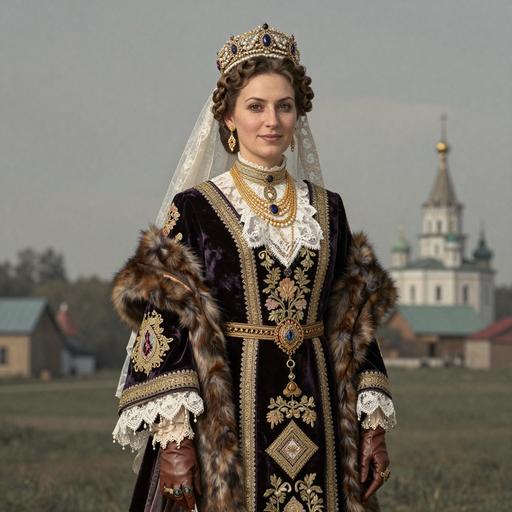
| KBL002 | Modern Russia Kibol (1900 CE) | 1665 CE | Kibol-3 (Vladimir Oblast, Suzdalsky District), Russia | View |
| KBL003 | Modern Russia Kibol (1900 CE) | 1645 CE | Kibol-3 (Vladimir Oblast, Suzdalsky District), Russia | View |
| KED001 | Modern Russian (Kideksha) | 1648 CE | Kideksha (Vladimir Oblast, Suzdalsky District), Russia | View |
| KED002 | Modern Russian (Kideksha) | 1661 CE | Kideksha (Vladimir Oblast, Suzdalsky District), Russia | View |
| KED003 | Modern Russian (Kideksha) | 1526 CE | Kideksha (Vladimir Oblast, Suzdalsky District), Russia | View |
| KED004 | Medieval Rus' (Kideksha) | 1400 CE | Kideksha (Vladimir Oblast, Suzdalsky District), Russia | View |
| KRS001 | Medieval Krasnoe | 1412 CE | Krasnoe-3 (Vladimir Oblast, Suzdalsky District), Russia | View |
| SHE001 | Early Medieval Shekshovo | 881 CE | Shekshovo-9 (Ivanovo Oblast, Gavrilovo-Posadsky District, Sheksnovo Village), Russia | View |
| SHE002 | Early Medieval Shekshovo | 993 CE | Shekshovo-9 (Ivanovo Oblast, Gavrilovo-Posadsky District, Sheksnovo Village), Russia | View |
| SHE003 | Early Medieval Shekshovo | 772 CE | Shekshovo-9 (Ivanovo Oblast, Gavrilovo-Posadsky District, Sheksnovo Village), Russia | View |
| SHE004 | Early Medieval Shekshovo | 888 CE | Shekshovo-9 (Ivanovo Oblast, Gavrilovo-Posadsky District, Sheksnovo Village), Russia | View |
| SHE005 | Medieval Shekshovo Culture | 992 CE | Shekshovo-9 (Ivanovo Oblast, Gavrilovo-Posadsky District, Sheksnovo Village), Russia | View |
| SHE006 | Medieval Shekshovo Culture | 986 CE | Shekshovo-9 (Ivanovo Oblast, Gavrilovo-Posadsky District, Sheksnovo Village), Russia | View |
| SHE007 | Medieval Shekshovo Culture | 1044 CE | Shekshovo-9 (Ivanovo Oblast, Gavrilovo-Posadsky District, Sheksnovo Village), Russia | View |
| SHE008 | Medieval Shekshovo Culture | 1303 CE | Shekshovo-9 (Ivanovo Oblast, Gavrilovo-Posadsky District, Sheksnovo Village), Russia | View |
| SHE009 | Medieval Shekshovo Culture | 1299 CE | Shekshovo-9 (Ivanovo Oblast, Gavrilovo-Posadsky District, Sheksnovo Village), Russia | View |
| SHK001 | Medieval Shekshovo Culture | 1166 CE | Shekshovo-2 (Ivanovo Oblast, Gavrilovo-Posadsky District, Sheksnovo Village), Russia | View |
| SHK002 | Medieval Shekshovo Culture | 1053 CE | Shekshovo-2 (Ivanovo Oblast, Gavrilovo-Posadsky District, Sheksnovo Village), Russia | View |
Chapter I
Identity
The biological and cultural markers that define this ancient individual
Sample ID
KBL002
Date Range
1665 CE - 1916 CE
Cultural Period
Modern Russia Kibol (1900 CE)
Biological Sex
Female
mtDNA Haplogroup
J1c3
Y-DNA Haplogroup
N/A (Female)