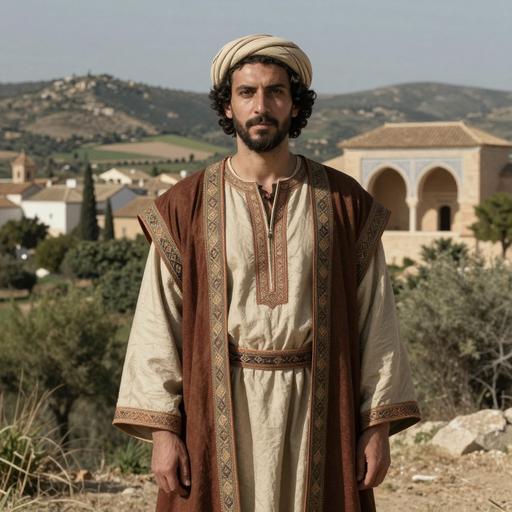
Segorbe, located in the Valencian Community of Spain, holds a rich historical tapestry, particularly during the era known as the Medieval Islamic period, which coincides with the Islamic Golden Age. This era is characterized by remarkable cultural, scientific, and economic advancements under Islamic rule, and Segorbe was no exception to these developments.
Historical Context
Conquest and Control
During the early 8th century, the Umayyad Caliphate extended its influence across the Iberian Peninsula, a region known in Arabic as Al-Andalus. Segorbe, like many other towns in present-day Spain, fell under Islamic control following the rapid expansion. The city's importance grew, owing to its strategic position as a fortified settlement en route to the then-pivotal city of Valencia.
Administrative Role
Under Islamic governance, Segorbe became part of the Taifa of Valencia after the decline of the centralized Caliphate of Cordoba. These smaller, independent Muslim-ruled principalities maintained mutual interactions and sometimes conflicts, which influenced the cultural and economic dynamics of the region.
Cultural Flourishment
Architecture and Urban Planning
The Islamic influence in Segorbe is most palpably witnessed through its architecture. Structures typically featured elements such as horseshoe arches, intricate tilework, and lush gardens, incorporating water features as part of advanced irrigation systems. While much of these have undergone transformations, the influence persists in the remnants and layout of the city, reflecting a blend of functionality and aesthetic beauty.
Scholarship and Learning
Segorbe, during this period, likely participated in the broader intellectual culture of Al-Andalus, which was renowned for its scholarly activity. The Islamic Golden Age saw the translation and development of classical texts across fields like medicine, astronomy, and philosophy. Scholars in the region might have engaged with such texts, contributing to the broader tapestry of knowledge.
Multicultural Society
The city was a melting pot of cultures and religions, including Muslims, Christians, and Jews, who coexisted to varying degrees at different times. This multicultural milieu fostered an environment of exchange in ideas, resulting in innovations in various fields.
Economic Prosperity
Agriculture and Trade
The agricultural advancements introduced by Muslim rulers transformed the landscape of Segorbe and its surroundings. They implemented sophisticated irrigation techniques that supported enhanced agricultural production, including crops like olives, grapes, and various grains. The abundance of produce supported local commerce and trade, extending beyond regional boundaries.
Craftsmanship and Industry
Handicrafts and industries thrived, with artisans producing textiles, ceramics, and metalwork that were highly esteemed. These products were not only for local consumption but also served as valuable trade goods with other Islamic territories and Christian kingdoms in Europe.
Social Structure and Governance
Leadership and Law
The governance structures implemented by Islamic rulers in Segorbe adhered to Islamic law, Sharia, which was adapted to integrate local customs and traditions. The local qadi (judge) played a vital role in administering justice, overseeing legal disputes, and ensuring social harmony.
Population Dynamics
The socio-political framework enabled diverse communities to engage with one another, although the dynamics varied significantly with political conditions. Cooperation and conflict both marked the interactions between Muslims, Christians, and Jews in the region.
Decline and Legacy
Reconquista
By the early 13th century, the Reconquista, the Christian reconquest of the Iberian Peninsula, was becoming increasingly successful. Segorbe, like much of the region, eventually fell to Christian forces, marking the end of Islamic rule. However, the legacy of this era continued through its lasting impact on regional culture, urban development, and agricultural practices.
Enduring Influence
The centuries of Islamic influence left an indelible mark on Segorbe, visible in its enduring architectural elements, cultural practices, and historical memory. Today, the city reflects a rich heritage that is deeply interwoven with the broader narrative of Spain's diverse past.
Conclusion
Medieval Islamic Segorbe stands as a testament to a period marked by cultural richness and multifaceted development. Its history during the Islamic Golden Age underscores a time of significant transformation and growth, leaving a legacy that continues to be appreciated in modern times. The narrative of Segorbe during this era not only enriches the understanding of Spain's history but also highlights the enduring global influence of the Islamic Golden Age.