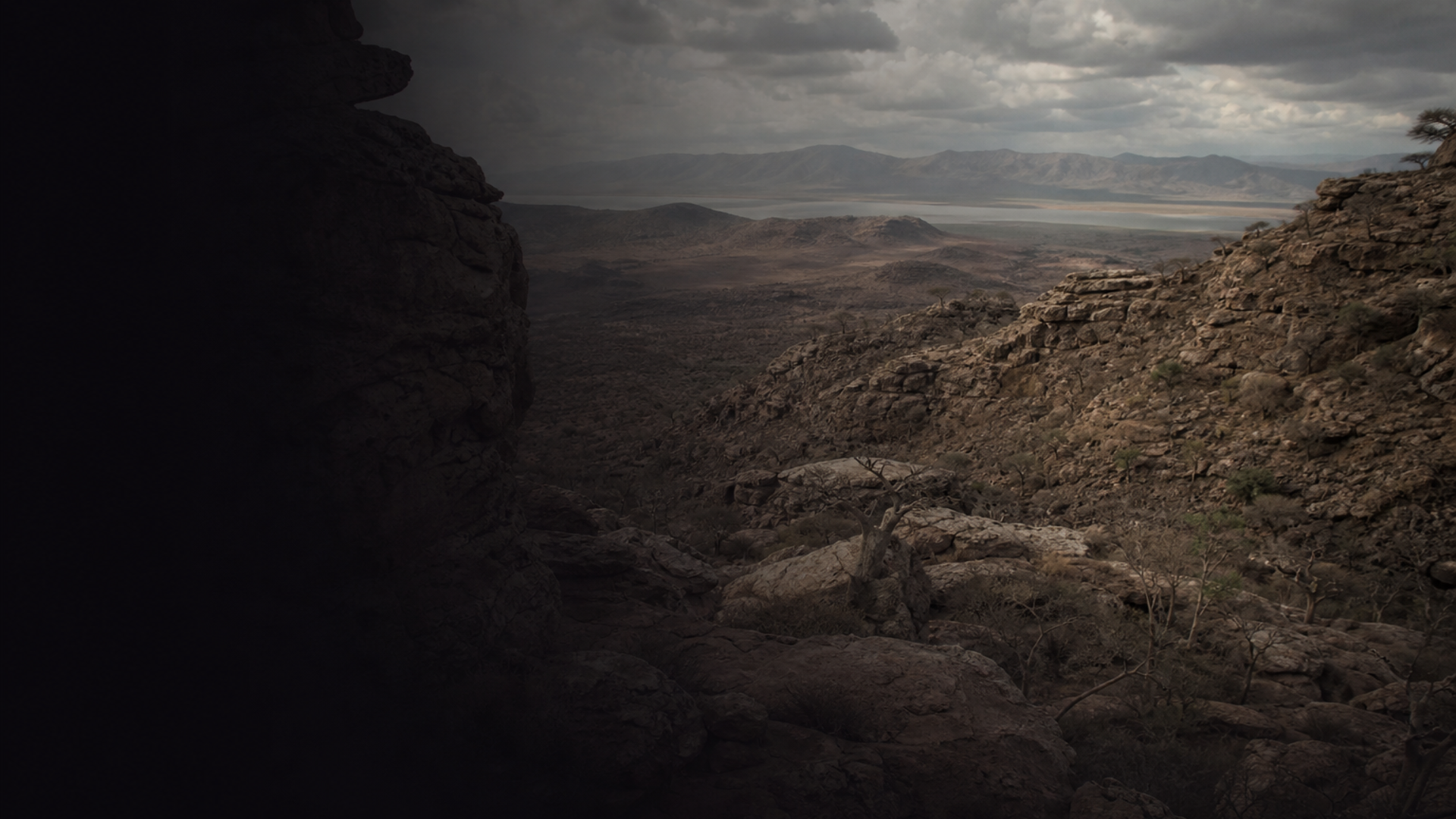
Tanzania in 2000 CE stands as a palimpsest of millennia: ancient hunter‑gatherer traditions, Nilotic and Cushitic movements, and the sweeping demographic transformations of the Bantu expansions overlay one another in living landscapes. The samples reported here—16 individuals sampled from Lake Eyasi, Gorofani/Mang'ola, Shimbiguga, Motto (Kondoa), Mbuga Nyekundu, and Seloto—represent a snapshot of communities occupying northern and central Tanzania at the turn of the 21st century.
Archaeological data indicates continuity in settlement patterns around freshwater and upland agricultural zones: Lake Eyasi has long been a focal point for foraging, cattle herding and irrigated crops, while sites in Kondoa record rock art and long‑term occupation. Modern material culture preserves pottery styles, ironworking traditions, and pastoral assemblages that have deep regional roots. Limited evidence suggests that many social practices—seasonal mobility, mixed farming, and trade in local markets—reflect centuries of interaction rather than a single origin event.
Because this dataset is modern and geographically focused, it is best interpreted as part of a longer cultural continuum rather than as evidence of a discrete new culture. Archaeological context from named sites shows a mosaic of lifeways that have coexisted and intermarried over generations, setting the stage for genetic blending observable in regional studies.