Echoes of Modern Tanzania

Download PDF creates a visual, rasterized copy. Use Print for selectable text and better assistive-technology support.

Zum Hauptinhalt springen
Zivilisations-Spotlight

Echoes of Modern Tanzania

Archaeology and DNA converge across Lake Eyasi and Kondoa, 2000 CE

2000 CE
Tanzania (Lake Eyasi, Kondoa)

Die Geschichte

A concise synthesis of archaeological contexts and genetic implications from 16 modern Tanzanian samples collected at Lake Eyasi, Gorofani/Mang'ola, Shimbiguga, Kondoa and Seloto (2000 CE). Highlights material culture, living traditions, and connections to regional genetic patterns.

Time Period

2000 CE (Modern)

Region

Tanzania (Lake Eyasi, Kondoa)

Common Y-DNA

Not reported in this dataset

Common mtDNA

Not reported in this dataset

Zeitleiste

2000 CE

Sampling and Contextual Study

Collection of 16 modern samples from Lake Eyasi, Gorofani/Mang'ola, Shimbiguga, Kondoa (Motto), Mbuga Nyekundu, and Seloto; contextual archaeological recording accompanied sampling.

Origins & Emergence

Tanzania in 2000 CE stands as a palimpsest of millennia: ancient hunter‑gatherer traditions, Nilotic and Cushitic movements, and the sweeping demographic transformations of the Bantu expansions overlay one another in living landscapes. The samples reported here—16 individuals sampled from Lake Eyasi, Gorofani/Mang'ola, Shimbiguga, Motto (Kondoa), Mbuga Nyekundu, and Seloto—represent a snapshot of communities occupying northern and central Tanzania at the turn of the 21st century.

Archaeological data indicates continuity in settlement patterns around freshwater and upland agricultural zones: Lake Eyasi has long been a focal point for foraging, cattle herding and irrigated crops, while sites in Kondoa record rock art and long‑term occupation. Modern material culture preserves pottery styles, ironworking traditions, and pastoral assemblages that have deep regional roots. Limited evidence suggests that many social practices—seasonal mobility, mixed farming, and trade in local markets—reflect centuries of interaction rather than a single origin event.

Because this dataset is modern and geographically focused, it is best interpreted as part of a longer cultural continuum rather than as evidence of a discrete new culture. Archaeological context from named sites shows a mosaic of lifeways that have coexisted and intermarried over generations, setting the stage for genetic blending observable in regional studies.

  • Samples from six named sites around Lake Eyasi and Kondoa represent a modern snapshot.
  • Material culture reflects long‑term continuity: pastoralism, farming, and foraging overlap.
  • The dataset is modern; interpret as part of ongoing cultural processes rather than a discrete ancient origin.

Daily Life & Society

Everyday life in the sampled communities blends deep tradition with contemporary realities. Ethnographic and archaeological parallels suggest households centered on mixed livelihoods—small-scale cultivation of sorghum, maize, and legumes; pastoral care of cattle, goats and sheep; and the harvesting of wild tubers and honey in nearby bushlands. Market towns such as Mang'ola (Gorofani area) act as nodes for grain trade and seasonal labor, linking upland Kondoa to the lakeshore communities at Eyasi.

Built environments range from round, thatched homesteads to more recent brick and metal‑roof structures, reflecting both material continuity and modern influences. Iron implements and repaired pottery persist alongside imported plastics and commercial goods, creating layered assemblages visible in surface scatters and household refuse. Social life is similarly layered: age‑set institutions and clan affiliations coexist with political structures of village councils and district authorities.
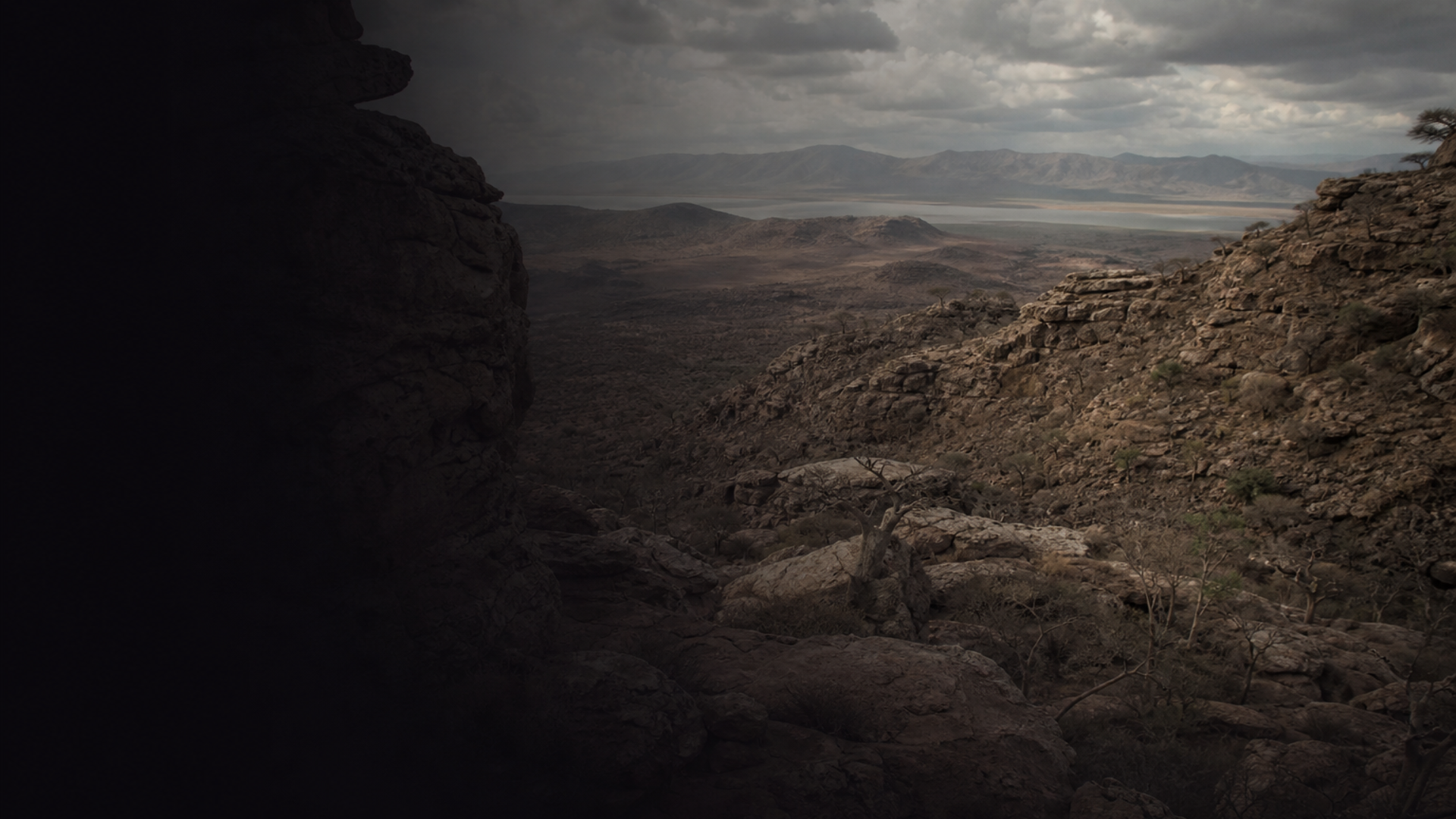
Archaeological deposits in places like Mbuga Nyekundu and Shimbiguga yield ceramics and food remains that mirror this mix of subsistence strategies. While the material record for 2000 CE is often thin because modern deposition is rapidly disturbed, careful stratigraphic sampling around homesteads and market areas preserves evidence of continuity in diet, craft and mobility.

  • Mixed subsistence: small‑scale farming, pastoralism, and foraging cohabit landscapes.
  • Material culture shows continuity and modern influence — iron tools and imported goods together.

Genetic Profile

This dataset contains 16 modern samples collected in 2000 CE across Lake Eyasi, Gorofani/Mang'ola, Shimbiguga, Motto (Kondoa), Mbuga Nyekundu, and Seloto. The provided metadata for this collection does not report assigned Y‑DNA or mtDNA haplogroups. As a result, interpretations must rely on broader regional genetic research to contextualize possible ancestries.

Regional genetic studies in East Africa have repeatedly documented a complex tapestry of ancestry: deep local lineages associated with ancient eastern African foragers, significant input from Bantu‑speaking agriculturalists who spread from west/central Africa, and varying Nilotic or Cushitic signals tied to pastoralist movements. At the haplogroup level, independent surveys often find Y‑chromosome lineages such as E1b1a and E1b1b and mitochondrial L lineages across Tanzania, but these are population‑level tendencies rather than direct statements about these 16 samples. Where sample counts are modest—16 individuals in this case—statistical power is limited and patterns should be considered provisional.

Archaeology and genetics together shed light on processes: the co‑occurrence of pastoralist material culture and genetic signals attributed to Nilotic/Cushitic admixture suggests long‑term gene flow alongside cultural transmission. Conversely, survival of distinct forager traditions near Lake Eyasi points to reservoirs of deeply rooted ancestry that may persist genetically in low‑frequency lineages. Future sequencing and explicit haplogroup assignment for these samples would allow finer resolution and a stronger test of these archaeological‑genetic hypotheses.

  • Dataset: 16 modern samples; haplogroups not reported in the supplied metadata.
  • Regional studies show admixture among Bantu, Nilotic, Cushitic, and forager ancestries—apply cautiously here.

Legacy & Modern Connections

The human stories recorded at these Tanzanian sites are not relics but living legacies. Cultural practices visible in 2000 CE—pastoral routes, pottery traditions, rock art in Kondoa—continue to shape local identities and seasonal rhythms. Genetic legacies mirror this continuity: multi‑layered ancestries formed by centuries of migration, marriage networks, and economic exchange produce the genetic diversity seen across modern Tanzania.

For museum and public audiences, the most compelling message is one of entanglement: material culture, landscape use, and DNA each tell parts of the same tale. Archaeological contexts give texture and chronology to genetic signals, while genetic data can reveal invisible threads of kinship and migration through time. Given the modest sample size and lack of haplogroup reporting here, conclusions remain tentative, but the convergence of archaeology and genetics points to deep, persistent regional connectivity that defines modern Tanzanian communities.

  • Material and genetic legacies reflect centuries of interaction and mobility.
  • This dataset is a modern snapshot; fuller genetic sampling would clarify ancestral threads.

KI-Assistent

KI-Assistent von DNAGENICS

Funktion freischalten
Stellen Sie Fragen zur Kultur Echoes of Modern Tanzania. Unser KI-Assistent kann genetische Befunde, historischen Kontext, archäologische Belege und moderne Verbindungen erläutern.
Beispiel einer KI-Analyse

Die Echoes of Modern Tanzania-Kultur ist ein faszinierendes Kapitel der Menschheitsgeschichte...

Genetische Analysen zeigen Übereinstimmungen mit früheren Populationen und Hinweise auf besondere Anpassungen und kulturelle Innovationen. Alte DNA-Proben liefern Einblicke in Migrationsmuster, soziale Strukturen und genetische Verbindungen zwischen Populationen.

Dies ist eine Vorschau der KI-Analyse. Schalten Sie den vollständigen KI-Assistenten frei, um detaillierte Einblicke zu erkunden:

  • Genetische Zusammensetzung und genetische Ähnlichkeit
  • Migrationsmuster und Ursprünge
  • Alltag und kulturelle Praktiken
  • Genetischer Bezug zu heutigen Populationen
Use code for 30% off • Expires Nov 14




