Echoes of the Mongol Steppe
Genetic and archaeological portrait of the Mongol world across the steppe (550–1600 CE)
تعرّف على أماكن عينات الحمض النووي القديم وفتراتها والأبحاث المنشورة حولها، واستكشف الثقافات المرتبطة بها.
تصفّح المجموعةالنتائج من 1 إلى 12 من أصل 87
Genetic and archaeological portrait of the Mongol world across the steppe (550–1600 CE)
Archaeology and ancient DNA tracing human presence across Tibet's high places
Fragments of Iron Age life from Hulunbuir that link archaeology with northern East Asian genomes
Riverine hunter-gatherers of northeast China, 17,605–10,550 BCE
Ten genomes illuminate lives along the Amur River, 6690–4270 BCE
Medieval highland lives on the northeastern Tibetan edge, revealed by archaeology and 10 ancient genomes
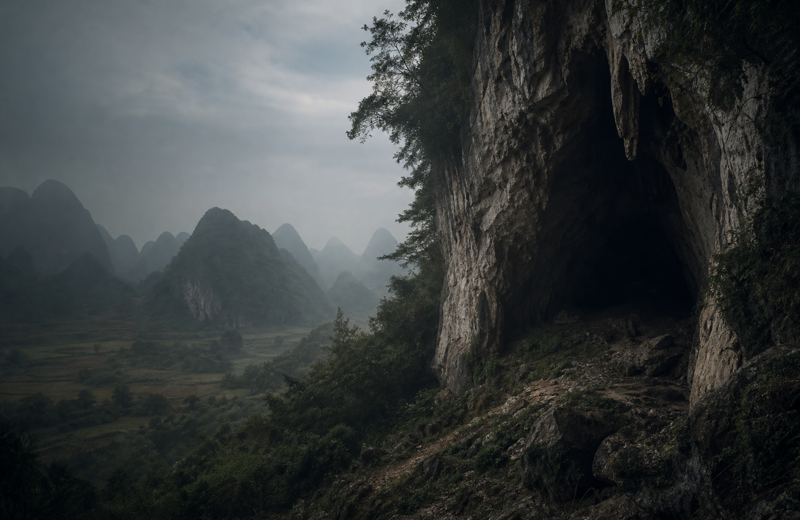
Tiny sample, deep stories — maternal lineages from Guangxi's Balong Cave illuminate movement during the Jin and Northern–Southern Dynasties
Three 440–658 CE individuals from Guangxi point to southern maternal continuity during Sui–Tang transition
Tanshishan and Xitoucun communities on the Min River, 2850–2200 BCE
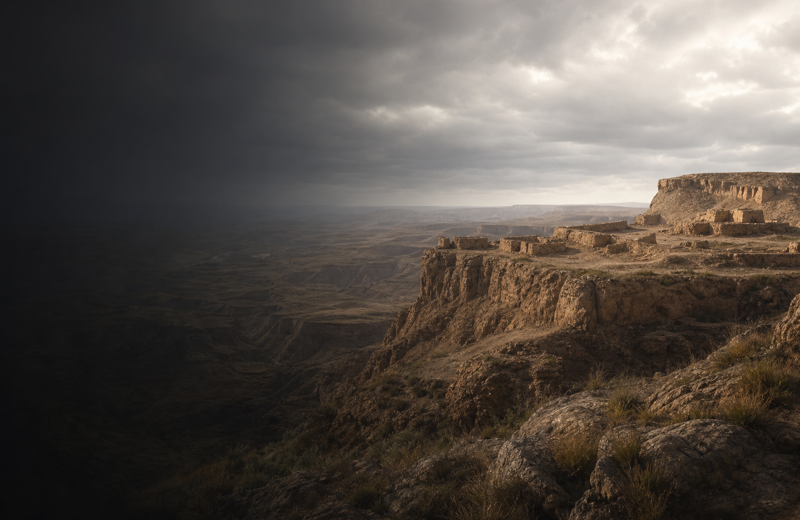
Monumental citadel life at Shengedaliang, revealed by stones and strands of DNA
Dacaozi burials in Qinghai whisper of Iron Age lifeways and genetic threads
Genetic traces from Lajia and Jinchankou illuminate Late Neolithic lives on the Upper Yellow River.