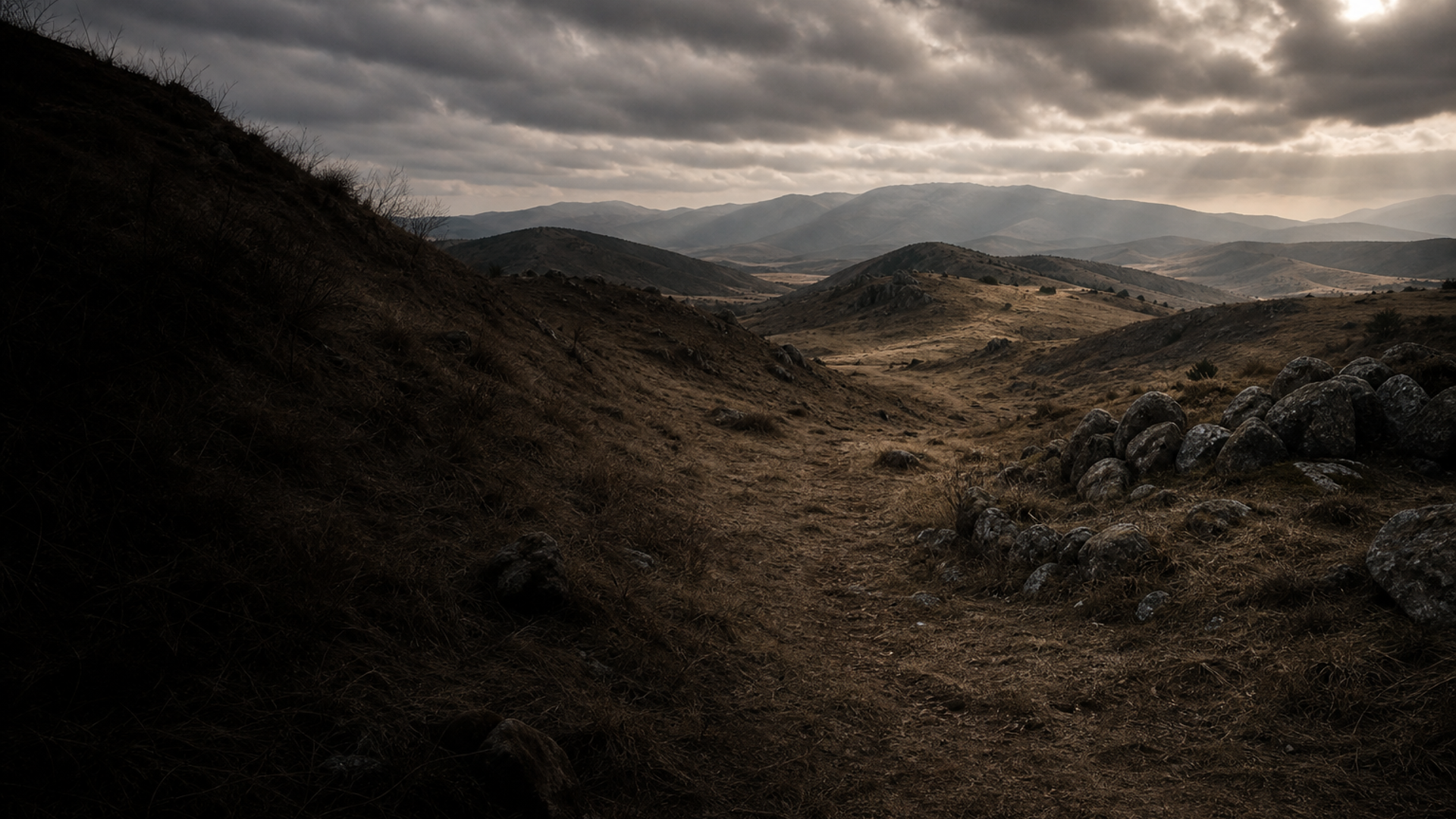
Archaeological traces across Bronze Age Bulgaria paint a picture of lived experience shaped by the land and by networks of exchange. Contemporary sites show houses clustered near arable fields and pastures, where mixed agriculture—cereals, legumes—and animal herding coexisted. Craft specialization, particularly in bronze-working and pottery, became more visible in settlement debris and workshop contexts elsewhere in the region.
At necropoleis like Kairyaka, funerary practices provide a particularly evocative window into social identity. Burials capture choices of deposition, use of grave goods, and spatial organization of the dead—signals of status, kinship, and belief. Archaeological data indicates variation in burial rites during the Middle–Late Bronze Age, suggesting communities negotiated identity through both continuity and innovation.
Material culture and landscape use together suggest communities were adaptable: seasonal movement for pasture, reliance on local resources supplemented by imported goods, and social ties that reached beyond the immediate valley. However, because the Merichleri genetic dataset currently consists of a single individual, any reconstruction of household or community structure must remain cautious and provisional.