انتقل إلى المحتوى الرئيسي
ملفات الحمض النووي

Moraes at 5,800 Years

A lone ancient voice from Moraes, Brazil links archaeology and maternal ancestry

3960 CE - 37145800 BCE
Brazil (Moraes site)

القصة

Archaeological evidence and one ancient genome from Moraes, Brazil (3960–3714 BCE) offer a preliminary glimpse of early Holocene lifeways and a maternal lineage (mtDNA D) tied to pan‑American founding lineages. Limited sample size makes conclusions tentative.

Time Period

3960–3714 BCE (≈5800 BP)

Region

Brazil (Moraes site)

Common Y-DNA

Not reported (no Y-DNA data)

Common mtDNA

D (1 sample)

الخط الزمني

3960 BCE

Earliest calibrated date for Moraes individual

Radiocarbon-calibrated date places the sequenced Moraes individual at the start of the site's 3960–3714 BCE range; genetic data derived from this single burial is preliminary.

Origins & Emergence

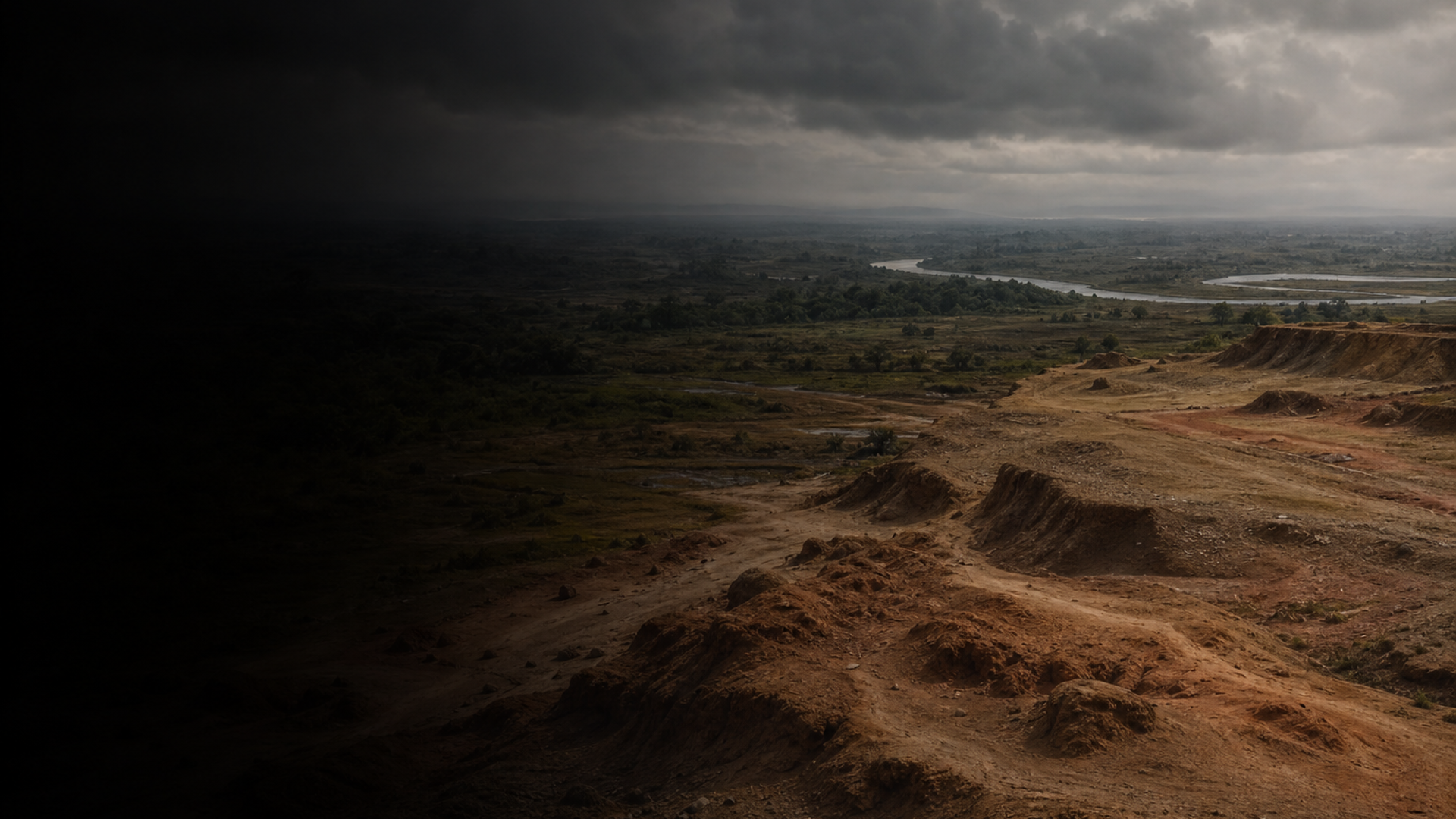
The Moraes individual dates to the Late Archaic / early Holocene transition in eastern Brazil (radiocarbon-calibrated range 3960–3714 BCE). Archaeological data from the broader region indicate dynamic landscapes — river valleys, floodplains, and coastal margins — where human groups adapted to shifting resources after the Pleistocene. At Moraes, surviving material culture is sparse in published summary data; the single ancient genome therefore becomes a luminous, if fragile, thread linking a single body to a wider human story.

Limited evidence suggests Moraes belonged to a network of small, mobile communities exploiting freshwater fish, riverine plants, and seasonally available resources. The site name (Moraes) and the label "Brazil 5,800 Years Ago" place this individual squarely in a period when local traditions were regionally diverse, and when social identities were formed through movement, exchange, and long‑standing biological lineages. Because only one individual has been sequenced, archaeological interpretation must remain cautious: settlement patterns, material culture variability, and social organization at Moraes are best inferred through analogy to better-documented nearby sites and through future fieldwork.

  • Single sequenced individual from Moraes dated 3960–3714 BCE
  • Context fits Late Archaic / early Holocene adaptations in eastern Brazil
  • Conclusions are provisional until more samples and excavation data appear

Daily Life & Society

Archaeological analogies across eastern Brazil suggest lifeways shaped by riverine and coastal ecologies: fishing, shellfishing, small‑game hunting, and gathering of tubers and fruits. Although direct excavation reports for Moraes are limited in the summary record provided, regional patterns allow cautious reconstruction of routine activities — tool production using locally available stone, seasonal camps, and mobility strategies tuned to wet‑season pulses and fish migrations.

Social life at Moraes likely folded kinship and practical cooperation into everyday tasks: sharing catches, maintaining hearths, and transmitting knowledge of edible plants and river cycles. Symbolic life — expressed through personal ornament, pigment use, or burial treatment — remains largely unknown for this site. The cinematic image of a small group moving along braided waterways at dawn is useful as an evocative heuristic, but must be balanced by the scientific humility that comes from scant archaeobotanical, faunal, and stratigraphic detail from Moraes itself.

  • Regional evidence points to fishing, gathering, and small-game hunting
  • Social organization likely centered on mobile kin groups and seasonal camps

Genetic Profile

Genetic data from Moraes currently comes from a single ancient individual whose mitochondrial DNA belongs to haplogroup D. Haplogroup D is one of the maternal lineages widely documented across the Americas and is associated with the pan‑American founding mtDNA pool; its presence at Moraes situates this person within those broad maternal ancestries that spread across the continent after initial migrations from Beringia.

Because only one sample is available, the genetic picture is fragmentary. No Y‑chromosome haplogroup is reported for this individual, so paternal ancestry remains unknown. With n=1, population‑level inferences — such as population continuity, migration routes, or demographic change — cannot be robustly tested. Nonetheless, the mitochondrial signal is valuable: it demonstrates that by ~5,800 years ago, maternal lineages connected to wider Native American diversity were present in eastern Brazil. Future sequencing of additional remains from Moraes and neighboring sites will be required to confirm whether this mtDNA type reflects a local common lineage, a transient individual, or part of a broader regional pattern.

  • mtDNA haplogroup D observed in the single sequenced individual
  • No Y-DNA reported; sample count (1) makes population conclusions preliminary

Legacy & Modern Connections

The Moraes genome offers a poignant, if solitary, bridge from 5,800 years ago to the living peoples of Brazil. Maternal ties represented by haplogroup D echo broader patterns seen across the Americas and may contribute to narratives of deep continuity in the region. However, archaeological continuity in material culture and a direct cultural lineage to any particular modern group cannot be assumed from a single ancient genome.

This discovery underscores the power and limits of ancient DNA: it can reveal genetic affinities that survive millennia, yet it cannot alone reconstruct the full tapestry of belief, language, and social practice. For Indigenous communities and scientists alike, Moraes is a starting point — a call for careful collaboration, more sampling, and contextual archaeology to illuminate how people lived, moved, and remembered in eastern Brazil.

  • mtDNA signal ties Moraes to pan‑American maternal lineages
  • Single sample highlights need for more data and community collaboration

مساعد الذكاء الاصطناعي

مساعد الذكاء الاصطناعي من DNA Genics

فتح هذه الميزة
اطرح أسئلة عن ثقافة Moraes at 5,800 Years. يمكن للمساعد شرح النتائج الجينية والسياق التاريخي والأدلة الأثرية والصلات بالعصر الحديث.
مثال على تحليل بالذكاء الاصطناعي

لمحة عن ثقافة Moraes at 5,800 Years

تساعد عينات الحمض النووي القديم الباحثين على دراسة أنماط الهجرة والعلاقات الجينية بين المجموعات السكانية القديمة.

هذه معاينة للتحليل. يتيح المساعد الكامل استكشاف الموضوعات التالية:

  • التركيب الجيني والأصول
  • أنماط الهجرة والأصول
  • الحياة اليومية والممارسات الثقافية
  • الإرث الجيني المعاصر