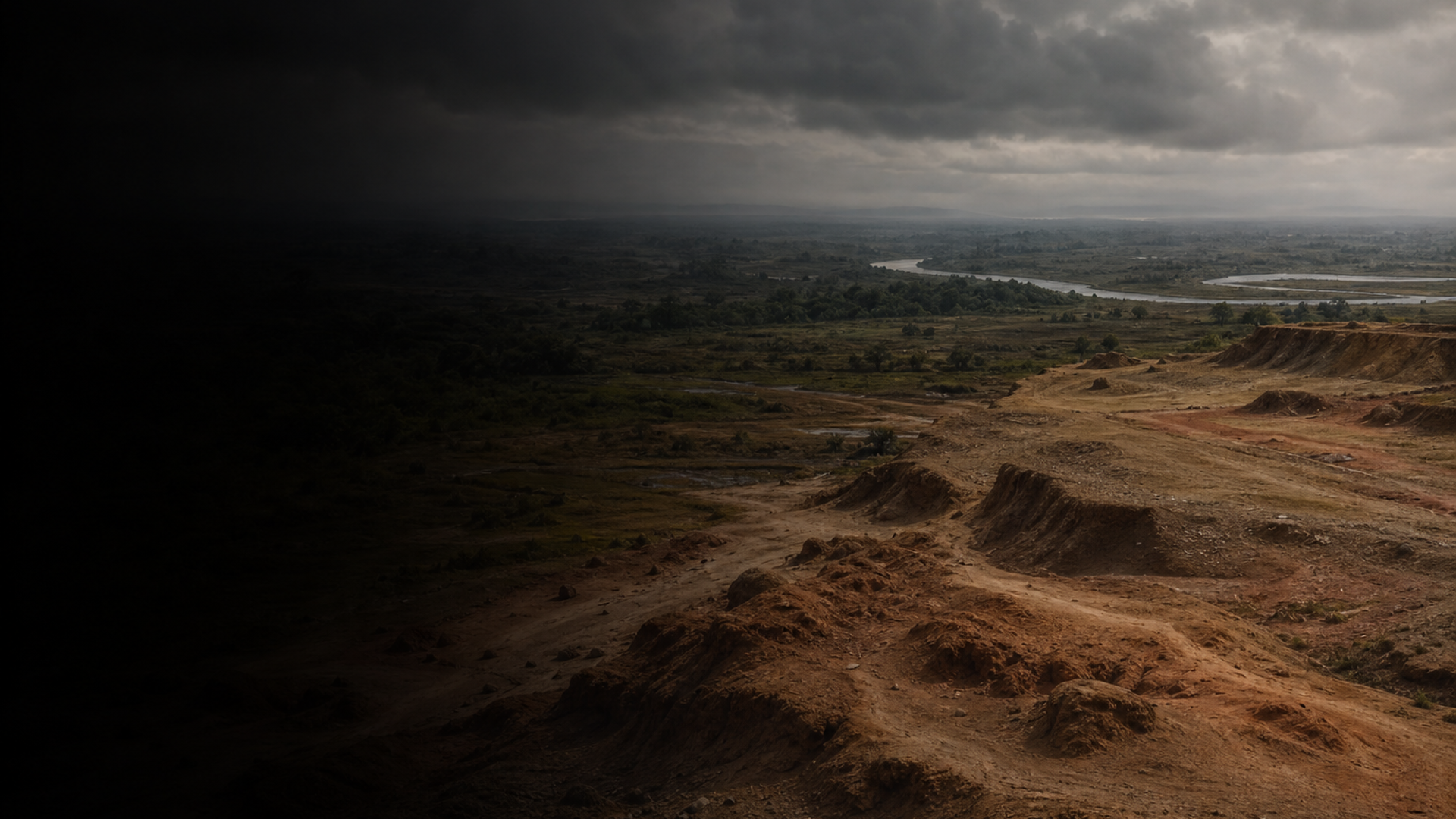
The Moraes individual dates to the Late Archaic / early Holocene transition in eastern Brazil (radiocarbon-calibrated range 3960–3714 BCE). Archaeological data from the broader region indicate dynamic landscapes — river valleys, floodplains, and coastal margins — where human groups adapted to shifting resources after the Pleistocene. At Moraes, surviving material culture is sparse in published summary data; the single ancient genome therefore becomes a luminous, if fragile, thread linking a single body to a wider human story.
Limited evidence suggests Moraes belonged to a network of small, mobile communities exploiting freshwater fish, riverine plants, and seasonally available resources. The site name (Moraes) and the label "Brazil 5,800 Years Ago" place this individual squarely in a period when local traditions were regionally diverse, and when social identities were formed through movement, exchange, and long‑standing biological lineages. Because only one individual has been sequenced, archaeological interpretation must remain cautious: settlement patterns, material culture variability, and social organization at Moraes are best inferred through analogy to better-documented nearby sites and through future fieldwork.