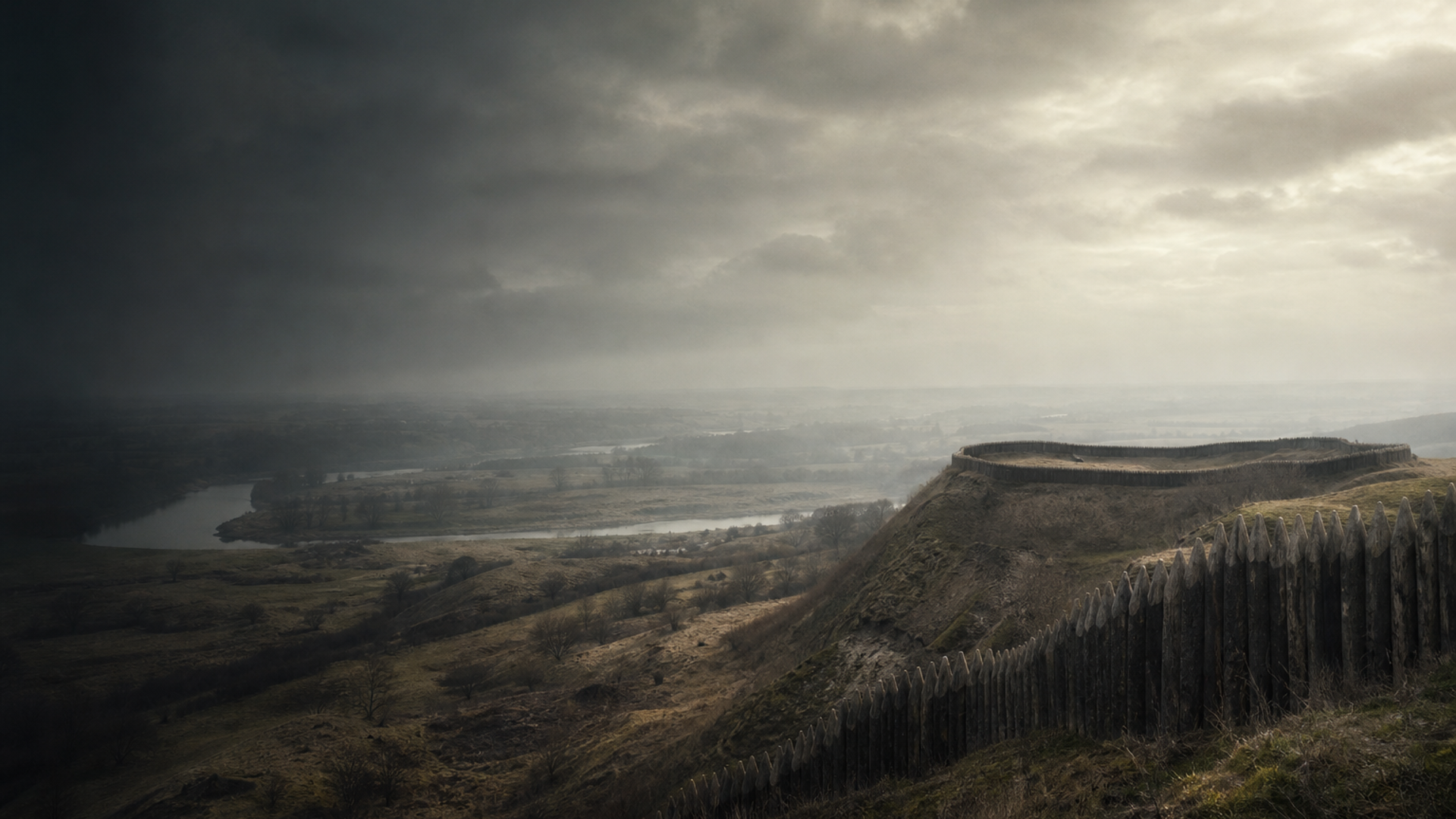
The material remains of Poznań between 1000 and 1200 CE paint a city of craft, faith, and movement. Stone foundations, timber buildings, and craft debris attest to specialized production—metalworking, leather, and textile work—while coin hoards and imported ceramics speak to long-distance exchange. Churches on Ostrów Tumski anchor the spiritual life; cemeteries adjacent to ecclesiastical sites reflect evolving burial practices with both furnished graves and modest interments.
Stratified midden deposits and pollen records indicate a mixed economy: agriculture in the hinterland, fishing on the Warta, and craft workshops within the urban core. Social differentiation is visible archaeologically through grave goods and the organization of space, though many households leave only subtle traces. Material culture suggests connections to Scandinavian, Germanic, and Slavic networks, consistent with Poznań's role as a regional hub.
Human remains, when considered with burial context, provide windows into health, diet, and mobility. Isotopic studies (where available) can detect childhood residence shifts and dietary breadth; combined with aDNA they help identify whether newcomers were biologically recent arrivals or locals who adopted new practices. Given the small number of genetic samples, these human stories remain provisional but evocative.