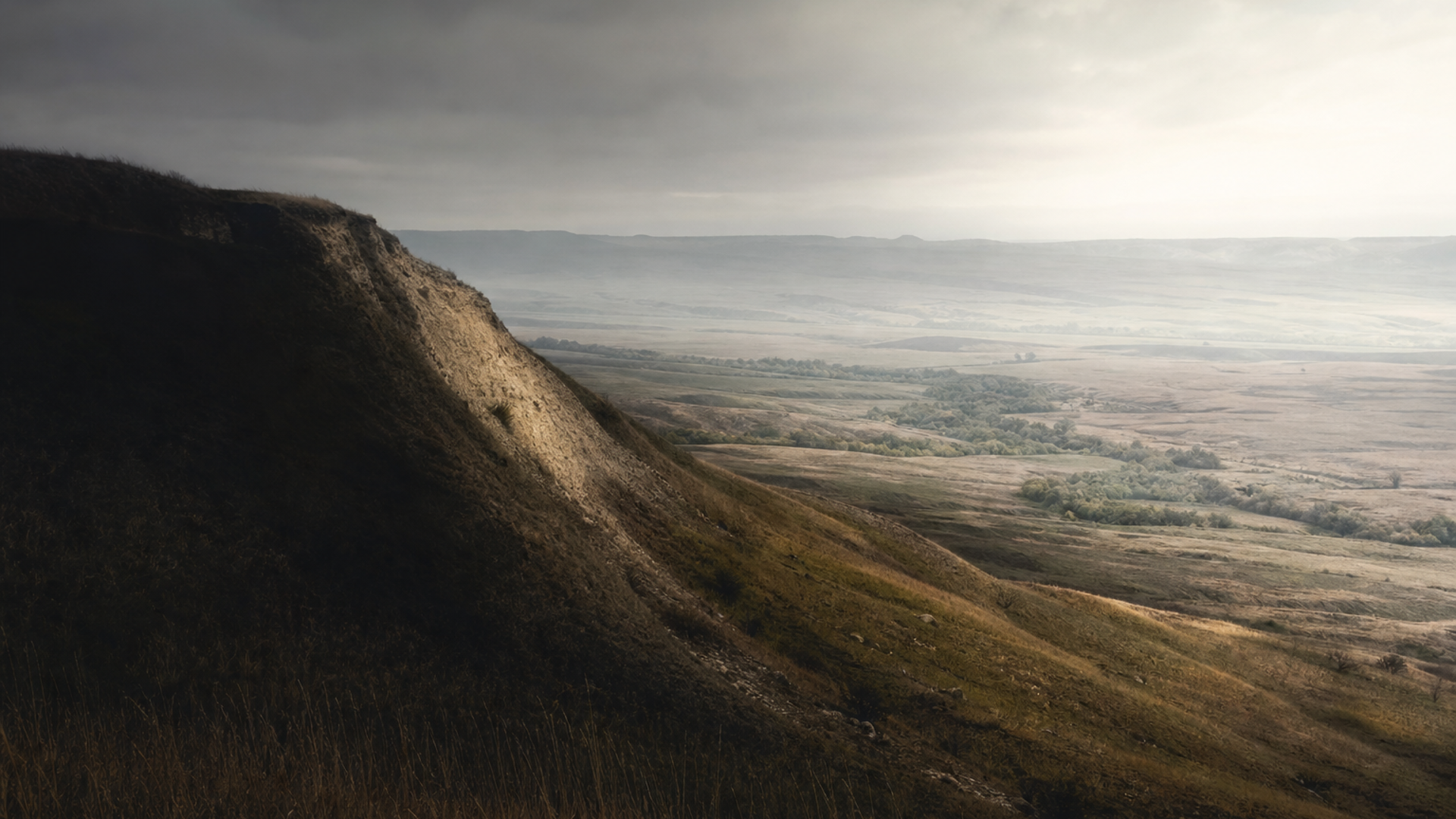
Archaeological traces from Golubaya‑Krinitsa evoke a life lived beside a wide river: seasonal fishing, wetland foraging, and small‑scale cultivation or herding are plausible activities inferred from the context of burials and nearby ecological zones. Burials often carry personal items and pottery, hinting at social distinctions expressed in mortuary practice rather than monumental architecture.
The archaeological record indicates communities of modest size, likely organized around extended family groups using the Don floodplain's rich resources. Craft specialization appears limited but present — pottery forms show regional styles and technical knowledge shared across sites. The burial rituals themselves, the way bodies were placed and accompanied, provide the clearest window into social memory and identity: gestures of care, repetition of form, and selective inclusion of goods suggest structured social roles and belief systems.
Environmentally, the middle Don would have provided reeds, fish, and seasonal game, enabling a mixed subsistence economy. Mobility probably combined local sedentism with regular movement along waterways for exchange, marriage, and resource procurement. Archaeological data indicates an intimate dialogue between people and river, where the Don shaped diet, ritual, and connectivity.