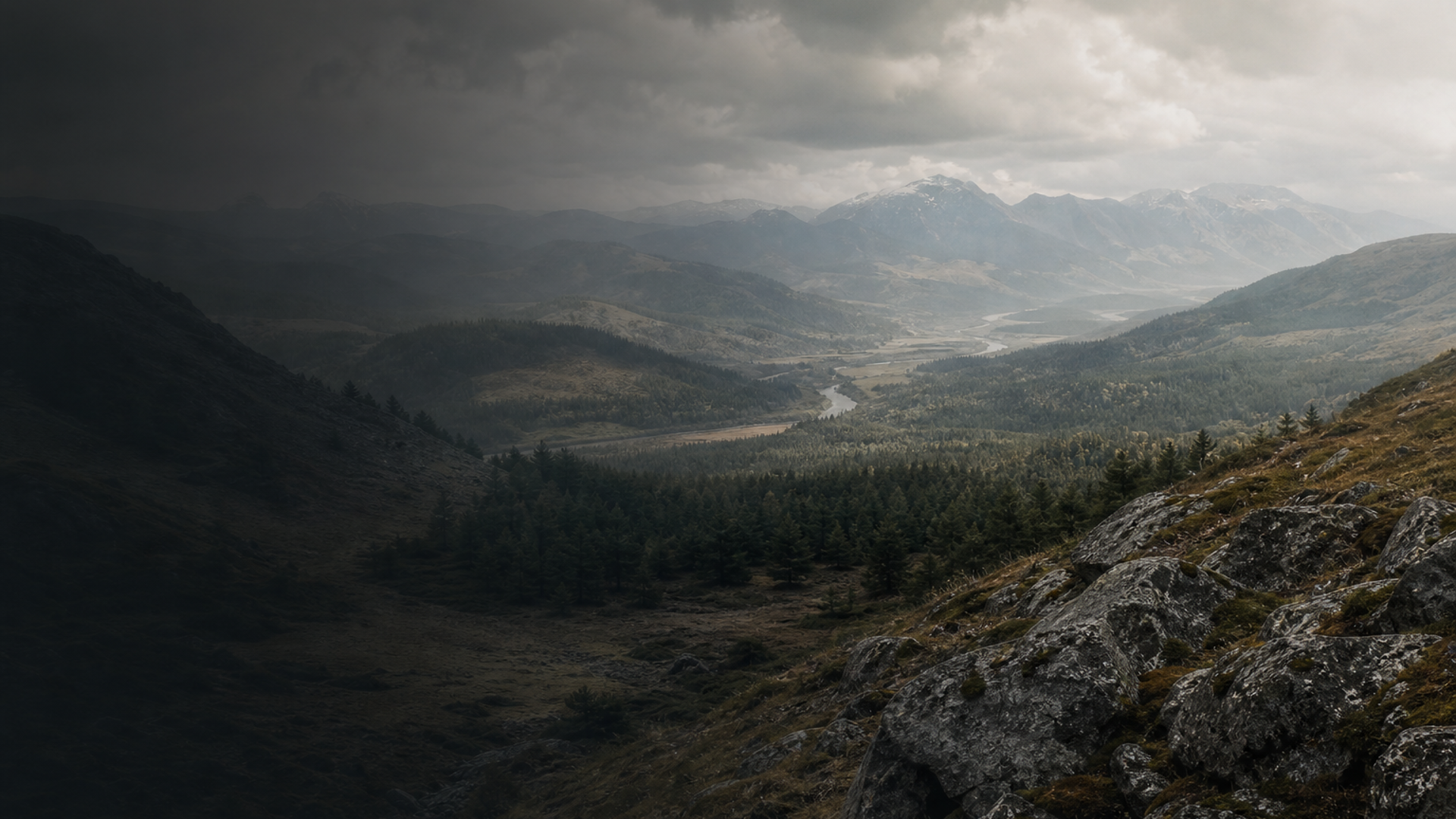
The landscape these people inhabited was cinematic—reeds whispering along lake margins, bronze glinting in the hands of smiths, and seasonal herds moving across upland pastures. Archaeological remains at Auvernier and Burgäschisee point to lakeside dwellings and economic reliance on mixed farming: cereals, pulses, cattle and caprines augmented by fishing and wild resources. Woodland management and charcoal production would have supported metallurgy and toolmaking.
Burials and funerary deposits vary across sites. Spreitenbach’s Corded Ware association suggests individual burials with grave goods, while other locales show more varied funerary treatment; some inhumations include metal objects or personal ornaments. Material culture—pottery styles, metal types and toolkits—reflects both persistent local traditions and imported influences, plausible evidence of trade along river routes and Alpine passes.
Social organization likely combined kin-based households with wider networks of exchange. The mix of Y- and mtDNA lineages (see Genetics) hints at mobility: men and women may have moved for marriage, work, or trade, but the archaeological record also preserves long-term residence at lakeside hubs. Remember that while objects and structures speak loudly, the human stories remain partially obscured: taphonomic loss, small cemetery samples, and uneven excavation histories limit full reconstruction.
Daily-life highlights:
- Mixed farming, herding, fishing and lake-edge crafts
- Metalworking present alongside long-lived domestic practices