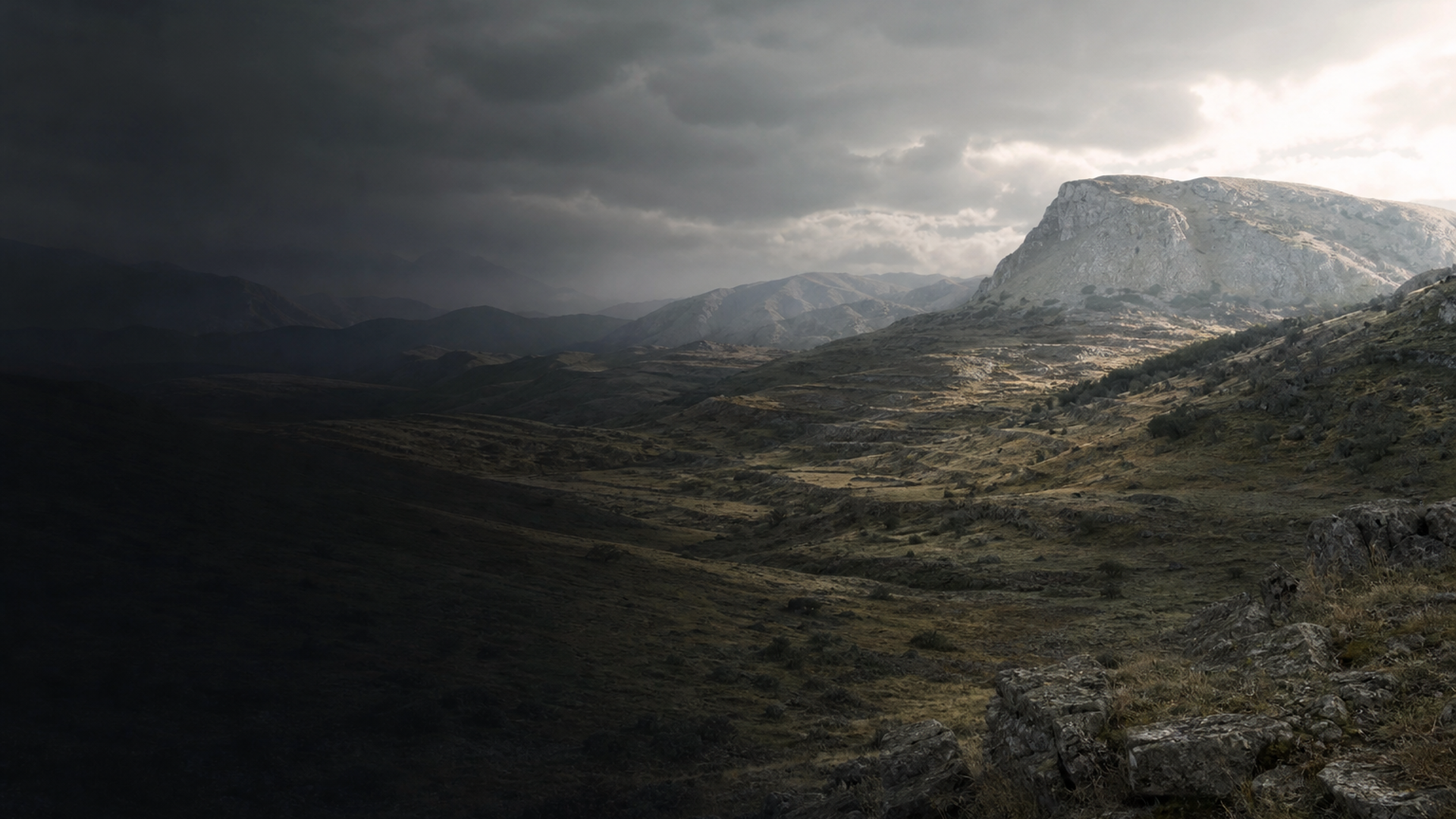
Archaeological indicators from comparable medieval Albanian rural sites point to mixed subsistence economies: small-scale agriculture, pastoralism, and localized craft production. In the upland Kolonja Plateau and the rugged Kukës highlands, seasonal movement of flocks and reliance on valley agriculture would have structured daily life. Burial placement and grave goods (when present at similar sites) often reflect household-based social units rather than grand elite display, suggesting communities where kin groups and agrarian rhythms dominated social organization.
For these specific burials, contextual information—such as grave position, associated artifacts, or signs of trauma or pathology—can deepen interpretation, but in many cases the archaeological record is fragmentary. Archaeologists emphasize multifaceted evidence: landscape surveys, architecture traces, and small finds together reconstruct lived experience. The social world of early medieval Albania was dynamic, shaped by local traditions and occasional long-distance contacts across mountain passes and river valleys, which would have affected trade, marriage networks, and cultural expression.