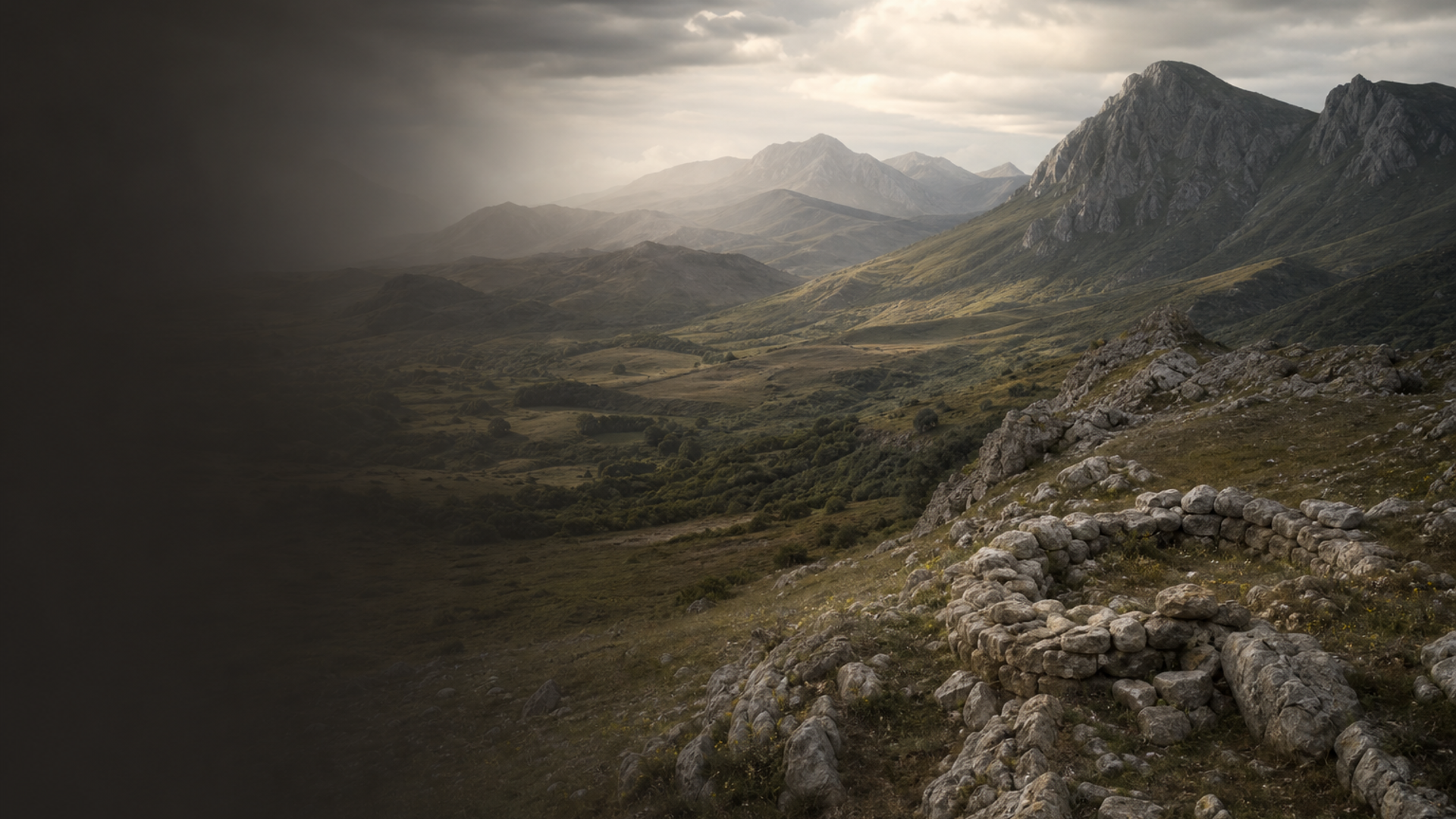
Fragments of pottery, worked metal, and burial architecture paint an evocative scene of everyday life and social display. In coastal Castellón, tumulus burials suggest families or lineages invested resources in visible monuments, while cave interments in Asturias reflect different ritual choices where natural cavities framed memory and ancestry. El Sotillo burials in Álava occupy a landscape of vine terraces and hillocks that would later be dotted with fortified sites.
Economically, these communities likely combined agriculture, pastoralism, and specialized crafts. Metalworking and exchange of prestige items point to networks reaching across Iberia and toward the western Mediterranean. Social life would have been organized around kin groups and seasonal cycles; grave goods imply social differentiation but not rigid urban hierarchies. Ethnographic analogy and archaeological context together suggest households negotiating identity through burial practice, object exchange, and landscape placement.
Because organic and settlement evidence from these specific sites is limited, reconstructions of diet, household size, and craft specialization rely on regional parallels. Archaeological data indicates a world where daily survival, ritual performance, and long-distance ties were interwoven.