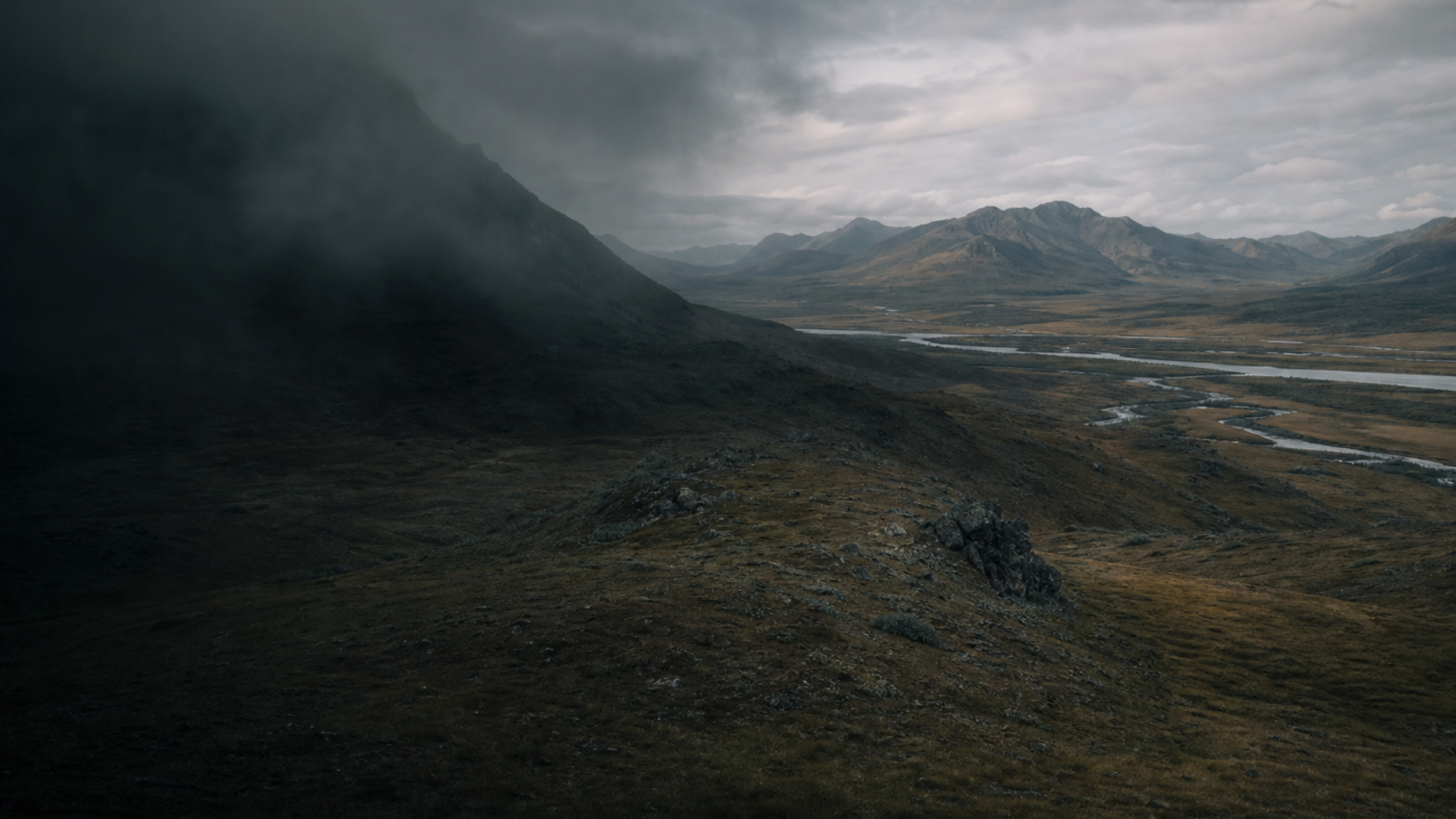
Archaeological traces from the western interior of Alaska suggest a rhythm of life tuned to the tides of resource availability. At sites like Tochak McGrath, features interpreted as hearths and small house depressions imply households that vacated and reoccupied locations on a seasonal schedule. Material traces—flakes from stone tool production, fragments of bone working, and dispersed organic remains—indicate subsistence that combined fishing (notably salmon runs where they occurred), riverine and floodplain fish, seasonal mammals (including caribou when ranges permitted), and gathered plant foods.
Social organization likely centered on small kin groups with flexible alliances. River corridors served as highways: they connected distant winter camps, hunting territories, and exchange routes. Archaeological indicators of long-distance raw material movement—obsidian or lithic types distinct from local stone—have been documented regionally and point to wider social networks, though specific evidence at Tochak McGrath is limited.
Material culture would have been practical and mobile: lightweight projectile points, bone and antler implements, and organic containers and textiles (rarely preserved) used for carrying and storage. Seasonal cycles—spring fish runs, summer berry harvests, autumn hunting—would have shaped ceremonies and social rhythms, even if the archaeological signal is subtle. Overall, the material record paints a picture of resilient adaptations in a demanding subarctic environment.