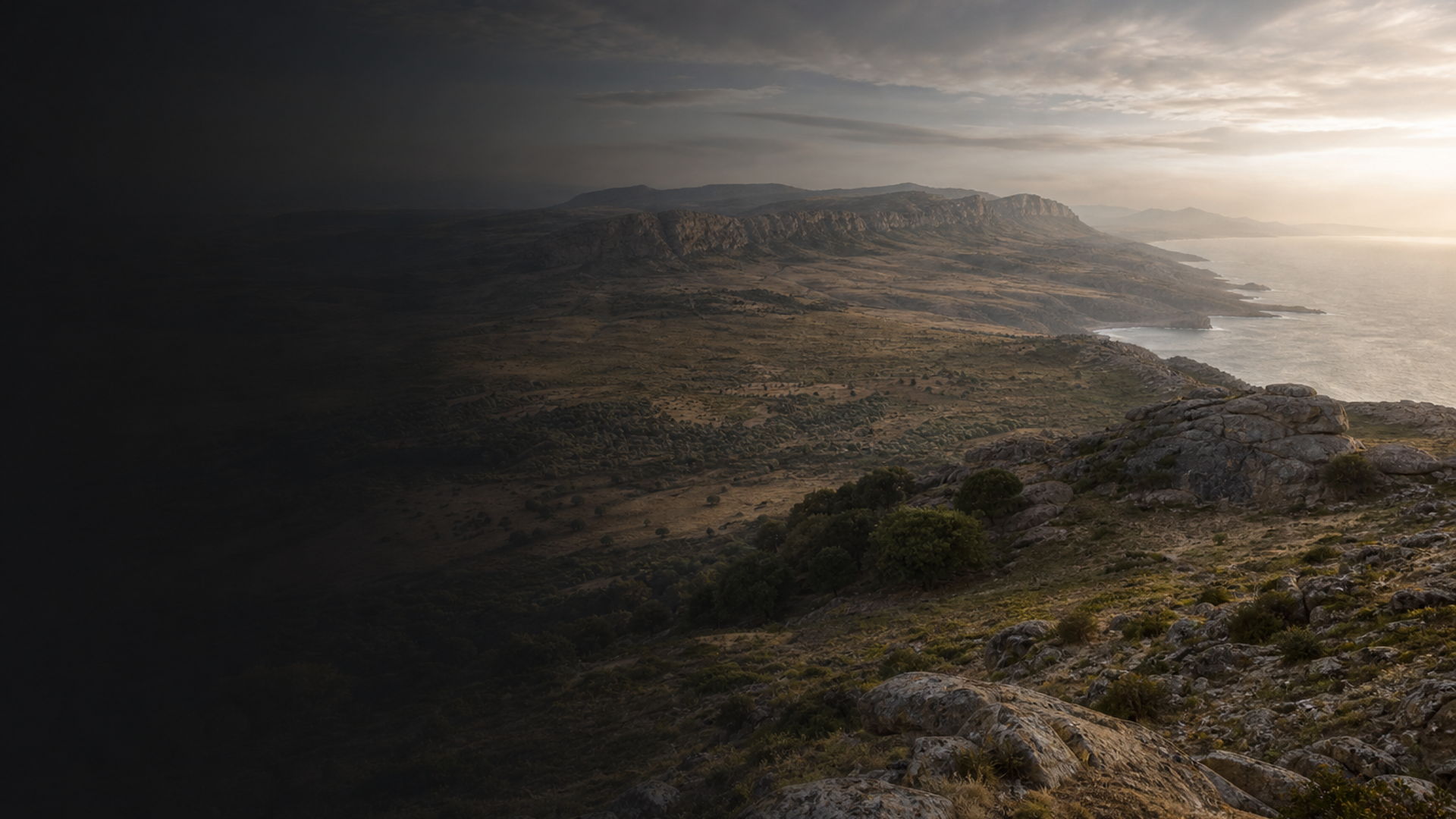
Daily life for Spain_MLN communities unfolded in an interplay of cultivated fields, herds, and the sea. Archaeobotanical and faunal remains from stratified contexts indicate cultivation of cereals and pulse crops, and herding of sheep, goats, and cattle. Coastal sites such as Campo de Hockey preserve shells, fish bones, and fish‑processing debris, signaling regular exploitation of marine resources alongside farming.
Habitations ranged from small open settlements to cave occupations used as living spaces or mortuary places; cave burials and ossuary practices at sites like La Coveta Emparetà and Cova de la Guineu reveal how ritual and ancestry were physically embodied. Pottery styles show regional varieties, often decorated and used for cooking and storage — objects that tell stories of domestic routines and identity.
Social organization likely remained community‑oriented and fluid: archaeological traces suggest kin groups managing land, seasonal resource collection, and localized exchange of goods such as polished stone axes or marine shell ornaments. While monumental megalithism becomes more visible later in Iberia, the seeds of long‑distance connection are present in traded items and shared ceramic motifs.