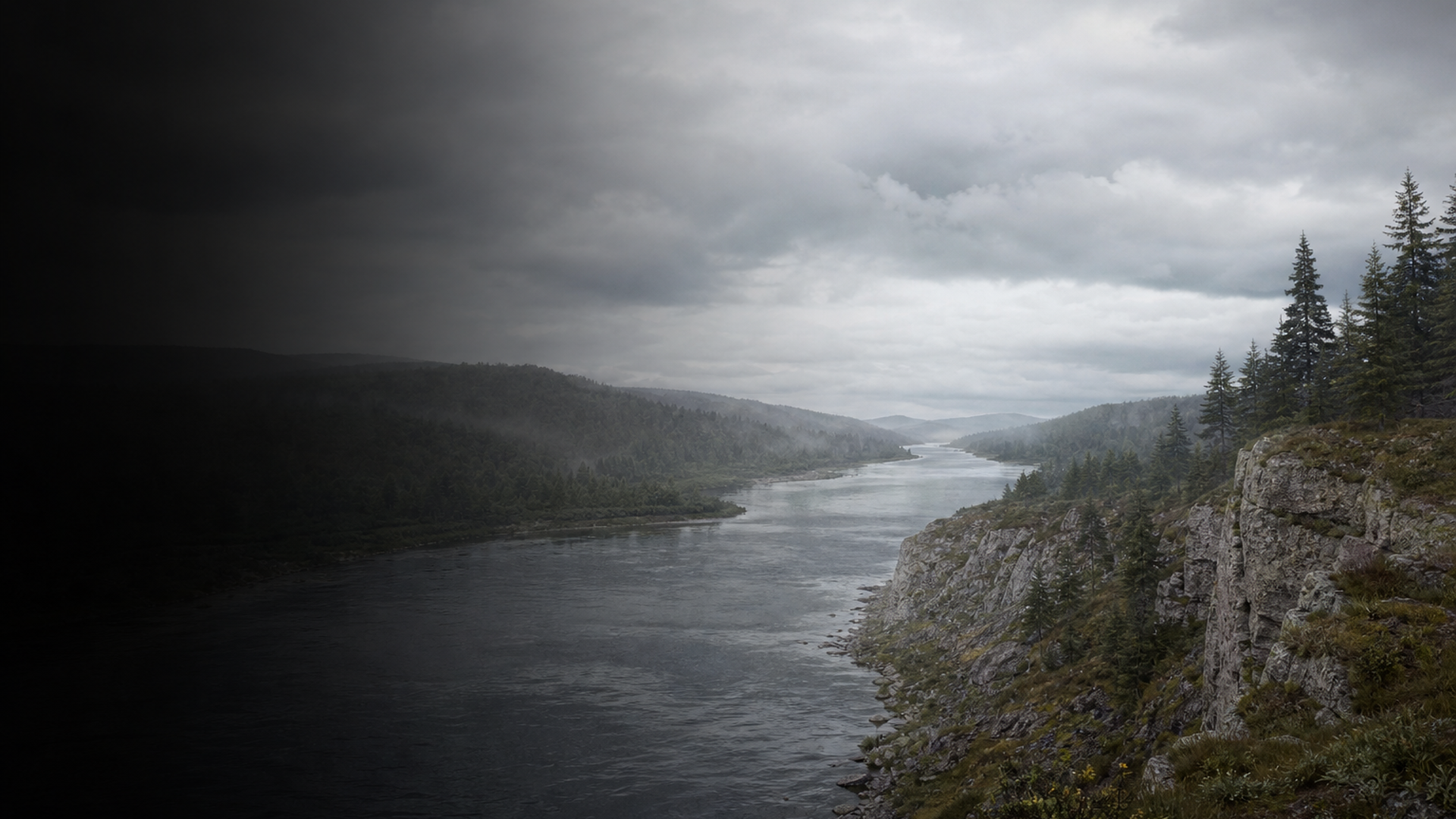
The material world around Old Mission Point would have been shaped by the river and sea: Atlantic salmon runs, anadromous fish, shellfish beds, and migratory birds provided predictable seasonal resources. Archaeological traces across the Maritimes — middens, hearths, bone tools and chipped stone — suggest activities such as fish-netting, weir construction, drying and smoke-curing of fish, and shellfish harvesting. Wooden technologies (canoes, traps) and perishable structures leave faint signatures, so archaeologists infer them from toolkits and site location.
Social life likely revolved around kin-based camps and seasonal gatherings for resource exchange and craft specialization. Long-distance exchange networks connected river valleys to coastal and interior zones; stone raw materials and marine products moved along these pathways. Material culture patterns imply flexible mobility tuned to ecological cycles rather than large, permanent settlements.
Archaeological data indicates varied household sizes and a landscape of repeated occupation. However, the direct association of the single genetic sample with particular household or community practices is speculative. Ethnohistoric and oral traditions, combined with more archaeological sampling, provide the best route to understand lived experience in the 13th century Restigouche.