部门背景
mtDNA 谱系分支 L3E2B1A 的历史背景
Origins and Evolution
L3E2B1A is a downstream subclade of L3E2B1 and therefore sits within the larger African L3 maternal radiation that characterizes much of sub-Saharan maternal diversity after the Out-of-Africa expansions. Based on the position of L3E2B1 in the phylogeny and the archaeological-demographic history of West/Central Africa, L3E2B1A most likely arose in the Late Holocene (roughly 2–4 kya) as a local diversification of L3E2B1. Its emergence postdates the primary L3 radiation and corresponds with periods of increasing regional population structure and cultural change in West and Central Africa.
Subclades (if applicable)
At present L3E2B1A is considered a terminal or low-diversity branch within L3E2B1 in published population surveys and databases; documented internal substructure is limited compared with older African mtDNA clades. Localized sequence variants and private lineages exist within populations, reflecting recent demographic events (founder effects, localized expansions, and admixture). Future high-resolution mitogenome sequencing in understudied West/Central African groups may reveal additional internal subclades or refine the topology and age estimates for L3E2B1A.
Geographical Distribution
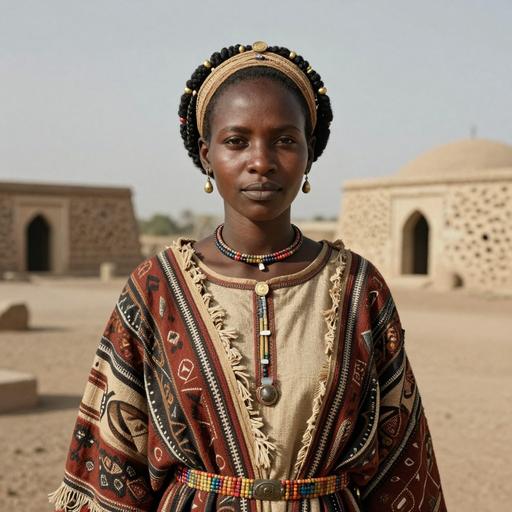
L3E2B1A is concentrated in West and Central Africa, with highest frequencies and diversity reported among groups in present-day Nigeria, Ghana, Cameroon, and neighboring regions. It is commonly observed among Yoruba and other West African groups, present among Central African rainforest populations (including some groups historically associated with Pygmy/Mbuti communities), and found across many Bantu-speaking populations due to Holocene demographic expansions. Lower-frequency occurrences are recorded in coastal East African groups, southern African Bantu populations, and among African-descended populations in the Americas and Caribbean—reflecting historical translocations during the transatlantic slave trade. Very low-frequency occurrences in North Africa and the Near East likely reflect recent historical gene flow rather than deep presence in those regions.
Historical and Cultural Significance
The geographic and temporal profile of L3E2B1A ties it to several important demographic processes in sub-Saharan Africa. Its diversification timing overlaps with the period of increasing sedentism, the spread of iron technology and complex societies in West Africa (e.g., regional Iron Age phenomena), and the Bantu expansions that redistributed many maternal lineages across Central, Eastern, and Southern Africa. In the last 500 years, the transatlantic slave trade exported West/Central African maternal lineages, including L3E2B1A, to the Americas and the Caribbean, where they persist in African diaspora populations. In population-genetic studies, the presence of L3E2B1A can therefore signal West/Central African maternal ancestry and can help trace recent historical migrations and admixture events.
Conclusion
L3E2B1A is a relatively young, regionally focused mtDNA lineage that illustrates how Holocene social and demographic processes shaped maternal genetic diversity in West and Central Africa. While not one of the deepest African mtDNA branches, it is valuable for reconstructing recent maternal population history, internal substructure within West/Central Africa, and contributions of those regions to the genetic makeup of the African diaspora. Continued mitogenome sequencing in under-sampled African populations will improve resolution of its internal structure and refine its chronology and dispersal pathways.
关键点
- Origins and Evolution
- Subclades (if applicable)
- Geographical Distribution
- Historical and Cultural Significance
- Conclusion