部门背景
mtDNA 谱系分支 L5A1B 的历史背景
Origins and Evolution
L5A1B is a downstream branch of mtDNA haplogroup L5A1, itself part of the deeper African lineage L5. Based on the phylogenetic position of L5A1B relative to L5A1 and on comparative coalescent estimates for nearby L-lineages, L5A1B most likely emerged in the Early Holocene (roughly ~8 kya) within an East to Central African geographic zone. Its emergence is consistent with population continuity among rainforest foragers and neighboring East African groups after the Pleistocene-Holocene transition. The lineage carries private mutations that distinguish it from other L5A1 subclades and appears to have remained at low to moderate frequency, suggesting persistence in relatively small, regionally structured maternal populations rather than a large demographic expansion.
Subclades
At present, L5A1B is represented by a small number of identifiable downstream branches. Compared with some more widely distributed African haplogroups (e.g., L0, L2, L3), L5A1B shows limited internal diversification in published datasets, implying either a more recent origin or long-term small effective population sizes in the communities where it persists. Where deeper resolution exists, sub-branches tend to be geographically localized and often occur as private or near-private lineages within specific rainforest forager groups and a few East African populations.
Geographical Distribution
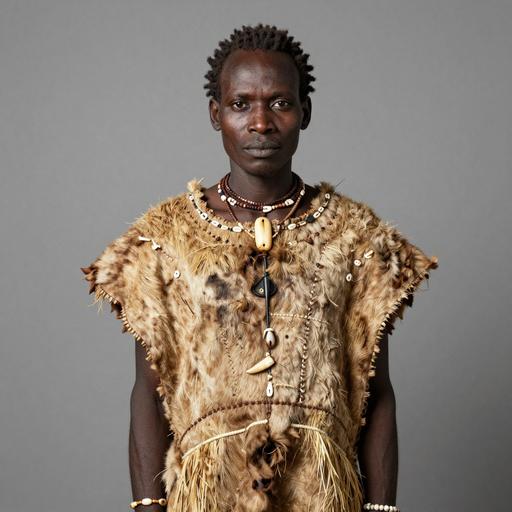
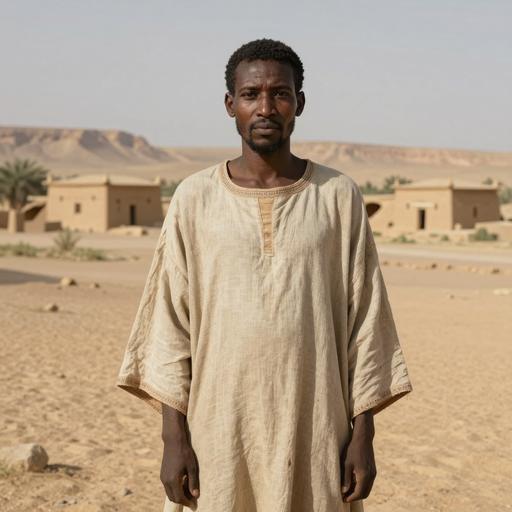
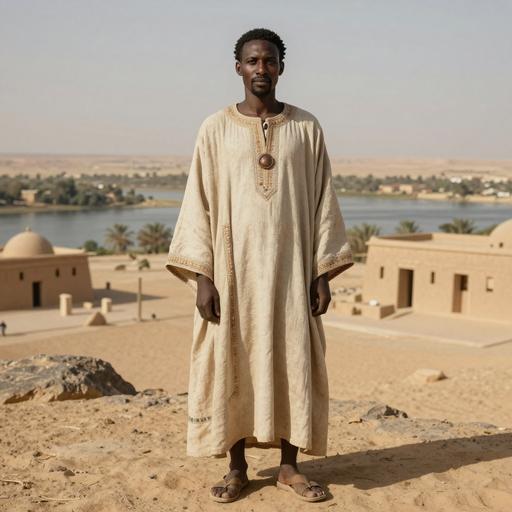
The geographic footprint of L5A1B is concentrated in Central African rainforest populations and extends into parts of East Africa at low frequency. Modern occurrences are most consistently reported among Central African hunter-gatherer groups (for example Mbuti, Biaka, and Baka), while sporadic or low-frequency occurrences have been reported in East African groups such as Hadza and some highland populations (Oromo, Amhara). The haplogroup is also detectable at trace levels in the African diaspora in the Americas as a consequence of historical trans-Atlantic movements.
Historical and Cultural Significance
L5A1B's distribution and demographic profile align with long-term maternal continuity among rainforest foragers and localized gene flow with neighboring agriculturalist and pastoralist groups. Its presence in both Central African foragers and some East African populations suggests contacts (gene flow) along ecological corridors or through small-scale mobility networks during the Holocene. Although not associated with a pan-regional archaeological culture in the way some Eurasian haplogroups map onto archaeological complexes, L5A1B is informative for reconstructing micro-scale demographic histories, the persistence of hunter-gatherer maternal lineages, and interactions between foragers and early food producers in sub-Saharan Africa.
Conclusion
L5A1B is a small, regionally restricted mtDNA subclade that illustrates the deep maternal structure within sub-Saharan Africa. Its early Holocene origin, limited diversification, and concentration in Central African rainforest forager groups (with low-level presence in East African populations and in the African diaspora) make it a useful marker for studies of local continuity, population substructure, and gene flow in Africa during the Holocene. Continued sampling and higher-resolution mitogenomes from both modern and ancient remains will refine the internal topology and timing of demographic events affecting L5A1B.
关键点
- Origins and Evolution
- Subclades
- Geographical Distribution
- Historical and Cultural Significance
- Conclusion