部门背景
mtDNA 谱系分支 U6B 的历史背景
Origins and Evolution
Haplogroup U6B is a downstream branch of the broader maternal lineage U6, itself thought to represent a Paleolithic backflow into North Africa from Eurasia. While the basal U6 node dates to the Upper Paleolithic, U6B appears to be a younger clade that likely diversified during the Late Glacial to early Holocene (estimated here at roughly ~12 kya), reflecting post‑glacial demographic increases and regional differentiation in the Maghreb. The timing places U6B's origin after the main U6 split, consistent with localized expansion within Northwest Africa and secondary spread into adjacent regions.
Subclades (if applicable)
U6B includes internal diversity with regional sublineages that have been observed at low to moderate frequencies in population surveys and ancient DNA studies. Some descendant lineages of U6 (for example, the well documented U6b1) are highly localized (notably in the Canary Islands), and U6B as used in phylogenies may encompass branches that show geographic structure — coastal vs. inland Maghrebi lineages, and those shared with Iberia. Detailed subclade resolution requires full mitogenome sequencing because control‑region screening underestimates internal diversity.
Geographical Distribution
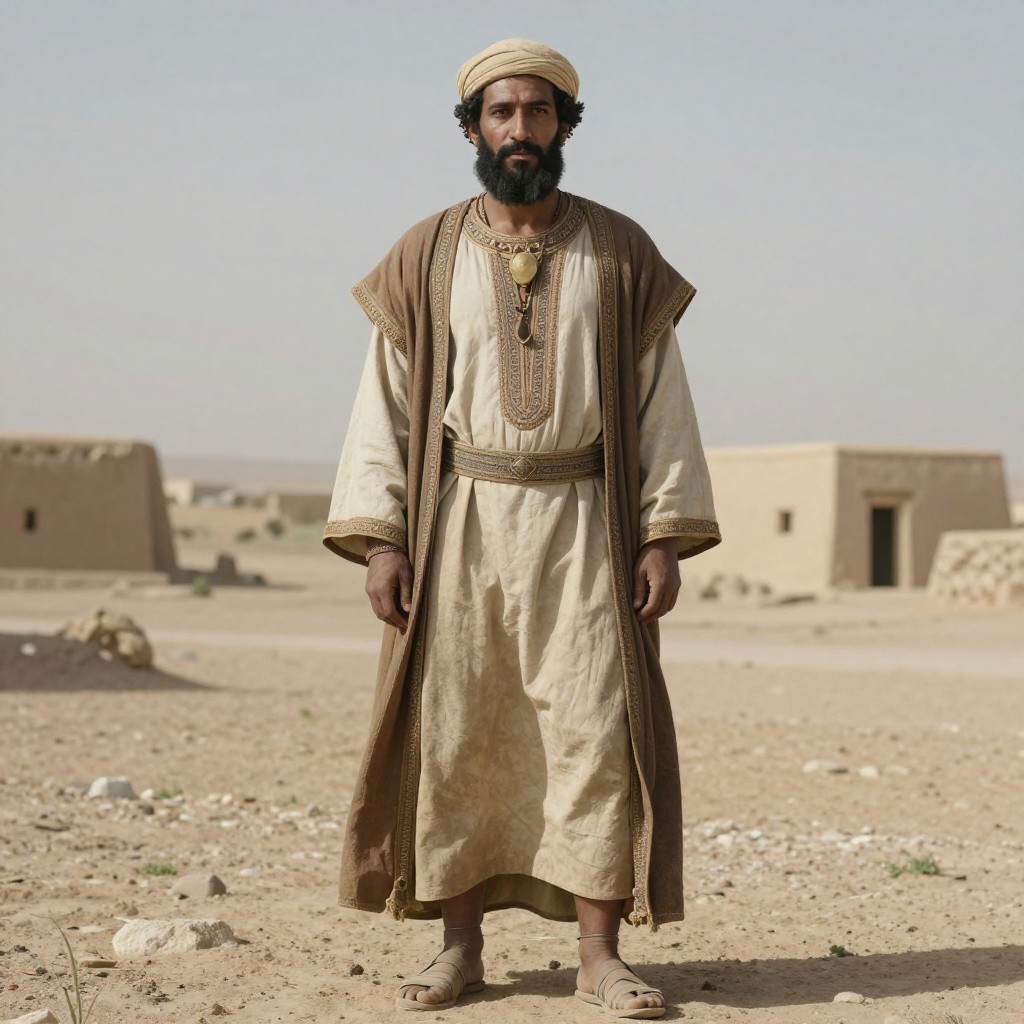
The highest frequencies and greatest diversity of U6B and closely related U6 branches are found in Northwest Africa (the Maghreb), particularly among Amazigh (Berber) groups of Morocco and Algeria. Secondary occurrences are recorded in the Canary Islands (via historically derived founder lineages), and at lower but notable frequencies in southern Iberia (Andalusia and Portugal), reflecting prehistoric and historic cross‑Mediterranean contacts. Small proportions of U6B lineages are also found in other parts of North Africa (Tunisia, Libya) and in modern diasporas in Western Europe.
Historical and Cultural Significance
U6B's distribution is informative for reconstructing Holocene population movements in the western Mediterranean. The presence of U6 lineages in Iberia and the Canary Islands has been interpreted as evidence of ancient maritime links and later historical movements (Phoenician, Roman, medieval Islamic expansions), as well as earlier postglacial contacts across the Strait of Gibraltar. Archaeogenetic data suggest that U6 clades were part of the maternal pool of Epipaleolithic (Iberomaurusian/Capsian‑associated) and later Neolithic North African populations; U6B specifically likely participated in local expansions tied to climatic amelioration and the spread of Neolithic lifestyle elements in the region. In historical times, founder effects (e.g., in the Canary Islands) and continuing gene flow have shaped its modern distribution.
Conclusion
U6B is a regionally important mtDNA clade that helps trace maternal ancestry in the Maghreb and the western Mediterranean. Its inferred Late Glacial–early Holocene origin, Maghrebi concentration, and presence in Iberia and the Canary Islands make it a useful marker for studies of North African population history, prehistoric trans‑Mediterranean contact, and the peopling of Macaronesia. High‑resolution mitogenome sequencing and more extensive ancient DNA sampling are the best paths to refine its internal topology and precise dates.
关键点
- Origins and Evolution
- Subclades (if applicable)
- Geographical Distribution
- Historical and Cultural Significance
- Conclusion