Aonikenk of Magallanes

下载的 PDF 是图像副本。如需可选中文本及更好的辅助技术支持,请使用打印功能。

Aonikenk of Magallanes

揭开一个失落的文明

正在加载考古记录……

正在收集古代记录

跳转到主内容
Aonikenk of Magallanes
文明焦点

Aonikenk of Magallanes

A single ancient genome from Cerro Johnny links archaeology and ancestry in southern Chile

141 CE - 1631 CE
Magallanes, Southern Chile (Cerro Johnny)
滚动开始
Chapter I

剧情

了解 Aonikenk of Magallanes 文化

One genome from Cerro Johnny (Magallanes, Chile) dated between 141–1631 CE provides a tantalizing glimpse of Aonikenk lifeways. Archaeological data and DNA (Y Q, mtDNA D) hint at continuity with Southern Cone populations; conclusions remain preliminary (n=1).

Time Period

141–1631 CE (sample range)

Region

Magallanes, Southern Chile (Cerro Johnny)

Common Y-DNA

Q (1 sample)

Common mtDNA

D (1 sample)

Chapter II

时间线

这种文化历史上的关键时刻

10000 BCE

Early peopling of the Southern Cone

Mobile hunter-gatherer groups spread into Patagonia and Tierra del Fuego, establishing the deep-time backdrop for later Aonikenk societies.

1500 CE

Cerro Johnny occupation (sample window)

The individual sampled at Cerro Johnny dates within this late precontact to early-contact window (141–1631 CE), offering a genomic snapshot of Magallanes ancestry.

Chapter III

Origins & Emergence

The Aonikenk peoples of the Magallanes region occupy the wind-swept edges of the Southern Cone in both archaeological imagination and material remains. Archaeological data from sites across Tierra del Fuego and continental Patagonia indicate long-term hunter-gatherer occupations with adaptations to cold, open landscapes. Cerro Johnny, on the mainland of Magallanes, produced the single genome in this study dated between 141 and 1631 CE — a late Holocene window that sits within the broader Aonikenk cultural horizon.

Limited evidence suggests Aonikenk groups maintained mobile lifeways oriented around guanaco hunting, seasonal camps, and coastal foraging, though regional variation was substantial. Material culture—stone tools, bone implements, and ephemeral hearths—anchors them to a deep prehistory connected to earlier Southern Cone populations. Genetic continuity with earlier migrants to South America is plausible, but with only one sampled individual the pattern remains tentative. Archaeological context at Cerro Johnny provides the cultural frame; the ancient DNA offers a single thread that must be woven cautiously into the larger tapestry of southern prehistory.

  • Single genome from Cerro Johnny, Magallanes (141–1631 CE)
  • Archaeology indicates mobile hunter-gatherer settlements across Patagonia
  • Conclusions about origins are provisional given n=1
Chapter IV

Daily Life & Society

Painted against ice-driven winds and open steppe, Aonikenk daily life was likely shaped by mobility, intimate ecological knowledge, and small social networks. Archaeological traces—lightweight stone toolkit fragments, bone points, and ephemeral hearth features—suggest short-term camps used seasonally for hunting and processing guanaco and marine resources. Clothing and technology inferred from ethnographic analogy and regional finds emphasize tailored skins and gear for cold conditions.

Social organization was probably fluid: small bands that aggregated and dispersed with resource availability. Ceremonial life and belief systems are poorly preserved at Cerro Johnny, so interpretations rely on broader regional patterns and Indigenous oral histories from later periods. Archaeobotanical preservation is limited in Magallanes, so plant use remains under-documented. In short, the archaeological record paints an image of resilient, adaptive communities whose material footprint is sparse but rich in behavioral signal.

  • Seasonal mobility and small-band organization inferred from site evidence
  • Material culture dominated by portable stone and bone implements
Chapter V

Genetic Profile

The Cerro Johnny individual carries Y-chromosome haplogroup Q and mitochondrial haplogroup D — lineages commonly observed in Indigenous populations across the Americas. Haplogroup Q on the Y-chromosome is a recurring signal among Native American male lineages, while mtDNA D sits within the set of founding maternal lineages identified throughout South America. These assignments are consistent with deep ancestry stemming from Pleistocene and early Holocene peopling of the continent.

However, the genetic picture from this locus is necessarily limited. With a sample count of one, population-level inferences (such as continuity, admixture, or microevolutionary change) are highly provisional. Archaeogenetic comparisons to other Southern Cone samples suggest regional affinities but also underscore heterogeneity: coastal, steppe, and Fuegian groups show both shared ancestry and localized differentiation. Future sampling from Cerro Johnny and neighboring sites in Magallanes would be required to test hypotheses about migrations, demographic stability, and contact dynamics. For now, the DNA from Cerro Johnny provides a single, evocative data point that dovetails with archaeological interpretations but stops short of definitive population history.

  • Y-haplogroup Q and mt-haplogroup D align with broader Native American lineages
  • Single-sample (n=1) status makes population-level conclusions preliminary
Chapter VI

Legacy & Modern Connections

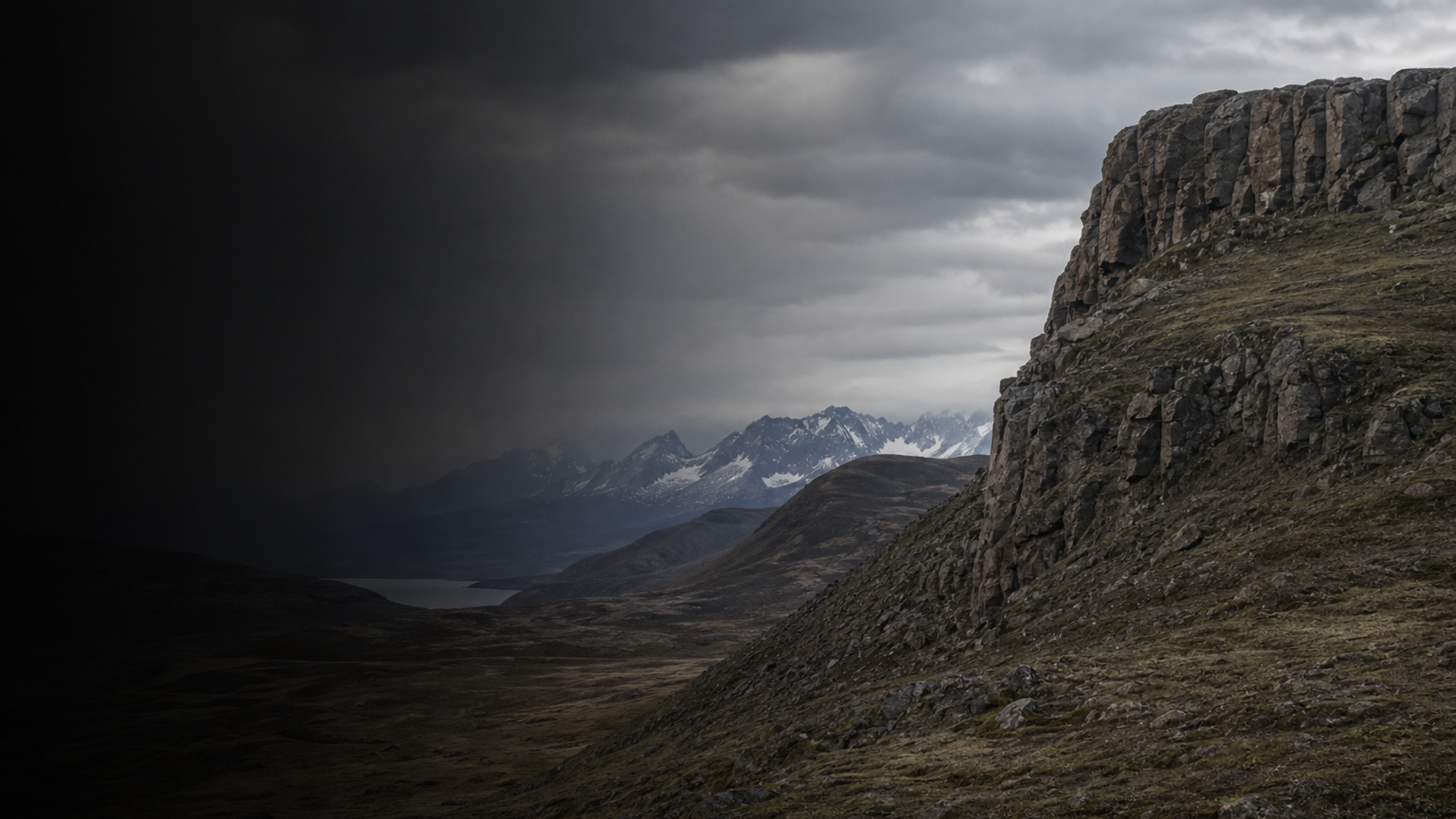
The Cerro Johnny genome ties a human presence to the landscapes of Magallanes and invites reflection on continuity between past and present Indigenous communities. Archaeological continuity in tool forms and foraging strategies, together with genetic markers common across the Southern Cone, suggest threads of ancestry that reach into modern populations—though the strength and direction of those threads require more data.

Respectful engagement with descendant communities, expanded ancient DNA sampling, and integrated archaeological research are crucial to transform this solitary signal into a robust narrative. Until then, the legacy of the Aonikenk at Cerro Johnny remains a powerful reminder of lives adapted to extreme environments, preserved in bone, stone, and a single genome that links past peoples to the genetic landscape of Chile today.
  • DNA hints at ancestral ties to broader Southern Cone populations
  • Further sampling and collaboration with descendant communities are essential
AI 电源

AI 助手

就 Aonikenk of Magallanes 文化提问

AI 助手 由DNAGENICS公司制作

解锁此特性
Ask questions about the Aonikenk of Magallanes culture. Our AI assistant can explain genetic findings, historical context, archaeological evidence, and modern connections.

AI 样本分析

Aonikenk of Magallanes 文化是人类历史中值得了解的一章……

遗传分析揭示了与早期种群的联系,同时显示了独特的适应和文化创新的证据。 古代DNA样本提供了对迁徙模式、社会结构以及古代种群之间的生物关系的深刻见解。

这是人工智能分析的预览。 解锁全AI 助手, 以探索关于:

  • 遗传组成和祖先
  • 移徙模式和起源
  • 日常生活和文化习俗
  • 现代遗传遗产

探索更古老的文化

揭开古代世界文明的故事

使用优惠码 可减免 35% • 11月12日 到期




