Aube Iron Age Echoes

下载的 PDF 是图像副本。如需可选中文本及更好的辅助技术支持,请使用打印功能。

Aube Iron Age Echoes

揭开一个失落的文明

正在加载考古记录……

正在收集古代记录

跳转到主内容
Aube Iron Age Echoes
文明焦点

Aube Iron Age Echoes

Archaeology and ancient DNA from Aube river valleys (750–200 BCE)

750 CE - 200 BCE
Grand Est (Aube), France
滚动开始
Chapter I

剧情

了解 Aube Iron Age Echoes 文化

Archaeological and genetic results from 8 Iron Age individuals in Aube, Grand Est, France (750–200 BCE). Preliminary ancient DNA points to mixed paternal lineages (R, G) and diverse maternal haplogroups, offering a glimpse into local continuity and mobility.

Time Period

750–200 BCE

Region

Grand Est (Aube), France

Common Y-DNA

R (3), G (1)

Common mtDNA

U, K2, K1a, HV0, H2b

Chapter II

时间线

这种文化历史上的关键时刻

2500 BCE

Deep pre-Iron Age roots

Neolithic and Bronze Age lineages and settlement patterns set foundations that shape later Iron Age communities in the Seine basin region.

Chapter III

Origins & Emergence

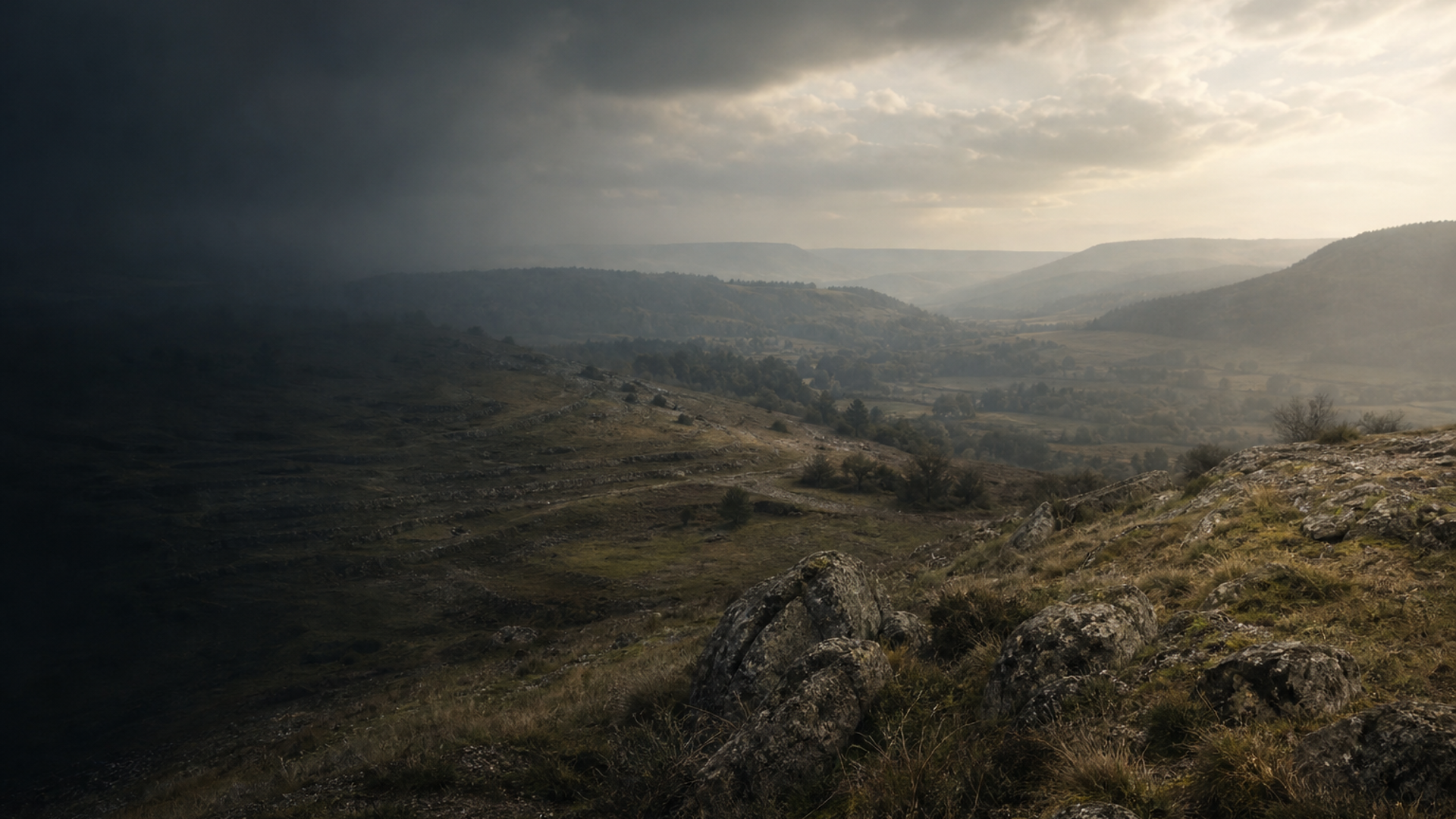
Beneath the plains and river meadows of Aube, the Iron Age takes shape as a landscape of small settlements, riverine routes, and shifting alliances. Archaeological data indicates activity in this region between ca. 750 and 200 BCE, a period often folded into the broad tapestry of the Iron Age Culture of Aube. Excavations at Buchères (PLA D37) and Barbuise les Grèves de Frécul reveal funerary deposits and material fragments that place these communities within the larger currents of western European Iron Age lifeways.

Limited evidence suggests local continuity of settlement patterns that trace back to Bronze Age neighbors, but the picture is nuanced: trade goods and metalwork styles show ties to broader Hallstatt–La Tène horizons, while botanical and faunal remains argue for mixed farming economies anchored on rivers and floodplains. The archaeological record is fragmentary and localized; statements about broad regional dynamics remain provisional. Where excavation is sparse, each grave or pit can tilt interpretations, so archaeological inference from Aube must be careful to emphasize context and uncertainty.

Taken together, the material culture and settlement traces present Aube as a place where local traditions met interregional exchange—an arena where identity was negotiated through objects, landscape use, and incoming influences along waterways and early roads.

  • Sites: Buchères "PLA D37" and Barbuise les Grèves de Frécul
  • Dates: approximately 750–200 BCE (Iron Age)
  • Evidence shows local continuity with interregional contacts
Chapter IV

Daily Life & Society

The lived world of Iron Age Aube would have been textured by rivers, seasonal fields, and a economy that balanced crop cultivation, animal husbandry, and craft. Archaeological finds—pottery sherds, metal fragments, and hearth features—indicate households organized around mixed farming and localized craft production. Burial practices seen in the sampled sites appear varied and fragmentary; limited funerary contexts provide glimpses of social differentiation, but small numbers mean social reconstructions are tentative.

Material culture hints at connectivity: bronze and iron objects display stylistic affinities with wider western European Iron Age traditions, suggesting participation in exchange networks. River corridors like the Seine basin likely functioned as conduits of goods and ideas, bringing metalwork styles and perhaps people to Aube's communities. Botanical remains and zooarchaeological data—when present—paint a picture of seasonal provisioning, dairying, and cereal cultivation adapted to floodplain environments.

Archaeological data indicates that everyday life combined local continuity with mobility: people maintained long-term ties to specific landscapes while interacting with wider cultural spheres. This combination of rooted livelihoods and exchange is key to understanding Iron Age social life in Aube.

  • Mixed farming and craft production shaped household economies
  • River corridors likely facilitated exchange and mobility
Chapter V

Genetic Profile

Eight ancient individuals from Aube (sites: Buchères PLA D37 and Barbuise les Grèves de Frécul) produced genome-wide and uniparental data that offer an initial genetic portrait of Iron Age populations in this part of Grand Est. Sample count is low (<10), so all interpretations must be treated as preliminary. Among males, Y-DNA haplogroups labeled R (found in 3 individuals) and G (1 individual) are observed. Haplogroup R has long been frequent in western Europe since the Bronze Age; without high-resolution subclade resolution we refrain from stronger claims about precise paternal ancestry.

Maternal lineages show diversity: mtDNA haplogroups include U (1), K2 (1), K1a (1), HV0 (1), and H2b (1). This mix reflects a blend of lineages commonly observed across later Neolithic and Bronze-to-Iron Age Europe—some mtDNA types (U, H) are often linked in broad terms to deep hunter-gatherer and early farmer ancestries, and K and HV variants are widespread among Neolithic-descended populations. Genomic affinities (autosomal profiles) from these individuals are consistent with western European Iron Age populations, showing continuity with earlier local ancestries combined with signs of regional gene flow.

Caution: because the dataset includes only eight samples from two neighboring locations, patterns of diversity and mobility should be regarded as an initial window rather than a definitive population portrait. Further sampling is needed to resolve fine-scale structure and temporal change.
  • Paternal lineages: R (3), G (1) — preliminary due to small sample size
  • Maternal diversity: U, K2, K1a, HV0, H2b — indicates mixed ancient lineages
Chapter VI

Legacy & Modern Connections

The people of Iron Age Aube leave a subtle imprint on the genetic and cultural landscape of northeastern France. Archaeological continuity in settlement patterns and the presence of locally-rooted maternal and paternal lineages imply threads of biological continuity into later periods, even as material culture shows participation in far-reaching Iron Age networks. Genetic findings here are consistent with the broader pattern across western Europe: substantial local ancestry layered with periodic inputs from surrounding regions.

For modern populations, direct lineage continuity is plausible but complex; uniparental markers seen in these eight individuals occur today across Europe and cannot alone map specific ancestral paths. Ancient DNA from Aube is a first brushstroke: it helps triangulate where local continuity persisted and where mobility altered gene pools. As more samples from Aube and neighboring regions are analyzed, researchers will better resolve how Iron Age communities contributed to the genetic mosaic of modern France.

  • Suggests local continuity combined with regional gene flow
  • Current conclusions are provisional until larger sample sets are available
AI 电源

AI 助手

就 Aube Iron Age Echoes 文化提问

AI 助手 由DNAGENICS公司制作

解锁此特性
Ask questions about the Aube Iron Age Echoes culture. Our AI assistant can explain genetic findings, historical context, archaeological evidence, and modern connections.
AI 样本分析

Aube Iron Age Echoes 文化是人类历史中值得了解的一章……

遗传分析揭示了与早期种群的联系,同时显示了独特的适应和文化创新的证据。 古代DNA样本提供了对迁徙模式、社会结构以及古代种群之间的生物关系的深刻见解。

这是人工智能分析的预览。 解锁全AI 助手, 以探索关于:

  • 遗传组成和祖先
  • 移徙模式和起源
  • 日常生活和文化习俗
  • 现代遗传遗产

探索更古老的文化

揭开古代世界文明的故事

使用优惠码 可减免 35% • 11月12日 到期




