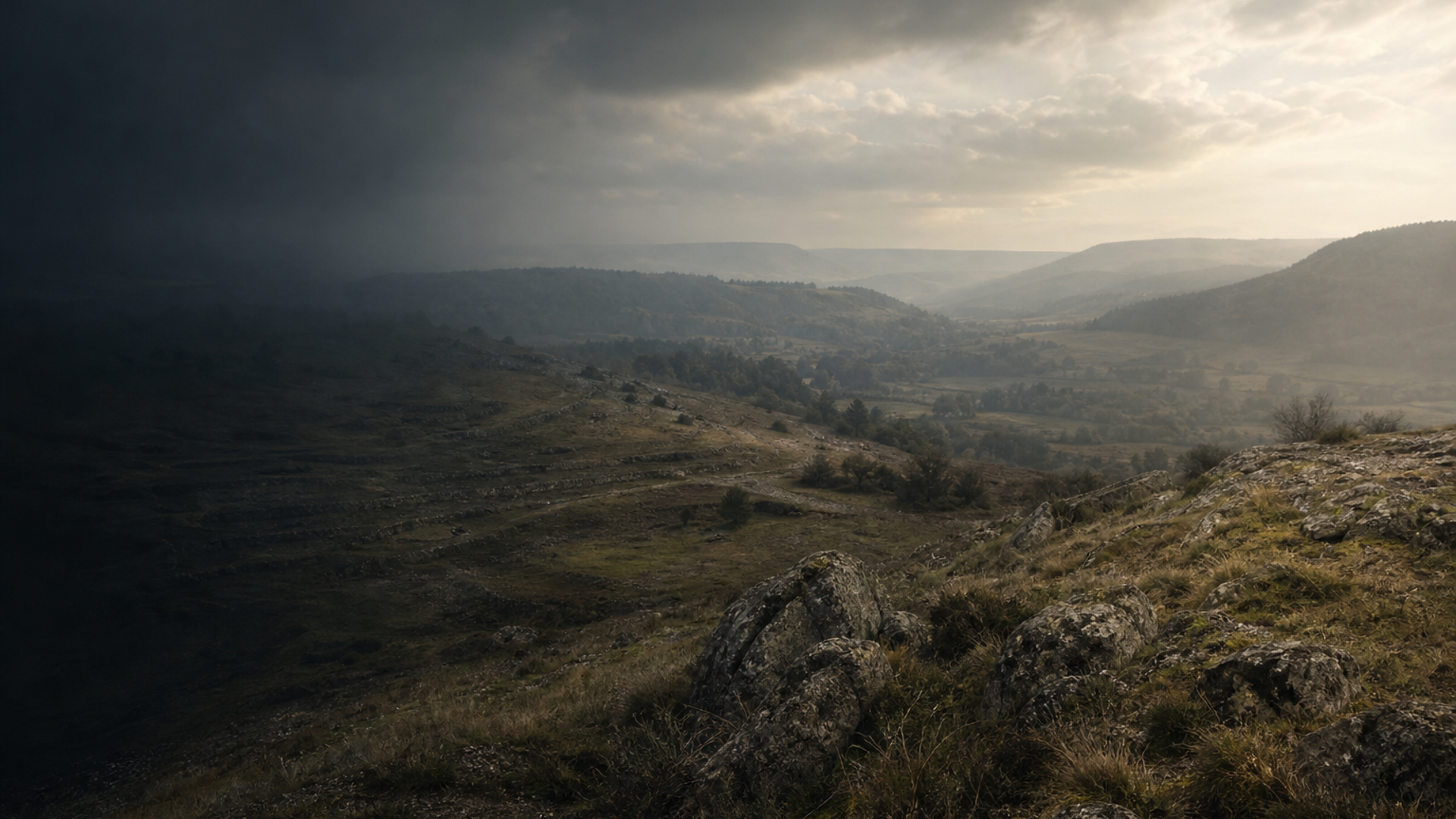
The lived world of Iron Age Aube would have been textured by rivers, seasonal fields, and a economy that balanced crop cultivation, animal husbandry, and craft. Archaeological finds—pottery sherds, metal fragments, and hearth features—indicate households organized around mixed farming and localized craft production. Burial practices seen in the sampled sites appear varied and fragmentary; limited funerary contexts provide glimpses of social differentiation, but small numbers mean social reconstructions are tentative.
Material culture hints at connectivity: bronze and iron objects display stylistic affinities with wider western European Iron Age traditions, suggesting participation in exchange networks. River corridors like the Seine basin likely functioned as conduits of goods and ideas, bringing metalwork styles and perhaps people to Aube's communities. Botanical remains and zooarchaeological data—when present—paint a picture of seasonal provisioning, dairying, and cereal cultivation adapted to floodplain environments.
Archaeological data indicates that everyday life combined local continuity with mobility: people maintained long-term ties to specific landscapes while interacting with wider cultural spheres. This combination of rooted livelihoods and exchange is key to understanding Iron Age social life in Aube.