Echoes of the Copper Horizon

下载的 PDF 是图像副本。如需可选中文本及更好的辅助技术支持,请使用打印功能。

跳转到主内容
文明焦点

Echoes of the Copper Horizon

Archaeology and DNA from Chalcolithic communities across the Carpathian Basin and Italy

4500 CE - 2488 BCE
Romania, Hungary, Italy, Czech Republic
4 Ancient Samples

剧情

A genomic and archaeological portrait of Chalcolithic Europe (4500–2488 BCE): sites from Romania, Hungary, Italy and Czechia reveal farmer-derived ancestries, local hunter-gatherer admixture, and varied Y- and mtDNA lineages tied to Bodrogkeresztur and related cultures.

Time Period

4500–2488 BCE

Region

Romania, Hungary, Italy, Czech Republic

Common Y-DNA

G, I, J, CT, C

Common mtDNA

J, H, N, U, T

样本地点

互动地图暂不可用。请查看样本目录中的地点记录。

时间线

2500 BCE

Regional interaction intensifies

By around 2500 BCE, archaeological and genetic signals indicate increased exchange and some external gene flow into Chalcolithic communities of the Carpathian Basin and Italy.

Origins & Emergence

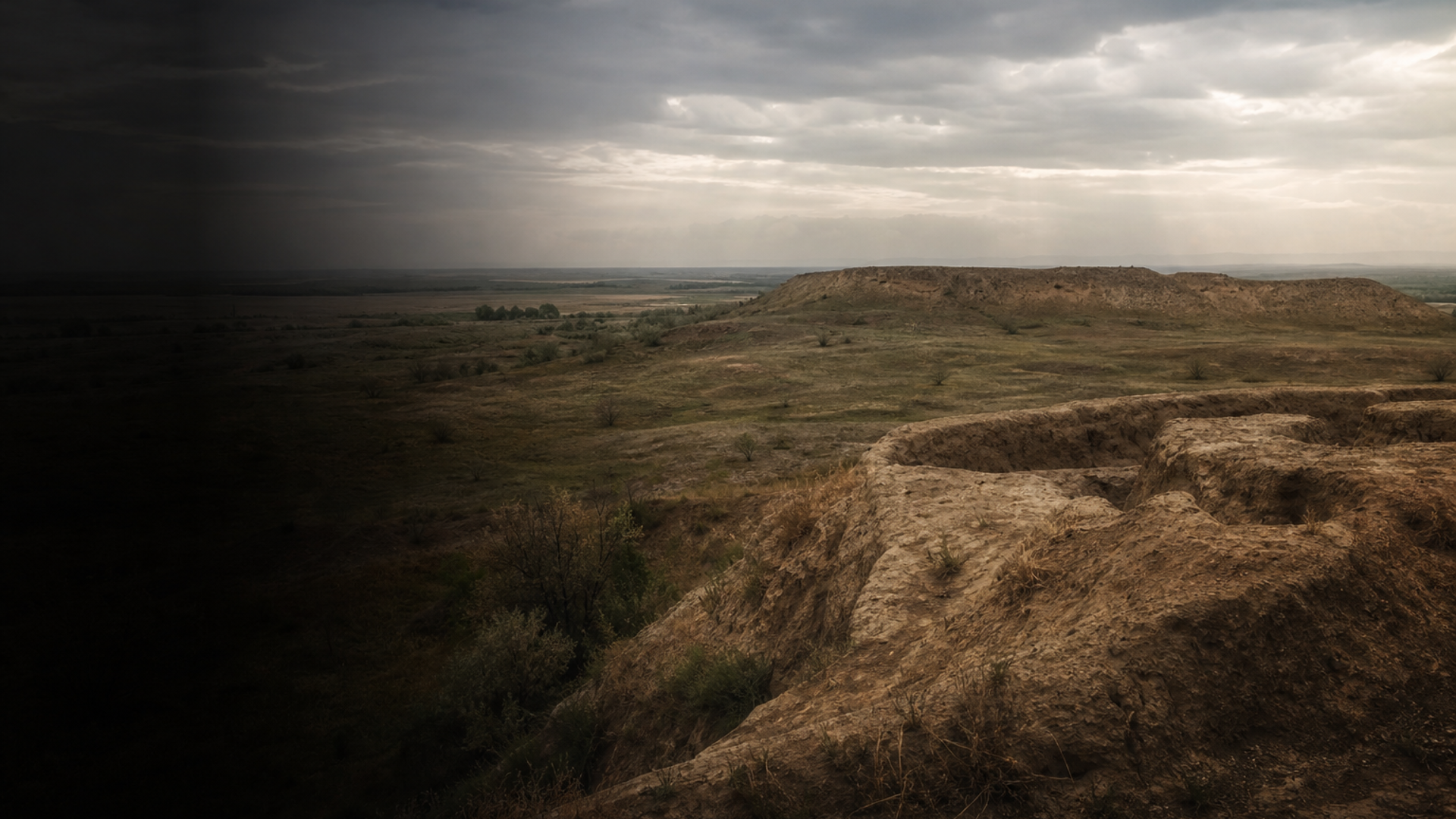
Across foothills and river valleys from the Carpathian Basin to northern Italy, the Chalcolithic horizon unfolds as a patchwork of communities experimenting with copper, complex pottery, and shifting burial rites. Archaeological evidence at named sites — Grottina dei Covoloni del Broion (Vicenza, Italy), Grotta La Sassa (Sonnino, Italy), Urziceni (Romania), and settlements such as Pusztataskony-Ledence I and Nemesnádudvar-Papföld (Hungary) — shows continuity with Neolithic farming lifeways alongside new material expressions. Radiocarbon dates from the broader assemblage place these contexts between c. 4500 and 2488 BCE, a period when local ceramic traditions were recomposed into regional styles associated with Bodrogkeresztur and related cultures.

Archaeological data indicates metallurgy in the form of small copper tools and ornaments appears unevenly: some communities adopted copper slowly, others used it symbolically. Settlement patterns suggest mixed economies — intensive agriculture in river plains and continued exploitation of upland resources in the Berici and other hills. Trade connections are visible through exotic raw materials and shared pottery motifs between the Italian Grotta contexts and Carpathian Basin sites, implying networks of exchange rather than mass migrations. Limited evidence suggests shifts in ritual practice — mortuary variability at Abony (Turjányos-dűlő) and Brandýsek (Czech Republic) points to emerging social differentiation, but preservation and sampling biases mean interpretations remain cautious.

  • Dates: c. 4500–2488 BCE across Italy, Hungary, Romania, Czechia
  • Key sites: Broion (Vicenza), La Sassa (Sonnino), Urziceni, Abony
  • Emergence involved gradual metallurgical adoption and regional interaction networks

Daily Life & Society

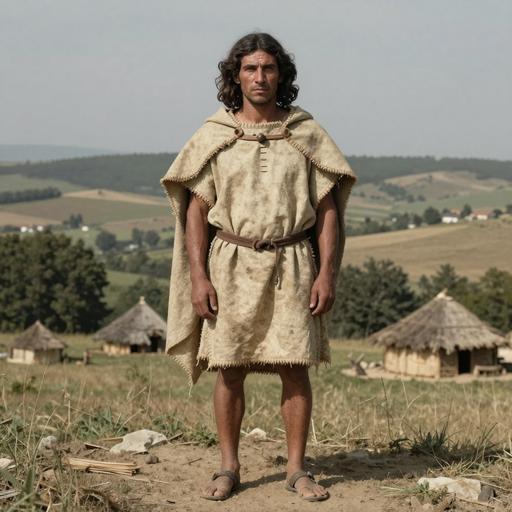
Domestic life in Chalcolithic communities combined long-established Neolithic practices with new social complexities. Settlements ranged from hamlets in the Pannonian plain to cave and rock-shelter use in the Italian Berici Hills. Houses, storage pits, and hearths recovered at sites such as Pusztataskony-Ledence I and Nemesnádudvar-Papföld illustrate cereal cultivation, animal husbandry (sheep, cattle, pigs), and craft production. Pottery assemblages show fine painted wares alongside utilitarian forms used for cooking and storage, often decorated with regionally specific motifs that help archaeologists trace cultural contacts.

Material culture — copper awls, polished stone tools, beads, and personal ornaments — signals both local craft skill and connections to wider exchange networks. Mortuary evidence is heterogeneous: in some cemeteries, individuals are interred with grave goods suggestive of status differences; in others, collective or variable burial practices prevail. These patterns suggest increasing social differentiation but not uniform hierarchical organization. Environmental data and zooarchaeological remains point to seasonal mobility for herding and resource exploitation, especially in upland zones.

Limited preservation and uneven excavation strategies mean many aspects of daily life remain incompletely documented. Nevertheless, the combined archaeological record paints a vivid picture of communities negotiating new technologies and social landscapes while maintaining agricultural lifeways.

  • Mixed economy: agriculture, herding, seasonal resource use
  • Varied mortuary practices indicating social differentiation

Genetic Profile

Analysis of 62 Chalcolithic individuals from sites across Romania, Hungary, Italy, and the Czech Republic provides a valuable window into population dynamics during the Copper Age. The genomic signal is dominated by Neolithic farmer ancestry — the legacy of Anatolian-derived agriculture — combined with local Western hunter-gatherer (WHG) admixture. This blend is consistent across many samples, reflecting long-term demographic continuity in central and southern Europe.

Y-chromosome haplogroups observed include G (6), I (5), and J (2), with single occurrences of CT and C; these lineages are frequently associated with farmer and local European ancestries in the Neolithic and Chalcolithic. Mitochondrial diversity is notable for haplogroups J (11), H (7), N (5), U (5), and T (4), highlighting maternal continuity with earlier farming populations and some regionally variable maternal inputs. Importantly, while most individuals carry farmer-derived genomes, a subset shows increased affinity to steppe-related ancestry in the later part of the dated range (approaching c. 2500 BCE), suggesting limited admixture events rather than wholesale population replacement.

With 62 samples the dataset is moderately robust, but geographic clustering (e.g., dense sampling in certain burial sites) can bias regional reconstructions. Where sample counts are low for particular sites, conclusions about local dynamics remain provisional. Overall, genetics and archaeology together indicate a mosaic of continuity, local admixture, and episodic external contacts during the Chalcolithic.

  • Predominant farmer ancestry with WHG admixture; limited later steppe input
  • Y: G, I, J observed; mtDNA: J, H, N, U, T — maternal continuity with Neolithic farmers

Legacy & Modern Connections

The Chalcolithic communities of the Carpathian Basin and adjoining regions left an imprint visible in both archaeology and genomes. Many maternal lineages (J, H, U, T) common in these ancient burials persist at varying frequencies in modern European populations, reflecting deep continuity of female-mediated ancestry. Y-haplogroups such as G and I also appear in present-day Europeans, although later Bronze Age movements reshaped paternal landscapes significantly.
Culturally, the exchange networks and ceramic styles of this period prefigure the intensified long-distance contacts of the later third millennium BCE. Genetic traces of limited steppe-related admixture near the end of the Chalcolithic hint at demographic processes that contribute to Europe's subsequent genetic and cultural transformations. Nevertheless, because social change was regionally uneven, direct lineages to particular modern groups should be inferred cautiously. Combined archaeological and genetic study continues to refine how these Copper Age communities contributed to Europe's deep past.

  • Maternal lineages from Chalcolithic samples contribute to modern European mtDNA pools
  • Evidence for early, regionally variable contacts that presage later Bronze Age shifts

样本目录

4 / 4 samples
纵向 样本 国家 大纪元 日期 文化 性别 Y-DNA mtDNA
重建的肖像画 Chalcolithic Europe individual, Hungary
Hungary Hungary_LateC_Protoboleraz 3768 BCE Chalcolithic Europe F - N1a1a3
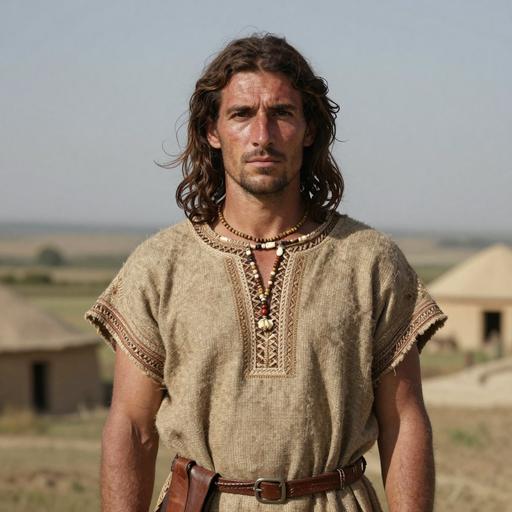
重建的肖像画 Chalcolithic Europe individual, Hungary
Hungary Hungary_LateC_Protoboleraz 3649 BCE Chalcolithic Europe M I-PF3892 U5a1c1
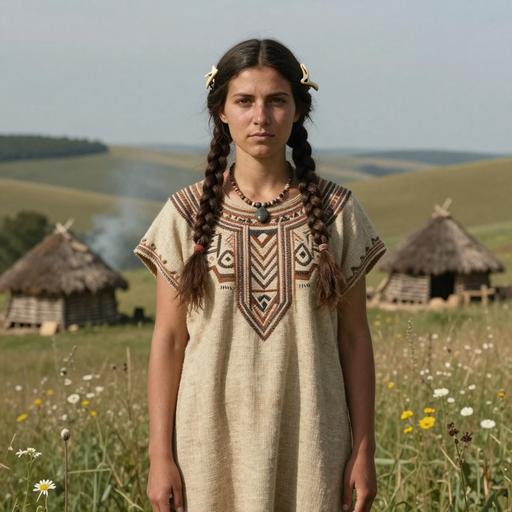
重建的肖像画 Late C Protoboleraz individual, Hungary
Hungary Hungary_LateC_Protoboleraz 3910-3644 calBCE (4960±40 BP, VERA-5402) Chalcolithic Europe M G-L140 H
重建的肖像画 Late C Protoboleraz individual, Hungary
Hungary Hungary_LateC_Protoboleraz 3800-3600 BCE Chalcolithic Europe M I-BY421 J1c3b

AI 助手

AI 助手 由DNAGENICS公司制作

解锁此特性
Ask questions about the Echoes of the Copper Horizon culture. Our AI assistant can explain genetic findings, historical context, archaeological evidence, and modern connections.
AI 样本分析

Echoes of the Copper Horizon 文化是人类历史中值得了解的一章……

遗传分析揭示了与早期种群的联系,同时显示了独特的适应和文化创新的证据。 古代DNA样本提供了对迁徙模式、社会结构以及古代种群之间的生物关系的深刻见解。

这是人工智能分析的预览。 解锁全AI 助手, 以探索关于:

  • 遗传组成和祖先
  • 移徙模式和起源
  • 日常生活和文化习俗
  • 现代遗传遗产
使用优惠码 可减免 30% • 11月15日 到期