Echoes of the Copper Horizon

Download PDF creates a visual, rasterized copy. Use Print for selectable text and better assistive-technology support.

Zum Hauptinhalt springen
Zivilisations-Spotlight

Echoes of the Copper Horizon

Archaeology and DNA from Chalcolithic communities across the Carpathian Basin and Italy

4500 CE - 2488 BCE
Romania, Hungary, Italy, Czech Republic
4 antike Proben

Die Geschichte

A genomic and archaeological portrait of Chalcolithic Europe (4500–2488 BCE): sites from Romania, Hungary, Italy and Czechia reveal farmer-derived ancestries, local hunter-gatherer admixture, and varied Y- and mtDNA lineages tied to Bodrogkeresztur and related cultures.

Time Period

4500–2488 BCE

Region

Romania, Hungary, Italy, Czech Republic

Common Y-DNA

G, I, J, CT, C

Common mtDNA

J, H, N, U, T

Fundorte der Proben

Die interaktive Karte ist nicht verfügbar. Die Fundorte findest du im Probenkatalog.

Zeitleiste

2500 BCE

Regional interaction intensifies

By around 2500 BCE, archaeological and genetic signals indicate increased exchange and some external gene flow into Chalcolithic communities of the Carpathian Basin and Italy.

Origins & Emergence

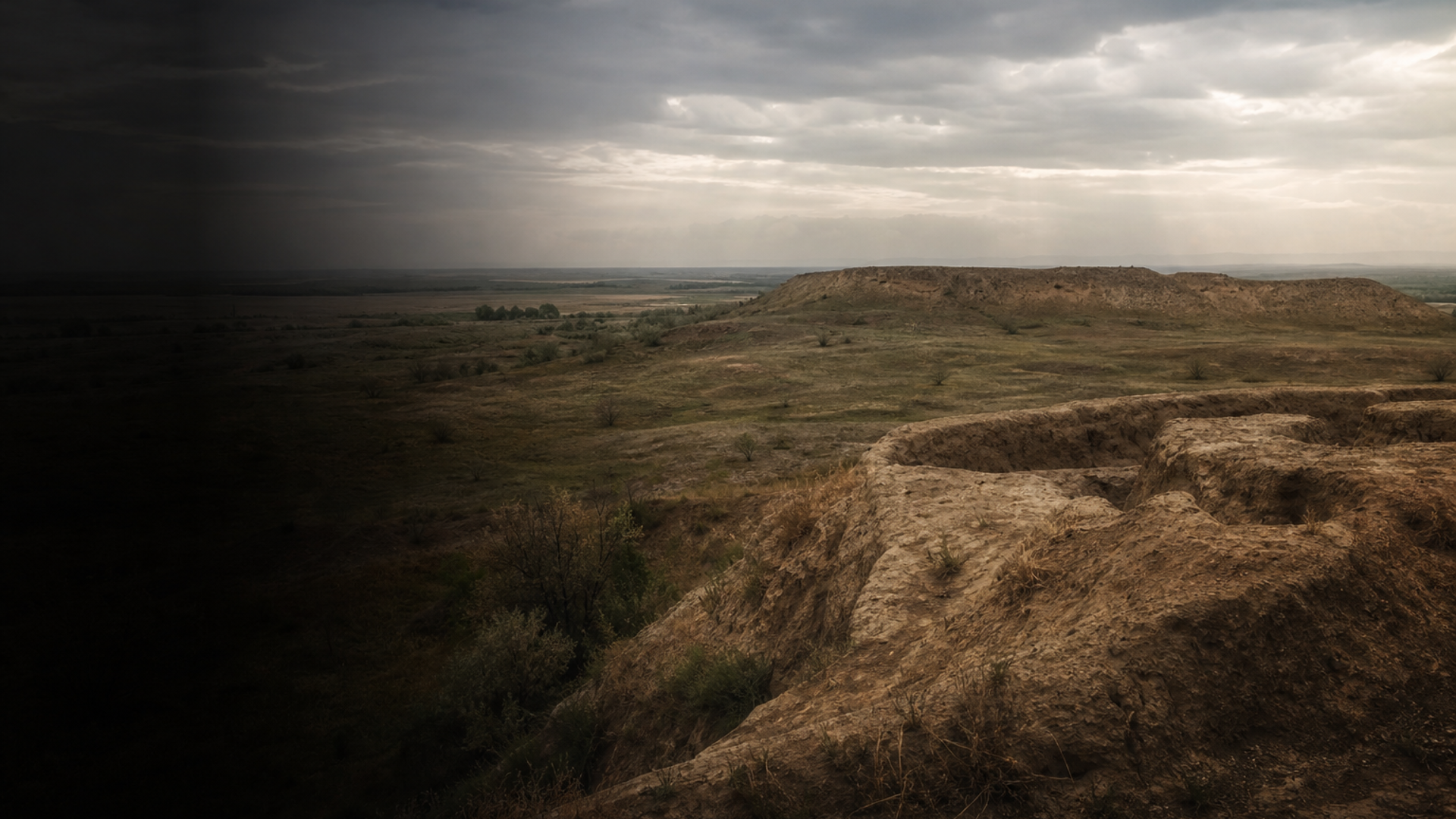
Across foothills and river valleys from the Carpathian Basin to northern Italy, the Chalcolithic horizon unfolds as a patchwork of communities experimenting with copper, complex pottery, and shifting burial rites. Archaeological evidence at named sites — Grottina dei Covoloni del Broion (Vicenza, Italy), Grotta La Sassa (Sonnino, Italy), Urziceni (Romania), and settlements such as Pusztataskony-Ledence I and Nemesnádudvar-Papföld (Hungary) — shows continuity with Neolithic farming lifeways alongside new material expressions. Radiocarbon dates from the broader assemblage place these contexts between c. 4500 and 2488 BCE, a period when local ceramic traditions were recomposed into regional styles associated with Bodrogkeresztur and related cultures.

Archaeological data indicates metallurgy in the form of small copper tools and ornaments appears unevenly: some communities adopted copper slowly, others used it symbolically. Settlement patterns suggest mixed economies — intensive agriculture in river plains and continued exploitation of upland resources in the Berici and other hills. Trade connections are visible through exotic raw materials and shared pottery motifs between the Italian Grotta contexts and Carpathian Basin sites, implying networks of exchange rather than mass migrations. Limited evidence suggests shifts in ritual practice — mortuary variability at Abony (Turjányos-dűlő) and Brandýsek (Czech Republic) points to emerging social differentiation, but preservation and sampling biases mean interpretations remain cautious.

  • Dates: c. 4500–2488 BCE across Italy, Hungary, Romania, Czechia
  • Key sites: Broion (Vicenza), La Sassa (Sonnino), Urziceni, Abony
  • Emergence involved gradual metallurgical adoption and regional interaction networks

Daily Life & Society

Domestic life in Chalcolithic communities combined long-established Neolithic practices with new social complexities. Settlements ranged from hamlets in the Pannonian plain to cave and rock-shelter use in the Italian Berici Hills. Houses, storage pits, and hearths recovered at sites such as Pusztataskony-Ledence I and Nemesnádudvar-Papföld illustrate cereal cultivation, animal husbandry (sheep, cattle, pigs), and craft production. Pottery assemblages show fine painted wares alongside utilitarian forms used for cooking and storage, often decorated with regionally specific motifs that help archaeologists trace cultural contacts.

Material culture — copper awls, polished stone tools, beads, and personal ornaments — signals both local craft skill and connections to wider exchange networks. Mortuary evidence is heterogeneous: in some cemeteries, individuals are interred with grave goods suggestive of status differences; in others, collective or variable burial practices prevail. These patterns suggest increasing social differentiation but not uniform hierarchical organization. Environmental data and zooarchaeological remains point to seasonal mobility for herding and resource exploitation, especially in upland zones.

Limited preservation and uneven excavation strategies mean many aspects of daily life remain incompletely documented. Nevertheless, the combined archaeological record paints a vivid picture of communities negotiating new technologies and social landscapes while maintaining agricultural lifeways.

  • Mixed economy: agriculture, herding, seasonal resource use
  • Varied mortuary practices indicating social differentiation

Genetic Profile

Analysis of 62 Chalcolithic individuals from sites across Romania, Hungary, Italy, and the Czech Republic provides a valuable window into population dynamics during the Copper Age. The genomic signal is dominated by Neolithic farmer ancestry — the legacy of Anatolian-derived agriculture — combined with local Western hunter-gatherer (WHG) admixture. This blend is consistent across many samples, reflecting long-term demographic continuity in central and southern Europe.

Y-chromosome haplogroups observed include G (6), I (5), and J (2), with single occurrences of CT and C; these lineages are frequently associated with farmer and local European ancestries in the Neolithic and Chalcolithic. Mitochondrial diversity is notable for haplogroups J (11), H (7), N (5), U (5), and T (4), highlighting maternal continuity with earlier farming populations and some regionally variable maternal inputs. Importantly, while most individuals carry farmer-derived genomes, a subset shows increased affinity to steppe-related ancestry in the later part of the dated range (approaching c. 2500 BCE), suggesting limited admixture events rather than wholesale population replacement.

With 62 samples the dataset is moderately robust, but geographic clustering (e.g., dense sampling in certain burial sites) can bias regional reconstructions. Where sample counts are low for particular sites, conclusions about local dynamics remain provisional. Overall, genetics and archaeology together indicate a mosaic of continuity, local admixture, and episodic external contacts during the Chalcolithic.

  • Predominant farmer ancestry with WHG admixture; limited later steppe input
  • Y: G, I, J observed; mtDNA: J, H, N, U, T — maternal continuity with Neolithic farmers

Legacy & Modern Connections

The Chalcolithic communities of the Carpathian Basin and adjoining regions left an imprint visible in both archaeology and genomes. Many maternal lineages (J, H, U, T) common in these ancient burials persist at varying frequencies in modern European populations, reflecting deep continuity of female-mediated ancestry. Y-haplogroups such as G and I also appear in present-day Europeans, although later Bronze Age movements reshaped paternal landscapes significantly.
Culturally, the exchange networks and ceramic styles of this period prefigure the intensified long-distance contacts of the later third millennium BCE. Genetic traces of limited steppe-related admixture near the end of the Chalcolithic hint at demographic processes that contribute to Europe's subsequent genetic and cultural transformations. Nevertheless, because social change was regionally uneven, direct lineages to particular modern groups should be inferred cautiously. Combined archaeological and genetic study continues to refine how these Copper Age communities contributed to Europe's deep past.

  • Maternal lineages from Chalcolithic samples contribute to modern European mtDNA pools
  • Evidence for early, regionally variable contacts that presage later Bronze Age shifts

Probenkatalog

4 / 4 Proben
Porträt Probe Land Epoche Datum Kultur Geschlecht Y-DNA mtDNA
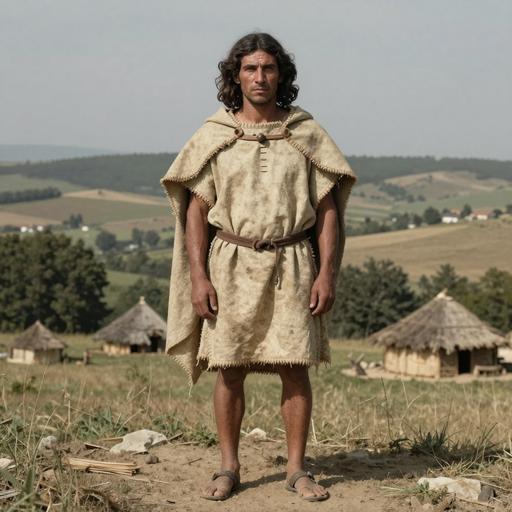
Künstlerische Rekonstruktion von Chalcolithic Europe individual, Hungary
Hungary Hungary_LateC_Protoboleraz 3768 BCE Chalcolithic Europe F - N1a1a3
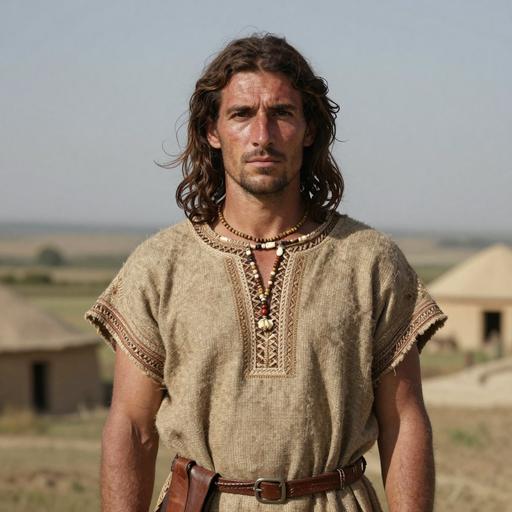
Künstlerische Rekonstruktion von Chalcolithic Europe individual, Hungary
Hungary Hungary_LateC_Protoboleraz 3649 BCE Chalcolithic Europe M I-PF3892 U5a1c1
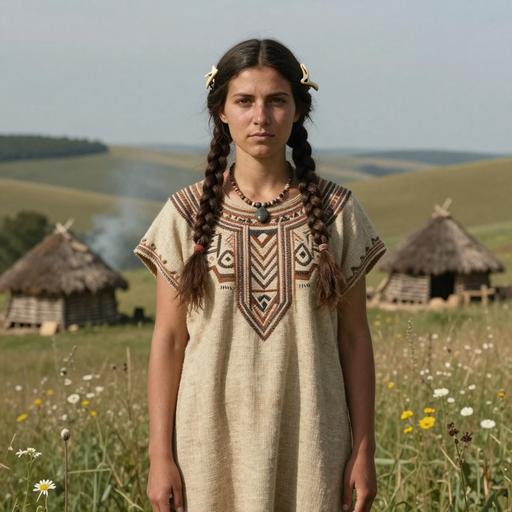
Künstlerische Rekonstruktion von Late C Protoboleraz individual, Hungary
Hungary Hungary_LateC_Protoboleraz 3910-3644 calBCE (4960±40 BP, VERA-5402) Chalcolithic Europe M G-L140 H
Künstlerische Rekonstruktion von Late C Protoboleraz individual, Hungary
Hungary Hungary_LateC_Protoboleraz 3800-3600 BCE Chalcolithic Europe M I-BY421 J1c3b

KI-Assistent

KI-Assistent von DNAGENICS

Funktion freischalten
Stellen Sie Fragen zur Kultur Echoes of the Copper Horizon. Unser KI-Assistent kann genetische Befunde, historischen Kontext, archäologische Belege und moderne Verbindungen erläutern.
Beispiel einer KI-Analyse

Die Echoes of the Copper Horizon-Kultur ist ein faszinierendes Kapitel der Menschheitsgeschichte...

Genetische Analysen zeigen Übereinstimmungen mit früheren Populationen und Hinweise auf besondere Anpassungen und kulturelle Innovationen. Alte DNA-Proben liefern Einblicke in Migrationsmuster, soziale Strukturen und genetische Verbindungen zwischen Populationen.

Dies ist eine Vorschau der KI-Analyse. Schalten Sie den vollständigen KI-Assistenten frei, um detaillierte Einblicke zu erkunden:

  • Genetische Zusammensetzung und genetische Ähnlichkeit
  • Migrationsmuster und Ursprünge
  • Alltag und kulturelle Praktiken
  • Genetischer Bezug zu heutigen Populationen
Use code for 30% off • Expires Nov 15