Echoes of the Late Avars

下载的 PDF 是图像副本。如需可选中文本及更好的辅助技术支持,请使用打印功能。

Echoes of the Late Avars

揭开一个失落的文明

正在加载考古记录……

正在收集古代记录

跳转到主内容
Echoes of the Late Avars
文明焦点

Echoes of the Late Avars

Three mountain burials in Visonta whisper of mobility, mixture, and fragile genetic signals

700 CE - 800 CE
Northern Hungary Mountains, Hungary (Visonta Nagycsapás)
滚动开始
Chapter I

剧情

了解 Echoes of the Late Avars 文化

Archaeological and genetic glimpses from Visonta Nagycsapás (Northern Hungary Mountains, 700–800 CE) reveal maternal lineages H, J, T in a tiny Late Avar sample. Limited evidence suggests local West Eurasian maternal ancestry amid a cultural landscape shaped by steppe connections.

Time Period

700–800 CE (Late Avar Period)

Region

Northern Hungary Mountains, Hungary (Visonta Nagycsapás)

Common Y-DNA

Not reported / low sample (3 individuals)

Common mtDNA

H (1), J (1), T (1) — maternal lineages observed

Chapter II

时间线

这种文化历史上的关键时刻

700 CE

Late Avar burials at Visonta Nagycsapás

Three individuals dated to c. 700–800 CE were recovered at Visonta Nagycsapás in the Northern Hungary Mountains, providing preliminary mtDNA data (H, J, T).

Chapter III

Origins & Emergence

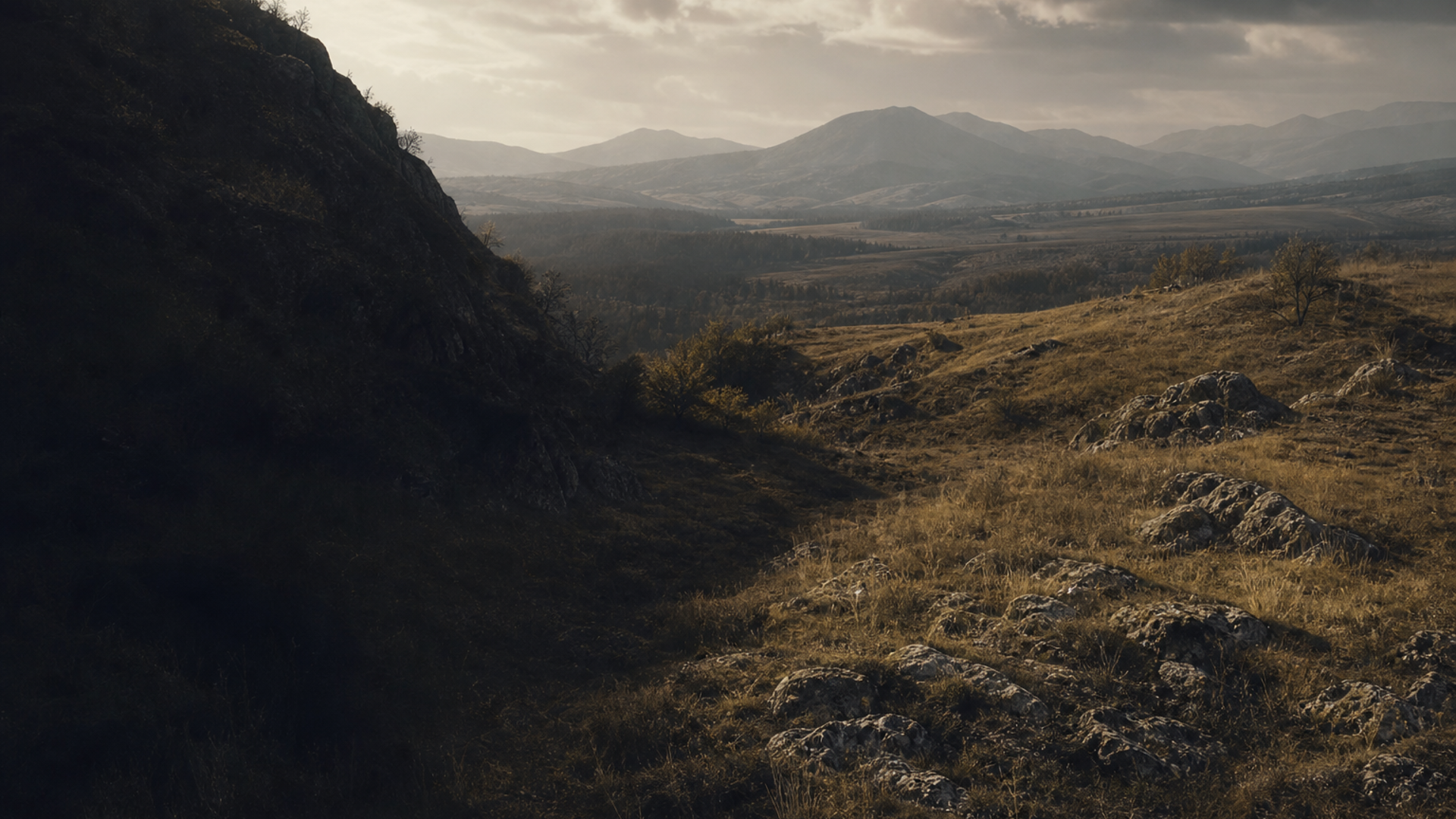
The Late Avar horizon in the Northern Hungary Mountains is an epoch of layered histories — a collision of steppe mobility, local Carpathian traditions, and the expanding networks of Early Medieval Europe. Archaeological data indicates that communities in this upland zone participated in the wider Avar cultural sphere during the 7th to 9th centuries CE. Visonta Nagycsapás, a hillside site in northern Hungary, produced the three human remains that form the basis of the genetic snapshot described here.

Limited evidence from Visonta suggests occupation or funerary activity dated to roughly 700–800 CE, situating these individuals within the Late Avar Period. Across the Carpathian Basin, Avar polities formed through a mixture of migration, elite fusion, and local adoption of material culture; on the archaeological record this can appear as burials, metalwork styles, and settlement traces that bear both steppe and European traits.

Given our very small sample (n = 3), any broad narrative must remain tentative. These individuals illuminate local expressions of a larger historical process: the embedding of mobile, often multi-ethnic groups into the mountainous margins of the Carpathian Basin. Future excavations at Visonta Nagycsapás and nearby cemeteries would be required to trace the degree to which these remains reflect broader population dynamics versus family- or site-specific patterns.

  • Visonta Nagycsapás dates to the Late Avar Period (c. 700–800 CE)
  • Site lies in the Northern Hungary Mountains, a frontier zone of the Carpathian Basin
  • Sample size (3) is too small for broad demographic claims
Chapter IV

Daily Life & Society

The everyday world of Late Avar communities in upland Hungary was forged between mountain pastures, river valleys, and trade corridors. Archaeological patterns from the broader Northern Hungary region show mixed economies: animal herding, seasonal transhumance, local cereal cultivation where soils allowed, and craft production tied to metalworking traditions. For many Avar-period groups, mobility and horse culture were important elements of identity and economy, and these traits often appear in grave assemblages across the Carpathian Basin.

At Visonta Nagycsapás the on-site evidence is limited, so reconstructing household routines requires careful inference from regional analogies. Material culture in nearby Avar cemeteries frequently includes metal ornaments, harness fittings, and personal items that speak to skilled artisanship and long-distance exchange. Social organization likely combined kin-based households with emergent elites who mediated contacts between local populations and broader steppe-derived networks.

Daily life in this mountainous setting would have been shaped by seasonal rhythms, resource constraints, and adaptive strategies — small-scale farming tucked among pastures, woodcraft, and participation in regional exchange. The human remains and associated archaeological traces at Visonta remind us that these were real people living complex, mobile lifeways rather than monolithic ethnic categories.

  • Economy combined herding, local agriculture, and craft production
  • Regional burial practices suggest mobility and steppe cultural influences
Chapter V

Genetic Profile

The genetic dataset from Visonta Nagycsapás comprises three individuals dated to c. 700–800 CE. Mitochondrial DNA lineages observed are H (1), J (1), and T (1) — haplogroups that are widespread across West Eurasia and commonly found in European and Near Eastern maternal gene pools. No Y-DNA haplogroups are reported for this tiny sample, so conclusions about paternal lineages or patrilineal continuity cannot be drawn here.

Because the sample count is very small (n = 3), these mtDNA observations are preliminary and may not represent the broader population of the Late Avar Northern Hungary Mountains. The presence of H, J, and T suggests that maternal ancestry in these individuals had strong West Eurasian affinities; however, mtDNA reflects only a single maternal line per person and can miss the wider autosomal or paternal diversity of a community.

Broader ancient DNA research on Avar-age assemblages elsewhere in the Carpathian Basin has documented heterogeneity — some groups show elevated East-Central Asian ancestry while others are more Western Eurasian — pointing to varied origins and degrees of admixture. The Visonta mtDNA results neither confirm nor refute steppe connections on their own. High-resolution autosomal genomes and larger sample sizes are needed to resolve admixture proportions, detect potential East-Central Asian contributions, and place these Visonta individuals within regional genetic landscapes.

  • mtDNA: H, J, T observed — indicative of West Eurasian maternal ancestry
  • Y-DNA: not reported; autosomal data needed to assess admixture
Chapter VI

Legacy & Modern Connections

The human stories buried at Visonta Nagycsapás are small but resonant pieces of the Carpathian Basin’s complex genetic and cultural tapestry. Modern populations of Hungary and neighboring regions carry layered ancestries shaped by prehistoric farmers, Bronze Age mobility, Iron Age groups, Roman and migration-era movements, and medieval processes including the Avar presence. The mtDNA lineages H, J, and T detected at Visonta are common in contemporary Europe, underlining continuity in maternal lineages even as cultures shifted.

Interpreting a direct line from these three individuals to particular modern communities would be speculative given the sample size and the intervening millennium of population turnover. Nevertheless, these remains contribute to a growing ancient DNA archive that, when combined with archaeology, refines our understanding of how migration, assimilation, and local persistence created the genetic landscape of modern Central Europe. Each new well-documented sample from sites like Visonta helps to illuminate how early medieval networks of movement and exchange were lived at the level of individuals and families.

  • mtDNA affinities align with widespread West Eurasian maternal lineages
  • Direct connections to modern populations remain tentative due to small sample and later demographic changes
AI 电源

AI 助手

就 Echoes of the Late Avars 文化提问

AI 助手 由DNAGENICS公司制作

解锁此特性
Ask questions about the Echoes of the Late Avars culture. Our AI assistant can explain genetic findings, historical context, archaeological evidence, and modern connections.
AI 样本分析

Echoes of the Late Avars 文化是人类历史中值得了解的一章……

遗传分析揭示了与早期种群的联系,同时显示了独特的适应和文化创新的证据。 古代DNA样本提供了对迁徙模式、社会结构以及古代种群之间的生物关系的深刻见解。

这是人工智能分析的预览。 解锁全AI 助手, 以探索关于:

  • 遗传组成和祖先
  • 移徙模式和起源
  • 日常生活和文化习俗
  • 现代遗传遗产

探索更古老的文化

揭开古代世界文明的故事

使用优惠码 可减免 35% • 11月12日 到期





