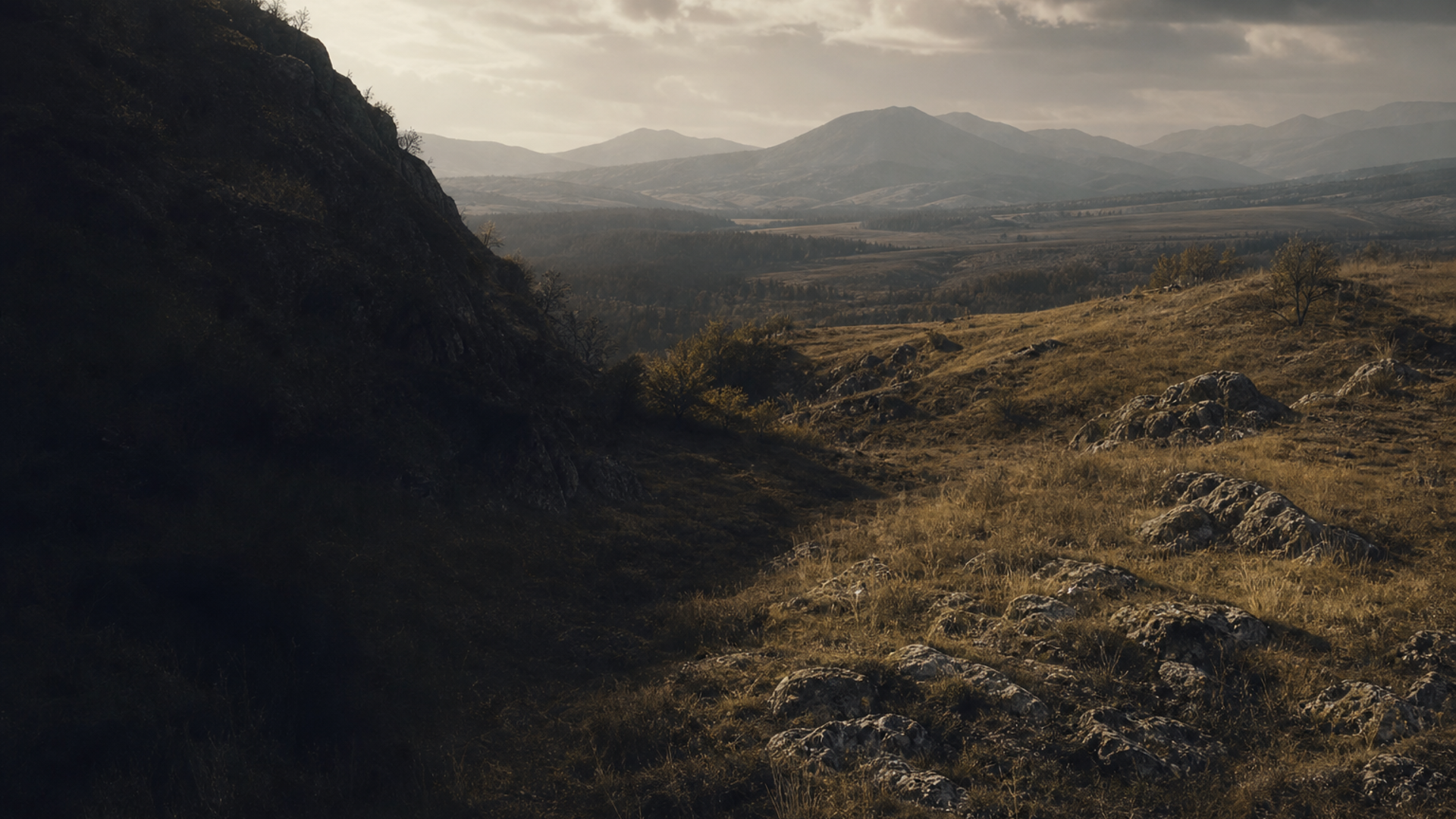
The everyday world of Late Avar communities in upland Hungary was forged between mountain pastures, river valleys, and trade corridors. Archaeological patterns from the broader Northern Hungary region show mixed economies: animal herding, seasonal transhumance, local cereal cultivation where soils allowed, and craft production tied to metalworking traditions. For many Avar-period groups, mobility and horse culture were important elements of identity and economy, and these traits often appear in grave assemblages across the Carpathian Basin.
At Visonta Nagycsapás the on-site evidence is limited, so reconstructing household routines requires careful inference from regional analogies. Material culture in nearby Avar cemeteries frequently includes metal ornaments, harness fittings, and personal items that speak to skilled artisanship and long-distance exchange. Social organization likely combined kin-based households with emergent elites who mediated contacts between local populations and broader steppe-derived networks.
Daily life in this mountainous setting would have been shaped by seasonal rhythms, resource constraints, and adaptive strategies — small-scale farming tucked among pastures, woodcraft, and participation in regional exchange. The human remains and associated archaeological traces at Visonta remind us that these were real people living complex, mobile lifeways rather than monolithic ethnic categories.