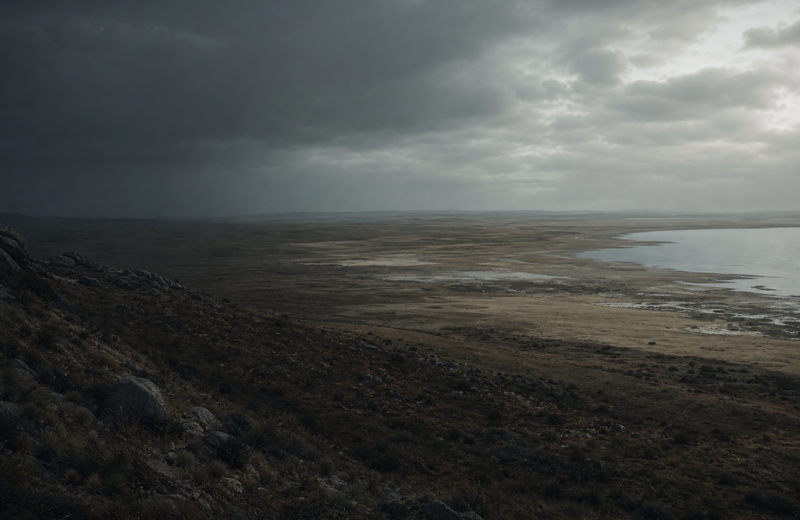
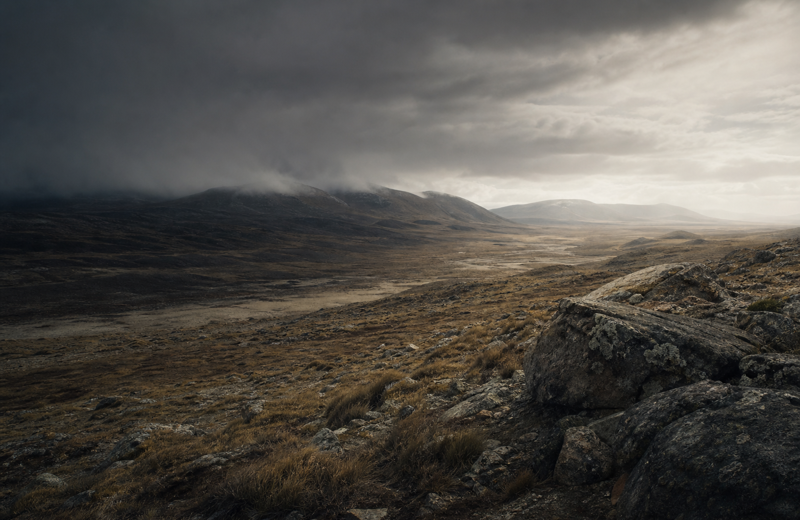
Laguna Toro, 2400 Years Ago A lone Late Holocene individual from the pampas edge near Buenos Aires. 740 CE - 2002400 BCE Southwest of Buenos Aires, Argentina
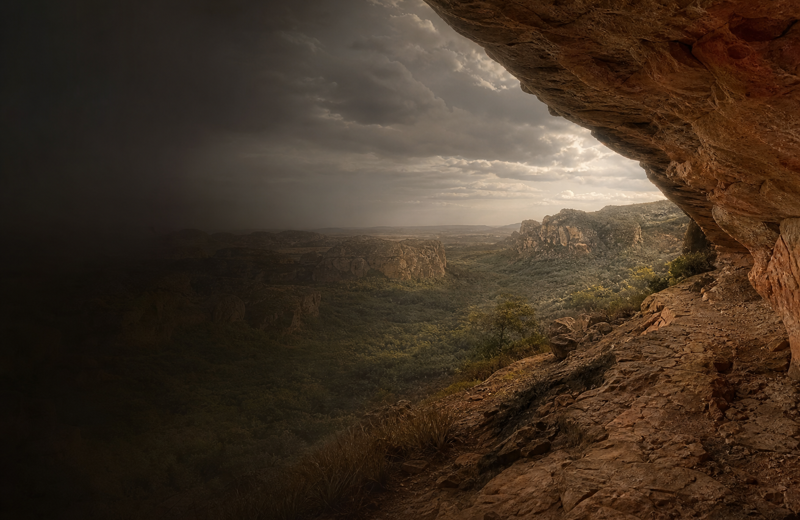
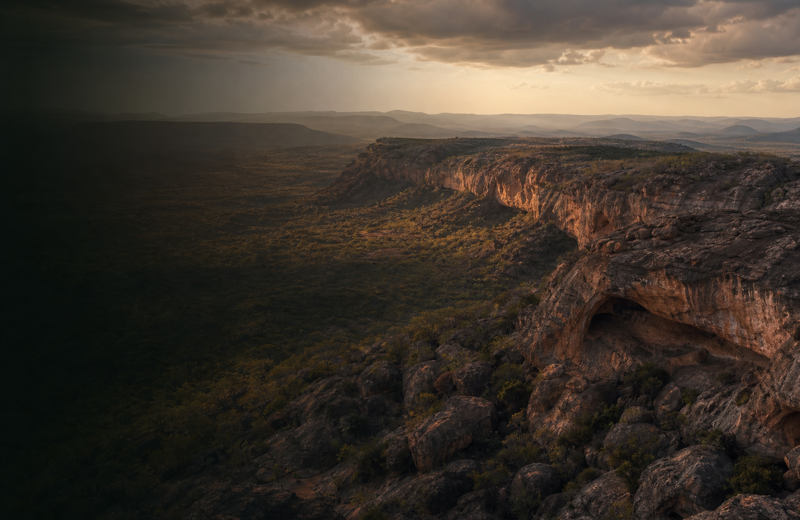
Echoes from Toca do Enoque A solitary Late Holocene hunter-gatherer voice from Serra da Capivara 1681 CE - 1533 BCE Piaui, Brazil (Serra da Capivara)
Argentina_LagunaToro_2400BP Laguna Toro Foragers (ca. 2400 BP) A single genome at a lakeshore campsite hints at Late Holocene lifeways in the Pampas 740 CE - 2002400 BCE Laguna Toro, SW of Buenos Aires, Argentina
Argentina_NorthTierradelFuego_LaArcillosa2_5800BP La Arcillosa 2 — North Tierra del Fuego A lone 5800‑year‑old human remain tying coastal foraging lifeways to mtDNA C 4040 CE - 37105800 BCE Tierra del Fuego (North), Argentina
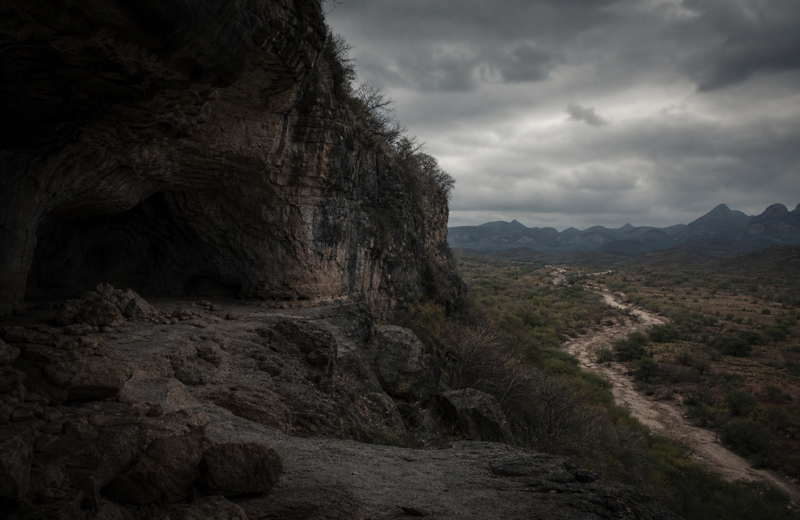
Cueva de los Muertos Chiquitos (Rio Zape) Late Holocene mortuary community in northern Mexico, 100–1400 CE — DNA reveals founding Native American lineages 100 CE - 1400 CE Cueva DeLos Muertos Chiquitos (Rio Zape), Mexico
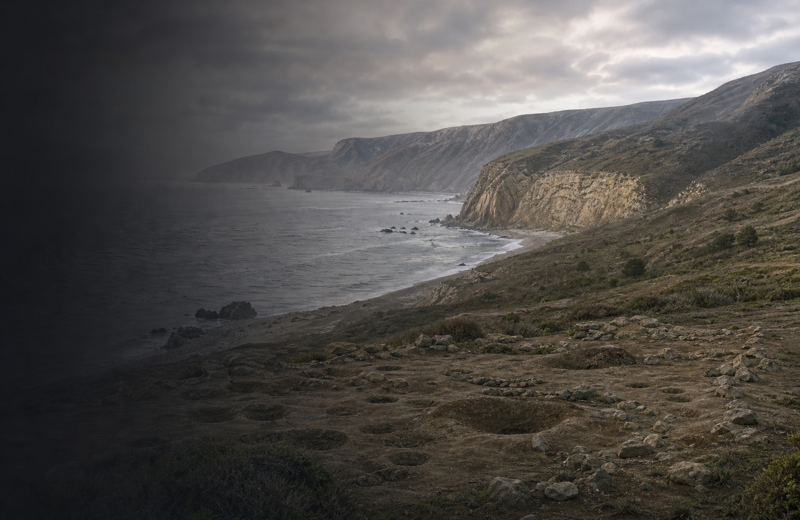
San Clemente Island Coastal Community A maritime forager society (1000–1250 CE) glimpsed through shells, bones and DNA 1000 CE - 1250 CE San Clemente Island, California, USA
Laguna Chica — Pampas Echoes A single 1,600‑year‑old voice from the Pampas linking archaeology and DNA 250 CE - 3851600 CE Pampas, Laguna Chica, Argentina
Laguna Toro: 2400 BP Echoes A single ancient individual from a lagoon southwest of Buenos Aires links archaeology and mitochondrial lineage A 740 CE - 200 BCE Southwest of Buenos Aires, Argentina
La Arcillosa 2: A Wind-Swept Maternal Lineage A single ancient genome from North Tierra del Fuego offers a fragile window into coastal foragers, c. 4040–3710 BCE 4040 CE - 3710 BCE North Tierra del Fuego, Argentina
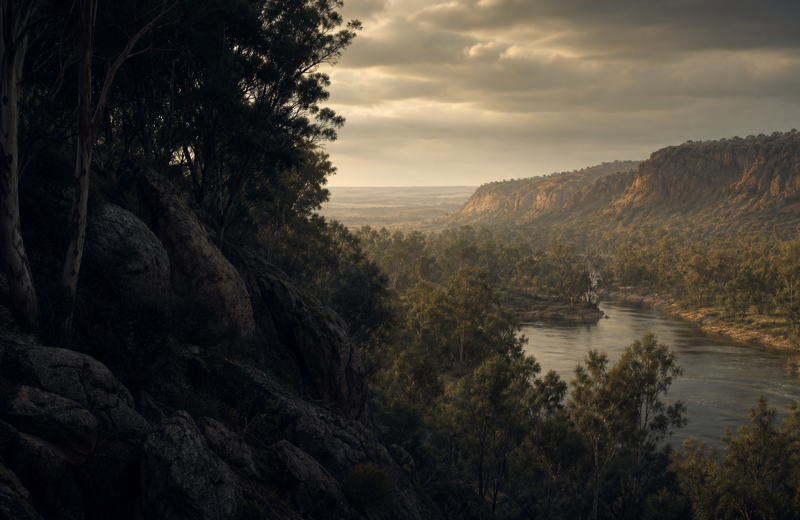
Riverlands of the Murray: NSW Pre‑European Late Holocene lifeways along the Murray and Willandra—archaeology and maternal DNA converge 400 CE - 1788 CE New South Wales, Australia
Toca do Enoque Hunter-Gatherer Genome A late Holocene cave lineage from Serra da Capivara revealed by one ancient genome 1681 CE - 1533 BCE Piauí, Brazil (Serra da Capivara)