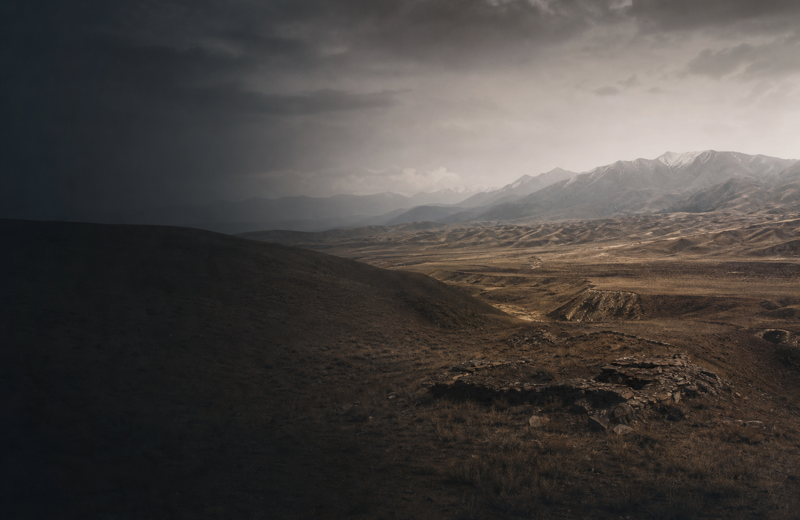
Echoes of the Steppe: G218 Scythian‑Era Graves Iron Age burials from Xinjiang that hint at steppe ties and mixed west‑east ancestry 386 CE - 8 BCE Xinjiang, China (Yili Region, Nileke County, G218)
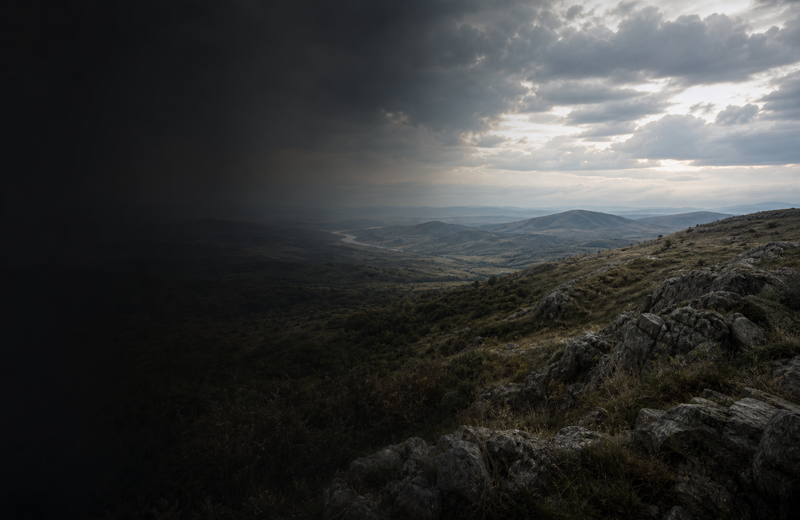
Mezőcsát Prescythian Horizon Early Iron Age communities in Heves County—artifacts and preliminary DNA illuminate a shifting landscape 900 CE - 650 BCE Heves County, Hungary (Central Europe)
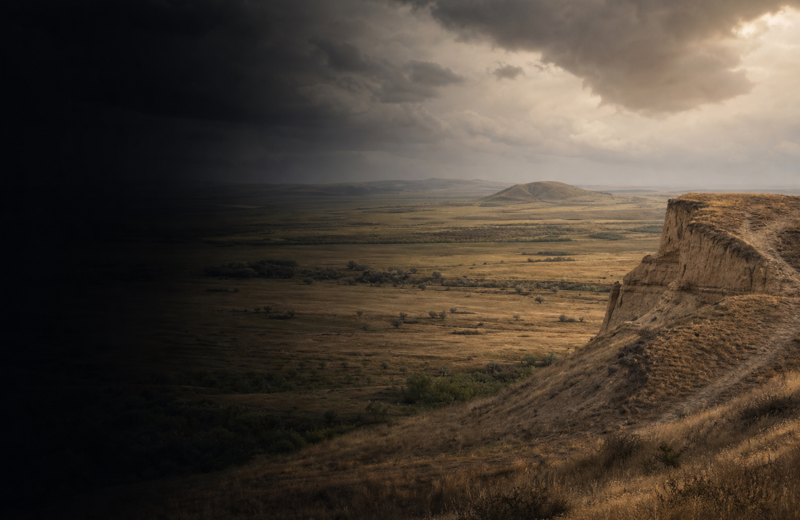
Scythian Hungary: Steppe Echoes Iron Age Scythian presence on the Great Hungarian Plain revealed by archaeology and DNA 4000 BCE - 100 CE Great Hungarian Plain, Hungary
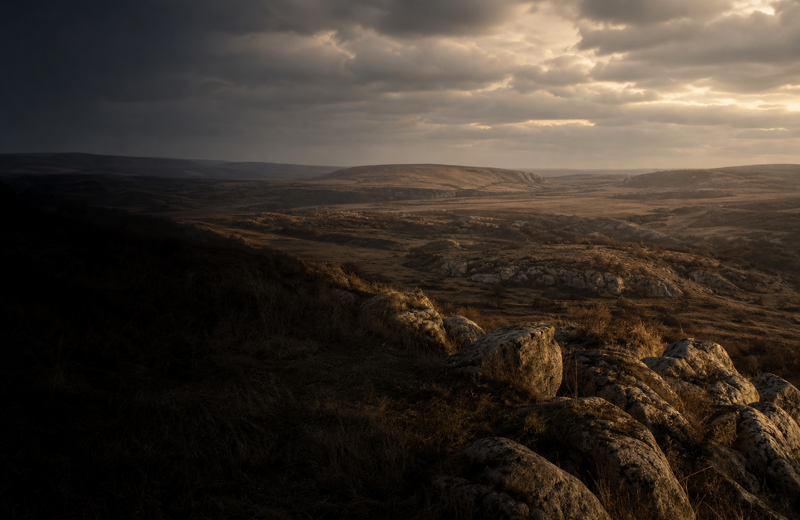
Glinoe Scythian Echoes Scythian-era lives at Glinoe (Slobodzeya District) revealed through archaeology and ancient DNA 400 BCE - 411 CE Glinoe, Slobodzeya District, Moldova
Western Scythians of Ukraine Iron Age horse-warriors and hillfort communities, seen through graves and genomes 778 CE - 171 BCE Ukraine (Pontic steppe)
Scythians of Central Ukraine Warriors of the steppe between the Dnieper and the Black Sea 800 CE - 57 BCE Cherkasy Region, Ukraine
Kazakhstan_EIA Scythians: Riders of the Steppe Kurgans, goldwork and a mixed genetic legacy stretching from the Black Sea to Xinjiang 9 CE - 3 BCE Pontic–Central Steppe, Kazakhstan, Xinjiang, Hungary
Kyrgyzstan_Saka_IA Whispers of the Steppe Horseborn nomads of the Scythian–Saka world across Central Asia 1499 BCE - 884 CE Kyrgyzstan, Kazakhstan, Xinjiang (China), Russia