Kuyavian Neolithic Echoes

下载的 PDF 是图像副本。如需可选中文本及更好的辅助技术支持,请使用打印功能。

Kuyavian Neolithic Echoes

揭开一个失落的文明

正在加载考古记录……

正在收集古代记录

跳转到主内容
Kuyavian Neolithic Echoes
文明焦点

Kuyavian Neolithic Echoes

A brief, evidence-based portrait of the Poland_BKG communities (4600–3980 BCE)

4600 CE - 3980 BCE
Central Poland (Kuyavia)
滚动开始
Chapter I

剧情

了解 Kuyavian Neolithic Echoes 文化

Archaeological and emerging genetic evidence from 8 individuals ties Poland_BKG communities (Oslonki, Konary, Brześć Kujawski) to Neolithic farmer lifeways in central Poland. Limited samples suggest farmer-associated Y haplogroup G and mixed maternal lineages; conclusions remain preliminary.

Time Period

4600–3980 BCE

Region

Central Poland (Kuyavia)

Common Y-DNA

G (3 of 8)

Common mtDNA

U (2), K2a, T, V14, J

Chapter II

时间线

这种文化历史上的关键时刻

4600 BCE

Local Neolithic settlements established

Settlement activity at Brześć Kujawski, Oslonki, and Konary marks established farming villages in Kuyavia.

Chapter III

Origins & Emergence

Archaeological data indicates that the Poland_BKG assemblage belongs to Neolithic farming communities active in the Kuyavian lowlands between roughly 4600 and 3980 BCE. Excavations at Brześć Kujawski, Oslonki, and Konary reveal settled sites with domestic architecture, pottery assemblies, and features such as pits and middens that speak to sustained village life. Material culture links these settlements to broader central European Neolithic interaction networks, though regional particularities in ceramic style and settlement layout mark a local expression of farming lifeways.

Limited evidence suggests these communities established in formerly wooded or mixed landscapes, converting terrain to cultivated plots and creating long-lived settlements visible in the archaeological record. Radiocarbon dates from the referenced sites cluster within the stated range, but chronological resolution varies by site and context. While the term "Brześć Kujawski Group" is used to capture this local tradition, the picture of emergence is nuanced: exchange with neighboring groups and intermittent contact with forager populations likely shaped cultural trajectories. Because the genetic sample set is small (eight individuals), genetic inferences about origins should be treated as provisional and best read in combination with continuing archaeological work.

  • Active in Kuyavia, central Poland (4600–3980 BCE)
  • Sites: Brześć Kujawski, Oslonki, Konary
  • Local expression of broader Neolithic farming networks
Chapter IV

Daily Life & Society

Archaeological traces suggest a rhythm of life centered on cultivated fields, domestic animals, and crafted household goods. Storage pits, charred botanical remains, and grinding stones recovered in village contexts point to cereal cultivation and processing; animal bones indicate managed herds alongside wild resources. Houses and post-built features imply stable settlements with repeated rebuilding phases, hinting at family-based occupancy and investment in place.

Craft activities — pottery making, flint tool production, and organic artifact manufacture where preservation allows — produced the material signatures archaeologists use to reconstruct daily practice. Social life likely combined cooperative labor (fielding, animal care) with localized exchange. Burial evidence in the region is uneven; where mortuary data exist, they show a range of practices, but for Poland_BKG specifically the funerary record is incomplete, limiting confident statements about social hierarchy or ritual. Overall, the archaeological record paints a vivid but partial portrait of settled, agrarian communities adapting to local ecologies.

  • Farming and animal husbandry evident from tools and faunal remains
  • Stable village settlements with craft production and storage features
Chapter V

Genetic Profile

Genetic data from eight individuals attributed to Poland_BKG provide a first look at the community's biological affinities but must be interpreted with caution because of the small sample size. Three male individuals carry Y-chromosome haplogroup G, a lineage frequently observed among early Neolithic farmers in Europe and commonly associated with Anatolian-derived agricultural expansions. The maternal pool is more diverse: two individuals with haplogroup U (a lineage often linked in ancient datasets to European hunter-gatherer ancestry), and single occurrences of K2a, T, V14, and J — haplogroups that appear in a range of Neolithic and post-Neolithic contexts.

Taken together, the pattern is consistent with admixture between incoming Early Farmer ancestry and local hunter-gatherer lineages, a widespread process across Europe during the Neolithic. However, with only eight genomes the picture is preliminary: the apparent prevalence of Y-G may reflect local founder effects or sampling bias, and the mtDNA diversity could shift as more samples become available. Archaeogenetic interpretation therefore remains tentatively framed: Poland_BKG individuals show farmer-associated paternal lineages alongside mixed maternal heritage, aligning with broader models of Neolithic demographic change but requiring further sampling to confirm population-level dynamics.

  • Y-DNA dominated by haplogroup G in sampled males
  • mtDNA shows mixed maternal lineages including U (hunter-gatherer signal) and farmer-associated haplogroups
Chapter VI

Legacy & Modern Connections

These early Kuyavian villages contributed threads to the long tapestry of central Polish prehistory. Genetic signals from Poland_BKG likely represent one chapter in a sequence: initial farmer ancestries arriving in the Neolithic, local hunter-gatherer admixture, and later large-scale population shifts (for example, Bronze Age and Iron Age movements) that further reshaped ancestry landscapes. Therefore, while traces of Poland_BKG lineages may persist in the genetic substrate of later populations, direct continuity to modern groups is complex and interrupted by subsequent migrations.
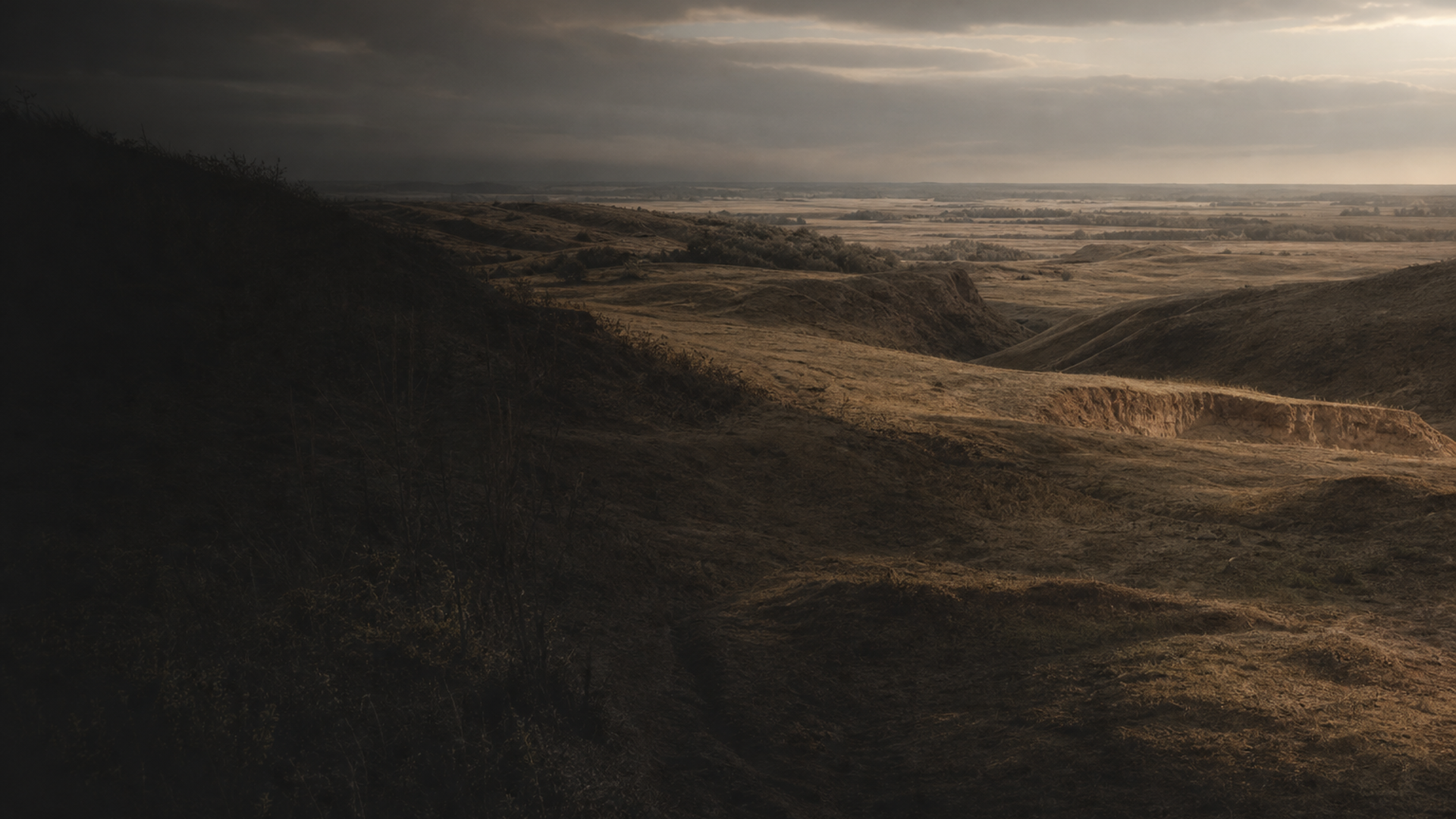
For museum and public audiences, the most compelling message is one of layering: material culture and genomes together record encounters, exchanges, and the slow forging of new lifeways. As ancient DNA sampling grows, we expect a clearer view of how these early Kuyavian communities fit into the genealogy of European populations; for now, their contribution is best described as a formative but provisional strand in a larger story.

  • Part of the complex tapestry of Neolithic ancestry in Poland
  • Modern continuity is possible but obscured by later migrations; conclusions are provisional
AI 电源

AI 助手

就 Kuyavian Neolithic Echoes 文化提问

AI 助手 由DNAGENICS公司制作

解锁此特性
Ask questions about the Kuyavian Neolithic Echoes culture. Our AI assistant can explain genetic findings, historical context, archaeological evidence, and modern connections.
AI 样本分析

Kuyavian Neolithic Echoes 文化是人类历史中值得了解的一章……

遗传分析揭示了与早期种群的联系,同时显示了独特的适应和文化创新的证据。 古代DNA样本提供了对迁徙模式、社会结构以及古代种群之间的生物关系的深刻见解。

这是人工智能分析的预览。 解锁全AI 助手, 以探索关于:

  • 遗传组成和祖先
  • 移徙模式和起源
  • 日常生活和文化习俗
  • 现代遗传遗产

探索更古老的文化

揭开古代世界文明的故事

使用优惠码 可减免 35% • 11月12日 到期




