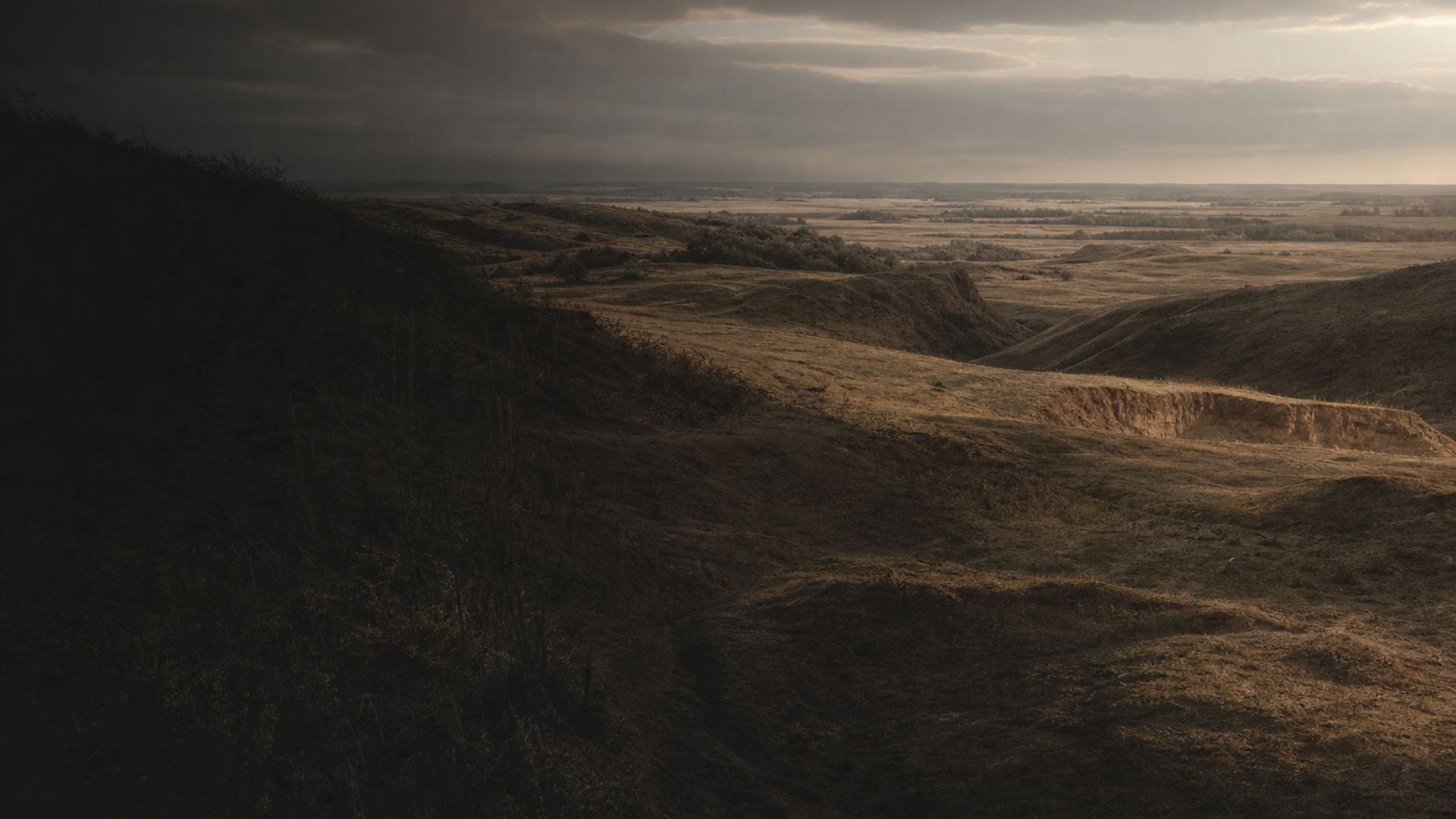
Archaeological traces suggest a rhythm of life centered on cultivated fields, domestic animals, and crafted household goods. Storage pits, charred botanical remains, and grinding stones recovered in village contexts point to cereal cultivation and processing; animal bones indicate managed herds alongside wild resources. Houses and post-built features imply stable settlements with repeated rebuilding phases, hinting at family-based occupancy and investment in place.
Craft activities — pottery making, flint tool production, and organic artifact manufacture where preservation allows — produced the material signatures archaeologists use to reconstruct daily practice. Social life likely combined cooperative labor (fielding, animal care) with localized exchange. Burial evidence in the region is uneven; where mortuary data exist, they show a range of practices, but for Poland_BKG specifically the funerary record is incomplete, limiting confident statements about social hierarchy or ritual. Overall, the archaeological record paints a vivid but partial portrait of settled, agrarian communities adapting to local ecologies.