Liang Island Neolithic Seafarers

下载的 PDF 是图像副本。如需可选中文本及更好的辅助技术支持,请使用打印功能。

Liang Island Neolithic Seafarers

揭开一个失落的文明

正在加载考古记录……

正在收集古代记录

跳转到主内容
Liang Island Neolithic Seafarers
文明焦点

Liang Island Neolithic Seafarers

Early Neolithic island occupants off Fujian linking coastal archaeology and ancient DNA

6370 CE - 5610 BCE
Liang Island, Matsu (Fujian), China
滚动开始
Chapter I

剧情

了解 Liang Island Neolithic Seafarers 文化

Archaeological remains from Liang Island (Matsu, China) dated 6370–5610 BCE reveal a coastal Neolithic lifeway. Limited ancient DNA from two individuals shows Y-DNA O and mtDNA E1 and R9, offering preliminary links to coastal East Asian and Island Southeast Asian populations.

Time Period

6370–5610 BCE

Region

Liang Island, Matsu (Fujian), China

Common Y-DNA

O (observed, n=1)

Common mtDNA

E1, R9 (observed, n=1 each)

Chapter II

时间线

这种文化历史上的关键时刻

6200 BCE

Early coastal occupations on Liang Island

Radiocarbon dates indicate human activity on Liang Island around 6370–5610 BCE, marking early maritime adaptation in the Matsu archipelago.

Chapter III

Origins & Emergence

The earliest evidence on Liang Island (Matsu archipelago, Fujian coast) presents a picture of human settlement emerging in the Early Holocene shoreline environment. Radiocarbon determinations cluster between ca. 6370 and 5610 BCE, a time when rising seas and rich coastal ecosystems shaped human mobility. Archaeological data indicates shell middens, worked shell and bone, and simple lithic tools — traces of a maritime-adapted community exploiting rocky intertidal zones and nearshore fisheries.

Limited evidence suggests these island occupants were part of broader coastal networks that stretched along South China’s shoreline and into Island Southeast Asia. The material culture displays affinities with Early Neolithic coastal assemblages: emphasis on marine resources, lightweight expedient tools, and probable use of simple watercraft. Yet the archaeological record on Liang Island is thin, and interpretation depends on a small suite of sites and finds.

Cinematic, wind-scoured cliffs and midden terraces speak to seasonal rhythms and a knowledge of tides and currents. Archaeological data indicates these were not isolated castaways but participants in a shifting coastal frontier, where technology and social connections followed the tides. Given the limited dataset, claims about population origins remain tentative but point toward continuity with coastal East Asian foragers transitioning into early Neolithic lifeways.

  • Dates: calibrated radiocarbon ~6370–5610 BCE from Liang Island contexts
  • Coastal adaptation: shell middens, fishhooks/harpoons implied by bone work
  • Regional links: material affinities with South China coast and Island Southeast Asia
Chapter IV

Daily Life & Society

Life on Liang Island would have been shaped by salt, wind and the sea’s seasonal abundance. Archaeological data indicates diets dominated by shellfish, fish and marine mammals supplemented by coastal plants and possibly limited terrestrial resources brought from nearby mainland. Shell middens preserve a granular record of meals and tool production: shells, fish vertebrae, and fragments of worked bone and shell suggest routine processing and communal consumption.

Settlement traces are modest — ephemeral house floors or postholes are rarely preserved in exposed island soils — implying lightweight dwellings and mobile or semi-sedentary occupation. Craft activities likely took place near sheltered coves: the manufacture of shell tools, bone points, and small stone implements for fishing and processing. Social life would have revolved around cooperative marine foraging, knowledge of currents, and shared technologies for harvesting and preserving food. Trade or exchange of goods, such as distinctive shell ornaments or specific stone raw materials, may have linked Liang Islanders to neighboring coastal groups, though direct evidence remains limited.

Archaeological data indicates a society organized at the household or small-community scale rather than large, permanent villages. Environmental exposure means the archaeological picture is fragmentary; reconstructions emphasize plausible patterns rather than definitive social structures.

  • Marine-focused diet: shellfish, fish bones, and processed marine resource debris
  • Lightweight settlements: ephemeral architecture and coastal craft production
Chapter V

Genetic Profile

Ancient DNA from Liang Island is extremely limited: only two sampled individuals currently inform genetic interpretation, so conclusions must be regarded as preliminary. Both samples date within the Early Neolithic range for the site (ca. 6370–5610 BCE). One individual carried Y-chromosome lineage O (observed once), a haplogroup widespread in modern East and Southeast Asian populations and often associated with later agricultural expansions in the region. Mitochondrial lineages observed include E1 and R9 (one individual each), haplogroups with modern distributions along coastal East Asia and into Island Southeast Asia.

These mitochondrial signals are intriguing because mtDNA E lineages are commonly observed among island and coastal populations, suggesting maternal ancestry connections with maritime-adapted groups. R9 also has coastal associations in Holocene East Asia. Archaeological data indicates maritime lifeways on Liang Island, and the genetic profile — albeit from n=2 — is consistent with continuity or gene flow among coastal populations across South China and the northern fringe of Island Southeast Asia.

However, with such a small sample count (<10), statements about demographic patterns, migration routes, or population continuity are highly tentative. Future sampling from Liang Island and comparative coastal sites (mainland Fujian, Taiwan, and northern Island Southeast Asia) will be essential to move from suggestive patterns to robust models of genetic ancestry and mobility.

  • Very small sample size (n=2): conclusions are preliminary and tentative
  • Observed lineages: Y-DNA O (1); mtDNA E1 (1) and R9 (1), aligning with coastal East Asian connections
Chapter VI

Legacy & Modern Connections

The archaeological and genetic echoes from Liang Island offer a window into coastal threads that likely contributed to the deep prehistory of East and Southeast Asian maritime populations. Archaeological data indicates that early coastal adaptations and seafaring knowledge laid groundwork for later movements of people, ideas and genes along the shorelines. The mtDNA and Y-DNA lineages observed, while preliminary, resonate with haplogroups found today among coastal communities across southern China and Island Southeast Asia, suggesting long-term regional connectivity.

Heritage from these island communities is not a single line but a braided story: seasonal mobility, specialized marine knowledge, and exchange networks that would later be woven into the complex tapestry of Neolithic and post-Neolithic population shifts. As ancient DNA sampling increases, Liang Island may help clarify how coastal foragers contributed to the genetic and cultural foundations of modern coastal East Asian societies.
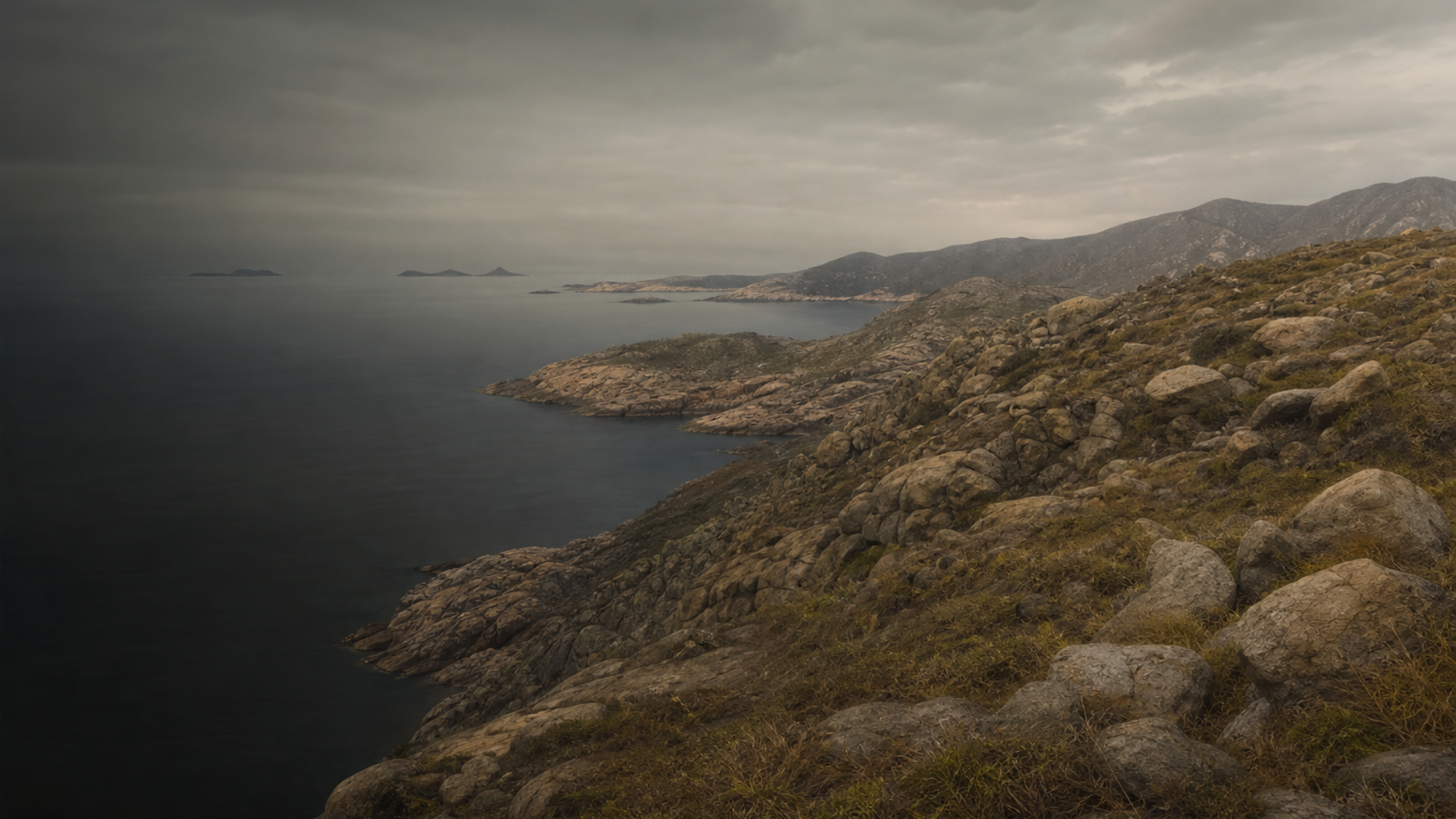

Limited evidence makes definitive links speculative, but the island’s sand-whipped middens and the fragile strands of ancient DNA together form a compelling invitation for further research.

  • Preliminary genetic links to modern coastal East and Southeast Asian populations
  • Archaeological importance as a potential node in early maritime exchange networks
AI 电源

AI 助手

就 Liang Island Neolithic Seafarers 文化提问

AI 助手 由DNAGENICS公司制作

解锁此特性
Ask questions about the Liang Island Neolithic Seafarers culture. Our AI assistant can explain genetic findings, historical context, archaeological evidence, and modern connections.
AI 样本分析

Liang Island Neolithic Seafarers 文化是人类历史中值得了解的一章……

遗传分析揭示了与早期种群的联系,同时显示了独特的适应和文化创新的证据。 古代DNA样本提供了对迁徙模式、社会结构以及古代种群之间的生物关系的深刻见解。

这是人工智能分析的预览。 解锁全AI 助手, 以探索关于:

  • 遗传组成和祖先
  • 移徙模式和起源
  • 日常生活和文化习俗
  • 现代遗传遗产

探索更古老的文化

揭开古代世界文明的故事

使用优惠码 可减免 35% • 11月12日 到期




