Voices of Tierra del Fuego

下载的 PDF 是图像副本。如需可选中文本及更好的辅助技术支持,请使用打印功能。

Voices of Tierra del Fuego

揭开一个失落的文明

正在加载考古记录……

正在收集古代记录

跳转到主内容
Voices of Tierra del Fuego
文明焦点

Voices of Tierra del Fuego

Selknam people of northern Tierra del Fuego: archaeology, history, and small-sample DNA insights

1800 CE - 1900 CE
Tierra del Fuego, Argentina (Strait of Magellan)
3 Ancient Samples
滚动开始
Chapter I

剧情

了解 Voices of Tierra del Fuego 文化

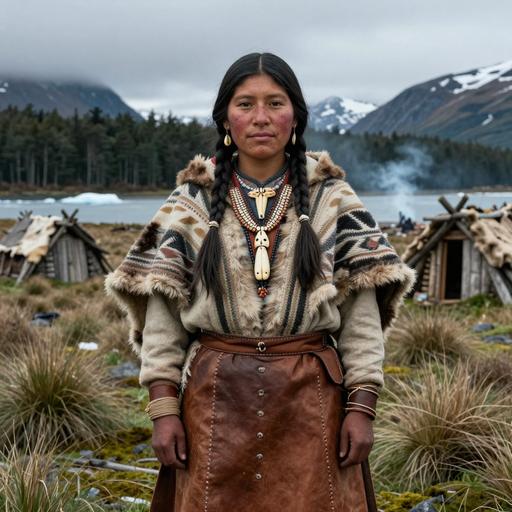
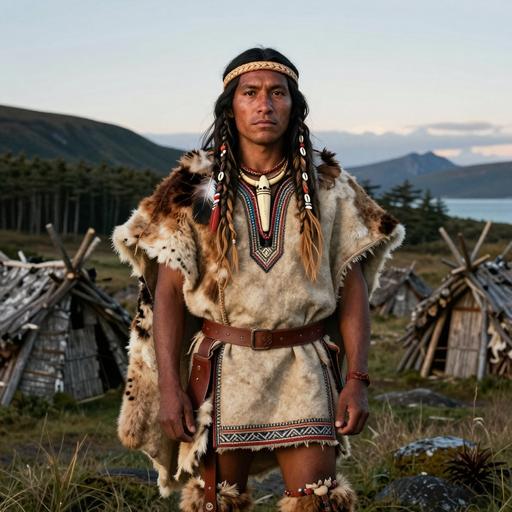
Late 19th-century Selknam communities from northern Tierra del Fuego (Strait of Magellan). Archaeological evidence and three DNA samples hint at Indigenous paternal haplogroup Q and maternal D and C1b lineages—findings are preliminary due to very small sample size.

Time Period

1800–1900 CE

Region

Tierra del Fuego, Argentina (Strait of Magellan)

Common Y-DNA

Q (1 of 3 samples)

Common mtDNA

D (2 of 3), C1b (1 of 3)

Chapter II

时间线

这种文化历史上的关键时刻

1880 CE

Intense colonial contact and demographic collapse

Late 19th-century ranching, missionization, and violence brought rapid population decline and social disruption among Selknam communities around the Strait of Magellan.

Chapter III

Origins & Emergence

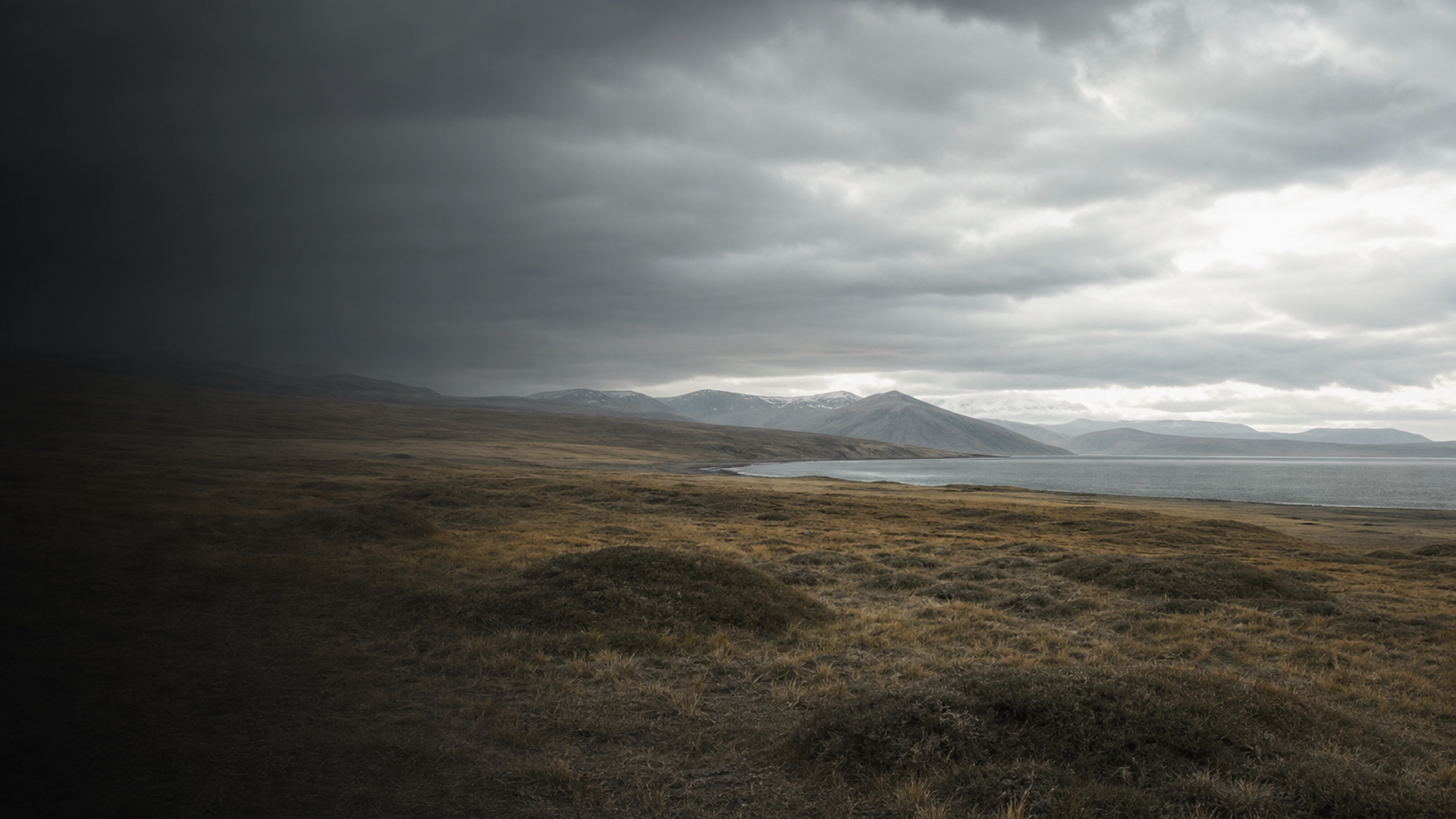
The Selknam (often called Ona in historical sources) occupied the northern interior of Isla Grande de Tierra del Fuego and the adjacent shores of the Strait of Magellan into the 19th century. Archaeological traces in this region—scattered camp sites, lithic scatters, and occasional shell-rich middens—are consistent with a long-term hunter–gatherer presence through the Late Holocene. Ethnohistoric records, collected by missionaries and explorers in the 19th century (e.g., around Estancia Harberton and along the Río Grande area), document a complex social landscape of seasonal movement, maritime resource use, and ritual life.

Limited archaeological excavation has been carried out specifically on Selknam habitations; much of the cultural picture derives from historic accounts, portable artifacts in museum collections, and comparative study with neighbouring Fuegian groups. This constrained archaeological visibility means that statements about the Selknam emergence and population dynamics remain provisional. Genetic data from three individuals dated to 1800–1900 CE provide a new, if small, window into ancestry and continuity in the region, complementing—but not replacing—archaeological and historical lines of evidence.

  • Occupied northern Isla Grande de Tierra del Fuego and Strait of Magellan
  • Evidence from camps, lithics, and middens; limited formal excavation
  • Historical documentation from 19th-century missions and explorers
Chapter IV

Daily Life & Society

Archaeological indicators and ethnohistorical descriptions paint a vivid, adaptive lifeway: Selknam peoples combined terrestrial hunting of guanaco and seabird gathering with forays to coastal resources along the Strait of Magellan. Material culture—stone tools, hide-working implements, and portable ornaments preserved in museum collections—speaks to technologies adapted to strong winds, cold, and seasonal resource pulses.

Ritual life, famously described in ethnographies, was central: the Hain initiation ceremony (a masked, theatrical institution for social education and alliances) structured social roles and intergenerational transmission. Rock art panels and painted body motifs recorded in early photographs suggest symbolic landscapes layered onto the physical environment. Settlement patterns appear mobile and seasonally flexible; seasonal camps likely clustered near freshwater and game corridors.

Archaeological data indicate continuity with earlier Late Holocene patterns of mobility and resource diversification, but our understanding is limited by uneven fieldwork and the dramatic demographic disruptions of the late 19th century that altered settlement and material deposition.

  • Mixed economy: guanaco hunting, seabird and marine resource use
  • Rich ritual practice (Hain ceremonies), mobile seasonal camps
Chapter V

Genetic Profile

Three DNA samples from northern Tierra del Fuego, dated to roughly 1800–1900 CE, yield a concise but important genetic snapshot. Paternal lineage: one individual carried Y-haplogroup Q, a lineage widely associated with Native American paternal ancestry across the Americas. Maternal lineages: two individuals carried mtDNA haplogroup D and one carried C1b; both D and C1b are well-established founding Native American maternal lineages that appear in ancient and modern populations across South America.

These genetic signatures are consistent with a broader pattern of Indigenous American ancestry in southern South America and align with expectations from archaeological continuity in the region. However, the sample count is very small (n = 3). Limited samples mean that frequency estimates and claims of population structure or continuity must be considered preliminary. Ancient DNA from nearby groups (Yámana, Kawésqar) and additional Selknam samples would be needed to test hypotheses about regional gene flow, sex-biased admixture, and demographic change during the colonial era.

Where archaeology records social disruption and demographic collapse in the late 19th century, genetics can help test whether surviving lineages persisted locally or whether later admixture reshaped ancestry profiles. At present, the data point to Indigenous continuity but cannot resolve finer-scale population history.

  • Y-DNA: Q (consistent with Native American paternal ancestry)
  • mtDNA: D (2) and C1b (1); small sample size—conclusions tentative
Chapter VI

Legacy & Modern Connections

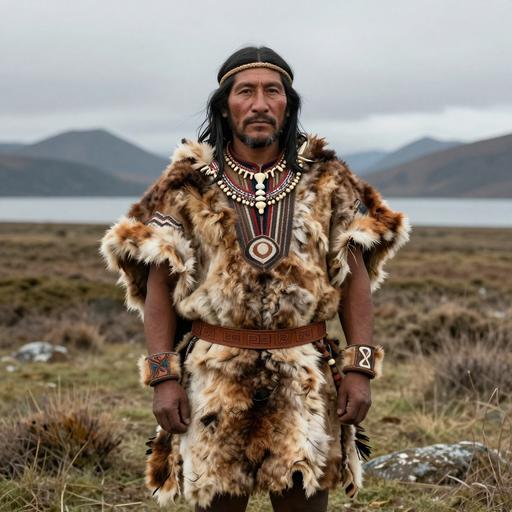
Selknam cultural memory survives in ritual descriptions, photographs, museum collections, and the oral histories of descendant communities. Genetic findings from these three late-19th-century individuals provide a molecular link to that heritage, showing maternal and paternal lineages that tie into the broader tapestry of Indigenous South American ancestry.

Because the archaeological record and sampled genomes are limited, modern descendants and communities should view these genetic signals as preliminary contributions to a larger story that requires more samples, collaborative research, and respectful curation of remains and stories. When integrated carefully with archaeology and history, DNA can illuminate continuity, migration, and the profound impacts of colonial contact, while foregrounding Selknam resilience and cultural persistence into the present.
  • Genetic signals align with Indigenous South American lineages, supporting continuity
  • Small-sample genetics must be paired with community collaboration and more data
Chapter VII

样本目录

3 份与 Voices of Tierra del Fuego 文化相关的古 DNA 样本,为研究该时期的人群提供遗传线索。

3 / 3 samples
纵向 样本 国家 大纪元 日期 文化 性别 Y-DNA mtDNA
重建的肖像画 Indigenous Cultures of South America individual, Argentina
Indigenous Cultures of South America individual, Argentina
Argentina Argentina_NorthTierradelFiego_Selknam_100BP 1800 CE Indigenous Cultures of South America M Q-M902 D1g5
重建的肖像画 Indigenous Cultures of South America individual, Argentina
Indigenous Cultures of South America individual, Argentina
Argentina Argentina_NorthTierradelFiego_Selknam_100BP 1800 CE Indigenous Cultures of South America F - D4h3a
重建的肖像画 Indigenous Cultures of South America individual, Argentina
Indigenous Cultures of South America individual, Argentina
Argentina Argentina_NorthTierradelFiego_Selknam_100BP 1800 CE Indigenous Cultures of South America M - C1b
AI 电源

AI 助手

就 Voices of Tierra del Fuego 文化提问

AI 助手 由DNAGENICS公司制作

解锁此特性
Ask questions about the Voices of Tierra del Fuego culture. Our AI assistant can explain genetic findings, historical context, archaeological evidence, and modern connections.
AI 样本分析

Voices of Tierra del Fuego 文化是人类历史中值得了解的一章……

遗传分析揭示了与早期种群的联系,同时显示了独特的适应和文化创新的证据。 古代DNA样本提供了对迁徙模式、社会结构以及古代种群之间的生物关系的深刻见解。

这是人工智能分析的预览。 解锁全AI 助手, 以探索关于:

  • 遗传组成和祖先
  • 移徙模式和起源
  • 日常生活和文化习俗
  • 现代遗传遗产

探索更古老的文化

揭开古代世界文明的故事

使用优惠码 可减免 35% • 11月12日 到期