Wind-Swept Saka: Eleke Sazy Burials

下载的 PDF 是图像副本。如需可选中文本及更好的辅助技术支持,请使用打印功能。

Wind-Swept Saka: Eleke Sazy Burials

揭开一个失落的文明

正在加载考古记录……

正在收集古代记录

跳转到主内容
Wind-Swept Saka: Eleke Sazy Burials
文明焦点

Wind-Swept Saka: Eleke Sazy Burials

Iron Age Tasmola‑Saka burials on the Eleke Sazy Plateau, revealing steppe life through archaeology and DNA

789 CE - 483 BCE
East Kazakhstan (Tarbagatai, Eleke Sazy Plateau)
滚动开始
Chapter I

剧情

了解 Wind-Swept Saka: Eleke Sazy Burials 文化

Three Iron Age burials (789–483 BCE) from Eleke Sazy II, Tarbagatai, Kazakhstan connect Tasmola‑Saka funerary landscapes with preliminary ancient DNA: one Y‑R and maternal J and A lineages. Limited samples suggest mixed west–east maternal ancestry within a steppe pastoralist context.

Time Period

789–483 BCE

Region

East Kazakhstan (Tarbagatai, Eleke Sazy Plateau)

Common Y-DNA

R (1 sample)

Common mtDNA

J (2), A (1)

Chapter II

时间线

这种文化历史上的关键时刻

789 BCE

Earliest dated Eleke Sazy burial (range start)

Beginning of the radiocarbon range for the sampled burials at Eleke Sazy II, marking Tasmola‑Saka activity.

483 BCE

Latest dated Eleke Sazy burial (range end)

End of the dated range for the three sampled burials, within the Iron Age Saka horizon.

Chapter III

Origins & Emergence

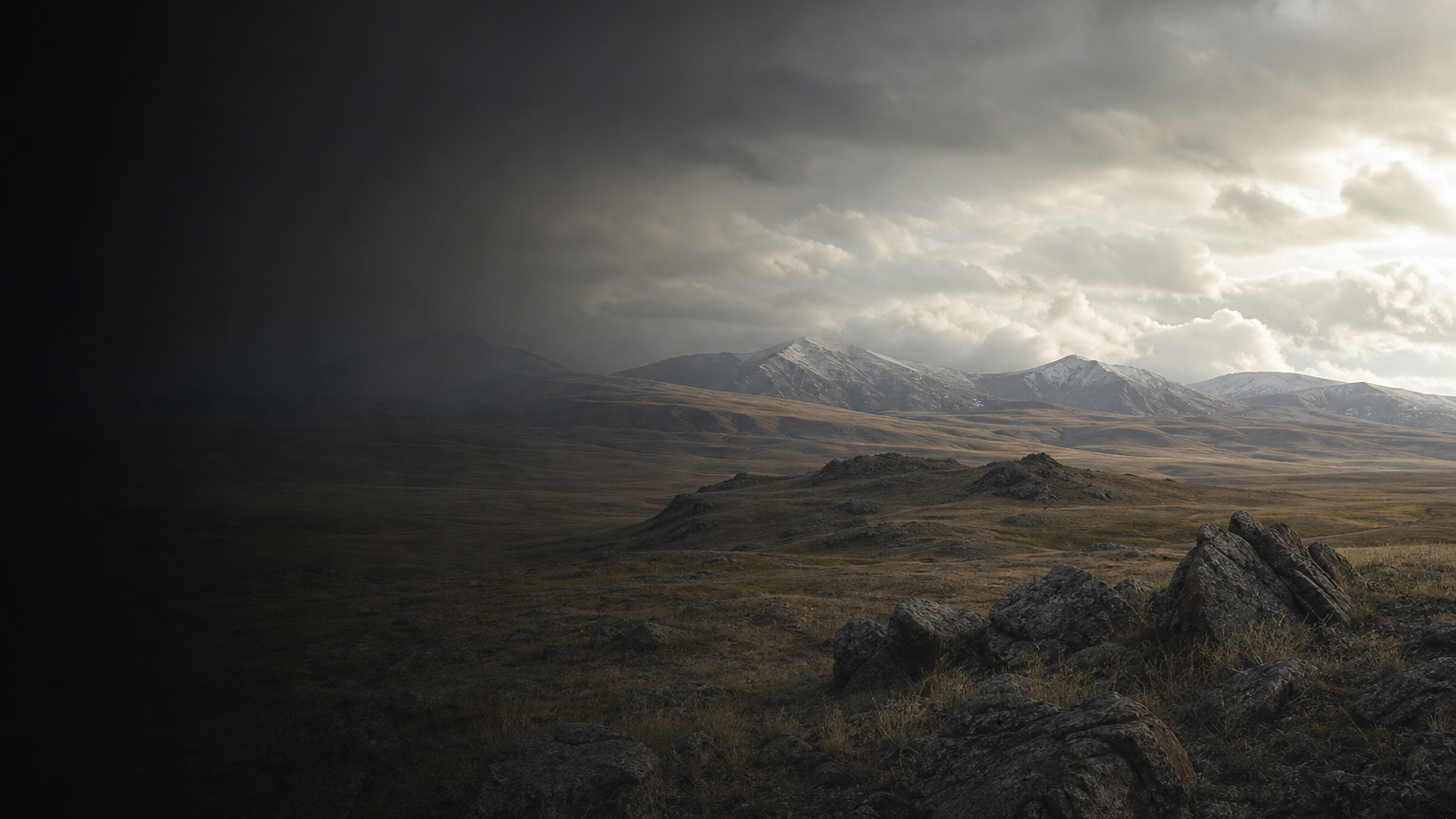
On the wind‑scoured Eleke Sazy Plateau in the Tarbagatai District of East Kazakhstan, funerary mounds carve the horizon. Archaeological data indicates these mounds, including Eleke Sazy II mounds 4 and 9, date to the late first millennium BCE (radiocarbon range 789–483 BCE) and belong to the Iron Age Tasmola‑Saka cultural horizon. The Tasmola phase is commonly seen as part of a wider Saka phenomenon across the steppe: mobile pastoralist groups who built kurgans (burial mounds) and practiced horse‑centred lifeways derived from earlier Bronze Age steppe traditions.

Material traces at Eleke Sazy show patterned funerary architecture and assemblages that archaeologists interpret as expressions of status and mobility — stone ring settings, deliberate mound construction, and associated grave goods in nearby Tasmola and Saka contexts. These features suggest a continuity of steppe mortuary practice adapted to local landscapes.

Limited ancient DNA from three burials at Eleke Sazy provides a nascent genetic window on this cultural horizon. Because the sample count is small, any population‑level inference must be treated as provisional. Nevertheless, combining burial contexts, radiocarbon dates, and genetic signatures begins to illuminate how local communities at the converging edge of West and East Eurasia negotiated identity and kinship across the Iron Age steppe.

  • Site: Eleke Sazy II (mounds 4 & 9), Elek Sazy Plateau, Tarbagatai District
  • Dates: Directly dated burials between 789–483 BCE (Iron Age, Tasmola‑Saka horizon)
  • Archaeology indicates continuation of steppe kurgan traditions adapted locally
Chapter IV

Daily Life & Society

Beneath the plateau's open sky, life for Tasmola‑Saka communities would have been shaped by mobility, herding and the rhythms of the steppe. Archaeological data from Tasmola and neighbouring Saka contexts indicates pastoralism — especially sheep, goat and horse management — as an economic backbone. The prominence of horse trappings and riding gear in many Iron Age steppe burials suggests mounted pastoralists with strong equestrian traditions, enabling long‑distance movement and social networking across the Tarbagatai highlands.

Burial architecture and grave assemblages act as social texts: richly furnished graves elsewhere in the Saka world contain metalwork, ornaments and weapons that point to social differentiation, craft exchange, and connections along trans‑steppe routes. In the Eleke Sazy burials themselves, the archaeological record is fragmentary but consistent with a landscape of seasonal camps, ritualized burial, and material exchange.

Ethnographic analogy and regional archaeology suggest kinship groups organized around herd management, with mobile households forming alliances by marriage and ritual. Yet, because direct household or settlement evidence from Eleke Sazy is limited, many aspects of daily social organization remain open questions and active topics for future excavation and ancient DNA sampling.

  • Economy: Mobile pastoralism with emphasis on horses, sheep and goats
  • Social signals: Mortuary differentiation indicates status and long‑distance links
Chapter V

Genetic Profile

The ancient DNA dataset from Eleke Sazy II is small (three individuals) but revealing when paired with archaeological context. Genetic typing shows one male individual carrying a Y‑chromosome haplogroup R, a lineage frequently observed among Eurasian steppe populations. Maternal lineages include mtDNA haplogroup J in two individuals and haplogroup A in one.

MtDNA J is often linked to West Eurasian maternal ancestry, while mtDNA A is associated with East Eurasian/Northeast Asian lineages. This combination — West‑leaning maternal J alongside an East‑linked A — suggests that the local maternal gene pool at Eleke Sazy contained mixed influences. The presence of Y‑R for the single male aligns with broader patterns where steppe paternal lineages played a major role in Iron Age pastoralist groups.

Crucially, with only three genomes sampled (<10), any broader demographic reconstruction is preliminary. Archaeogenetic studies across the Eurasian steppe show that Saka‑period groups commonly exhibit admixture between western steppe pastoralist ancestry and eastern Eurasian components; the Eleke Sazy results are compatible with this pattern, but more samples and genome‑wide analyses are needed to quantify admixture proportions, migration vectors, and kinship within and between kurgans.

Future targeted sampling (more individuals, additional sites) will clarify whether the mix of J and A mtDNA at Eleke Sazy reflects household‑level exogamy, long‑distance marriage networks, or shifting population dynamics across the Tarbagatai corridor.

  • Small dataset (3 samples): results are preliminary and require more sampling
  • Maternal mix (J and A) suggests west–east maternal ancestry; Y‑R fits steppe paternal patterns
Chapter VI

Legacy & Modern Connections

Fragments of bone and metal on the Eleke Sazy Plateau speak to long echoes in the genetics and cultural memory of Central Asia. The combination of maternal J and A lineages ties these Iron Age individuals into broader west–east maternal clines that persist in modern populations across Eurasia. Paternal R lineages similarly connect to enduring steppe genetic threads commonly found in present‑day inhabitants of Kazakhstan and neighbouring regions.

Archaeologically, the Tasmola‑Saka mortuary repertoire contributed to a regional vocabulary of identity — kurgan building, horse symbolism and portable wealth — that shaped later nomadic polities on the steppe. Genetically, Eleke Sazy offers an early snapshot of admixture processes that over centuries forged the heterogeneous ancestries characterizing contemporary Kazakh and Central Asian populations. Because the sample size is small, these connections remain suggestive rather than definitive, pointing to promising directions for future fieldwork and paleogenomic research.

  • Genetic threads at Eleke Sazy resonate with modern Kazakh and Central Asian diversity
  • Cultural legacy: steppe funerary traditions and horse‑centred identity across centuries
AI 电源

AI 助手

就 Wind-Swept Saka: Eleke Sazy Burials 文化提问

AI 助手 由DNAGENICS公司制作

解锁此特性
Ask questions about the Wind-Swept Saka: Eleke Sazy Burials culture. Our AI assistant can explain genetic findings, historical context, archaeological evidence, and modern connections.
AI 样本分析

Wind-Swept Saka: Eleke Sazy Burials 文化是人类历史中值得了解的一章……

遗传分析揭示了与早期种群的联系,同时显示了独特的适应和文化创新的证据。 古代DNA样本提供了对迁徙模式、社会结构以及古代种群之间的生物关系的深刻见解。

这是人工智能分析的预览。 解锁全AI 助手, 以探索关于:

  • 遗传组成和祖先
  • 移徙模式和起源
  • 日常生活和文化习俗
  • 现代遗传遗产

探索更古老的文化

揭开古代世界文明的故事

使用优惠码 可减免 35% • 11月12日 到期