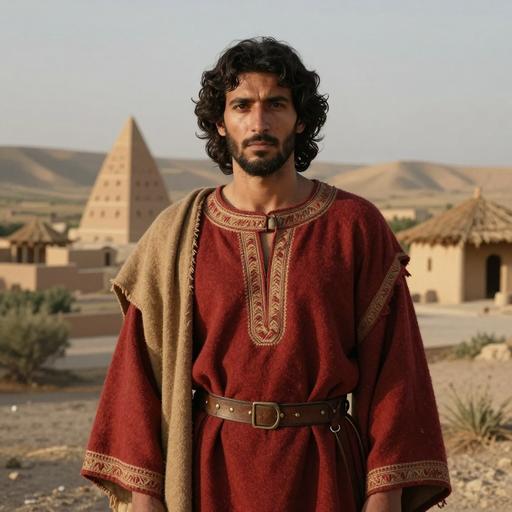
The Iron Age in Hasanlu, located in the Solduz Valley of northwestern Iran, represents a fascinating period in the history of the ancient Near Eastern civilization. This era, spanning approximately from 1200 to 800 BCE, is most notably marked by the development and frequent use of iron metallurgy, which significantly influenced the socio-political, economic, and cultural aspects of the region.
Archaeological Findings and Architecture
Hasanlu is primarily known for its archaeological site, Hasanlu Tepe, which offers a rich tapestry of artifacts and architectural remains. The most renowned layer, known as Hasanlu IV, corresponds to the Iron Age II period (circa 1000-800 BCE) and provides the most comprehensive insights into the settlement's development. The site is characterized by its fortified nature, with massive stone walls and bastions that suggest a need for defense against regional conflicts and incursions.
The architecture of Hasanlu features mudbrick constructions and a central citadel, indicating a complex societal hierarchy. The citadel complex encompassed a variety of buildings, including palatial structures, storage facilities, workshops, and residential areas, reflecting both the political power and the everyday life of its inhabitants. Evidence of advanced urban planning is also apparent, with clearly delineated public spaces and thoroughfares.
Society and Culture
The Iron Age society in Hasanlu was likely structured hierarchically, with a ruling elite governing over a mixed population of craftsmen, farmers, and possibly slaves. The presence of luxurious items, such as exquisitely crafted jewelry, weapons, and ceremonial vessels, implies a wealthy class that could afford such items. The famous \Gold Bowl of Hasanlu," discovered in a burnt layer of destruction, depicts intricate scenes of mythological and societal importance, illustrating the complex artistic and cultural sensibilities of the time.
Religion and ritual played a significant role in Hasanlu culture, as evidenced by the finds of altars and various religious artifacts. Artistic motifs often depict deities, mythical creatures, and religious ceremonies, suggesting a belief system that was interwoven with daily life and governance. Cross-cultural influences from neighboring regions can also be seen in the artistic styles and iconography, indicating active trade and interactions with the wider ancient world.
Economy and Trade
The economy of Hasanlu during the Iron Age was diverse and dynamic, relying on agriculture, animal husbandry, metallurgy, and trade. The fertile Solduz Valley supported the cultivation of crops like barley and wheat, while the surrounding highlands provided pasturage for livestock. Hasanlu's strategic location along trade routes facilitated the exchange of goods such as metals, textiles, and pottery, connecting it with major civilizations of the Near East, including Assyria, Urartu, and Elam.
Metallurgical expertise was a hallmark of the Hasanlu economy, with plenty of iron tools and weapons reflecting advanced metalworking skills. The transition from bronze to iron not only transformed local economies but also enhanced military capabilities, impacting regional power dynamics.
Decline and Legacy
The decline of Hasanlu IV, around the 8th century BCE, is often attributed to a catastrophic destruction layer, possibly due to military invasion or internal upheaval. This event marks the end of the Iron Age prosperity in Hasanlu but leaves behind a legacy rich in cultural and historical insights.
Excavations at Hasanlu have offered invaluable contributions to our understanding of Iron Age civilizations in the Near East, representing a confluence of indigenous developments and external influences. The site's artifacts and architectural remains continue to reveal insights into the socio-political structures, cultural expressions, and everyday life of a vibrant and complex society."