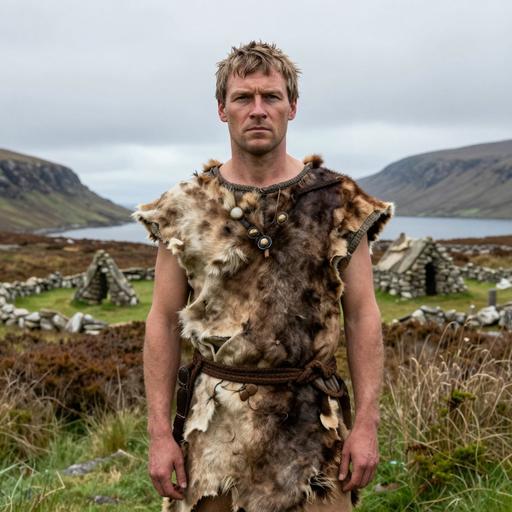
Neolithic Skye, part of the Inner Hebrides off the west coast of Scotland, offers a fascinating glimpse into a prehistoric era deeply intertwined with the Celts' way of life, even though the Celts as a distinct cultural group are more associated with the later Iron Age. However, for the sake of your query, we’ll explore the Neolithic period in Skye, which typically spans from around 4000 to 2500 BCE, highlighting the unique aspects that might seem semi-mythologically bridged with the Celtic identity due to their deep-rooted connections with the landscape, spirituality, and communal living.
Geographic and Environmental Context
Skye, with its rugged, dramatic landscape of high cliffs, sweeping moors, and rich wildlife, provided both challenges and bounties to Neolithic inhabitants. The island's fertile valleys and abundant fishing grounds supported subsistence agriculture and hunting-gathering practices, essential for survival and community sustenance. The temperate, though often harsh, climate would have required resilience and innovative adaptation from the island's early peoples.
Social Structure and Lifestyle
The Neolithic inhabitants of Skye likely lived in small, kin-based communities, focused on collective wellbeing and survival. They built permanent settlements comprised of stone houses, many of which were sturdily constructed to withstand the often unpredictable weather. These homes had central hearths, indicating the importance of fire for warmth, cooking, and social gatherings.
The community was probably egalitarian, with tasks and responsibilities shared based on skill and need rather than rigid hierarchies. Women played a significant role in gathering, crafting, and possibly in spiritual leadership, suggesting a relatively balanced gender dynamic.
Agriculture and Economy
The economy was primarily subsistence-based. Neolithic farmers in Skye cultivated cereals such as barley and wheat, and they kept domesticated animals, including cattle, sheep, and pigs. The development of agriculture was a significant leap in this era, requiring detailed knowledge of seasons and the environment.
Fishing and shellfishing were also crucial, with the island’s coastline providing rich sources of food. The people of Skye adeptly utilized the abundant natural resources around them, including stone, wood, and bone, to create tools and construct dwellings.
Spirituality and Art
Spiritual beliefs of the Neolithic era were likely animistic, with a profound reverence for nature that later Celtic spiritual practices in the region echoed. This spiritual connection with the land is evidenced in their ceremonial sites and burial practices.
Megalthic structures such as the chambered cairns found on Skye, like the one at Kilvaxter, reveal complex rituals surrounding death and regeneration. These cairns, often aligned with particular celestial events, suggest that the movement of the sun, moon, and stars held significant symbolic meaning.
Artifacts such as carved stone balls, pottery, and tools demonstrate a sophisticated aesthetic sensibility and an inclination towards artistry, indicating that creative expression was an integral part of their daily and spiritual lives.
Interaction and Trade
Even in the Neolithic era, Skye did not exist in isolation. There would have been interaction with other communities across the Hebridean islands and mainland. The exchange of goods such as tools, ornamental artifacts, and pottery has been evidenced, suggesting a network of trade routes or exchanges that facilitated cultural and technological exchange.
Legacy
While the direct connection to the Celts is an anachronism, the Neolithic people of Skye set the foundation for the later cultural developments in the island, including Iron Age and eventual Celtic influences. The connection to the land, community-centric lifestyle, and spiritual practices influenced by natural cycles have parallels in later Celtic traditions.
Today, the archaeological remnants of Neolithic Skye offer invaluable insights into a way of life that, while remote in time, remains intriguing in its complexity and adaptability. These early inhabitants of Skye laid down the cultural and societal tracks for subsequent generations, marking their legacy in the very stones and landscapes they inhabited.