انتقل إلى المحتوى الرئيسي
mtDNA · سلالة أمومية

V10

mtDNA Haplogroup V10

ملف مرجعي لفرع واحد من السلالة. لا تثبت المجموعات الفردانية المشتركة صلة عائلية ولا تحدّد الهوية الثقافية.

الملف المرجعي

خلفية الفرع

السياق التاريخي لفرع V10 من سلالة mtDNA

Haplogroup V10 is a subclade of mitochondrial DNA (mtDNA) haplogroup V, which itself is a descendant of haplogroup HV, a key lineage in human maternal ancestry. Haplogroup V is particularly associated with European populations, and its subclade V10 provides further insights into specific historical migrations and genetic diversity within Europe and surrounding regions.

Haplogroup V Overview

Before delving into V10, it is essential to understand haplogroup V. Haplogroup V is believed to have originated around 10,000 to 15,000 years ago, likely in the Iberian Peninsula, during the Last Glacial Maximum (LGM) or shortly after. As glaciers retreated and populations from southern European refugia spread across Europe, haplogroup V became prominent in certain parts of Western and Northern Europe. Today, haplogroup V is especially frequent in the Basque population, as well as in Scandinavia and parts of North Africa.

Haplogroup V is relatively rare compared to its sister haplogroup H, but it is still important for understanding European genetic history, particularly the post-glacial recolonization of Europe.

Origin and Evolution of Subclade V10

Haplogroup V10 is a more recently evolved subclade of haplogroup V, with its origins estimated to be around several thousand years ago. Like other subclades of V, V10 likely emerged as populations spread across Europe during the post-glacial period and into the early Neolithic period. It represents a specific maternal lineage that can be traced back to one of the migratory waves or population expansions that occurred in Europe following the retreat of the glaciers.

The geographic distribution of V10 is still under investigation, but its occurrence in genetic studies suggests that it is found in populations across Europe, particularly in Central and Eastern Europe, though it may also be present in lower frequencies in other regions. Given its association with haplogroup V, it is likely that V10 originated in or near the Iberian Peninsula or other glacial refugia in Southern Europe before spreading to other parts of Europe.

Geographic Distribution and Genetic Significance

Haplogroup V10 has been detected in various European populations, though it is relatively rare compared to other haplogroups. Its presence provides further evidence of the complex migration patterns that shaped the genetic landscape of Europe after the Last Glacial Maximum.

Europe

Subclade V10 has been identified primarily in Central and Eastern European populations, where it contributes to the overall genetic diversity. Its distribution suggests that populations carrying V10 may have migrated into these regions during the Neolithic or Bronze Age, as farming communities spread from the Near East into Europe. The movements of pastoralist and farming populations likely contributed to the spread of haplogroup V10 into new areas.

V10’s presence in Central and Eastern Europe is significant because it reflects the broader movement of European populations following the Ice Age. As populations from glacial refugia in the Iberian Peninsula, Italy, and the Balkans migrated northward and eastward, they carried various mtDNA haplogroups, including V and its subclades like V10.

Near East and Surrounding Regions

Though haplogroup V is primarily associated with Europe, its ancestral haplogroup HV has deep roots in the Near East. There is a possibility that V10 or related subclades may have made their way into the Near East, reflecting ancient migration patterns and interactions between Europe and the Near East. The Near East has long been a crossroads for human migration, particularly during the Neolithic when farming spread from this region into Europe.

Population Genetics and Historical Insights

Haplogroup V10, as a subclade of V, helps in understanding the maternal ancestry of European populations, especially those involved in post-glacial expansions. By studying V10 and its distribution, geneticists can gain insights into how different population groups moved and interacted during the Neolithic and Bronze Ages.

Conclusion

Haplogroup V10 is a subclade of the broader haplogroup V, which is primarily associated with European populations and their post-glacial expansion across Europe. While relatively rare, V10 provides important genetic evidence for the migration and settlement patterns that shaped the populations of Central and Eastern Europe, as well as potential connections to other regions. Its presence in genetic studies helps illuminate the complex history of human movement and cultural exchange in Europe following the retreat of the Ice Age glaciers.

أبرز النقاط

  • Haplogroup V Overview
  • Origin and Evolution of Subclade V10
  • Geographic Distribution and Genetic Significance
  • Population Genetics and Historical Insights
  • Conclusion
الملف المرجعي

شجرة السلالة والفروع المرتبطة

موضع الفرع في شجرة السلالة وفروعه الفرعية

مسار تفرّع السلالة

تتبّع الفروع الأصلية المسجّلة وصولًا إلى V10. التواريخ تقديرية وقد تتغيّر عند تحديث البيانات المرجعية.

خطوات التفرّع المجموعة الفردانية العمر التقديري الحقبة الأثرية المدة المنقضية الفروع المباشرة العينات الحديثة المختبَرة الارتباطات القديمة
1 V10 الفرع الحالي ~15,000 years ago Mesolithic 15,000 سنة 2 34 0
2 V ~14,000 years ago Mesolithic 14,000 سنة 10 572 118
3 HV ~30,000 years ago Paleolithic 30,000 سنة 14 11,092 228
4 R0 ~15,000 years ago Mesolithic 15,000 سنة 2 11,230 4
5 R ~55,000 years ago Paleolithic 55,000 سنة 17 22,830 57
6 NA - - - 1 22,830 0
7 N ~60,000 years ago Paleolithic 60,000 سنة 16 26,150 13
8 L3 ~70,000 years ago Paleolithic 70,000 سنة 7 30,162 6
9 L3'4 - - - 2 30,212 0
10 L3'4'6 - - - 2 30,216 0
11 L2'3'4'6 - - - 2 31,333 0
12 L2'3'4'5'6'7 - - - 2 31,349 0
13 L1'2'3'4'5'6'7 - - - 2 31,852 0
14 L ~160,000 years ago Paleolithic 160,000 سنة 2 32,236 5

الفروع الشقيقة (9)

فروع أخرى من المجموعة الفردانية الأصلية نفسها

الملف المرجعي

أماكن وجود الفرع

التوزيع الجغرافي والوجود الحالي

الأصل المسجّل

Near East, with some presence in Europe

التوزيع الحالي

MTDNA haplogroup V10 is primarily found in the following populations:

  • European populations (especially in Northern and Western Europe, including the Saami in Scandinavia)
  • Some populations in the Iberian Peninsula
  • Some populations in the Caucasus region
السياق التاريخي

تاريخ الفرع

تقدير زمن نشأة الفرع ضمن تسلسل تاريخي عام. توفّر الفترات سياقًا زمنيًا دون إثبات صلة بثقافات بعينها.

  1. ~20k سنة مضت

    ذروة العصر الجليدي الأخير

    بلغ التجلّد ذروته وانعزلت مجموعات سكانية

  2. ~15k سنة مضت

    المجموعة الفردانية V10

    تقدير نشأة فرع mtDNA. التواريخ والمواقع تقديرات مرجعية.

    هذا الفرع
  3. ~10k سنة مضت

    ثورة العصر الحجري الحديث

    ظهور الزراعة وتشكّل المجتمعات المستقرّة

  4. ~5k سنة مضت

    العصر البرونزي

    صناعة المعادن والكتابة والحضارات المبكرة

  5. ~3k سنة مضت

    العصر الحديدي

    أدوات الحديد واتّساع شبكات التجارة

  6. ~2.5k سنة مضت

    العصور الكلاسيكية القديمة

    ازدهار الحضارتين اليونانية والرومانية

  7. Present

    الحاضر

    العصر الحديث

الملف المرجعي

السياق الأثري

الارتباطات الأثرية المسجّلة لفرع V10 من mtDNA

الارتباطات المسجّلة

تصف هذه التسميات السياقات الأثرية المسجّلة للعينات المرجعية المرتبطة بـ V10. لا يثبت الارتباط انتماء جميع حاملي الفرع إلى ثقافة بعينها أو اتّباعهم مسار هجرة محدّدًا.

Bell Beaker Körös Culture La Tène-Hallstatt Linear Pottery Culture Occitanie Neolithic Sopot Culture Wartberg
يستند تصنيف الثقافات إلى السياق الأثري لعينات الحمض النووي القديم، وقد يعكس ارتباطات إقليمية خلال فترات محدّدة.
الملف المرجعي

فهرس العينات

عينات المجموعة الفردانية V10: 3 مطابقة مباشرة و@downstreamCount من الفروع الفرعية

7 معروضة · 7 عينة مطابقة

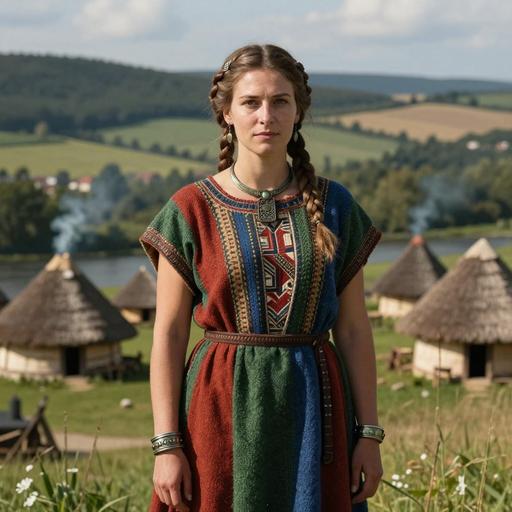
الصور الشخصية رسوم مولّدة بالذكاء الاصطناعي. تحدّد أسماء العينات ومعرّفات الإيداع السجلات المرجعية.

الصورة الشخصية العينة البلد الحقبة التاريخ الثقافة mtDNA نوع التطابق
صورة توضيحية مولّدة بالذكاء الاصطناعي للعينة Czechia IA Hallstatt La Tene individual, Central Bohemia. Prague 6. Prague-Ruzyně, Czech Republic (452-382 BCE)
معرّف العينة: I16090
Czech Republic Czech La Tène-Hallstatt 452-382 calBCE (2340±20 BP, PSUAMS-10103) La Tène-Hallstatt V10 تطابق مباشر
صورة توضيحية مولّدة بالذكاء الاصطناعي للعينة Scotland Bell Beaker individual, Scotland. Coll. Sorisdale, United Kingdom (2,466-2,209 BCE)
معرّف العينة: I5367
United Kingdom Scotland BellBeaker 2466-2209 calBCE (3879±32 BP, OxA-14722) Bell Beaker V10 تطابق مباشر
صورة توضيحية مولّدة بالذكاء الاصطناعي للعينة Niedertiefenbach LN Wartberg individual, Niedertiefenbach (Rheinland-Pfalz, Koblenz, Rhein-Lahn-Kreis), Germany (3,335-3,024 BCE)
معرّف العينة: KH150627
Germany Wartberg Culture 3335-3024 calBCE (4462±27 BP, KIA-52278) Wartberg V10 تطابق مباشر
صورة توضيحية مولّدة بالذكاء الاصطناعي للعينة Early Medieval individual, Roscommon. Kilteasheen, Ireland (700-1,300 CE)
معرّف العينة: KIL015
Ireland Anglo-Saxon Early Medieval Kilteasheen, Ireland 700-1300 CE Kilteasheen V10a فرع فرعي
صورة توضيحية مولّدة بالذكاء الاصطناعي للعينة MLBA individual, Bezdanjača Cave, Croatia (1,500-800 BCE)
معرّف العينة: I18725
Croatia Croatia MLBA 1500-800 BCE Croatian Bronze Age V10b1 فرع فرعي
صورة توضيحية مولّدة بالذكاء الاصطناعي للعينة England EBA individual, England. Oxfordshire. Radley. Barrow Hills, United Kingdom (2,288-1,776 BCE)
معرّف العينة: I7638
United Kingdom Chalcolithic to Early Bronze Age England 2288-1776 calBCE (3660±80 BP, OxA-4357) British Chalcolithic V10b فرع فرعي
صورة توضيحية مولّدة بالذكاء الاصطناعي للعينة Occitanie MN individual, Occitanie (South). Valros. Le Pirou, France (4,448-4,251 BCE)
معرّف العينة: Pir4
France France Occitanie MN 4448-4251 calBCE (5494±49 BP, Erl-13040) Occitanie Neolithic V10a فرع فرعي
أمومية · الحمض النووي القديم

خريطة الأدلة القديمة للسلالة

تتبّع الفروع الأصلية المؤدية إلى هذا الفرع واستكشف مواقع العثور على العينات القديمة المرتبطة به.

جارٍ تحميل السجلات القديمة…

تشير العلامات إلى مواقع الاكتشافات الأثرية. يشير الخط المتقطّع إلى انتقال جغرافي محتمل بين فرعين متتاليين تدعمه عدة سجلات مؤرّخة. لا يحدّد مسارًا دقيقًا أو مكان نشأة ولا يثبت انحدارًا مباشرًا. قد تنتمي عينات الفروع الأصلية إلى فروع متفرّعة أخرى. تبقى الفجوات حيث لا تكفي الأدلة. تختلف تواريخ العينات عن تواريخ نشأة المجموعات الفردانية.

الملف المرجعي

خريطة توزيع العينات

التوزيع الجغرافي لعينات الحمض النووي القديم المطابقة مباشرةً للمجموعة V10 أو لفروعها الفرعية. عدد العينات: 7

عينة مطابقة مباشرةً عينة من فرع فرعي
التصفية حسب الفترة
جميع الفترات
تُعرض جميع العينات
الملف المرجعي

التوزيع الزمني

توزيع العينات عبر الفترات الأثرية

الملف المرجعي

التوزيع الجغرافي

عدد العينات حسب بلدها المسجّل. تعكس الأعداد العينات المرجعية المتاحة دون قياس تواتر المجموعات الفردانية بين السكان.

الملف المرجعي

توزيع العينات حسب البلد والحقبة

قارن أعداد العينات المسجّلة حسب البلدان والفترات الأثرية. اختر خلية تحتوي على نتائج للاطّلاع على إحدى العينات.

البيانات

البيانات ومصادرها

معلومات المصادر وجودة البيانات

آخر تحديث 2026-01-15

مصدر البيانات

يعكس التصنيف والتواريخ التقديرية والسياق الجغرافي البيانات المرجعية المسجّلة، وقد تتغيّر مع مراجعة الأدلة. تختلف تغطية العينات، ولا تثبت المواقع المسجّلة والارتباطات الأثرية الأصول الشخصية أو الهوية الثقافية.