انتقل إلى المحتوى الرئيسي
Y-DNA · سلالة أبوية

O2A2

Y-DNA Haplogroup O2A2

ملف مرجعي لفرع واحد من السلالة. لا تثبت المجموعات الفردانية المشتركة صلة عائلية ولا تحدّد الهوية الثقافية.

الملف المرجعي

خلفية الفرع

السياق التاريخي لفرع O2A2 من سلالة Y-DNA

Origins and Evolution

Y-DNA haplogroup O2A2 is a subclade of O2A (O-M324/O-M122 lineages in many modern phylogenies), part of the broader haplogroup O2 radiation that became one of the most successful paternal expansions in East Asia. As an intermediate downstream branch, O2A2 likely arose during the later phases of East Asian population diversification, after the initial establishment of O2a-related lineages but before many of the large historical expansions that shaped modern Han Chinese and neighboring populations.

Population genetics research on haplogroup O and its subclades suggests that these lineages were strongly affected by Neolithic farming expansions, especially in areas connected to early rice agriculture and complex regional interaction networks in southern and central China. O2A2 should therefore be understood as part of a broader paternal continuum shaped by demographic growth, local founder effects, and later state-level and language-family expansions across East Asia.

Subclades

As an intermediate clade, O2A2 may contain additional downstream branches not always resolved in lower-resolution datasets. Its precise internal structure depends on the testing resolution and phylogenetic reference used. In general, downstream descendants are expected to show fine-scale regional differentiation across southern China, mainland Southeast Asia, and adjacent populations.

Geographical Distribution

O2A2 is expected to be found most often in populations with substantial ancestry from East Asian paternal expansion zones. Its distribution is likely strongest in southern Chinese populations, but it can also occur in Vietnamese, Thai, Tibeto-Burman, Korean, Japanese, and Austronesian-associated groups, reflecting historical migration, assimilation, and gene flow across East and Southeast Asia.

Because O2A2 is a descendant of a major East Asian clade, its presence outside its core area usually reflects secondary dispersal rather than independent origin. In particular, population movements during the Neolithic, Bronze Age, and later historical periods helped carry related lineages across large parts of Asia.

Historical and Cultural Significance

Haplogroups within O2a are frequently linked to the prehistoric spread of agriculture and the formation of many modern East Asian populations. For O2A2 specifically, the best interpretation is that it represents a regional paternal sublineage embedded within these broader processes rather than a marker of a single archaeological culture.

Its distribution may overlap with populations associated with Yangtze Basin Neolithic traditions, later southern Chinese agricultural societies, and the complex ethnolinguistic expansions that shaped mainland Southeast Asia and parts of the East Asian littoral. It is also compatible with the paternal histories of some Austronesian-speaking and Tibeto-Burman-speaking groups through admixture and migration.

Conclusion
Y-DNA haplogroup O2A2 is a downstream East Asian lineage within a major paternal radiation that played a central role in the peopling of East and Southeast Asia. Although less famous than broader O2a branches, it is important for understanding fine-scale population history, regional dispersals, and the genetic legacy of Neolithic and later expansions across the Asian mainland and island zones.

أبرز النقاط

  • Origins and Evolution
  • Subclades
  • Geographical Distribution
  • Historical and Cultural Significance
  • Conclusion
الملف المرجعي

شجرة السلالة والفروع المرتبطة

موضع الفرع في شجرة السلالة وفروعه الفرعية

مسار تفرّع السلالة

تتبّع الفروع الأصلية المسجّلة وصولًا إلى O2A2. التواريخ تقديرية وقد تتغيّر عند تحديث البيانات المرجعية.

خطوات التفرّع المجموعة الفردانية العمر التقديري الحقبة الأثرية المدة المنقضية الفروع المباشرة العينات الحديثة المختبَرة الارتباطات القديمة
1 O2A2 الفرع الحالي ~12,000 years ago Neolithic 12,000 سنة 2 340 0
2 O2A ~20,000 years ago Mesolithic 20,000 سنة 2 381 12
3 O2 ~35,000 years ago Paleolithic 35,000 سنة 2 388 12
4 O ~45,000 years ago Paleolithic 45,000 سنة 2 553 6
5 NO ~45,000 years ago Paleolithic 45,000 سنة 4 801 12

الفروع الشقيقة (1)

فروع أخرى من المجموعة الفردانية الأصلية نفسها

الملف المرجعي

أماكن وجود الفرع

التوزيع الجغرافي والوجود الحالي

الأصل المسجّل

East Asia

التوزيع الحالي

The populations where Y-DNA haplogroup O2A2 is found include:

  1. Han Chinese and other East Asian populations
  2. Southern Chinese populations
  3. Vietnamese and other mainland Southeast Asian populations
  4. Thai and related Tai-Kadai speaking populations
  5. Tibeto-Burman-speaking populations in China and the Himalayas
  6. Korean and Japanese populations
  7. Austronesian-speaking populations in Taiwan and Island Southeast Asia

الوجود حسب المنطقة

Mainland Southeast Asia High
South Asia (Indian subcontinent) Moderate
East Asia (southern China) Low
Island Southeast Asia Low
Central Asia Low
East Asia High
Southeast Asia Moderate
China High
Korea and Japan Low
Island Southeast Asia Low
السياق التاريخي

تاريخ الفرع

تقدير زمن نشأة الفرع ضمن تسلسل تاريخي عام. توفّر الفترات سياقًا زمنيًا دون إثبات صلة بثقافات بعينها.

  1. ~12k سنة مضت

    المجموعة الفردانية O2A2

    تقدير نشأة فرع Y-DNA. التواريخ والمواقع تقديرات مرجعية.

    هذا الفرع
  2. ~10k سنة مضت

    ثورة العصر الحجري الحديث

    ظهور الزراعة وتشكّل المجتمعات المستقرّة

  3. ~5k سنة مضت

    العصر البرونزي

    صناعة المعادن والكتابة والحضارات المبكرة

  4. ~3k سنة مضت

    العصر الحديدي

    أدوات الحديد واتّساع شبكات التجارة

  5. ~2.5k سنة مضت

    العصور الكلاسيكية القديمة

    ازدهار الحضارتين اليونانية والرومانية

  6. Present

    الحاضر

    العصر الحديث

الملف المرجعي

السياق الأثري

الارتباطات الأثرية المسجّلة لفرع O2A2 من Y-DNA

الارتباطات المسجّلة

تصف هذه التسميات السياقات الأثرية المسجّلة للعينات المرجعية المرتبطة بـ O2A2. لا يثبت الارتباط انتماء جميع حاملي الفرع إلى ثقافة بعينها أو اتّباعهم مسار هجرة محدّدًا.

China_BA_Roman China_Baligang_LN_Longshan China_MLBA Huatuyan Culture Late Neolithic Chinese Latte Taiwanese Iron Unai Culture West Liao River Culture Xinjiang Culture
يستند تصنيف الثقافات إلى السياق الأثري لعينات الحمض النووي القديم، وقد يعكس ارتباطات إقليمية خلال فترات محدّدة.
الملف المرجعي

فهرس العينات

عدد عينات الفروع الفرعية للمجموعة الفردانية O2A2 هو 31. لا توجد عينات مطابقة مباشرةً في المجموعة المرجعية الحالية.

10 معروضة · 31 عينة مطابقة

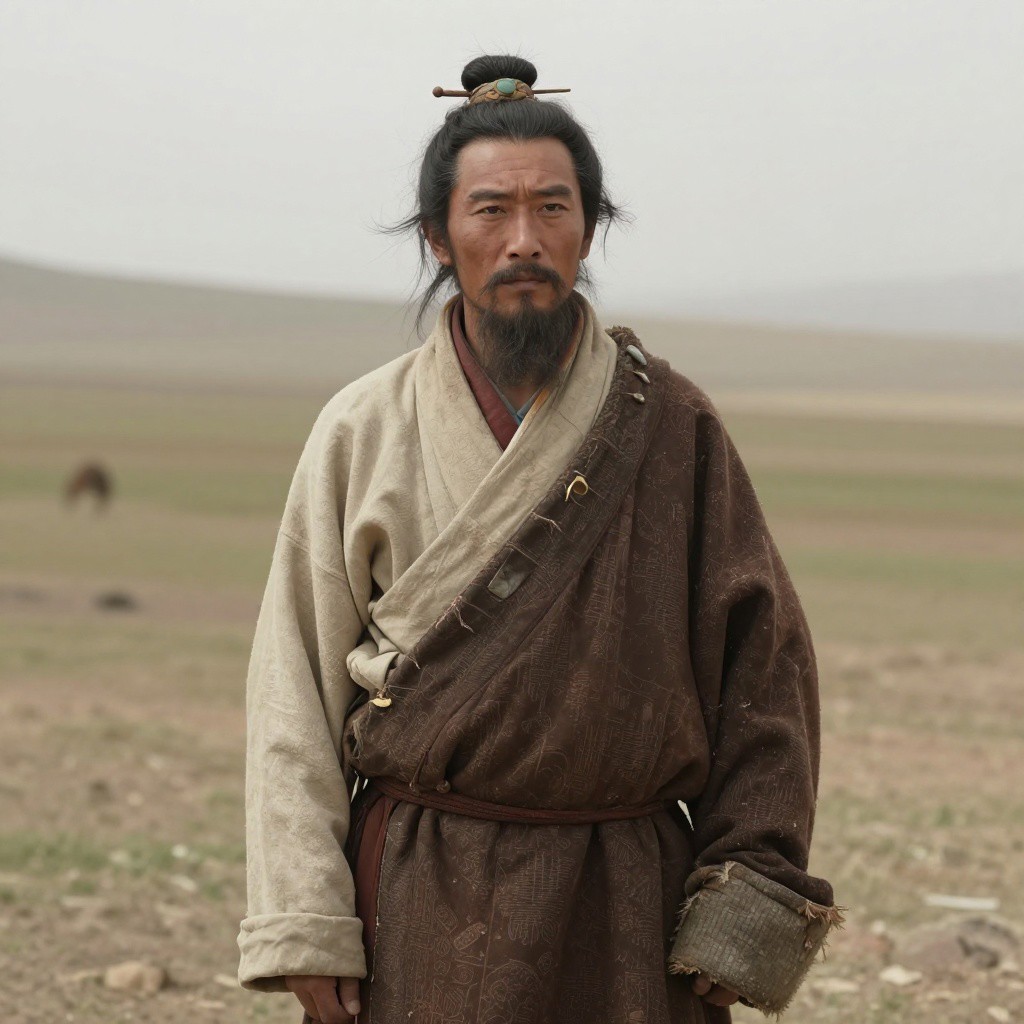
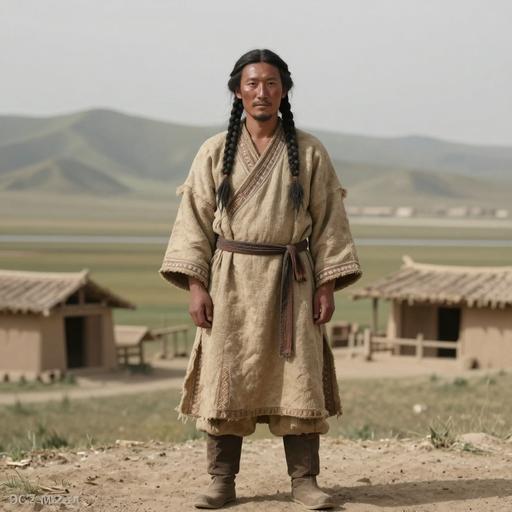
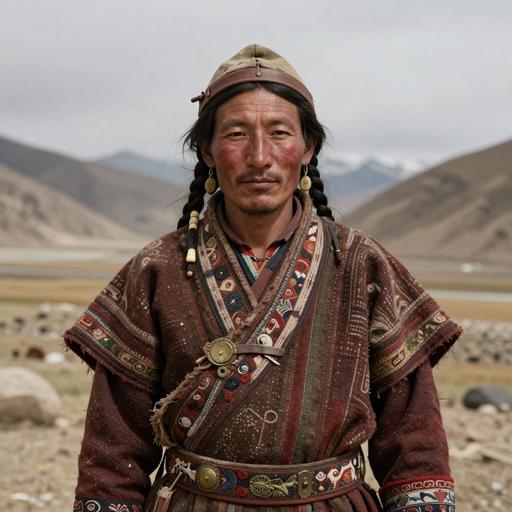
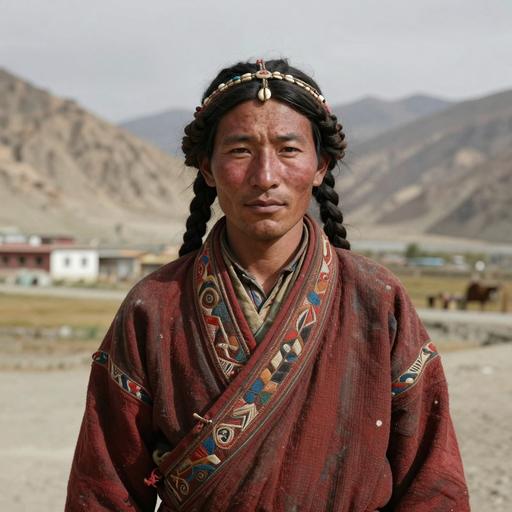
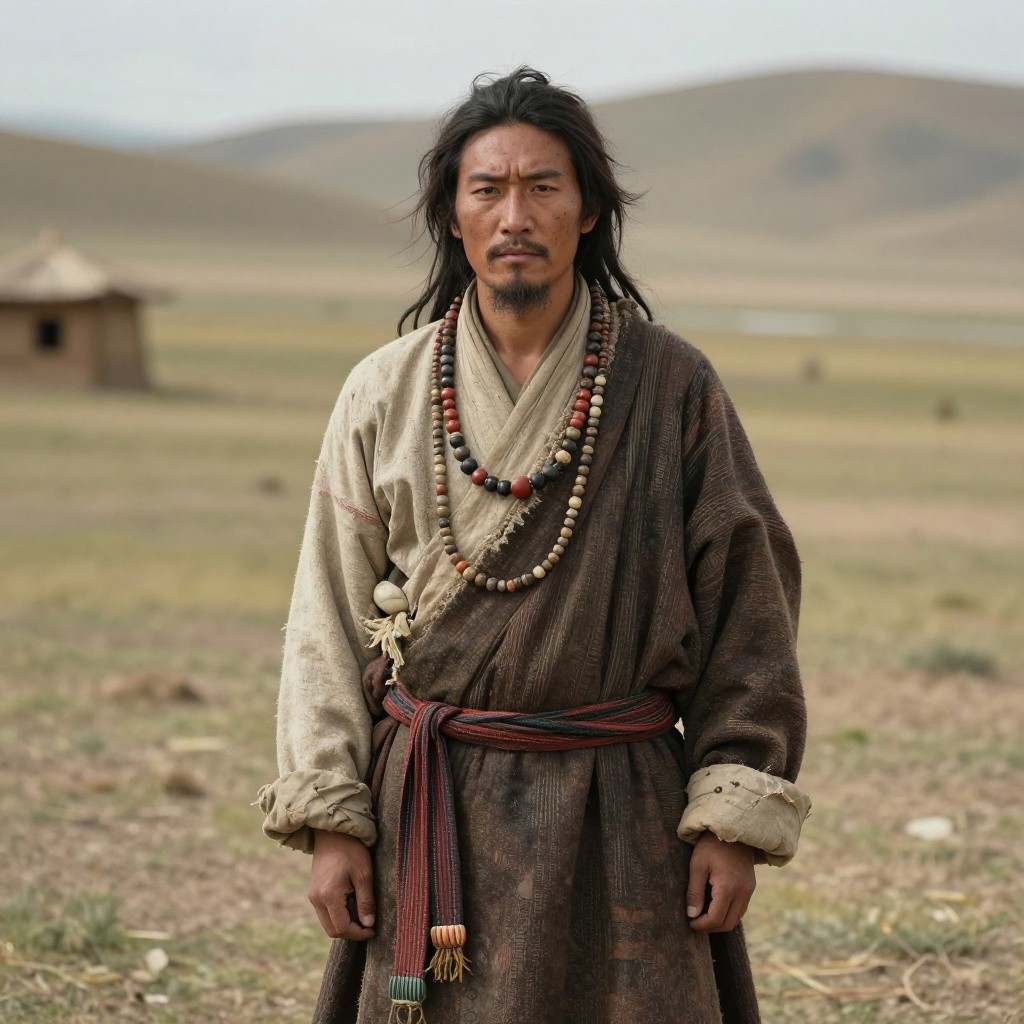
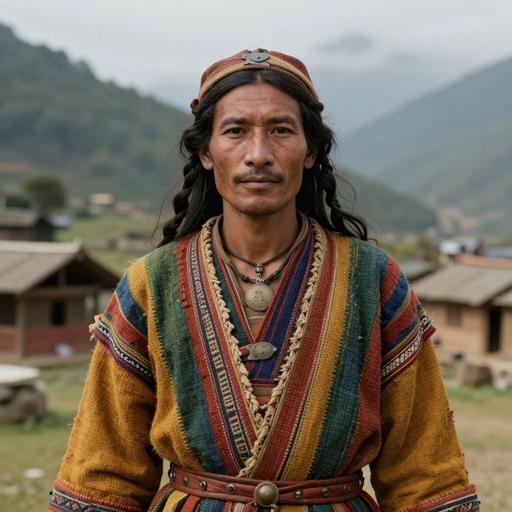
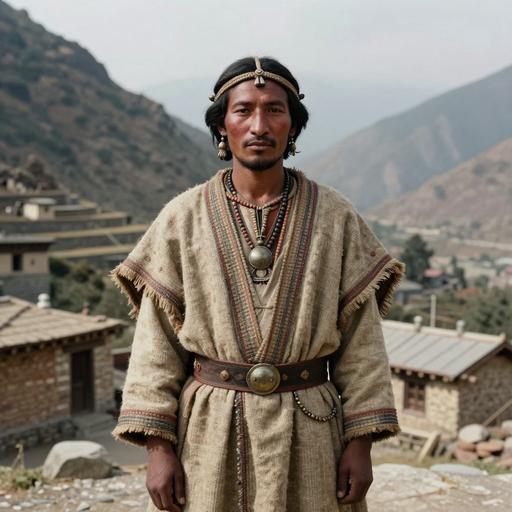
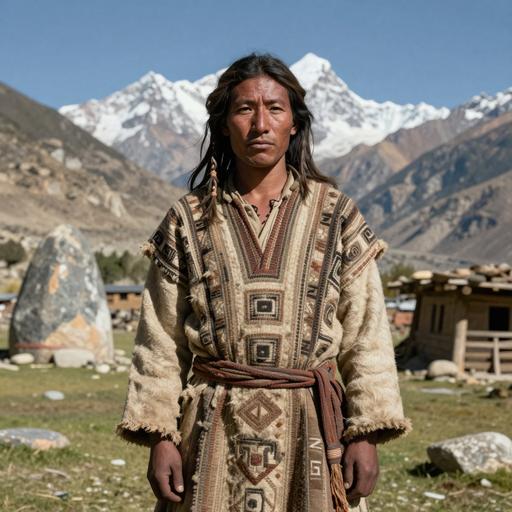
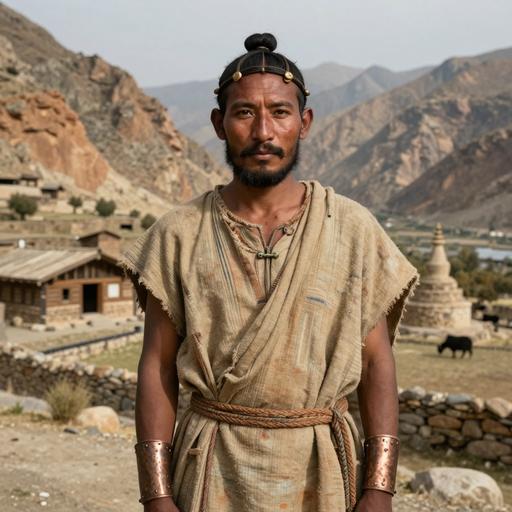
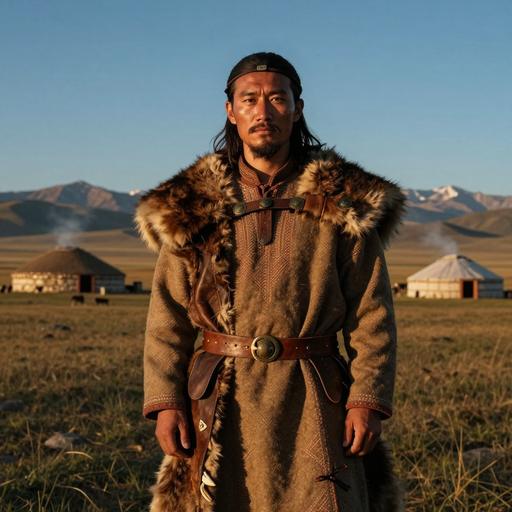
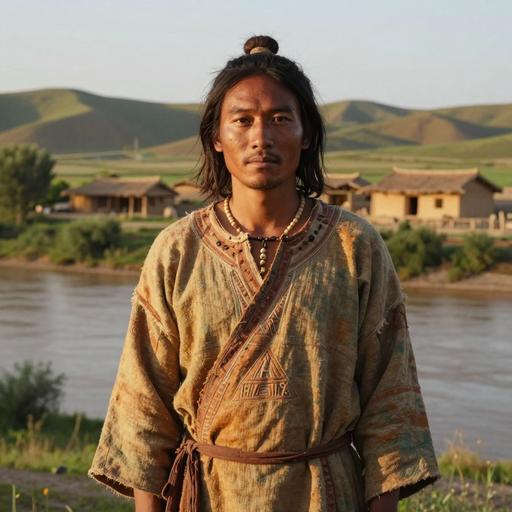
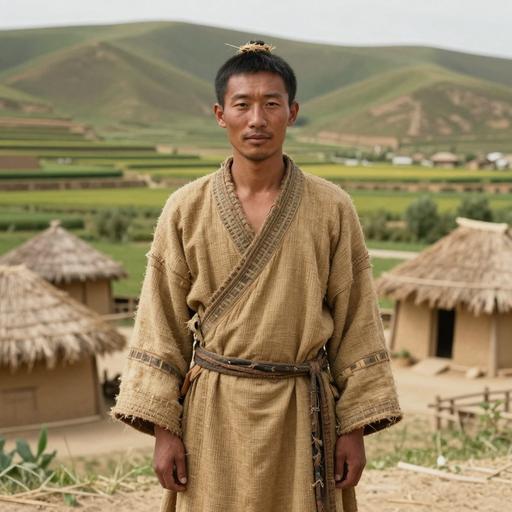
الصور الشخصية رسوم مولّدة بالذكاء الاصطناعي. تحدّد أسماء العينات ومعرّفات الإيداع السجلات المرجعية.

الصورة الشخصية العينة البلد الحقبة التاريخ الثقافة Y-DNA نوع التطابق
صورة توضيحية مولّدة بالذكاء الاصطناعي للعينة IA individual, Hanben. Blihun site, Taiwan (1-800 CE)
معرّف العينة: I3614
Taiwan Iron Age Taiwan 1-800 CE Taiwanese Iron O2a2b2-CTS1366 فرع فرعي
صورة توضيحية مولّدة بالذكاء الاصطناعي للعينة Austronesian individual, Hanben. Blihun site, Taiwan (1-800 CE)
معرّف العينة: I3618
Taiwan Iron Age Taiwan 1 CE - 800 CE Taiwanese Iron O2a2b2a2-F706 فرع فرعي
صورة توضيحية مولّدة بالذكاء الاصطناعي للعينة IA individual, Hanben. Blihun site, Taiwan (1-800 CE)
معرّف العينة: I14931
Taiwan Iron Age Taiwan 1-800 CE Taiwanese Iron O2a2-P201 فرع فرعي
صورة توضيحية مولّدة بالذكاء الاصطناعي للعينة IA individual, Hanben. Blihun site, Taiwan (1-800 CE)
معرّف العينة: I14929
Taiwan Iron Age Taiwan 1-800 CE Taiwanese Iron O2a2b-F130 فرع فرعي
صورة توضيحية مولّدة بالذكاء الاصطناعي للعينة Tibet Pulanduowa IA individual, Pulanduowa (Tibet, Ngari Prefecture), China (26-374 CE)
معرّف العينة: PLDW1
China China Tibet Pulanduowa IA 50-350 CE China_Tibet_Pulanduowa_IA O2a2b1a1a فرع فرعي
صورة توضيحية مولّدة بالذكاء الاصطناعي للعينة Tibet Pulanduowa IA individual, Pulanduowa (Tibet, Ngari Prefecture), China (26-374 CE)
معرّف العينة: PLDW10
China China Tibet Pulanduowa IA 50-350 CE China_Tibet_Pulanduowa_IA O2a2b1a1a6 فرع فرعي
صورة توضيحية مولّدة بالذكاء الاصطناعي للعينة Austronesian individual, Hanben. Blihun site, Taiwan (100-200 CE)
معرّف العينة: I3612
Taiwan Iron Age Taiwan 100 CE - 200 CE Taiwanese Iron O2a2b2a2-F1903 فرع فرعي
صورة توضيحية مولّدة بالذكاء الاصطناعي للعينة Ancient Chinese Civilization individual, Qinghai province. Pingan county. Dacaozi site, China (120-248 CE)
معرّف العينة: DCZ-M21II
China Iron Age Upper Yellow River, China 120 CE - 248 CE Upper Yellow River Culture O2a2b1a1a1a2a فرع فرعي
صورة توضيحية مولّدة بالذكاء الاصطناعي للعينة Ancient Chinese Civilization individual, Henan province. Jiazuo city. Jiaozuoniecun site, China (250-50 BCE)
معرّف العينة: LGM41
China Late Bronze Age to Iron Age China 250 BCE - 50 BCE Chinese Bronze-Iron O2a2b1a1a فرع فرعي
صورة توضيحية مولّدة بالذكاء الاصطناعي للعينة IA individual, Hanben. Blihun site, Taiwan (300-450 CE)
معرّف العينة: I3734
Taiwan Iron Age Taiwan 300-450 CE Taiwanese Iron O2a2a1a2a2-Y26412 فرع فرعي
أبوية · الحمض النووي القديم

خريطة الأدلة القديمة للسلالة

تتبّع الفروع الأصلية المؤدية إلى هذا الفرع واستكشف مواقع العثور على العينات القديمة المرتبطة به.

جارٍ تحميل السجلات القديمة…

تشير العلامات إلى مواقع الاكتشافات الأثرية. يشير الخط المتقطّع إلى انتقال جغرافي محتمل بين فرعين متتاليين تدعمه عدة سجلات مؤرّخة. لا يحدّد مسارًا دقيقًا أو مكان نشأة ولا يثبت انحدارًا مباشرًا. قد تنتمي عينات الفروع الأصلية إلى فروع متفرّعة أخرى. تبقى الفجوات حيث لا تكفي الأدلة. تختلف تواريخ العينات عن تواريخ نشأة المجموعات الفردانية.

الملف المرجعي

خريطة توزيع العينات

التوزيع الجغرافي لعينات الحمض النووي القديم المطابقة مباشرةً للمجموعة O2A2 أو لفروعها الفرعية. عدد العينات: 31

عينة من فرع فرعي
التصفية حسب الفترة
جميع الفترات
تُعرض جميع العينات
الملف المرجعي

التوزيع الزمني

توزيع العينات عبر الفترات الأثرية

الملف المرجعي

التوزيع الجغرافي

عدد العينات حسب بلدها المسجّل. تعكس الأعداد العينات المرجعية المتاحة دون قياس تواتر المجموعات الفردانية بين السكان.

الملف المرجعي

توزيع العينات حسب البلد والحقبة

قارن أعداد العينات المسجّلة حسب البلدان والفترات الأثرية. اختر خلية تحتوي على نتائج للاطّلاع على إحدى العينات.

البيانات

البيانات ومصادرها

معلومات المصادر وجودة البيانات

آخر تحديث 2026-06-17
درجة الثقة 50/100
التغطية Low

مصدر البيانات

يعكس التصنيف والتواريخ التقديرية والسياق الجغرافي البيانات المرجعية المسجّلة، وقد تتغيّر مع مراجعة الأدلة. تختلف تغطية العينات، ولا تثبت المواقع المسجّلة والارتباطات الأثرية الأصول الشخصية أو الهوية الثقافية.