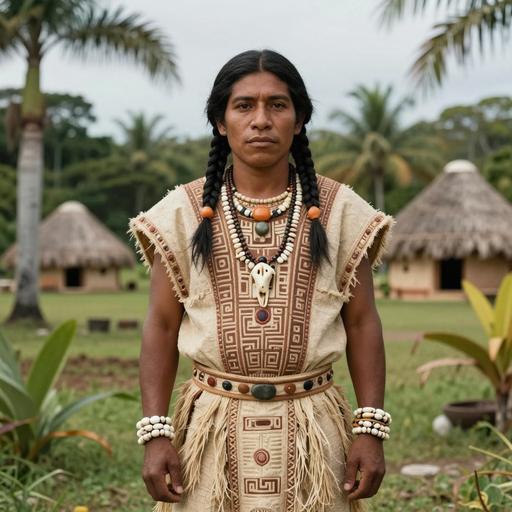
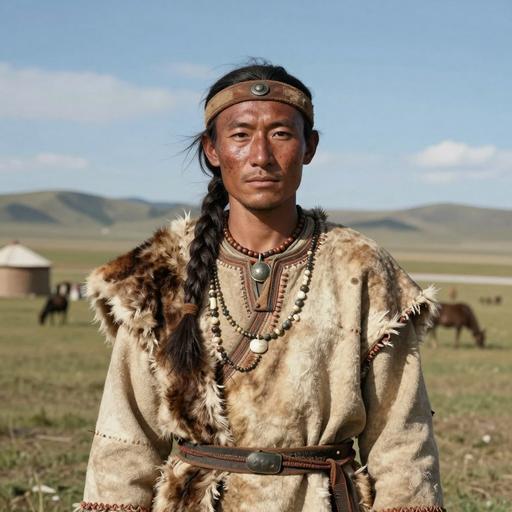
ملف مرجعي لفرع واحد من السلالة. لا تثبت المجموعات الفردانية المشتركة صلة عائلية ولا تحدّد الهوية الثقافية.
الملف المرجعي
خلفية الفرع
السياق التاريخي لفرع Q1B1 من سلالة Y-DNA
Origins and Evolution
Y-DNA haplogroup Q1B1 is a downstream branch of Q1B, itself nested within haplogroup Q1 and ultimately the broader Q lineage. Haplogroup Q is one of the major paternal lineages associated with northern Eurasian and Beringian population history, and it is especially important in studies of the peopling of Siberia and the Americas.
As an intermediate clade, Q1B1 likely represents a late Upper Paleolithic to early post-Last Glacial Maximum diversification within North Eurasia. Its age is best inferred from the broader phylogenetic position of Q1B and from the historical distribution of related Q subclades rather than from extensive ancient DNA directly assigning Q1B1 itself. The lineage probably formed in a northeastern Eurasian refugial context, where small, structured populations maintained deep paternal lineages through climatic oscillations and subsequent expansions.
Subclades
Because Q1B1 is an intermediate branch, it serves as a phylogenetic bridge between Q1B and more specific descendant lineages. In many public phylogenies, downstream Q branches are unevenly resolved across laboratories and datasets, so the exact internal structure may vary as new sequencing data are added.
Broadly, descendant Q lineages in North Eurasia and the Americas are often associated with regional founder effects, bottlenecks, and expansions tied to Siberian foraging groups, Beringian populations, and later movements into the Americas. Q1B1 should therefore be understood as part of a larger web of related eastern Eurasian paternal diversity rather than a single historically named population marker.
Geographical Distribution
Q1B1 is expected to occur at low frequency across a broad but discontinuous range. Its strongest relevance is in Siberian indigenous populations, with additional presence in Central Asia, northern European populations due to historical gene flow, and some West Eurasian / Middle Eastern groups where rare Q lineages entered through ancient or medieval movements.
In the Americas, Q-related paternal lineages are crucial because the wider haplogroup Q is the dominant Native American paternal clade. While Q1B1 itself may be less common than other Q branches, its broader ancestry is tied to the paternal lineages that expanded through Beringia into the New World.
Historical and Cultural Significance
The broader Q lineage is central to research on the initial peopling of Siberia and the Americas. Haplogroup Q lineages are frequently discussed in relation to Paleolithic hunter-gatherers, Ancient North Eurasian-related ancestry, and the Beringian standstill model, which proposes a period of isolation in northeast Asia/Beringia before expansion into the Americas.
In historical times, low-frequency Q lineages in Europe and western Asia may reflect steppe-era movements, Siberian contacts, and later Turkic, Mongolic, and Uralic population interactions. However, for Q1B1 specifically, the most defensible interpretation is that it represents an ancient northern Eurasian paternal branch with a history shaped primarily by prehistoric demographic processes rather than one single archaeological culture.
Geographical Distribution
Siberia: highest relevance and best-fit region for deep ancestry within Q1B1
Central Asia: present through ancient and historical east-west interactions
Americas: indirect relevance through the broader Q macro-lineage and Native American paternal history
Northern Europe: rare occurrences, often attributable to historical gene flow
West Eurasia and the Middle East: occasional low-frequency presence
Conclusion
Y-DNA haplogroup Q1B1 is a rare but scientifically important branch of the northern Eurasian paternal tree. Its significance lies less in modern frequency and more in its place within the deep history of Siberian population structure, Beringian ancestry, and the wider dispersal of haplogroup Q across Eurasia and the Americas.
أبرز النقاط
Origins and Evolution
Subclades
Geographical Distribution
Historical and Cultural Significance
Geographical Distribution
الملف المرجعي
شجرة السلالة والفروع المرتبطة
موضع الفرع في شجرة السلالة وفروعه الفرعية
مسار تفرّع السلالة
تتبّع الفروع الأصلية المسجّلة وصولًا إلى Q1B1. التواريخ تقديرية وقد تتغيّر عند تحديث البيانات المرجعية.
The populations where Y-DNA haplogroup Q1B1 is found include:
Siberian indigenous populations
Central Asian populations
Indigenous peoples of the Americas
Some northern European populations
Some West Eurasian and Middle Eastern populations
الوجود حسب المنطقة
Central AsiaHigh
Eastern Asia / SiberiaModerate
Eastern EuropeLow
Native North AmericaLow
South AsiaLow
Middle EastLow
Northern AsiaHigh
Northern EuropeLow
Western AsiaLow
السياق التاريخي
تاريخ الفرع
تقدير زمن نشأة الفرع ضمن تسلسل تاريخي عام. توفّر الفترات سياقًا زمنيًا دون إثبات صلة بثقافات بعينها.
~20k سنة مضت
ذروة العصر الجليدي الأخير
بلغ التجلّد ذروته وانعزلت مجموعات سكانية
~18k سنة مضت
المجموعة الفردانية Q1B1
تقدير نشأة فرع Y-DNA. التواريخ والمواقع تقديرات مرجعية.
هذا الفرع
~10k سنة مضت
ثورة العصر الحجري الحديث
ظهور الزراعة وتشكّل المجتمعات المستقرّة
~5k سنة مضت
العصر البرونزي
صناعة المعادن والكتابة والحضارات المبكرة
~3k سنة مضت
العصر الحديدي
أدوات الحديد واتّساع شبكات التجارة
~2.5k سنة مضت
العصور الكلاسيكية القديمة
ازدهار الحضارتين اليونانية والرومانية
Present
الحاضر
العصر الحديث
الملف المرجعي
السياق الأثري
الارتباطات الأثرية المسجّلة لفرع Q1B1 من Y-DNA
الارتباطات المسجّلة
تصف هذه التسميات السياقات الأثرية المسجّلة للعينات المرجعية المرتبطة بـ Q1B1. لا يثبت الارتباط انتماء جميع حاملي الفرع إلى ثقافة بعينها أو اتّباعهم مسار هجرة محدّدًا.
Ancient BeringianColombia_ChecuaIsland ChumashLauricocha CultureRussia_KemerovoOblastKuzbass_NRussia_Sakha_BelkachiUst-Belaya Culture
يستند تصنيف الثقافات إلى السياق الأثري لعينات الحمض النووي القديم، وقد يعكس ارتباطات إقليمية خلال فترات محدّدة.
الملف المرجعي
فهرس العينات
عينات المجموعة الفردانية Q1B1: 5 مطابقة مباشرة و@downstreamCount من الفروع الفرعية
10 معروضة · 50 عينة مطابقة
لا توجد عينات تطابق عوامل التصفية. جرّب تسمية أو موقعًا أو فترة أخرى.
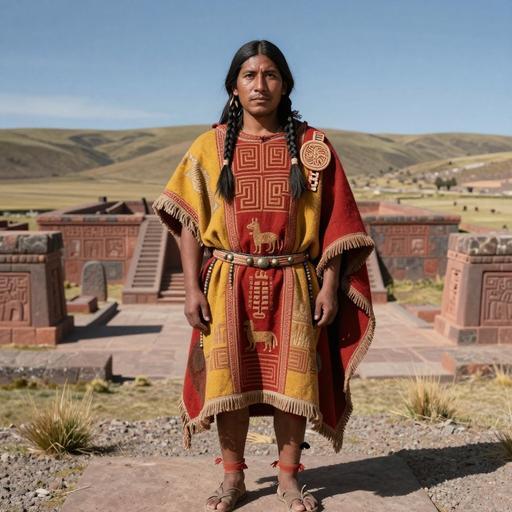
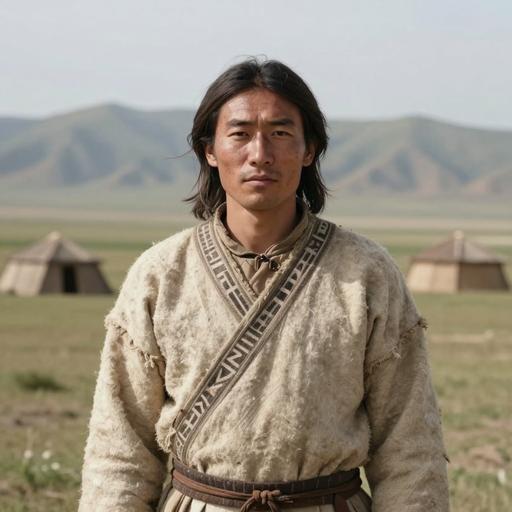
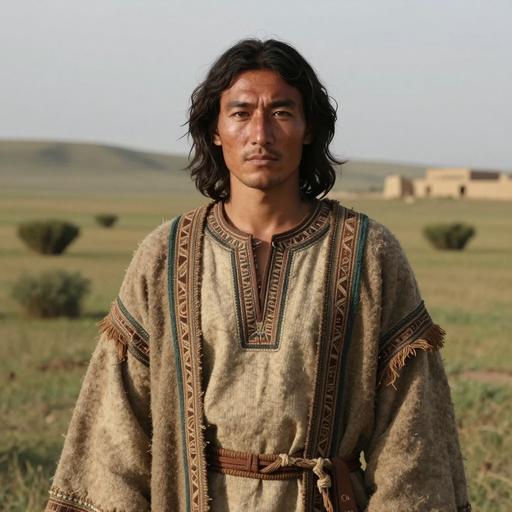
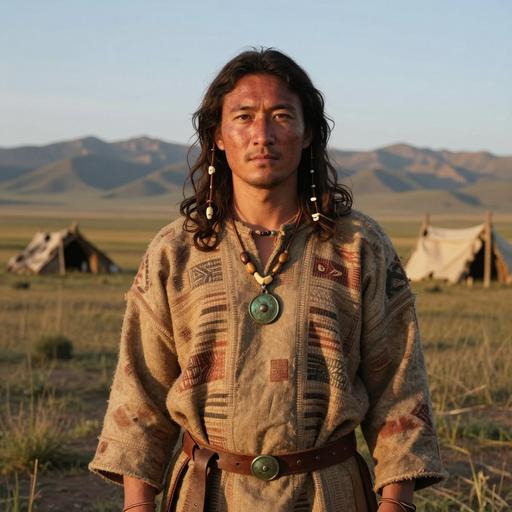
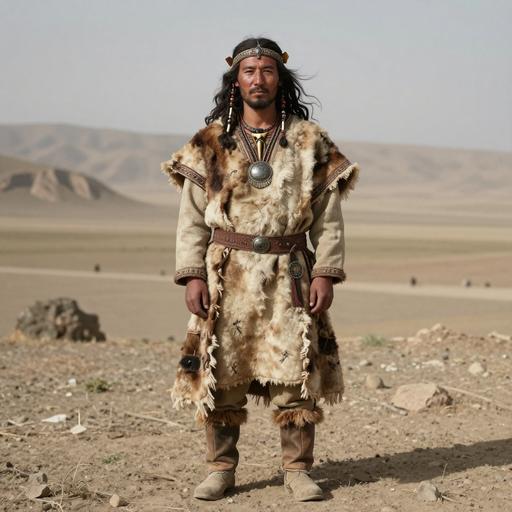
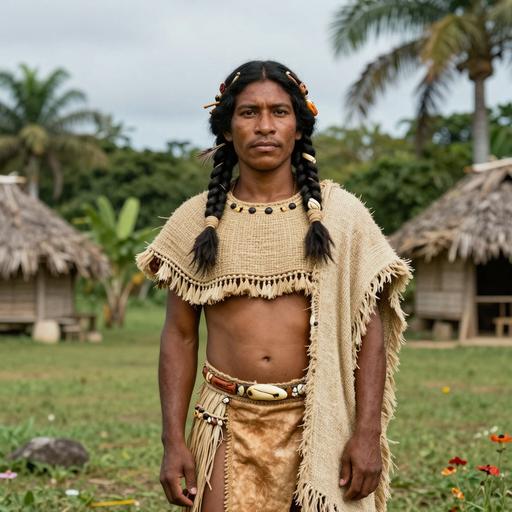
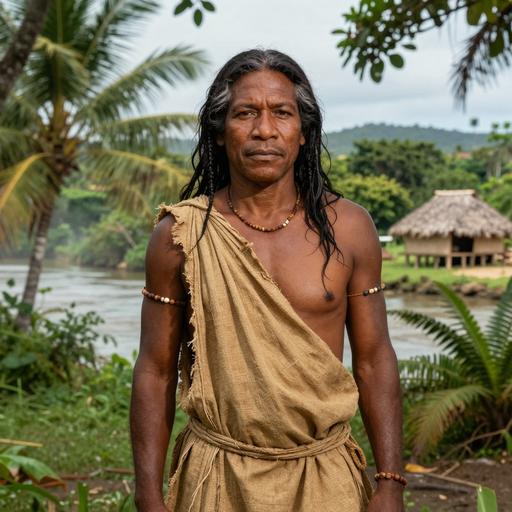
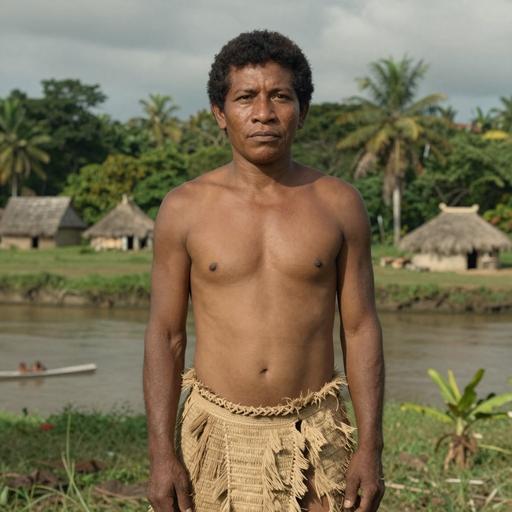
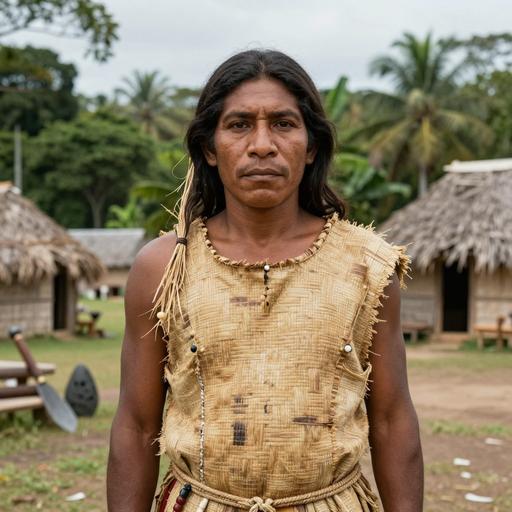
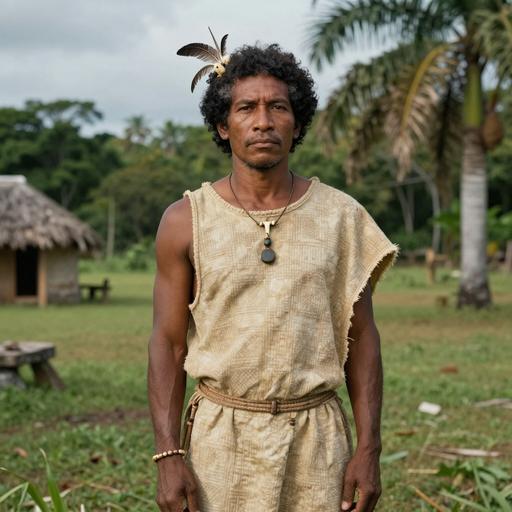
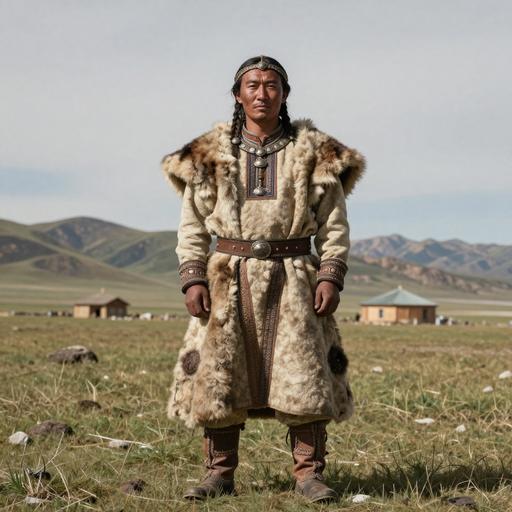
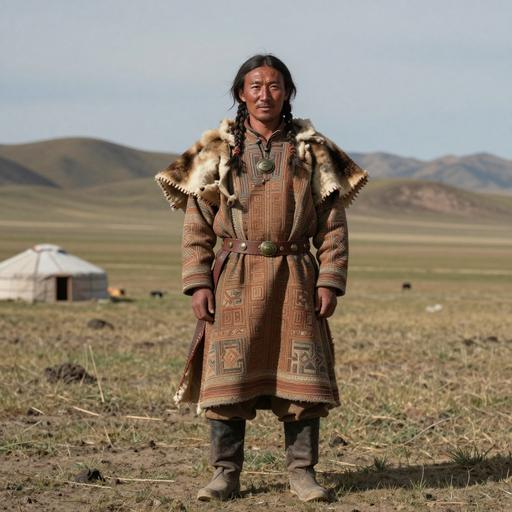
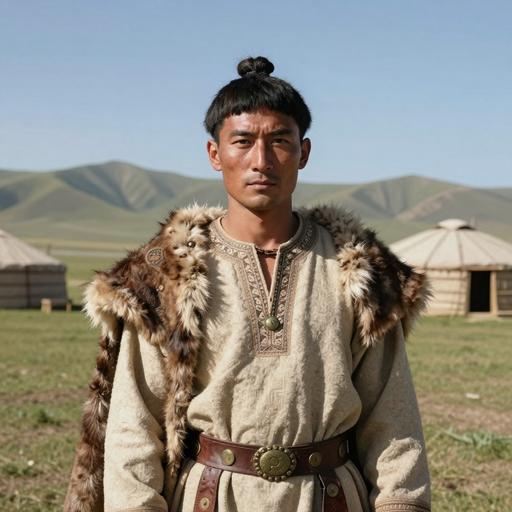
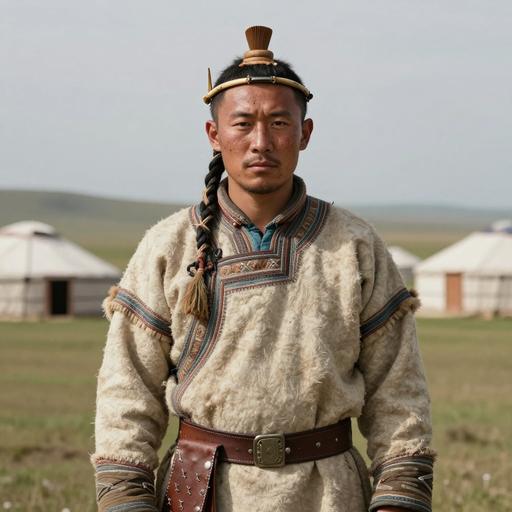
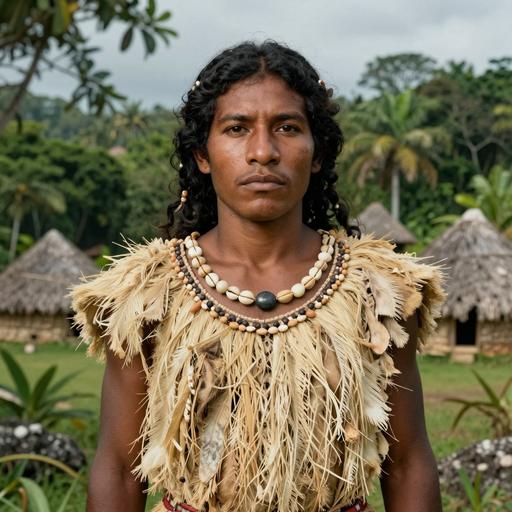
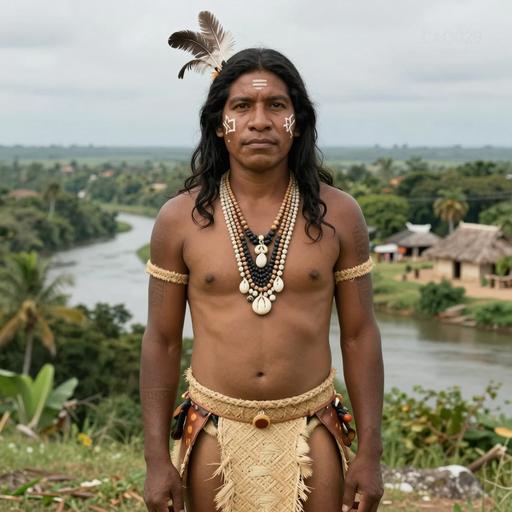
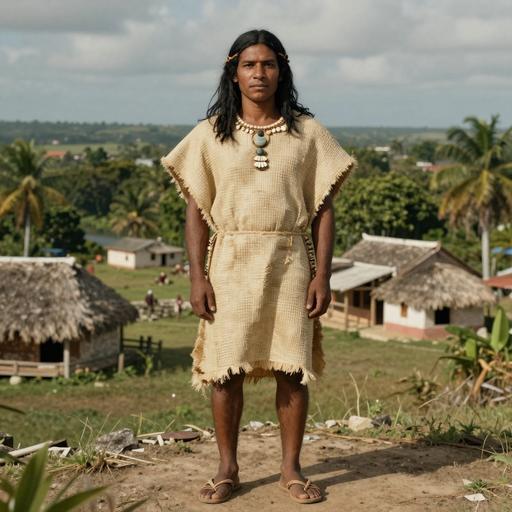
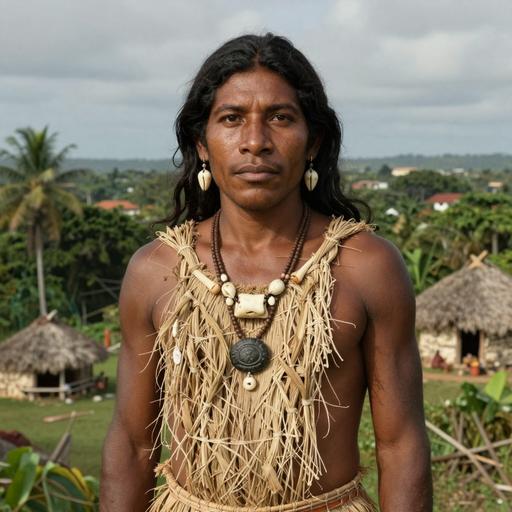
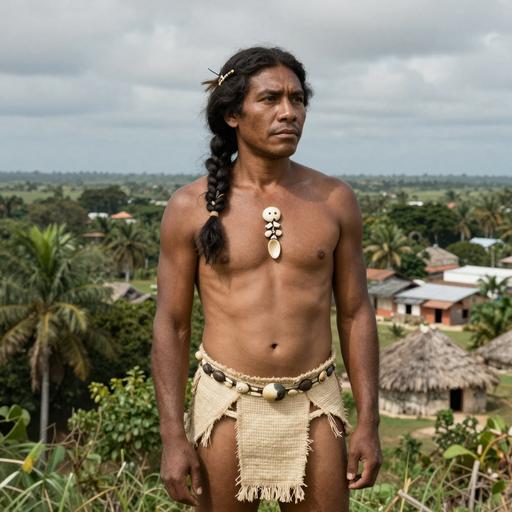
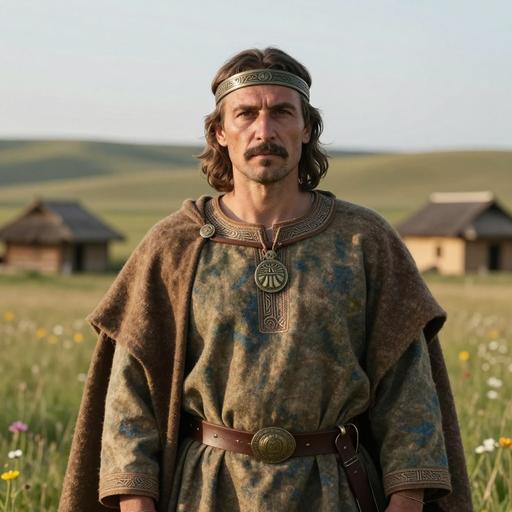
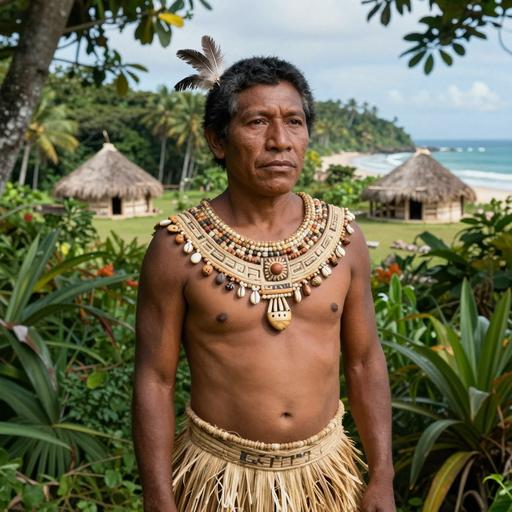
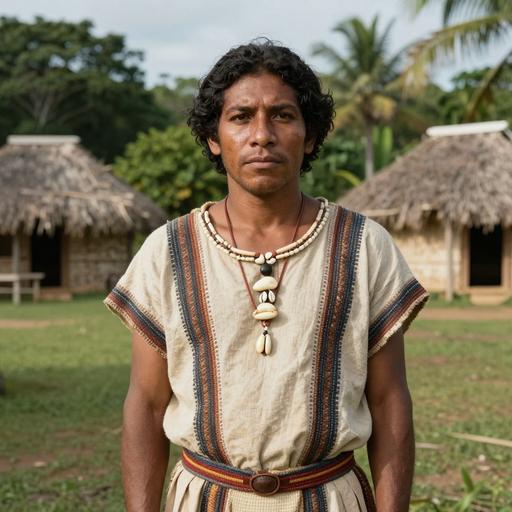
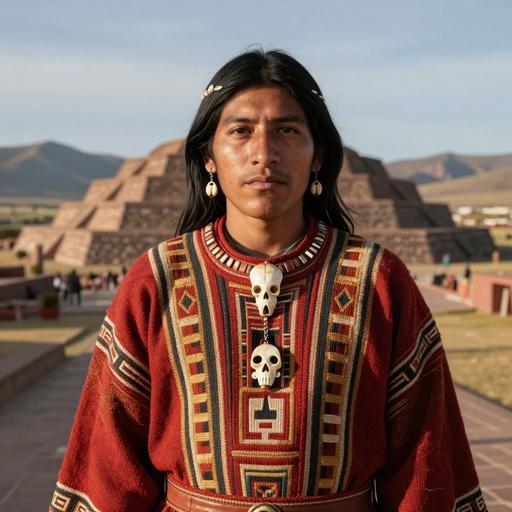
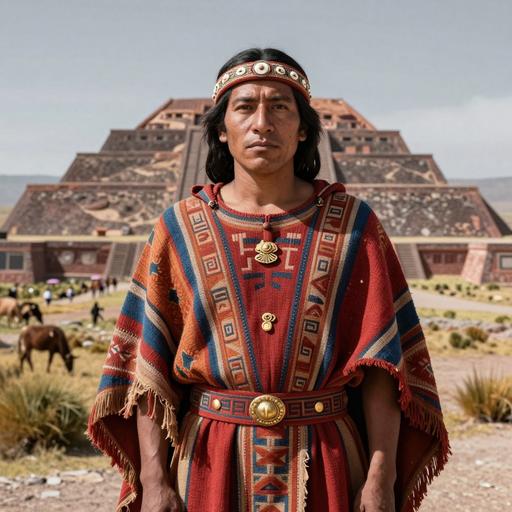
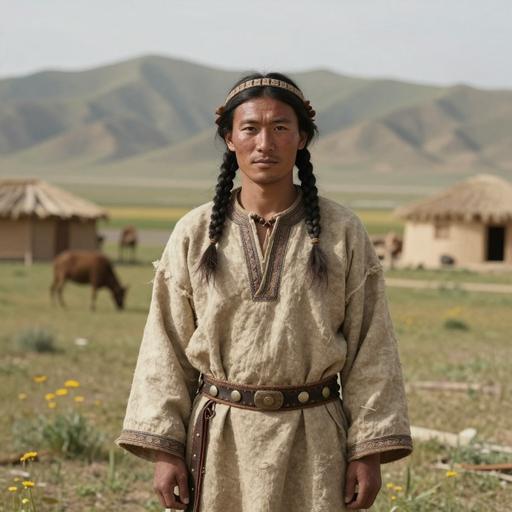
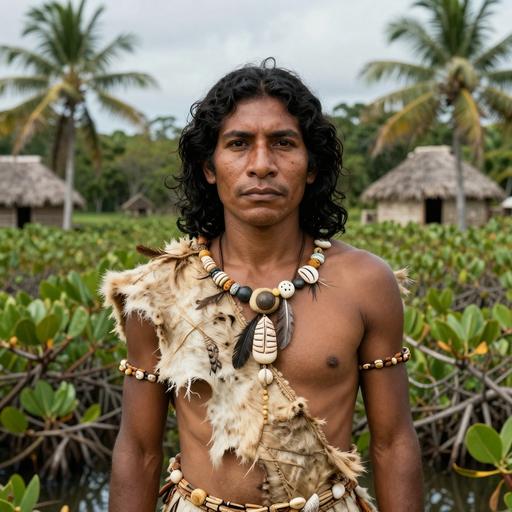
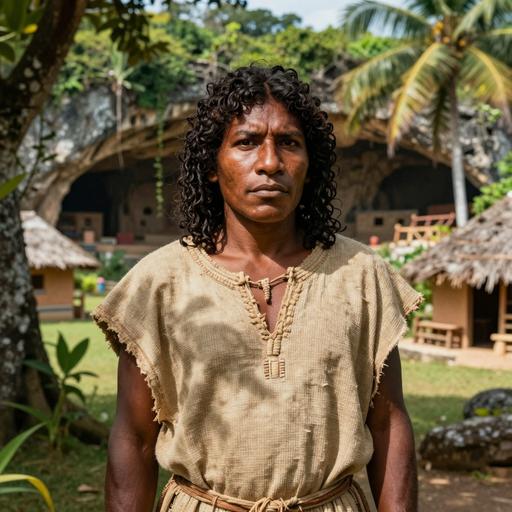
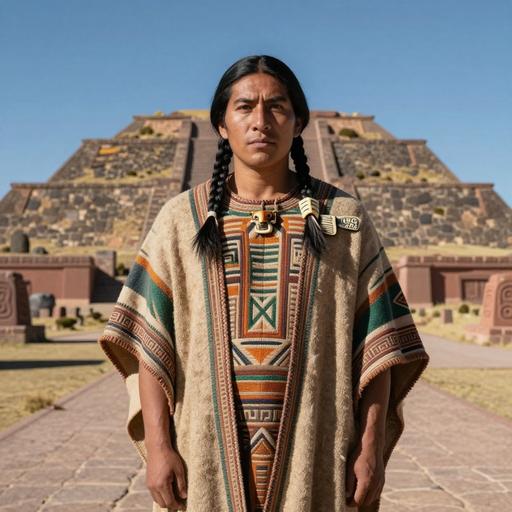
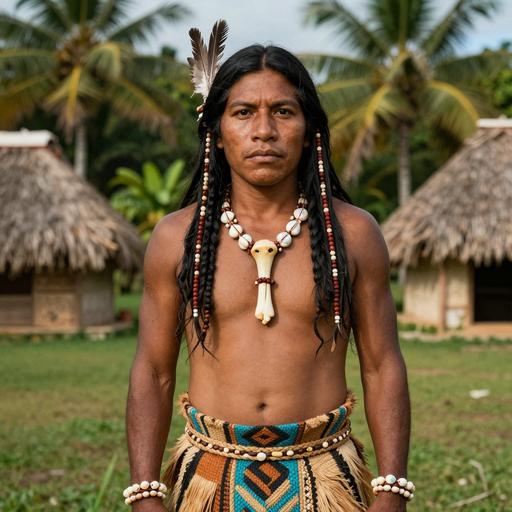
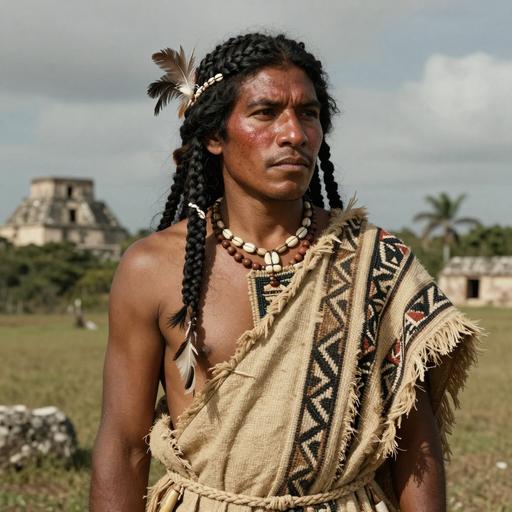
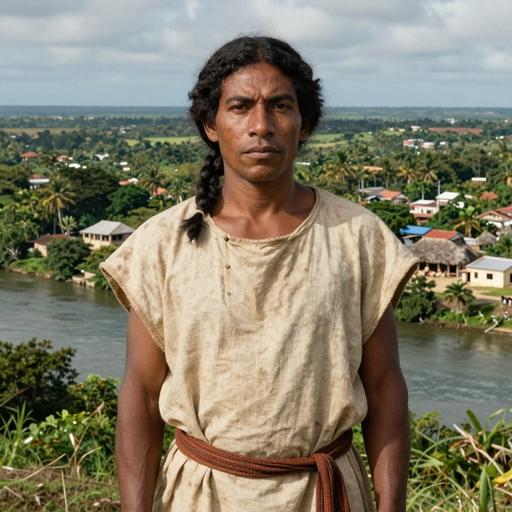
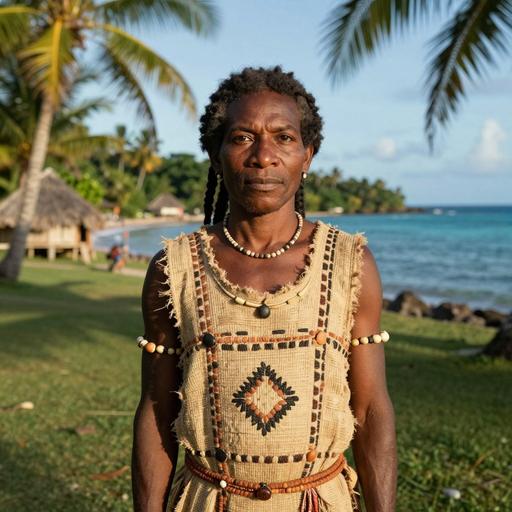
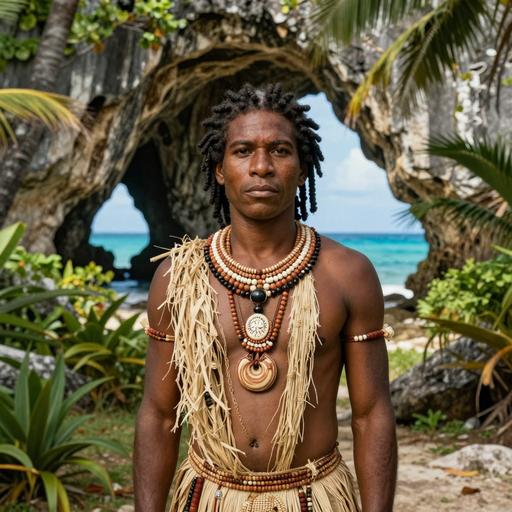
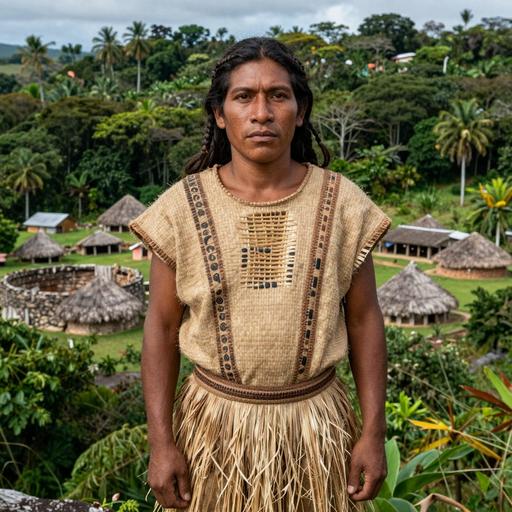
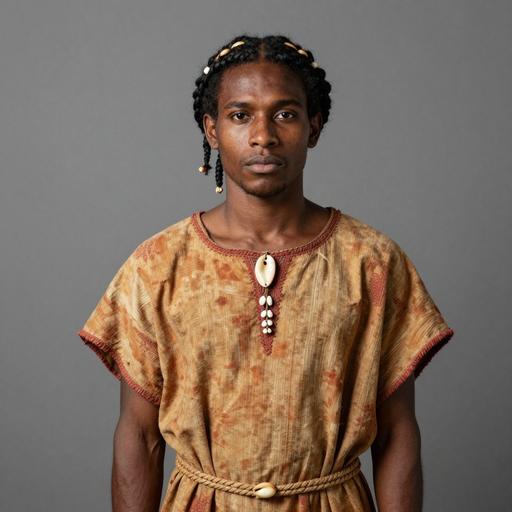
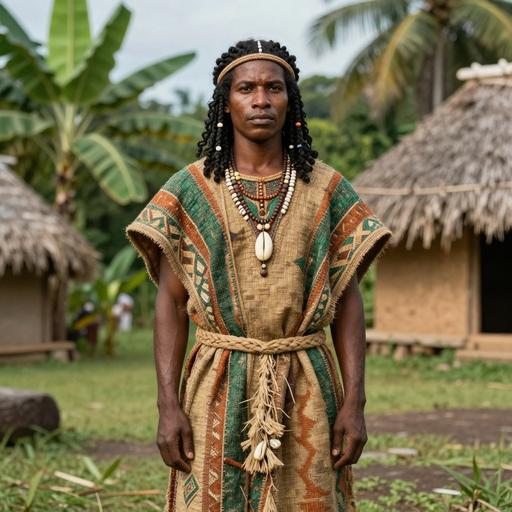
الصور الشخصية رسوم مولّدة بالذكاء الاصطناعي. تحدّد أسماء العينات ومعرّفات الإيداع السجلات المرجعية.
الصورة الشخصية
العينة
البلد
الحقبة
التاريخ
الثقافة
Y-DNA
نوع التطابق
معرّف العينة: TW027
Bolivia
Tiwanaku Culture at Lukurmata, Bolivia
990-1129 calCE (1064±20 BP, Wk-49171)
Tiwanaku
Q1b1
تطابق مباشر
معرّف العينة: C2034
China
Bronze Age Afanasievo Culture Ayituohan, Xinjiang, China
2624 BCE - 2472 BCE
Afanasievo Culture
Q1b1
تطابق مباشر
معرّف العينة: C794
China
China Xinjiang Habahe BA
2624-2472 calBCE
Habahe Culture
Q1b1
تطابق مباشر
معرّف العينة: AYIM22BY
China
Bronze Age Afanasievo Culture Ayituohan, Xinjiang, China
2844-2474 calBCE (4060±30 BP, Beta)
Afanasievo Culture
Q1b1
تطابق مباشر
معرّف العينة: G218M5-3N
China
Bronze Age Afanasievo Culture Nileke, Xinjiang, China
Ceramic Period Paso del Indio, Puerto Rico - Puerto Rico - Vega Baja. Paso del Indio
Puerto Rico Ceramic Period Paso del Indio, Puerto Rico 901-1159 calCE (1010±42 BP, AA-75124)
Q1b1a1a1فرع فرعي
معرّف العينة: CAO023025
Archaic Period Canimar Abajo, Cuba - Cuba - Matanzas City. Canimar Abajo
Cuba Archaic Period Canimar Abajo, Cuba 991-1040 calCE (1015±19 BP, MAMS-44078)
Q1b1a1a1فرع فرعي
معرّف العينة: CAO011
Archaic Period Canimar Abajo, Cuba - Cuba - Matanzas City. Canimar Abajo
Cuba Archaic Period Canimar Abajo, Cuba 992-1149 calCE (1000±20 BP, MAMS-44066)
Q1b1a1a1فرع فرعي
معرّف العينة: ALG001
Ceramic Period Anse Gourde, Guadeloupe - Guadeloupe - Pointe de Chateaux peninsula. Anse à la Gourde
Guadeloupe Ceramic Period Anse Gourde, Guadeloupe 992 CE - 1034 CE
Q1b1a1aفرع فرعي
معرّف العينة: PCV003
Ceramic Period Eleuthera Island, Bahamas - Bahamas - Eleuthera. Bahamian Island. Preacher's Cave
Bahamas Ceramic Period Eleuthera Island, Bahamas 994-1154 calCE (991±22 BP, MAMS-39634)
Q1b1aفرع فرعي
معرّف العينة: PDI010
Ceramic Period Paso del Indio, Puerto Rico - Puerto Rico - Vega Baja. Paso del Indio
Puerto Rico Ceramic Period Paso del Indio, Puerto Rico 994-1163 calCE (973±41 BP, AA-75123)
Q1b1a1aفرع فرعي
معرّف العينة: LAV004
Ceramic Period Lavoutte, St. Lucia - St. Lucia - St. Lucia. Cas-en-Bas. Lavoutte site
St. Lucia Ceramic Period Lavoutte, St. Lucia 1000-1450 CE
Q1b1a1aفرع فرعي
معرّف العينة: LAV006
Ceramic Period Lavoutte, St. Lucia - St. Lucia - St. Lucia. Cas-en-Bas. Lavoutte site
St. Lucia Ceramic Period Lavoutte, St. Lucia 1000-1450 CE
Q1b1a1a1فرع فرعي
معرّف العينة: LAV001
Ceramic Period Lavoutte, St. Lucia - St. Lucia - St. Lucia. Cas-en-Bas. Lavoutte site
St. Lucia Ceramic Period Lavoutte, St. Lucia 1027-1220 calCE (920±50 BP, GrN-32324)
Q1b1a1a1فرع فرعي
معرّف العينة: PDI011
Ceramic Period Paso del Indio, Puerto Rico - Puerto Rico - Vega Baja. Paso del Indio
Puerto Rico Ceramic Period Paso del Indio, Puerto Rico 1037-1256 calCE (885±44 BP, AA-79346)
Q1b1a1a1فرع فرعي
معرّف العينة: I6359
Early Iron Age Slab Grave Culture 1, Mongolia - Mongolia - Khuvsgul aimag. Alag-Erdene sum. Erhel nuur. Ulaan tolgoi
Mongolia Mongolia EIA SlabGrave 1 1100-400 BCE
Q1b1a3a-YP779فرع فرعي
معرّف العينة: I7039
Late Bronze Age Center West 4, Mongolia - Mongolia - Khovd. Duut sum. Khoit Tsenkheriin gol 1988 barrow 3
Mongolia Late Bronze Age Center West 4, Mongolia 1210-1019 calBCE (2920±20 BP, PSUAMS-4006)
Q1b1a3-L334فرع فرعي
معرّف العينة: CAO028
Archaic Period Canimar Abajo, Cuba - Cuba - Matanzas City. Canimar Abajo
Cuba Archaic Period Canimar Abajo, Cuba 1215-1271 calCE (812±20 BP, MAMS-44083)
Q1b1a2فرع فرعي
معرّف العينة: LAV010
Ceramic Period Lavoutte, St. Lucia - St. Lucia - St. Lucia. Cas-en-Bas. Lavoutte site
St. Lucia Ceramic Period Lavoutte, St. Lucia 1200-1400 CE
Q1b1a1aفرع فرعي
معرّف العينة: LAV002
Ceramic Period Lavoutte, St. Lucia - St. Lucia - St. Lucia. Cas-en-Bas. Lavoutte site
St. Lucia Ceramic Period Lavoutte, St. Lucia 1229-1283 calCE (759±17 BP, MAMS-39623)
Q1b1a1a1فرع فرعي
معرّف العينة: LAV003
Ceramic Period Lavoutte, St. Lucia - St. Lucia - St. Lucia. Cas-en-Bas. Lavoutte site
St. Lucia Ceramic Period Lavoutte, St. Lucia 1265-1292 calCE (733±17 BP, MAMS-39624)
Q1b1a1a1فرع فرعي
معرّف العينة: LOI001
Ceramic Period Los Indios, Puerto Rico - Puerto Rico - Santa Isabel. Los Indios
Puerto Rico Ceramic Period Los Indios, Puerto Rico 1283-1388 calCE (663±15 BP, MAMS-42236)
Q1b1a1a1فرع فرعي
معرّف العينة: I13767
Late Bronze Age Center West 4, Mongolia - Mongolia - Bayankhongor aimag. Ulziit soum. Khar Sair am
Mongolia Late Bronze Age Center West 4, Mongolia 1377-1130 calBCE (3005±20 BP, UCIAMS-226534, PSUG-5437)
Q1b1a3-L334فرع فرعي
أبوية · الحمض النووي القديم
خريطة الأدلة القديمة للسلالة
تتبّع الفروع الأصلية المؤدية إلى هذا الفرع واستكشف مواقع العثور على العينات القديمة المرتبطة به.
جارٍ تحميل السجلات القديمة…
الحركة المخفّضة مفعّلة. استخدم التسلسل الزمني أو زر عرض الكل للاستكشاف بالسرعة التي تناسبك.
اعرض السجلات في جدول
السجلات القديمة المعروضة حسب الفرع والفترة ومنتصف النطاق الزمني
الفرع
الفترة
النطاق الزمني
العينة
معرّف العينة
الموقع
المجموعة الفردانية
نوع الارتباط
تشير العلامات إلى مواقع الاكتشافات الأثرية. يشير الخط المتقطّع إلى انتقال جغرافي محتمل بين فرعين متتاليين تدعمه عدة سجلات مؤرّخة. لا يحدّد مسارًا دقيقًا أو مكان نشأة ولا يثبت انحدارًا مباشرًا. قد تنتمي عينات الفروع الأصلية إلى فروع متفرّعة أخرى. تبقى الفجوات حيث لا تكفي الأدلة. تختلف تواريخ العينات عن تواريخ نشأة المجموعات الفردانية.
يجمع التصنيف حسب الحقبة التاريخية العينات من جميع فروع هذه السلسلة وفق زمن عيش كل شخص قديم. لا يمثّل تسلسل هجرة أو مسارًا زمنيًا لشخص عبر الحقب.
الملف المرجعي
خريطة توزيع العينات
التوزيع الجغرافي لعينات الحمض النووي القديم المطابقة مباشرةً للمجموعة Q1B1 أو لفروعها الفرعية. عدد العينات: 63
عينة مطابقة مباشرةً عينة من فرع فرعي
التصفية حسب الفترة
جميع الفترات
تُعرض جميع العينات
الملف المرجعي
التوزيع الزمني
توزيع العينات عبر الفترات الأثرية
الملف المرجعي
التوزيع الجغرافي
عدد العينات حسب بلدها المسجّل. تعكس الأعداد العينات المرجعية المتاحة دون قياس تواتر المجموعات الفردانية بين السكان.
الملف المرجعي
توزيع العينات حسب البلد والحقبة
قارن أعداد العينات المسجّلة حسب البلدان والفترات الأثرية. اختر خلية تحتوي على نتائج للاطّلاع على إحدى العينات.
البيانات
البيانات ومصادرها
معلومات المصادر وجودة البيانات
آخر تحديث2026-06-17
درجة الثقة50/100
التغطيةLow
مصدر البيانات
يعكس التصنيف والتواريخ التقديرية والسياق الجغرافي البيانات المرجعية المسجّلة، وقد تتغيّر مع مراجعة الأدلة. تختلف تغطية العينات، ولا تثبت المواقع المسجّلة والارتباطات الأثرية الأصول الشخصية أو الهوية الثقافية.