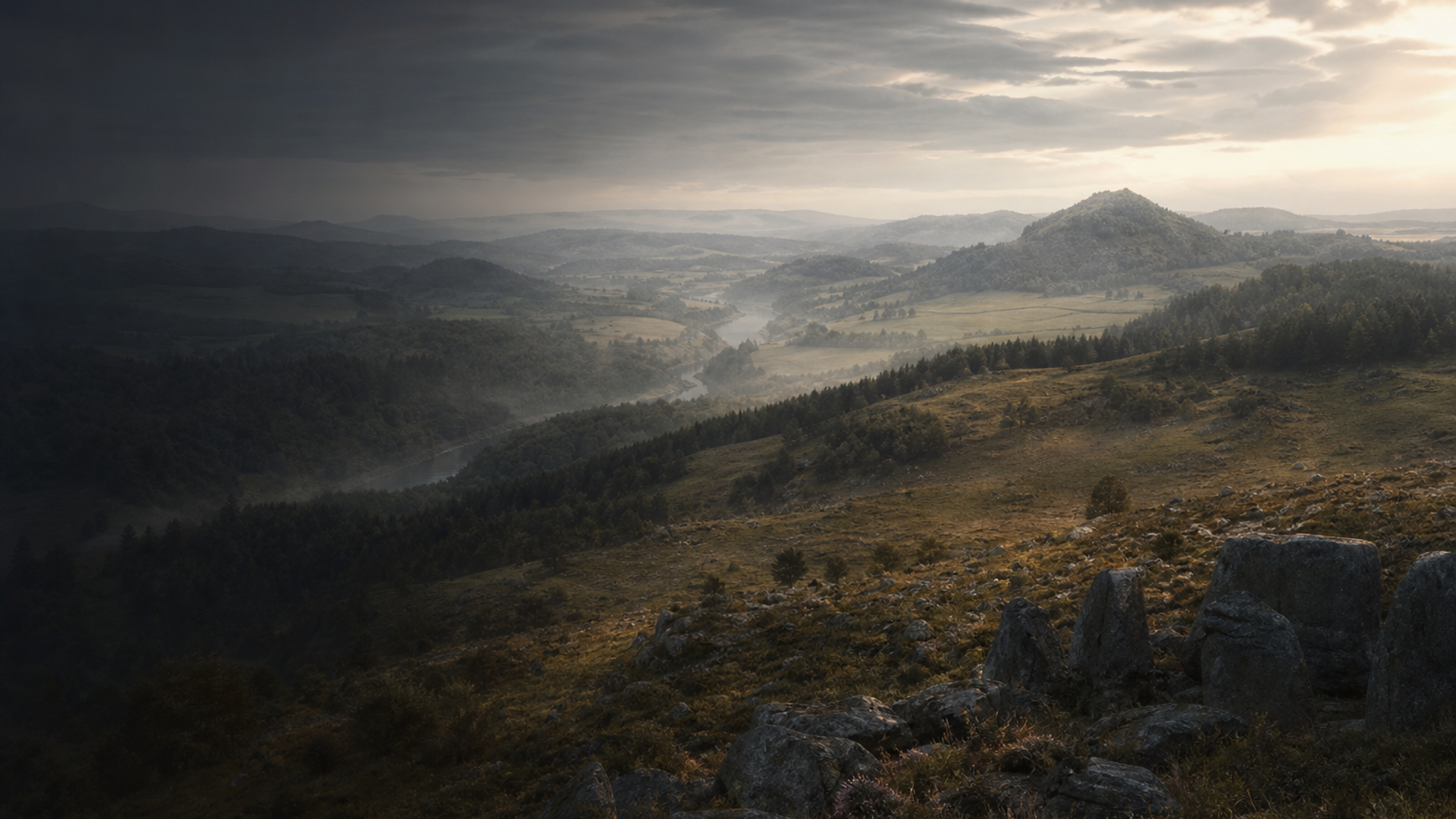
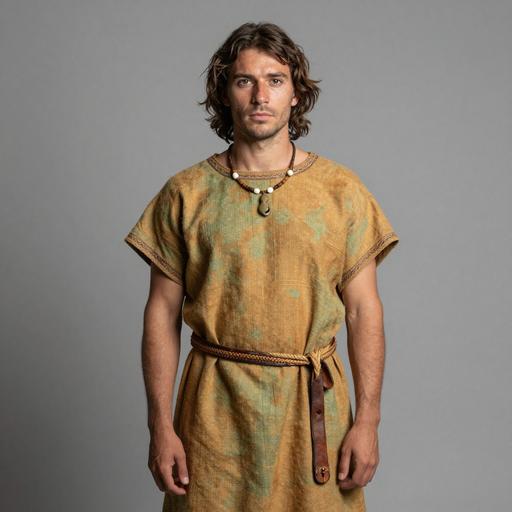
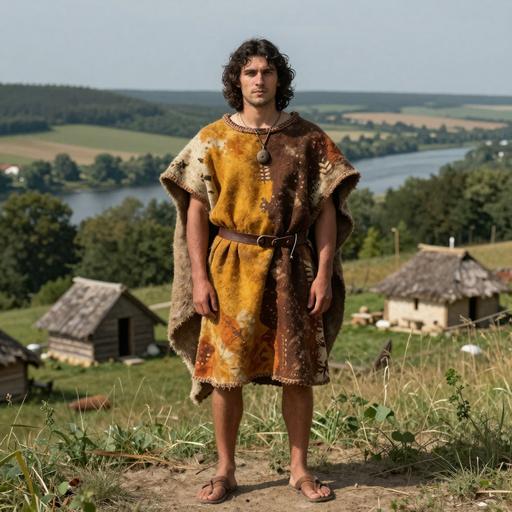
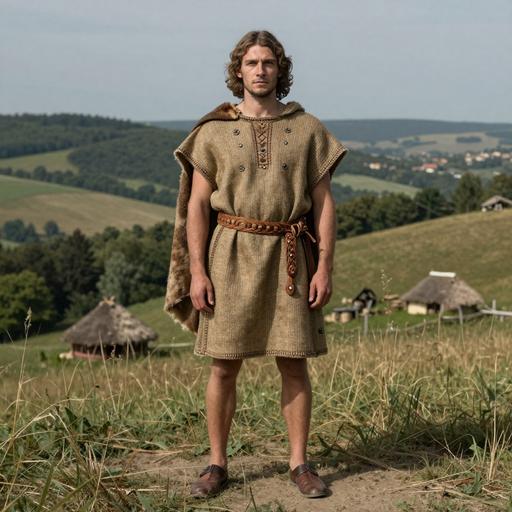
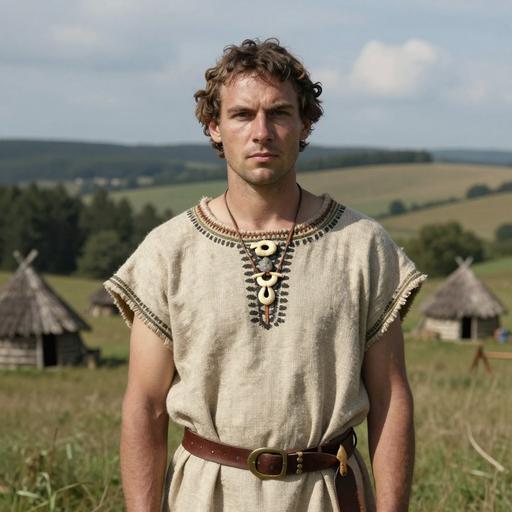
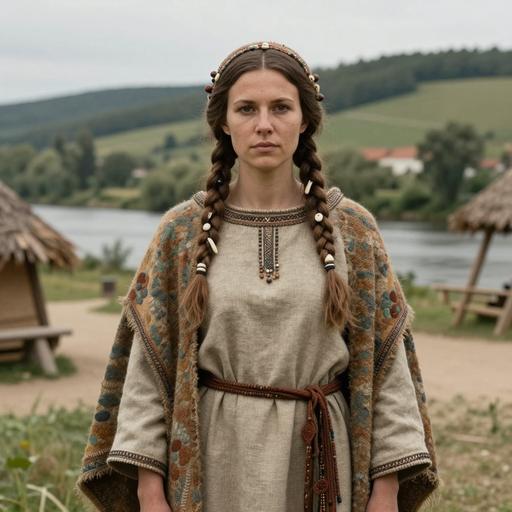
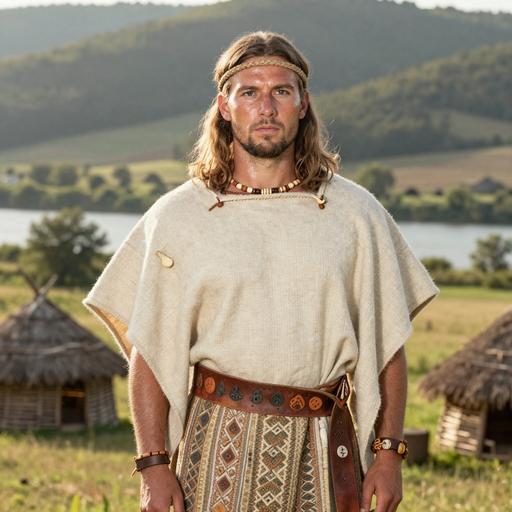
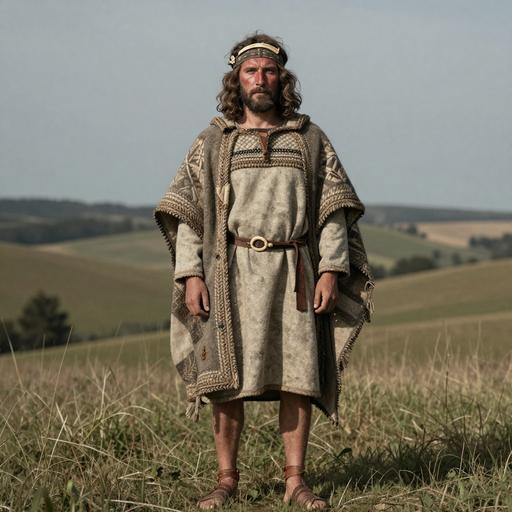
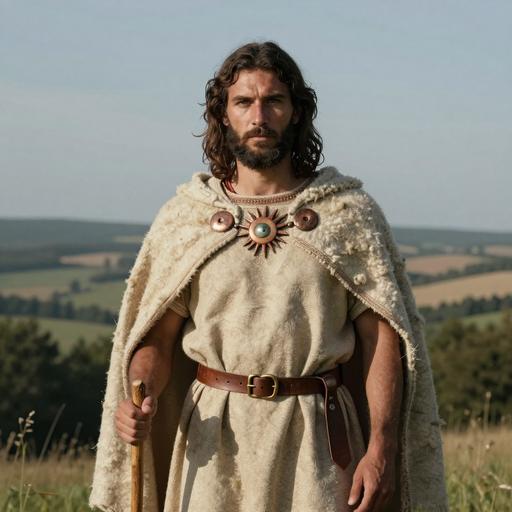
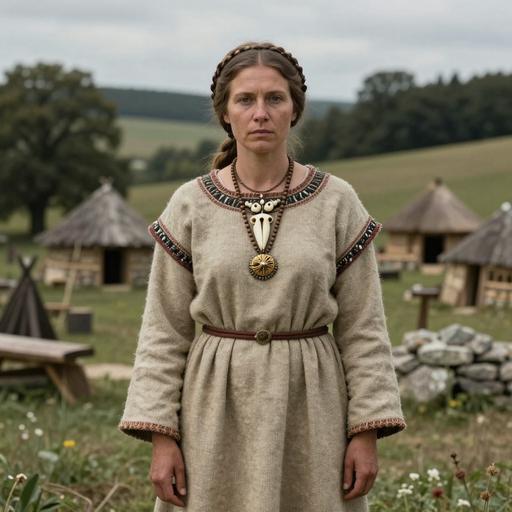
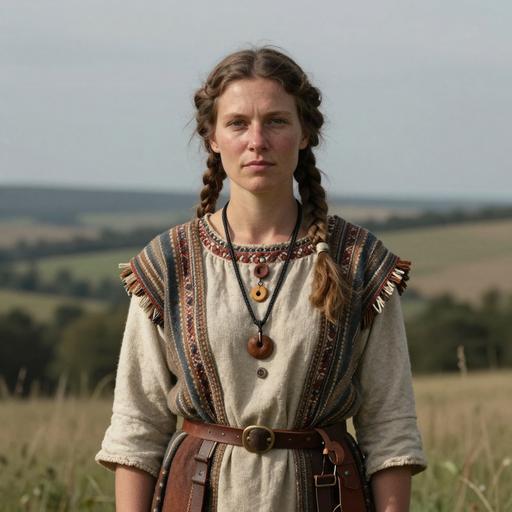
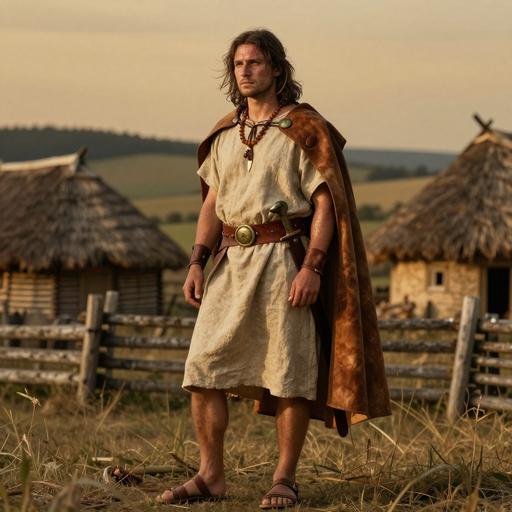
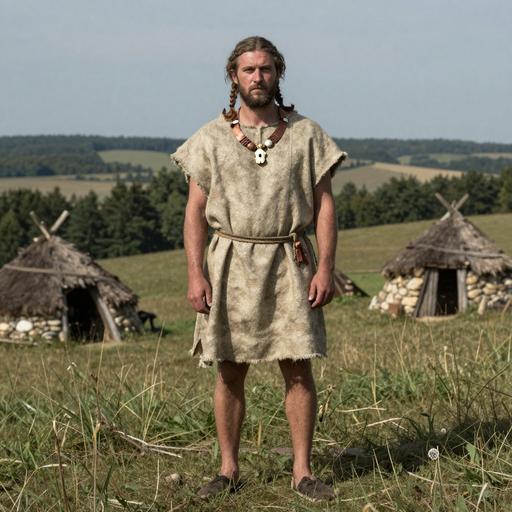
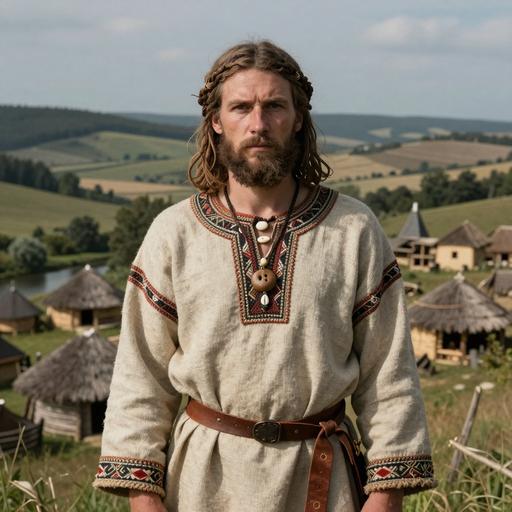
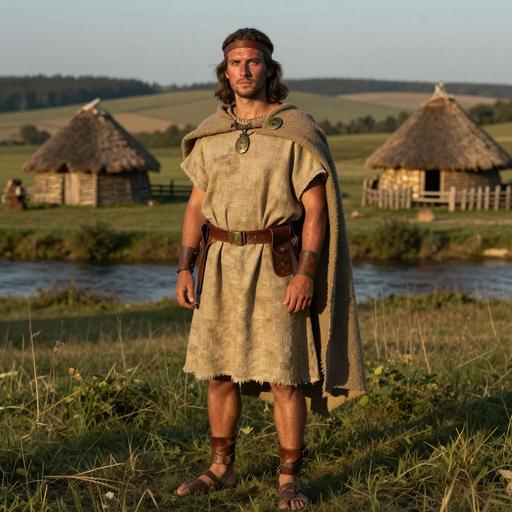
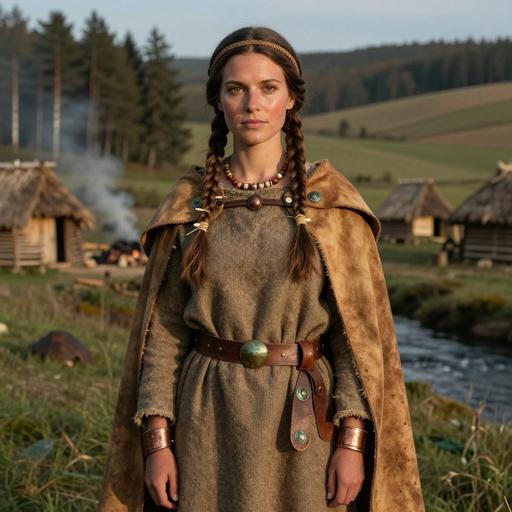
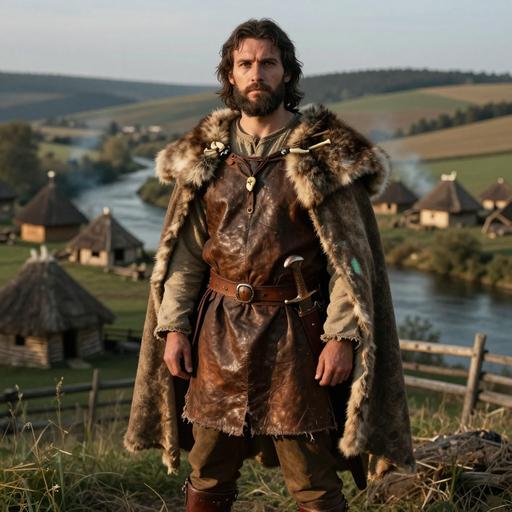
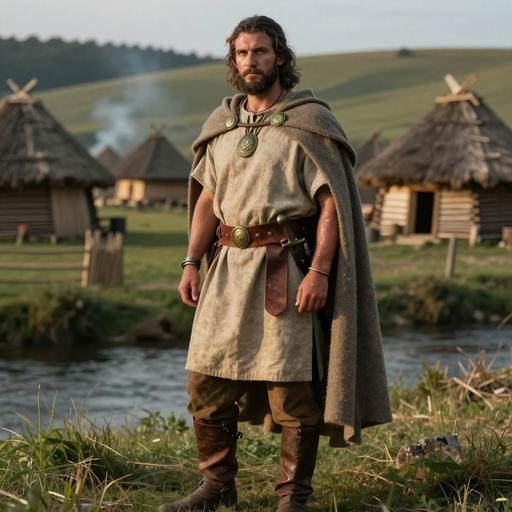
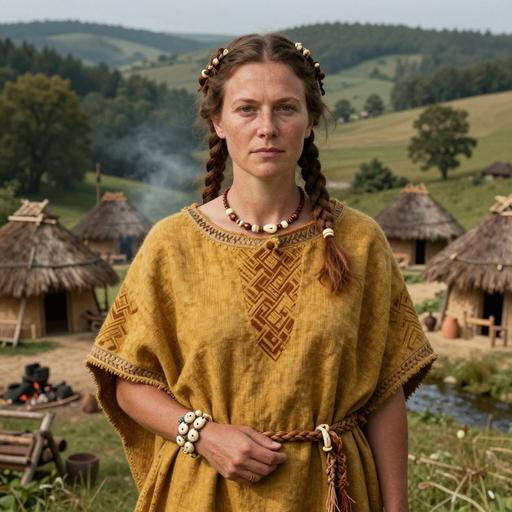
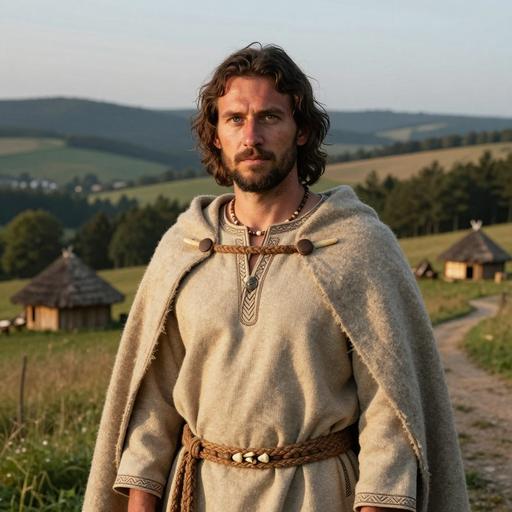
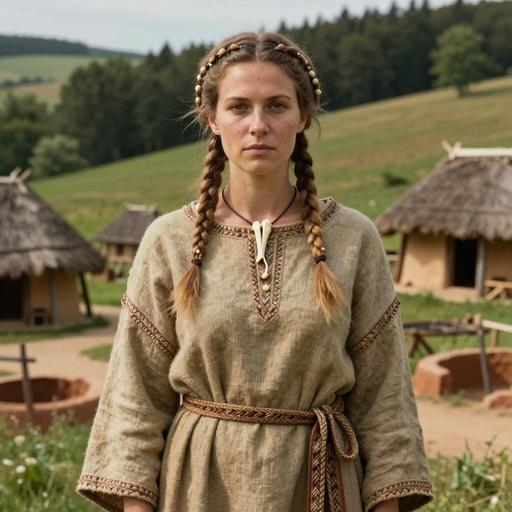
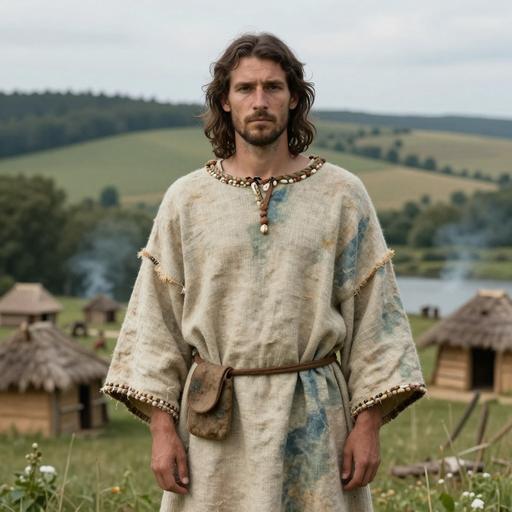
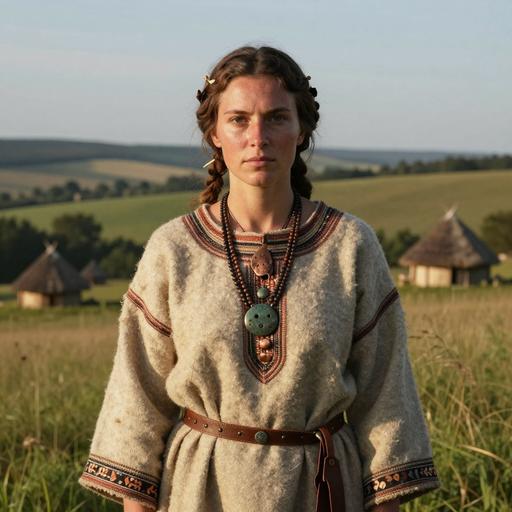
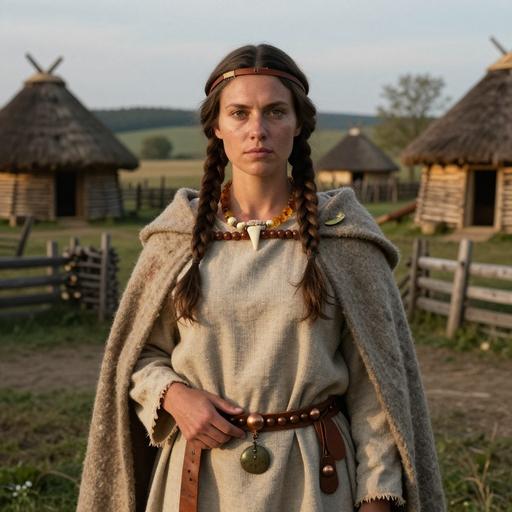
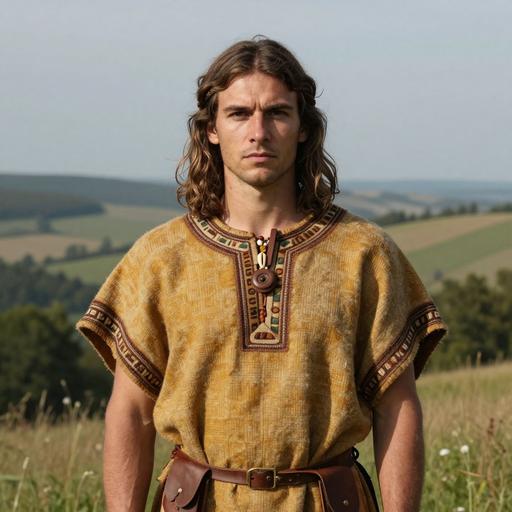
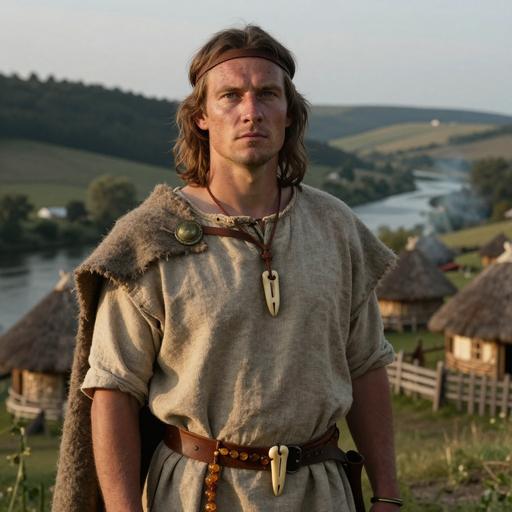
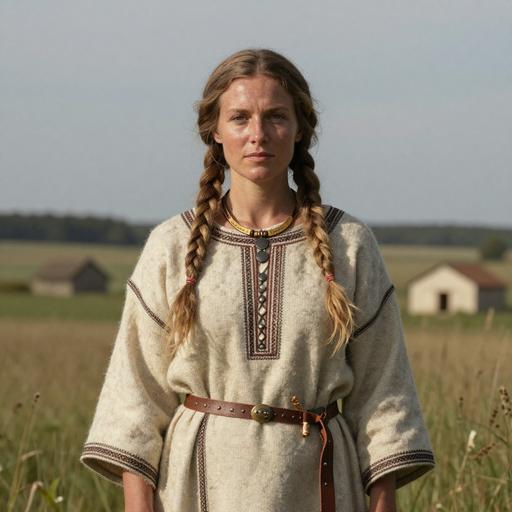
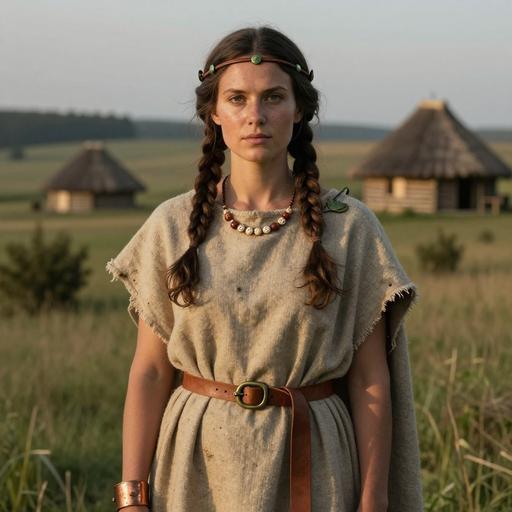
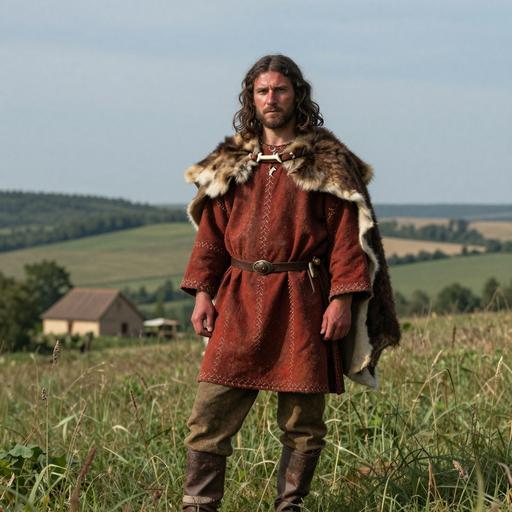
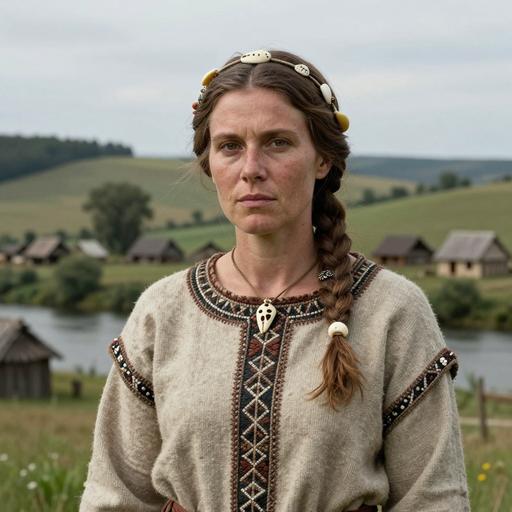
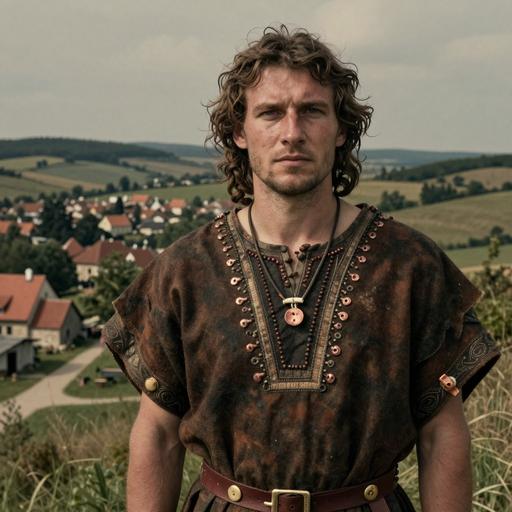
A synthesis of archaeology and DNA from 628 Bronze Age genomes (3092 BCE–12 CE) centered on the Unetice tradition in Bohemia and its connections across Europe. Archaeology and genetics together illuminate mobility, metallurgy, and shifting ancestries.
Time Period
c. 3092 BCE–12 CE (chiefly Early Bronze Age)
Region
Central & Western Europe (Bohemia, Germany, France, Italy, & more)
الخريطة التفاعلية غير متاحة. يمكنك الاطلاع على المواقع المسجّلة في كتالوج العينات.
الخط الزمني
2300 BCE
Rise of Unetice metallurgy
Early Bronze Age Unetice communities consolidate bronze production and long-distance exchange across Bohemia and neighbouring regions.
Origins & Emergence
The European Bronze Age in this dataset unfolds from the late 4th millennium into the first century CE, but its most vivid expression here is the Early Bronze Age Unetice horizon (c. 2300–1600 BCE) centered in Bohemia and radiating into neighbouring regions. Archaeological signatures — grave mounds, flat cemeteries, standardized metal forms and hoards — mark communities that mastered early bronze metallurgy and long-distance exchange. Key sites in this corpus include Brandýs nad Labem, Chleby and Hostivice in Bohemia, Rothenschirmbach and Halberstadt-Sonntagsfeld in Germany, Quedlinburg Site XII, and Grottina dei Covoloni del Broion in northern Italy, among others in France, the Netherlands, Switzerland, Hungary, Croatia, Slovenia and Spain.
Material culture reveals layered ancestries: stylistic continuities with preceding Bell Beaker and Corded Ware traditions, and innovations that speak to interregional craft networks. Archaeological data indicates metal flow along Alpine, Danubian and North Sea routes — bronzes and raw copper moving alongside prestige goods like amber and faience beads. Limited evidence suggests regional variation in burial rites and social display: some communities favored richly furnished single graves, others collective interments, hinting at diverse social structures across the same cultural horizon.
Genetically, the sequence of sites shows admixture and mobility rather than a single monolithic people. While broad patterns point to continuity with earlier late Neolithic and Steppe-influenced populations, fine-grained settlement histories were mosaic and locally contingent. As always, interpretation must remain cautious: material similarity does not always equal biological uniformity, and patterns vary across time and place.
Primary cultural anchor: Unetice horizon (c. 2300–1600 BCE) centered in Bohemia
Key sites: Brandýs nad Labem, Chleby, Hostivice, Rothenschirmbach, Quedlinburg Site XII, Broion (Italy)
Archaeology shows metallurgy, long-distance exchange, and regional variation
Daily Life & Society
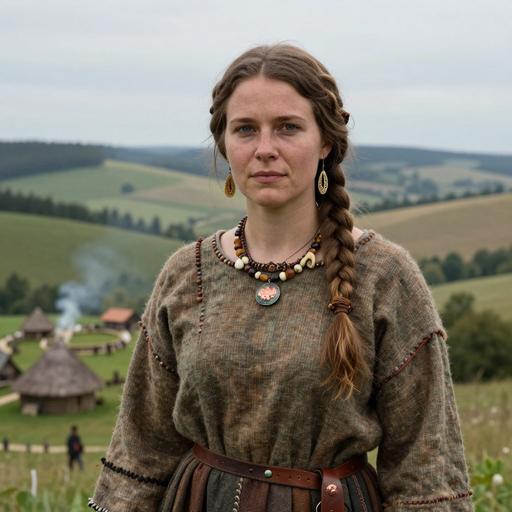
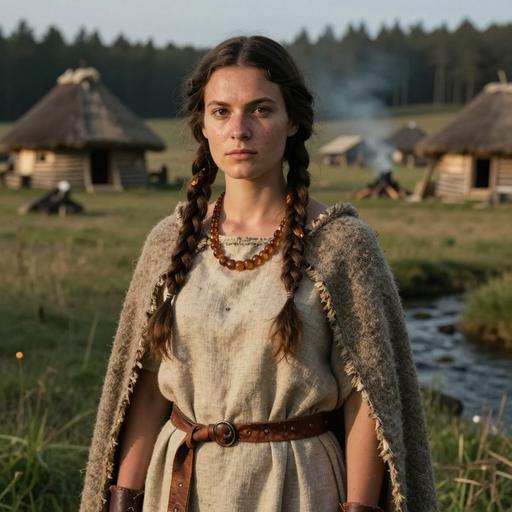
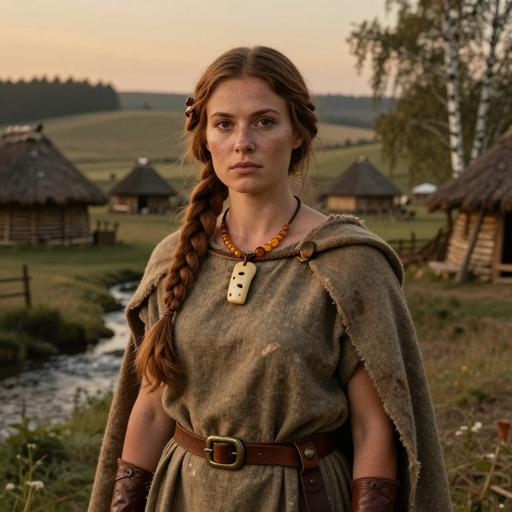
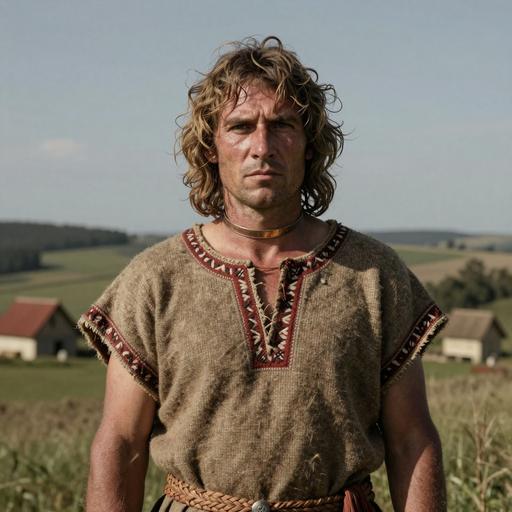
Life in these Bronze Age communities combined local subsistence, specialized craft, and long-distance ties. Settlement traces and house plans vary from small farmsteads to nucleated villages; archaeobotanical and zooarchaeological remains show mixed farming — cereals, pulses, cattle, sheep and pigs — supplemented by hunting and freshwater resources. The cinematic image of itinerant metalworkers is grounded in kiln pits, slag, and molds recovered at workshop sites: bronze production and specialized smithing underpinned social status and trade.
Burial practices provide direct glimpses into identity and social display. Graves range from crouched inhumations to extended supine burials, sometimes accompanied by weapons, decorated pins, and copper-alloy tools. Sites such as Rothenschirmbach and the Bohemian cemeteries show ornate metalwork in some burials, suggesting hierarchy or ritual roles. Ceramic styles, funerary placement, and artifact assortments emphasize both local traditions and long-distance fashions imported from the Alps, the Carpathians, and western Europe.
Networks mattered: exchange of metals, prestige goods and possibly marriages created webs of connection that linked the Lech Valley, Grand Est (Alsace), the Berici Hills of Italy, and further west to France and the Iberian Peninsula. Yet living patterns were not solely cosmopolitan: many communities appear conservative in diet, craft repertoire, and household composition, balancing innovation with rooted local lifeways.
Mixed farming economy with specialized metalworking and craft production
Varied burial rites with rich grave goods at key cemetery sites
Genetic Profile
This dataset of 628 genomes provides a robust window into population history across Central and Western Europe during the Bronze Age. Paternal lineages are dominated by haplogroup R (n=150), with smaller but meaningful counts of I (n=28), G (n=11), PF (n=9) and L (n=9). Maternal diversity is high: U (n=121), H (n=85), K (n=71), T (n=43) and J (n=41) are the most frequent mtDNA haplogroups. Such distributions point to a mixed ancestry profile that combined local Neolithic farmer-derived maternal lineages with a strong signal of Steppe-associated paternal ancestry, consistent with broader Bronze Age patterns in Europe.
Sex-biased processes are suggested by this contrast: a comparatively high frequency of R among Y-chromosomes alongside diverse maternal haplogroups is compatible with male-mediated mobility or demographic shifts — for example, the spread of Steppe-derived paternal lineages during the late 3rd and early 2nd millennia BCE. However, interpreting causality requires caution: cultural transmission, patrilocal residence patterns, and selective burial practices can all affect observed genetic patterns.
Some low-frequency markers (PF, L) are intriguing and warrant targeted study. Because these counts are small (n<10 for several haplogroups), conclusions about long-distance contact or minority migrant groups must remain provisional. Spatially, genetic clustering aligns imperfectly with cultural labels: Unetice-associated burials can show internal genetic heterogeneity, and Bell Beaker-related contexts across regions contributed to the admixture landscape. Overall, the genetic data underscore a dynamic Bronze Age Europe shaped by mobility, regional continuity, and complex admixture.
Large sample (n=628) gives robust continental-scale signal of mixed ancestries
Paternal bias toward R; maternal lines dominated by U, H, K — suggests male-mediated mobility
Legacy & Modern Connections
The Unetice-era world left material and genetic echoes in later European prehistory and in the modern gene pool. Technological advances in metal production and standardized forms influenced Middle and Late Bronze Age cultures — from the Vatya and Füzesabony zones in Hungary to later Hallstatt developments. Genetic legacies are visible in the persistence of many maternal and paternal haplogroups across subsequent millennia, although demographic turnovers and local dynamics continued to reshape ancestry patterns.
Culturally, motifs and metal types trace lines into Iron Age craft and social display. Linguistic and population histories remain complex: while genetic signatures correspond in part to known migration episodes, linking them directly to language spread requires interdisciplinary caution. The dataset demonstrates how archaeology and ancient DNA together clarify past mobility, showing that Bronze Age Europe was neither a single people nor isolated pockets, but an interconnected tapestry whose threads persist in subtle ways in modern populations.
Limited evidence and regional variation mean many stories are still incomplete. Future sampling in understudied areas and integration with isotopic and material analyses will sharpen the picture of how these Bronze Age communities shaped later Europe.
Technological and stylistic influences persisted into later Bronze and Iron Ages
Genetic signatures from this period contribute to modern European ancestry, but details vary regionally
كتالوج العينات
10 / 42 عينة
لا توجد عينات تطابق بحثك.
الصورة
العينة
البلد
الحقبة
التاريخ
الثقافة
الجنس
Y-DNA
mtDNA
Czech Republic
Czech_BellBeaker
2287-2140 calBCE (3780±20 BP, PSUAMS-2864)
European Bronze Age
M
R-L2
T2b
Czech Republic
Czech_BellBeaker
2284 BCE
European Bronze Age
M
R1b1a1b1a1a2b1
U4a*
Czech Republic
Czech_BellBeaker
2195 BCE
European Bronze Age
M
R-Z46080
K1a2c2
Czech Republic
Czech_BellBeaker
2284-2056 calBCE (3765±20 BP, PSUAMS-2848)
European Bronze Age
M
R-L2
J2a1a2
Czech Republic
Czech_BellBeaker
2270-2039 calBCE (3740±20 BP, PSUAMS-2844)
European Bronze Age
M
R-L2
H6a
Czech Republic
Czech_BellBeaker
2201-2037 calBCE (3730±20 BP, PSUAMS-2845)
European Bronze Age
M
R-Z46080
K1a2c
Czech Republic
Czech_BellBeaker
2289-2141 calBCE (3785±20 BP, PSUAMS-2853)
European Bronze Age
F
-
U5a2+16294
Czech Republic
Czech_BellBeaker
2276-2042 calBCE (3750±20 BP, PSUAMS-2852)
European Bronze Age
M
R-L2
H1-e
Czech Republic
Czech_BellBeaker
2403 BCE
European Bronze Age
M
R-L2
I4a*
Czech Republic
Czech_BellBeaker
2138-1973 calBCE (3670±20 BP, PSUAMS-4499)
European Bronze Age
M
R-L2
I2*
Czech Republic
Czech_BellBeaker
2296-2143 calBCE (3800±20 BP, PSUAMS-4345)
European Bronze Age
F
-
U5b3h
Czech Republic
Czech_BellBeaker
2500-2200 BCE
European Bronze Age
F
-
U8b1b1
Czech Republic
Czech_BellBeaker
2500-2000 BCE
European Bronze Age
F
-
V3
Czech Republic
Czech_BellBeaker
2462 BCE
European Bronze Age
M
R-L2
U4a*
Czech Republic
Czech_BellBeaker
2454-2201 calBCE (3840±25 BP, PSUAMS-4346)
European Bronze Age
M
R-L2
K1b1a1-a*
Czech Republic
Czech_BellBeaker
2201-2037 calBCE (3730±20 BP, PSUAMS-4236)
European Bronze Age
M
R-L2
H6a1b4
Czech Republic
Czech_BellBeaker
2440-2201 calBCE (3835±20 BP, PSUAMS-4347)
European Bronze Age
F
-
HV-b17
Czech Republic
Czech_BellBeaker
2500-2000 BCE
European Bronze Age
M
R-L2
H10-a
Czech Republic
Czech_BellBeaker
2340-2146 calBCE (3810±20 BP, PSUAMS-4350)
European Bronze Age
F
-
H5a1g*
Czech Republic
Czech_BellBeaker
2500-2000 BCE
European Bronze Age
M
R-L2
U2e1h
Czech Republic
Czech_BellBeaker
2291-2142 calBCE (3790±20 BP, PSUAMS-2843)
European Bronze Age
M
R-L2
U5a1i
Czech Republic
Czech_BellBeaker
2500-2000 BCE
European Bronze Age
M
R-L2
H5b
Czech Republic
Czech_BellBeaker
2456 BCE
European Bronze Age
M
R-P312
U8b1b1*
Czech Republic
Czech_BellBeaker
2500-2000 BCE
European Bronze Age
M
R-L2
K1a3a3
Czech Republic
Czech_BellBeaker
2500-2000 BCE
European Bronze Age
F
-
K1a3a3
Czech Republic
Czech_BellBeaker
2500-2000 BCE
European Bronze Age
M
R-L2
U5b2c
Czech Republic
Czech_BellBeaker
2500-2000 BCE
European Bronze Age
M
R-BY3483
T2e
Czech Republic
Czech_BellBeaker
2500-2000 BCE
European Bronze Age
M
R-L2
K1a4a1
Czech Republic
Czech_BellBeaker
2293-2143 calBCE (3795±20 BP, PSUAMS-2854)
European Bronze Age
F
-
H4a1c
Czech Republic
Czech_BellBeaker
2500-1900 BCE
European Bronze Age
M
R-L2
U4a2
Czech Republic
Czech_BellBeaker
2336-2144 calBCE (3805±20 BP, PSUAMS-2801)
European Bronze Age
F
-
I4a
Czech Republic
Czech_BellBeaker
2800-1800 BCE
European Bronze Age
M
R-BY3508
U4a2c
Czech Republic
Czech_BellBeaker
2800 BCE
European Bronze Age
F
-
U5b2c
Czech Republic
Czech_BellBeaker
2500-2250 BCE
European Bronze Age
M
R-L2
U4a
Czech Republic
Czech_BellBeaker
2500-2000 BCE
European Bronze Age
F
-
R1a1a
Czech Republic
Czech_BellBeaker
2282 BCE
European Bronze Age
M
R-L151
H3
Czech Republic
Czech_BellBeaker
2500-2000 BCE
European Bronze Age
M
R-L151
H1m
Czech Republic
Czech_BellBeaker
2500-1900 BCE
European Bronze Age
F
-
K2b1
Czech Republic
Czech_BellBeaker
2500-2000 BCE
European Bronze Age
F
-
K1a2c
Czech Republic
Czech_BellBeaker
2800-1800 BCE
European Bronze Age
M
R-L151
H
Czech Republic
Czech_BellBeaker
2500-1800 BCE
European Bronze Age
F
-
U5a1b1
Czech Republic
Czech_BellBeaker
2500-2200 BCE
European Bronze Age
M
-
H17a
Bell Beaker Culture, Czech Republic - Czech Republic - Prague 5. Jinonice. Butovická Street
Bell Beaker Culture, Czech Republic - Czech Republic - Lochenice
Czech Republic Czech_BellBeaker 2800-1800 BCE
Y: R-BY3508mt: U4a2c
Bell Beaker Culture, Czech Republic - Czech Republic - Kněževes
Czech Republic Czech_BellBeaker 2800 BCE
mt: U5b2c
Bell Beaker Culture, Czech Republic - Czech Republic - Brandýsek
Czech Republic Czech_BellBeaker 2500-2250 BCE
Y: R-L2mt: U4a
Bell Beaker Culture, Czech Republic - Czech Republic - Brandýsek
Czech Republic Czech_BellBeaker 2500-2000 BCE
mt: R1a1a
Bell Beaker Culture, Czech Republic - Czech Republic - Knezeves
Czech Republic Czech_BellBeaker 2282 BCE
Y: R-L151mt: H3
Bell Beaker Culture, Czech Republic - Czech Republic - Radosevice
Czech Republic Czech_BellBeaker 2500-2000 BCE
Y: R-L151mt: H1m
Bell Beaker Culture, Czech Republic - Czech Republic - Velké Přílepy
Czech Republic Czech_BellBeaker 2500-1900 BCE
mt: K2b1
Bell Beaker Culture, Czech Republic - Czech Republic - Brandýsek
Czech Republic Czech_BellBeaker 2500-2000 BCE
mt: K1a2c
Bell Beaker Culture, Czech Republic - Czech Republic - Prague 8. Kobylisy. Ke Stírce Street
Czech Republic Czech_BellBeaker 2800-1800 BCE
Y: R-L151mt: H
Bell Beaker Culture, Czech Republic - Czech Republic - Lovosice
Czech Republic Czech_BellBeaker 2500-1800 BCE
mt: U5a1b1
Bell Beaker Culture, Czech Republic - Czech Republic - Prague 5. Jinonice. Butovická Street
Czech Republic Czech_BellBeaker 2500-2200 BCE
mt: H17a
مساعد الذكاء الاصطناعي
مساعد الذكاء الاصطناعي
من DNA Genics
فتح هذه الميزة
اطرح أسئلة عن ثقافة Echoes of the European Bronze Age. يمكن للمساعد شرح النتائج الجينية والسياق التاريخي والأدلة الأثرية والصلات بالعصر الحديث.
تفسير مولّد بالذكاء الاصطناعي للتشابه الجيني. يُقدّم للمعلومات ولا يثبت النسب أو يُستخدم للمشورة المتخصّصة.
اقرأ الإشعار الكامل
Before you continue: the analysis you are about to generate is produced by an AI model. AI output can be incomplete, inaccurate, or simply wrong. It describes statistical genetic similarity to reference populations and is not proof of ancestry, ethnicity, identity, or descent. It is provided for informational and educational purposes only, and is not medical, diagnostic, genealogical, legal, or other professional advice. Do not rely on it to make health, financial, legal, or family decisions. To the fullest extent permitted by applicable law, DNA Genics, S.L. accepts no liability for any loss or decision arising from your use of this AI output.
مثال على تحليل بالذكاء الاصطناعي
لمحة عن ثقافة Echoes of the European Bronze Age
تساعد عينات الحمض النووي القديم الباحثين على دراسة أنماط الهجرة والعلاقات الجينية بين المجموعات السكانية القديمة.
هذه معاينة للتحليل. يتيح المساعد الكامل استكشاف الموضوعات التالية: