انتقل إلى المحتوى الرئيسي
ملفات الحمض النووي

Hellenic Worlds: Anatolia to the Nile

Cosmopolitan peoples shaped by trade, conquest, and local roots across the Hellenistic Mediterranean.

512 BCE - 60 CE
Turkey, Lebanon, N. Macedonia, Armenia, Egypt
17 عينات قديمة

القصة

Archaeological and genetic evidence from 37 individuals (512 BCE–60 CE) across Turkey, Lebanon, North Macedonia, Armenia and Egypt reveals a cosmopolitan Hellenic milieu. Material culture and uniparental markers point to layered local and long‑distance ancestries, with regional variation and important caveats where samples are small.

Time Period

512 BCE – 60 CE

Region

Turkey, Lebanon, N. Macedonia, Armenia, Egypt

Common Y-DNA

E (3), Q (2) — others present

Common mtDNA

U (6), K (5), H (4), W (3), HV (2)

مواقع العينات

الخريطة التفاعلية غير متاحة. يمكنك الاطلاع على المواقع المسجّلة في كتالوج العينات.

الخط الزمني

2500 BCE

Aegean Bronze Age roots

Early Bronze and Middle Bronze Age cultures in the Aegean and Anatolia lay foundations of maritime trade and material traditions later incorporated into Hellenic patterns.

Origins & Emergence

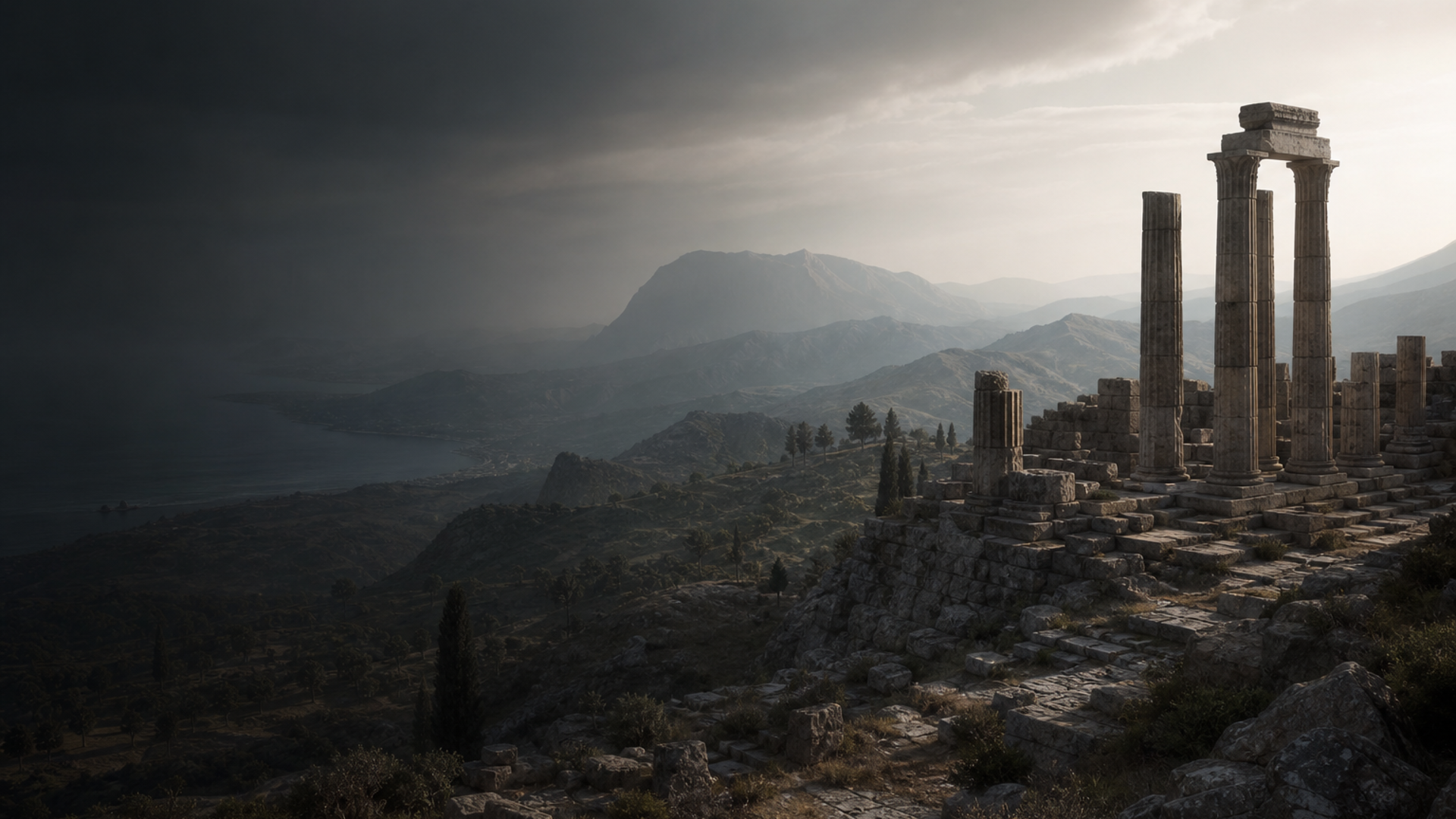
The Hellenic civilizational horizon sampled here (512 BCE–60 CE) unfolds as a tapestry woven from Classical Greek institutions and the political dispersal that followed Alexander the Great. Archaeological contexts — urban quarters, necropoleis and fortress burials — recorded at Halikarnassos (Bodrum), Gordion (Ankara), the southwest necropolis at Marvinci‑Valandovo (North Macedonia), and the necropolis of Teishebaini at Karmir Blur (Armenia) testify to Greek-style urbanism, funerary customs, and mercantile exchange across Anatolia, the Levant and the southern Caucasus.

Material culture shows both continuity with local traditions and deliberate Hellenic visual vocabularies: Greek inscriptions, Hellenistic coinage and imported fine ware appear alongside locally produced ceramics and regional burial architectures. Archaeological data indicates that Hellenistic political entities — from Ptolemaic Egypt to Hellenistic Armenia and coastal city‑states in Turkey and Lebanon — created corridors for people, goods and ideas.

Genetically, the sampled individuals (n=37) are best understood as products of layered ancestry: long‑standing Anatolian and Balkan populations blended with incoming elements from the Levant, the Caucasus and wider Mediterranean networks. Limited evidence suggests male mobility was episodic and often tied to military, mercantile, or administrative movements, while maternal lineages reflect deep regional continuity. Where the number of samples from a single site is small, archaeological and genetic interpretations remain provisional.

  • Hellenistic urbanism evident at Halikarnassos, Gordion, Marvinci, Teishebaini
  • Material culture blends Greek forms with local traditions
  • Population contacts across Anatolia, Levant, Caucasus and Mediterranean

Daily Life & Society

Beneath the grand narratives of kings and city foundations, everyday life in Hellenic contexts was textured, cosmopolitan and regionally variable. Excavated households and necropoleis provide glimpses: graves in Marvinci‑Valandovo (North Macedonia) and Teishebaini (Karmir Blur, Armenia) contain mixed assemblages of pottery, personal adornment and dietary remains that point to households engaged in local craft, trade and agricultural production. Ports such as Halikarnassos and settlements along the Black Sea (Samsun region sites) acted as nodes in networks that carried olive oil, grain, textiles and people.

Archaeological data indicates social life was marked by religious syncretism and the sharing of public space — temples, agorae and burial grounds often display hybrid iconography combining Greek motifs with Anatolian, Levantine and Armenian symbols. Funerary variation — from richly furnished chamber tombs to simple inhumations — reflects social differentiation and diverse origins of the deceased.

Mobility during the Hellenistic era was tangible: mercenaries, administrators, traders and colonists traversed distances and sometimes settled far from ancestral homelands. Osteological evidence and grave assemblages show varied diets and life histories, but caution is necessary: isotopic and genetic coverage is uneven, and in many cemeteries the number of sampled individuals is small, so broader statements about daily life should remain cautious.

  • Ports and inland strongholds linked local economies to Mediterranean trade
  • Funerary evidence shows social differentiation and cultural syncretism

Genetic Profile

The genetic portrait drawn from 37 individuals dated between 512 BCE and 60 CE reveals a mosaic of maternal and paternal lineages that mirrors the archaeological picture of connectivity. Uniparental markers: mtDNA haplogroups are dominated by U (n=6), K (n=5), H (n=4), W (n=3) and HV (n=2). These maternal lineages are broadly characteristic of West Eurasian populations and are common in ancient and modern groups across Europe, Anatolia and the Near East, suggesting substantial continuity of local female‑line ancestries in many regions.

Y‑chromosome diversity in this dataset is limited but informative: haplogroup E appears in three individuals and Q in two. Haplogroup E, present in Anatolia and the Near East since prehistory, may reflect Near Eastern or northeastern African male lines in some contexts; haplogroup Q — while relatively rare in the Mediterranean — can reflect connections to the Eurasian steppe or Caucasus and may indicate male‑mediated movement or recruitment of mercenary groups. Given the small counts for specific Y lineages, these interpretations are tentative.

Autosomal signals (where available) point to admixture between local Anatolian/Balkan gene pools and inputs from the Levant and the Caucasus, consistent with the historical movements of people during the Hellenistic period. However, sampling is uneven by site and region; some sites contribute few genomes, and low sample counts for particular haplogroups mean conclusions about frequency shifts or demographic processes should be described as provisional. Future broader sampling and high‑resolution autosomal analyses will clarify the balance between continuity and mobility.
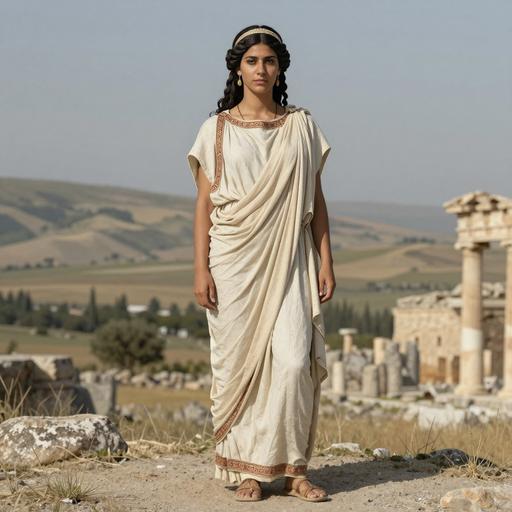
  • Maternal lineages (U, K, H, W, HV) indicate West Eurasian continuity
  • Y diversity (E, Q) suggests episodic male-mediated inputs from Near East/Caucasus

Legacy & Modern Connections

The archaeological and genetic echoes of Hellenic worlds persist in the modern eastern Mediterranean. Cultural legacies — urban grids, linguistic borrowings, artistic motifs and civic institutions — remain visible in cities from Izmir to Alexandria to Yerevan. Genetically, some maternal haplogroups found in these Hellenistic samples (notably U, K and H) continue to be common in contemporary populations across Anatolia, the Balkans and the Levant, reflecting longterm regional continuity.

At the same time, the modest presence of Y lineages such as E and Q in the Hellenistic dataset underscores the historical reality of population movement and admixture. These genetic threads, woven together with archaeological context, emphasize that the Mediterranean of the Hellenistic age was not a static homogeneity but a dynamic interplay of local roots and long‑distance connections. Where sample numbers are small at particular sites, however, links to modern populations should be treated with caution until larger comparative datasets are available.

  • Cultural institutions and urban forms left lasting regional footprints
  • Genetic continuity in maternal lineages coexists with evidence for historical mobility

كتالوج العينات

10 / 17 عينة
الصورة العينة البلد الحقبة التاريخ الثقافة الجنس Y-DNA mtDNA
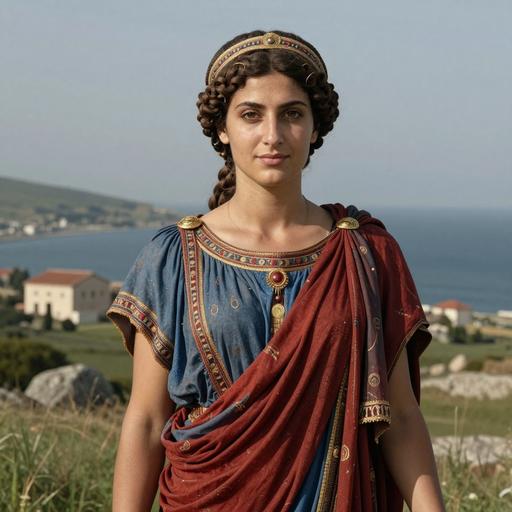
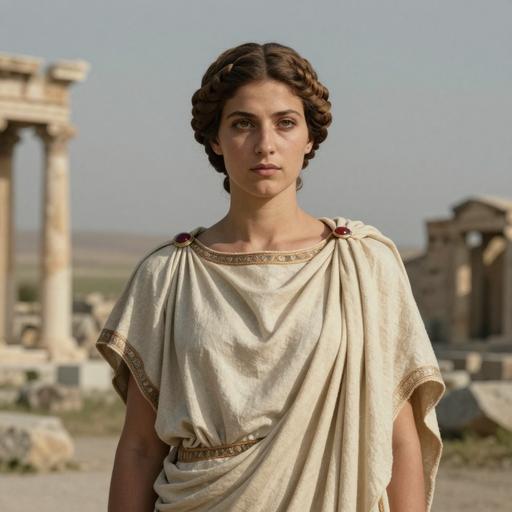
صورة معاد تصورها لـ Ancient-2 individual, Turkey
Turkey Turkey_Hellenistic 350-1 BCE Hellenic Civilization F - H
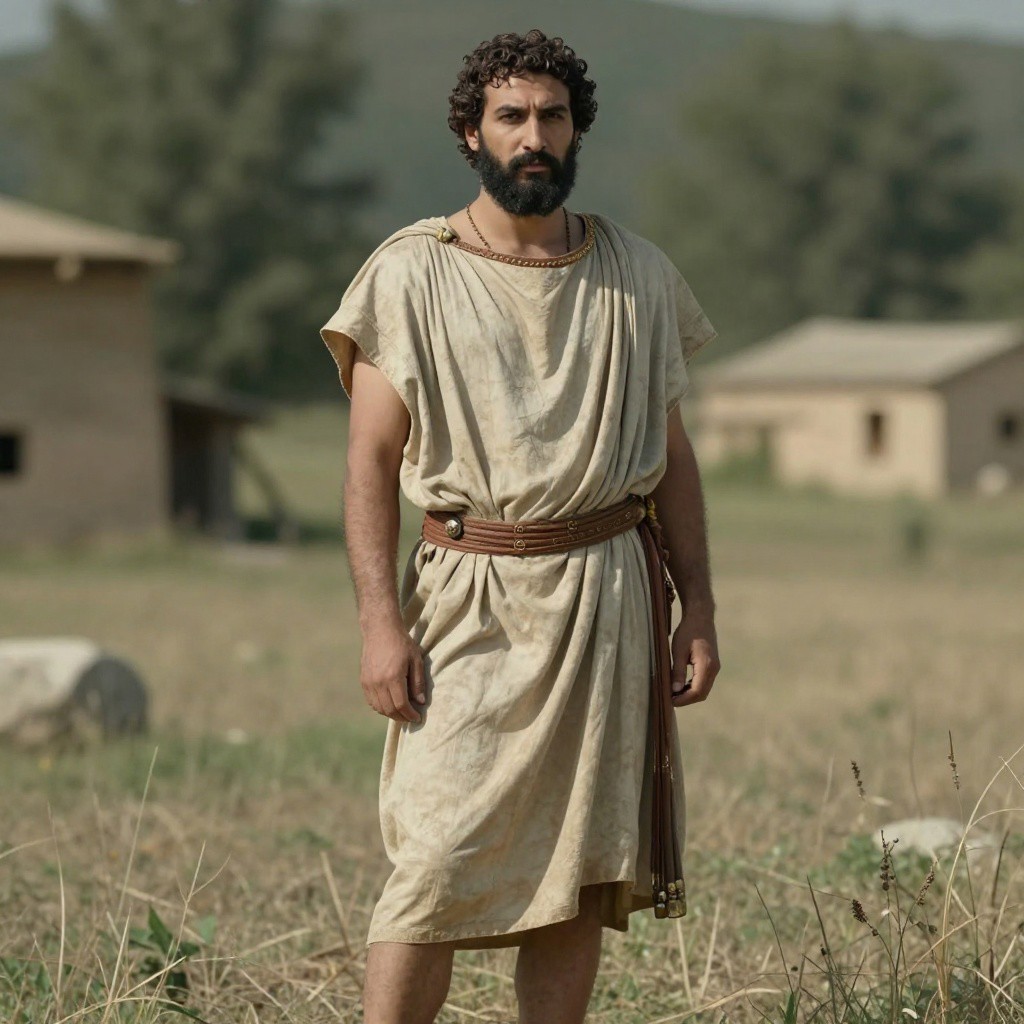
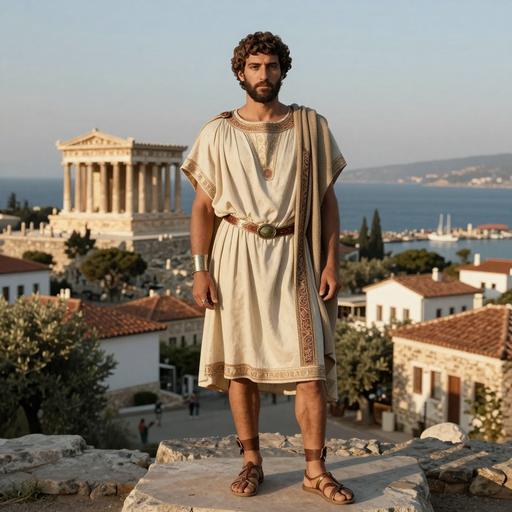
صورة معاد تصورها لـ Ancient-1 individual, Turkey
Turkey Turkey_Hellenistic 350-1 BCE Hellenic Civilization F - N1a3
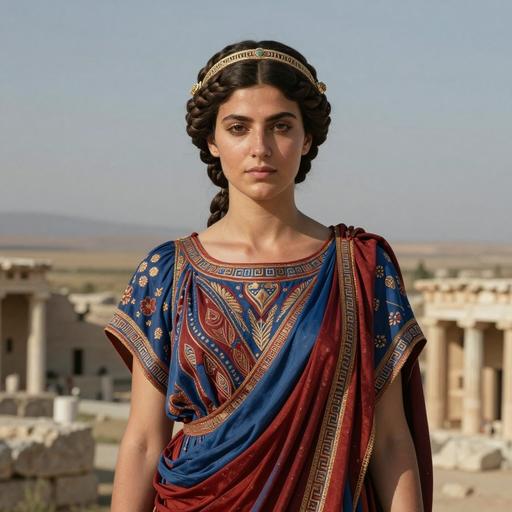
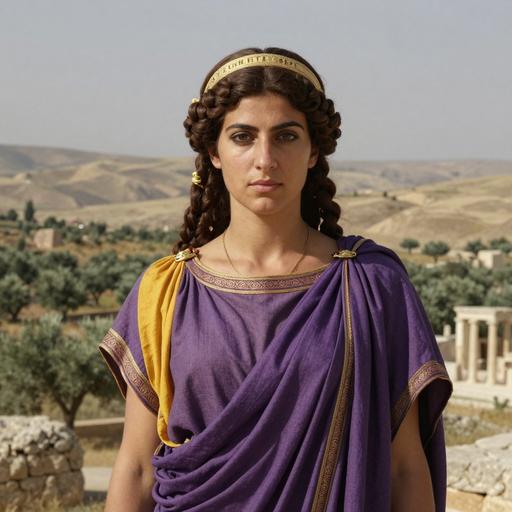
صورة معاد تصورها لـ Ancient-1 individual, Turkey
Turkey Turkey_Hellenistic 350-1 BCE Hellenic Civilization M I-P78 H4a
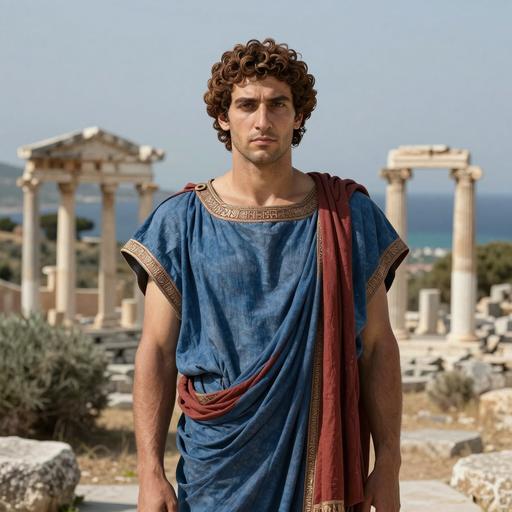
صورة معاد تصورها لـ Hellenistic-o individual, Turkey
Turkey Turkey_Hellenistic 308 BCE M - -
صورة معاد تصورها لـ Ancient individual, Turkey
Turkey Turkey_Hellenistic 350-1 BCE Hellenic Civilization M J-Y29678 H20
صورة معاد تصورها لـ Ancient individual, Turkey
Turkey Turkey_Hellenistic 389-208 calBCE (2250±20 BP, PSUAMS-14619) Hellenic Civilization F - X2n
صورة معاد تصورها لـ Imperial Roman individual, Turkey
Turkey Turkey_Hellenistic 129-244 calCE (1840±20 BP, PSUAMS-14612) Hellenic Civilization F - W3a1
صورة معاد تصورها لـ Ancient individual, Turkey
Turkey Turkey_Hellenistic 350-1 BCE Hellenic Civilization F - HV2a2
صورة معاد تصورها لـ Ancient-2 individual, Turkey
Turkey Turkey_Hellenistic 361-166 calBCE (2185±25 BP, PSUAMS-3994) Hellenic Civilization M J-L25 K1a3
صورة معاد تصورها لـ Ancient-1 individual, Turkey
Turkey Turkey_Hellenistic 350-1 BCE Hellenic Civilization F - W
صورة معاد تصورها لـ Ancient-3 individual, Turkey
Turkey Turkey_Hellenistic 350-1 BCE Hellenic Civilization F - C5b
صورة معاد تصورها لـ Ancient-1 individual, Turkey
Turkey Turkey_Hellenistic 512-389 calBCE (2360±20 BP, PSUAMS-3808) Hellenic Civilization M L H5
صورة معاد تصورها لـ Ancient individual, Turkey
Turkey Turkey_Hellenistic 355-114 calBCE (2165±20 BP, PSUAMS-6702) Hellenic Civilization F - HV1a1b
صورة معاد تصورها لـ Hellenic Civilization individual, Turkey
Turkey Turkey_Hellenistic 193 BCE Hellenic Civilization M - U4a
صورة معاد تصورها لـ Ancient-1 individual, Turkey
Turkey Turkey_Hellenistic 340-53 calBCE (2125±20 BP, PSUAMS-4146) Hellenic Civilization M J-PF5119 J2b
صورة معاد تصورها لـ Ancient-1 individual, Turkey
Turkey Turkey_Hellenistic 350-1 BCE Hellenic Civilization M G-Y238 H2
صورة معاد تصورها لـ Ancient individual, Turkey
Turkey Turkey_Hellenistic 500-300 BCE Hellenic Civilization M - U4a1a1

مساعد الذكاء الاصطناعي

مساعد الذكاء الاصطناعي من DNA Genics

فتح هذه الميزة
اطرح أسئلة عن ثقافة Hellenic Worlds: Anatolia to the Nile. يمكن للمساعد شرح النتائج الجينية والسياق التاريخي والأدلة الأثرية والصلات بالعصر الحديث.
مثال على تحليل بالذكاء الاصطناعي

لمحة عن ثقافة Hellenic Worlds: Anatolia to the Nile

تساعد عينات الحمض النووي القديم الباحثين على دراسة أنماط الهجرة والعلاقات الجينية بين المجموعات السكانية القديمة.

هذه معاينة للتحليل. يتيح المساعد الكامل استكشاف الموضوعات التالية:

  • التركيب الجيني والأصول
  • أنماط الهجرة والأصول
  • الحياة اليومية والممارسات الثقافية
  • الإرث الجيني المعاصر