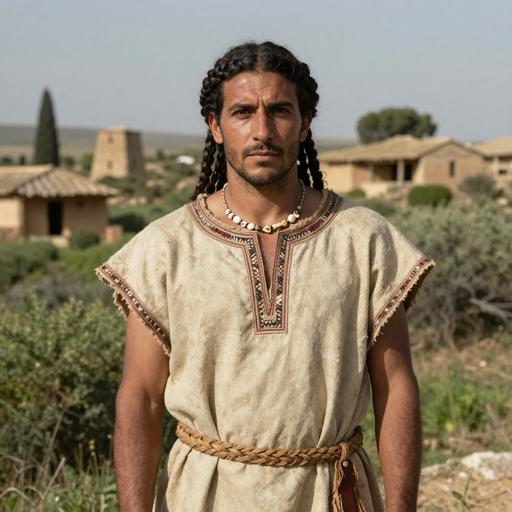
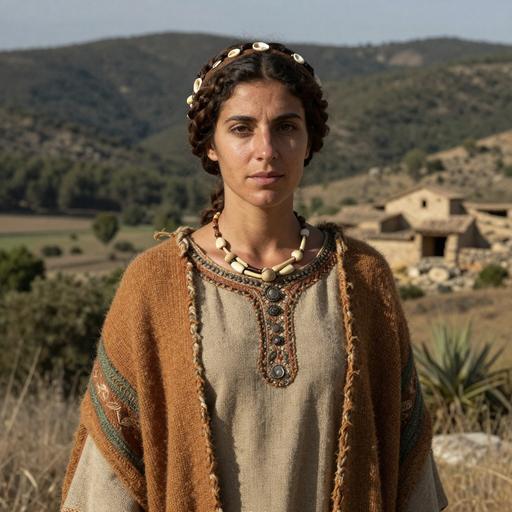
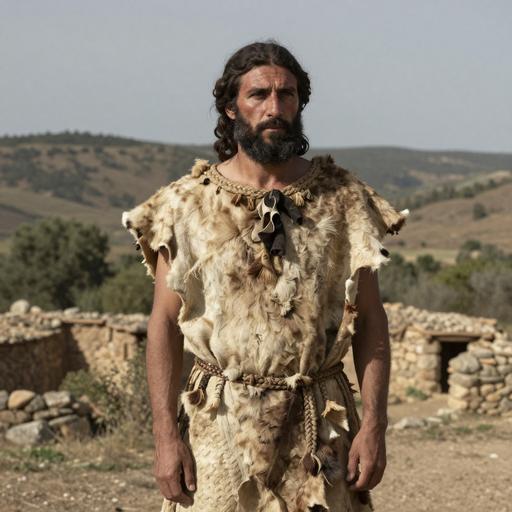
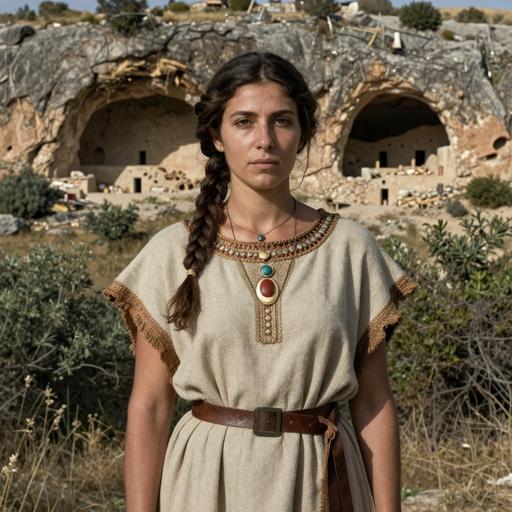
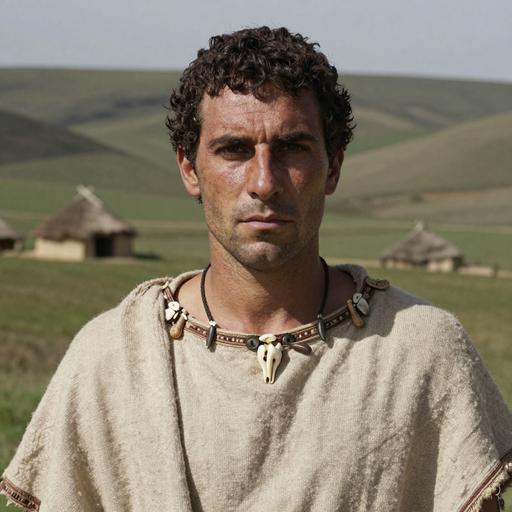
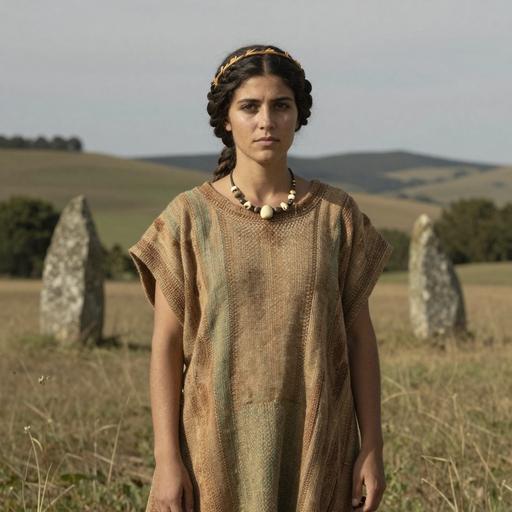
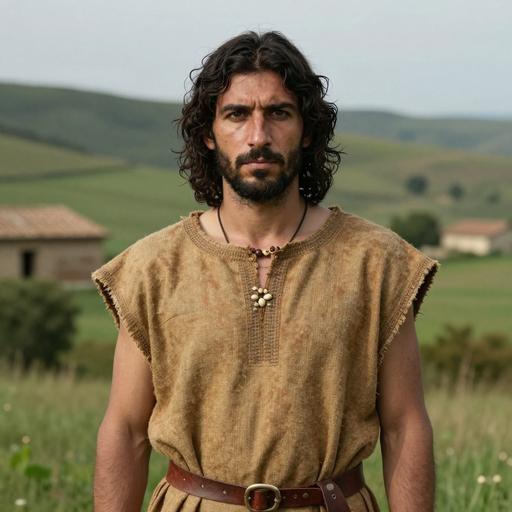
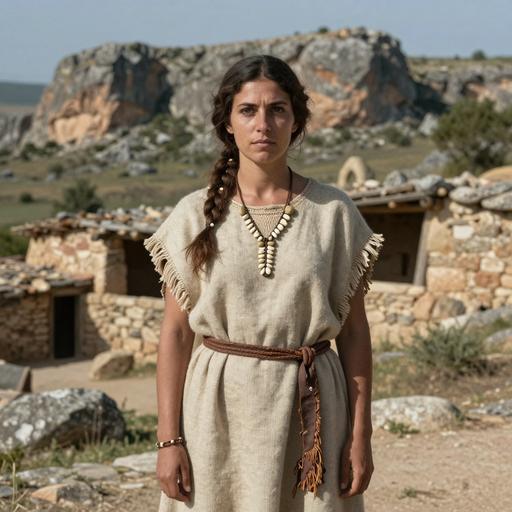
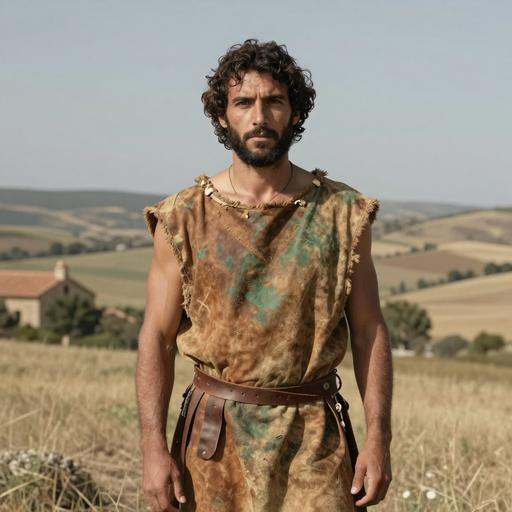
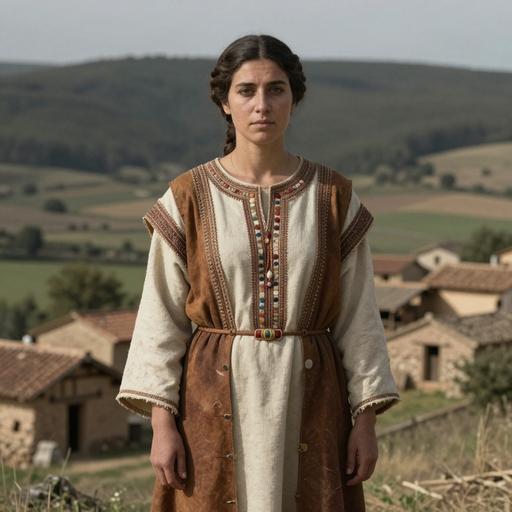
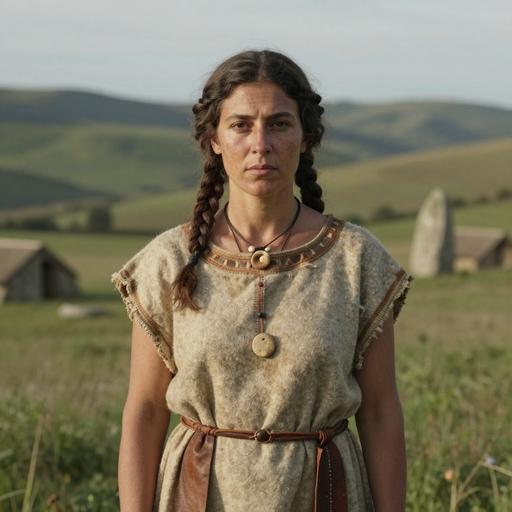
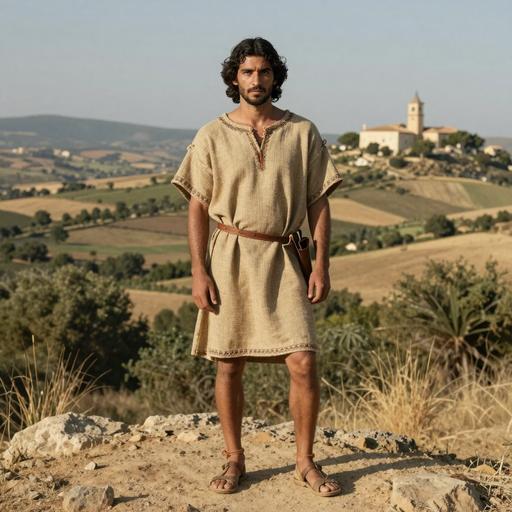
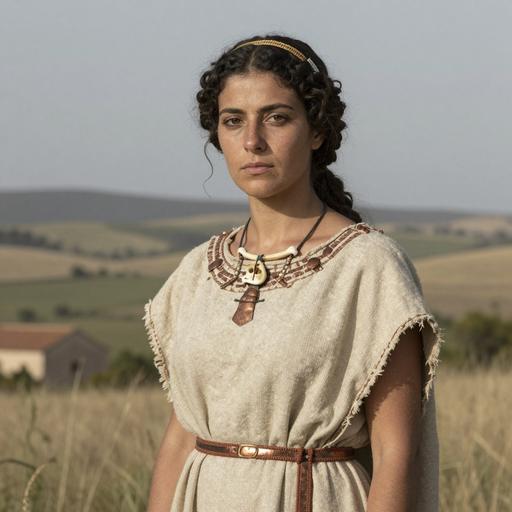
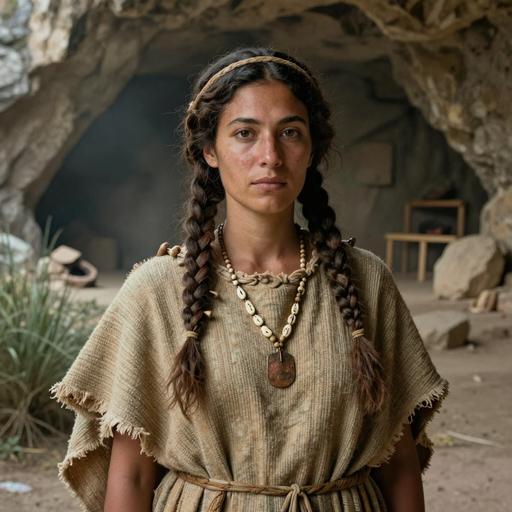
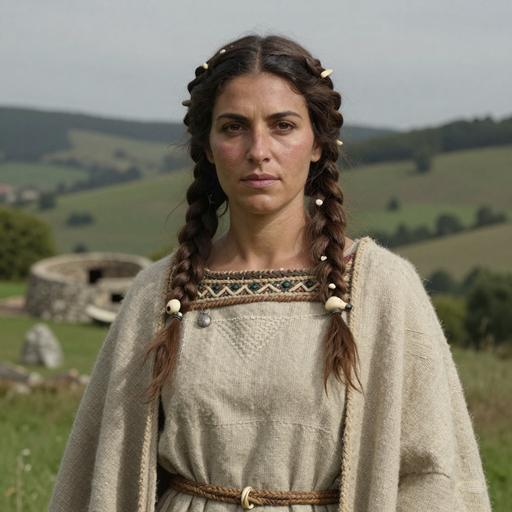
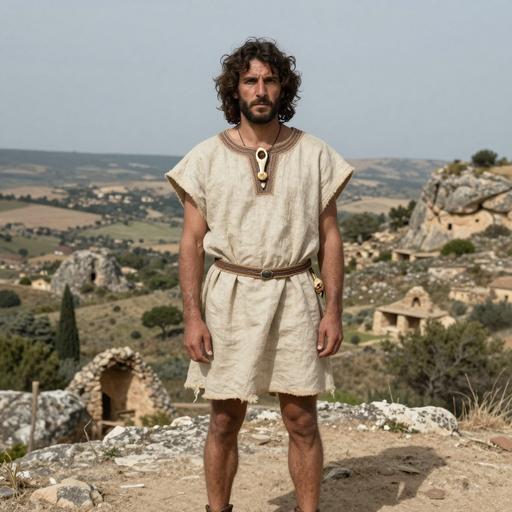
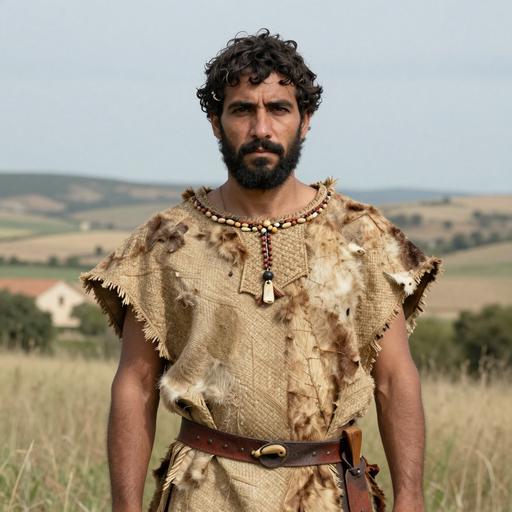
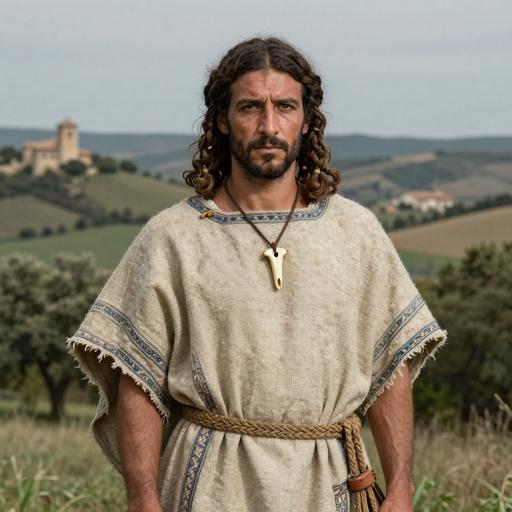
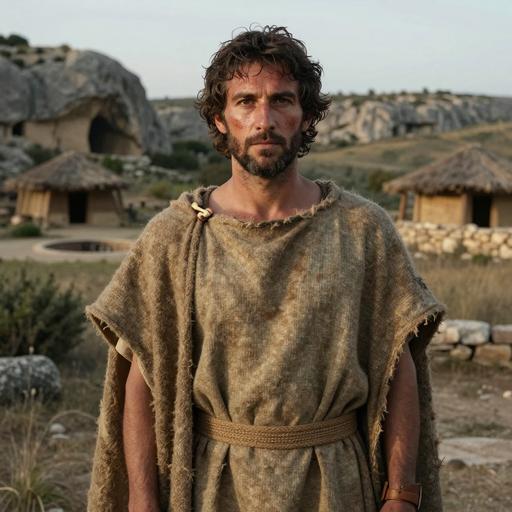
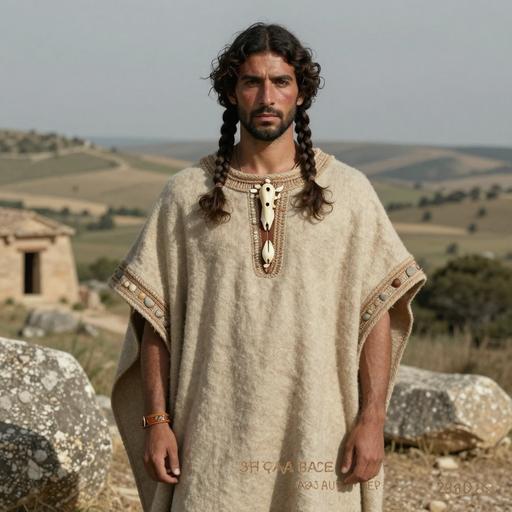
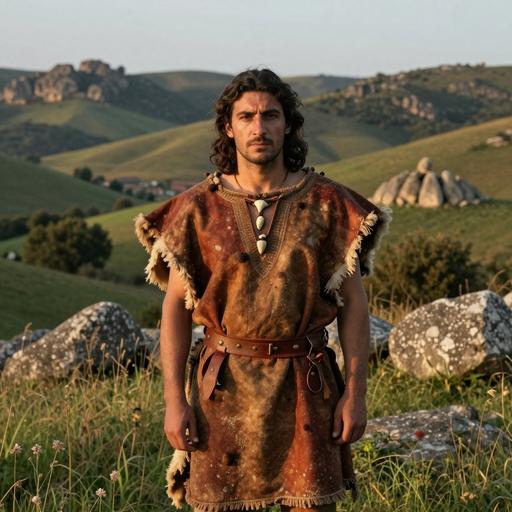
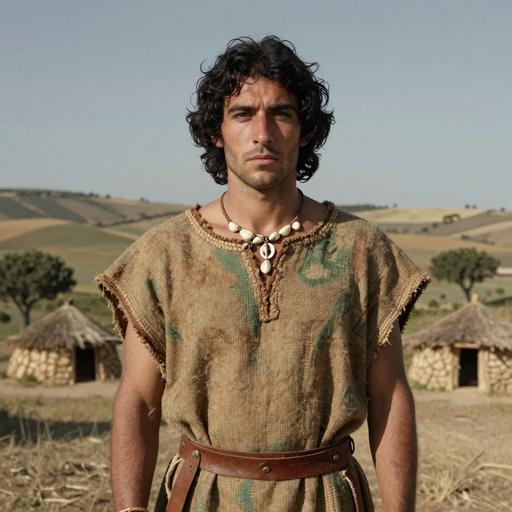
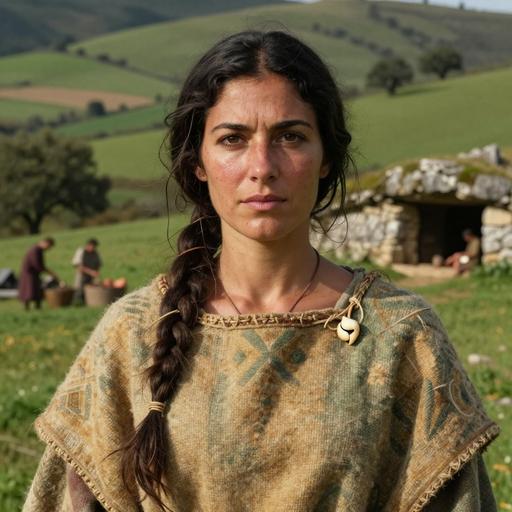
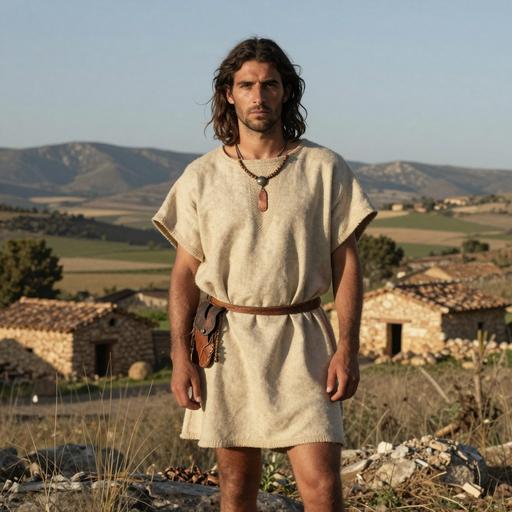
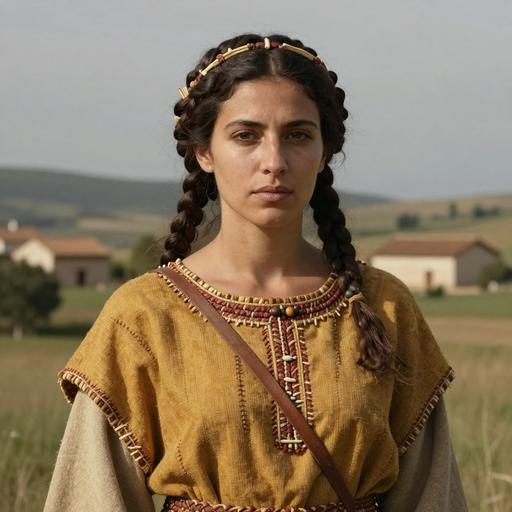
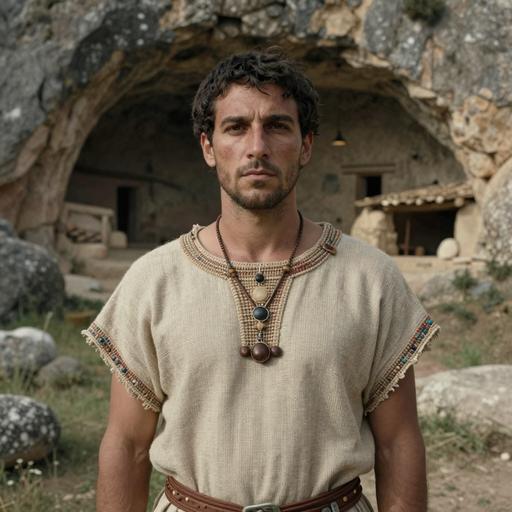
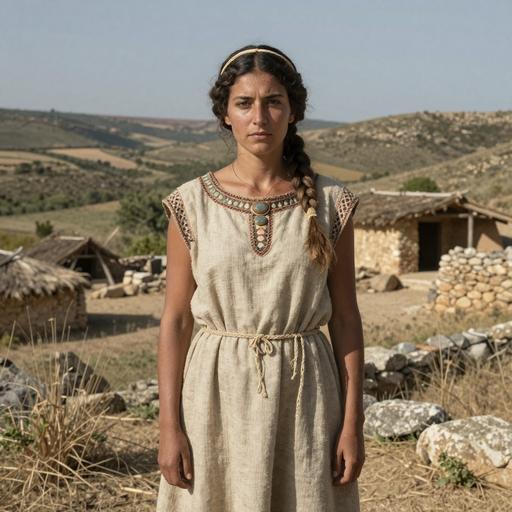
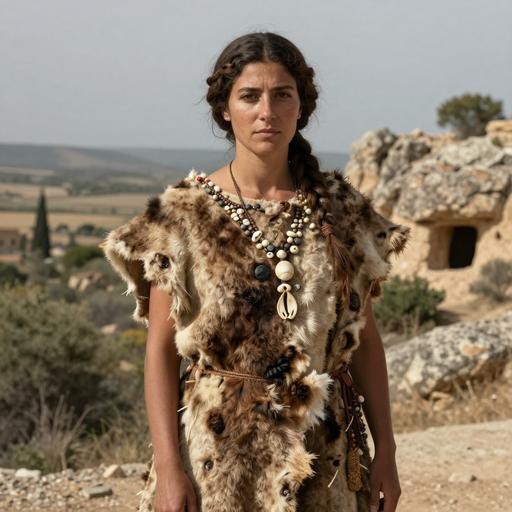
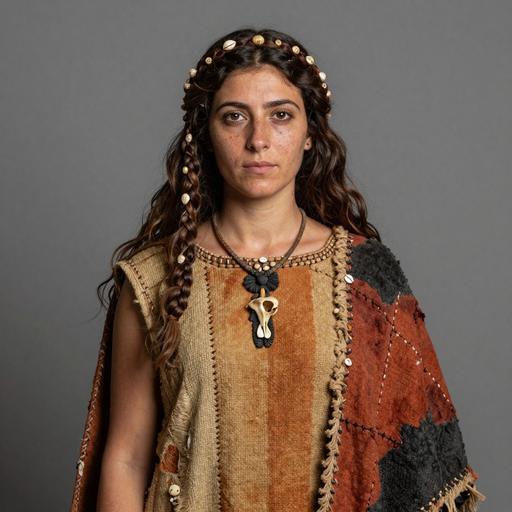
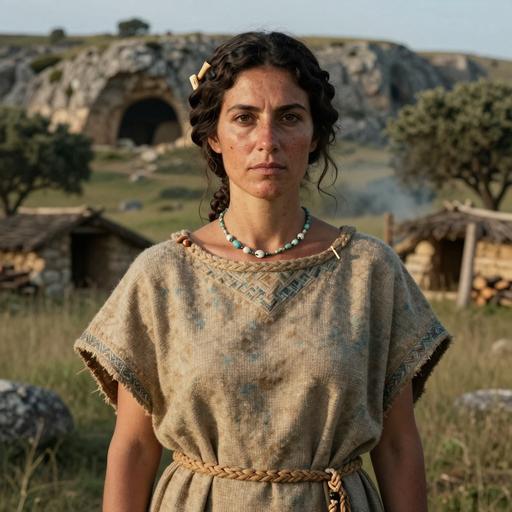
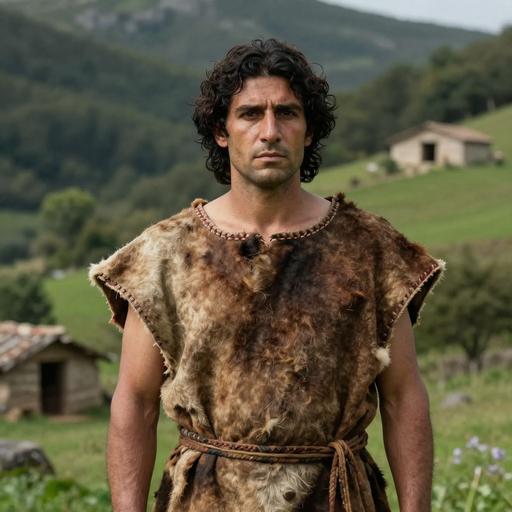
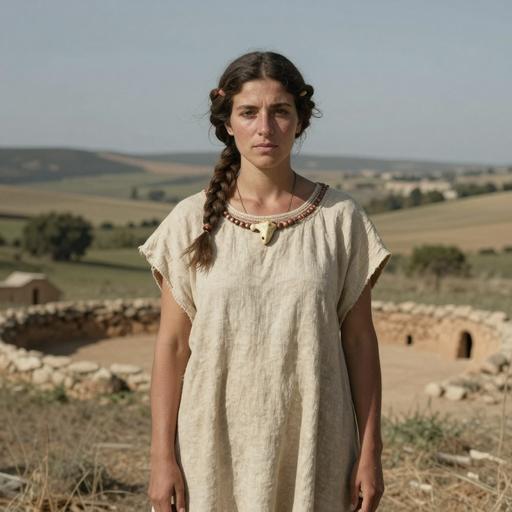
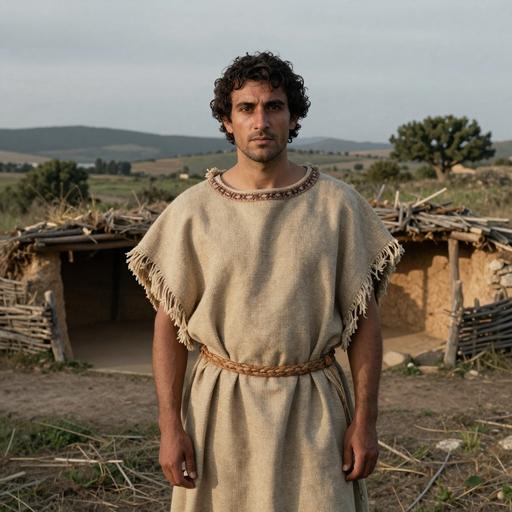
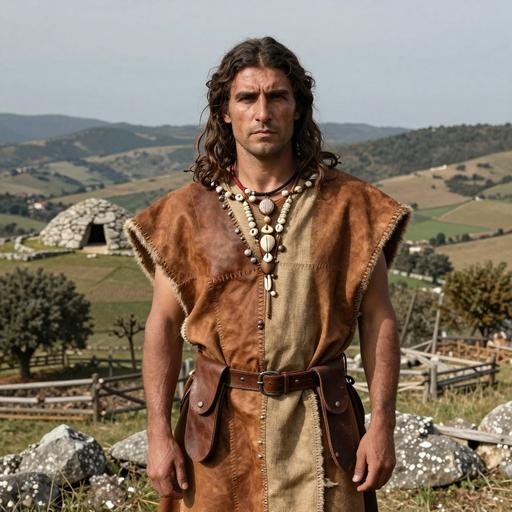
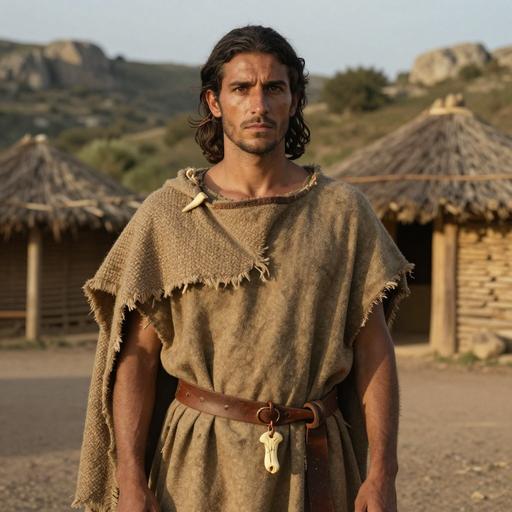
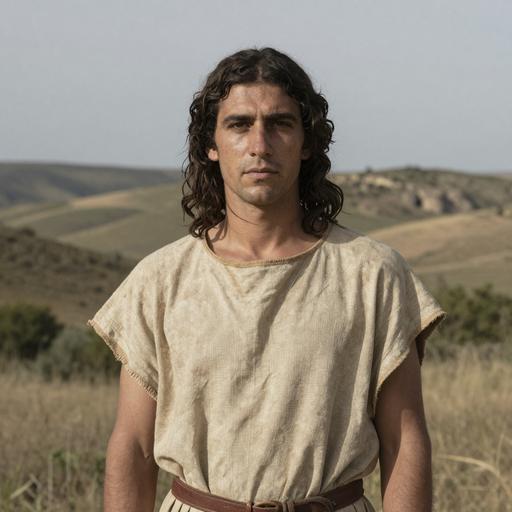
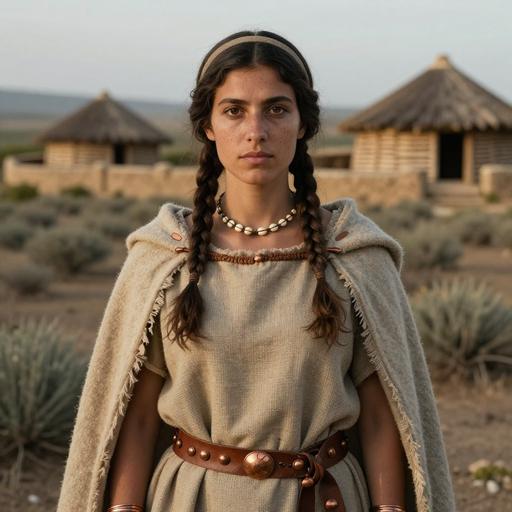
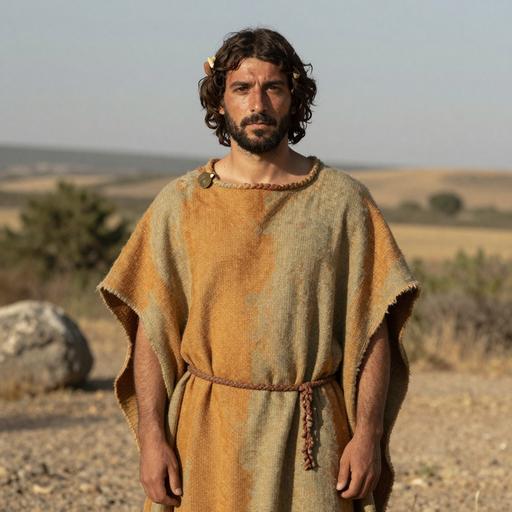
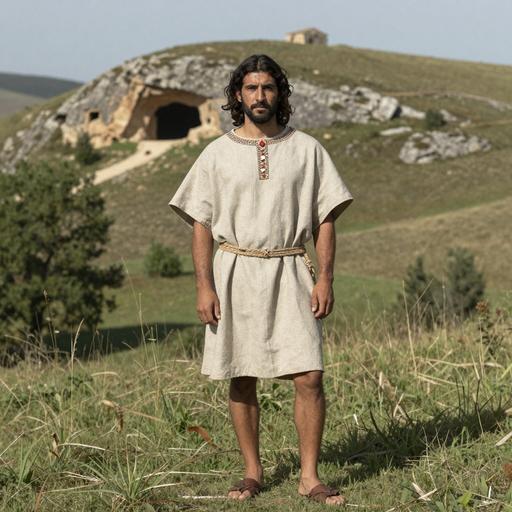
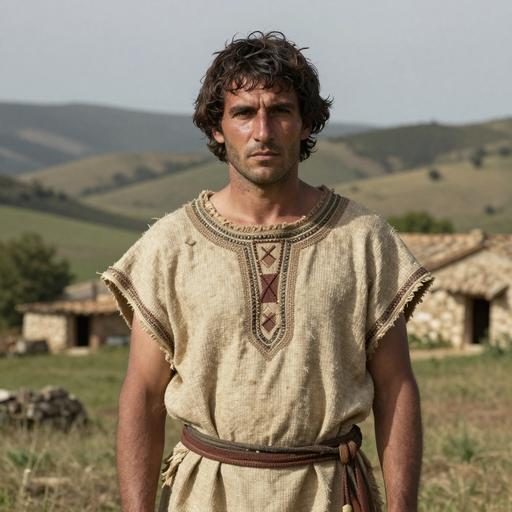
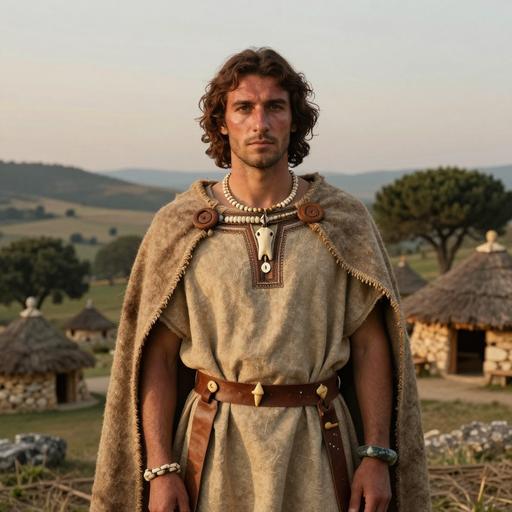
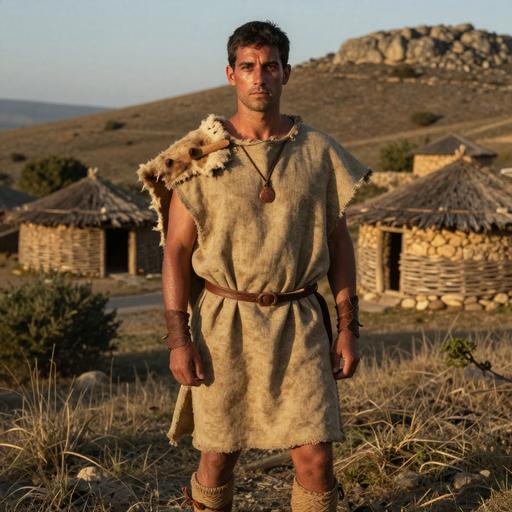
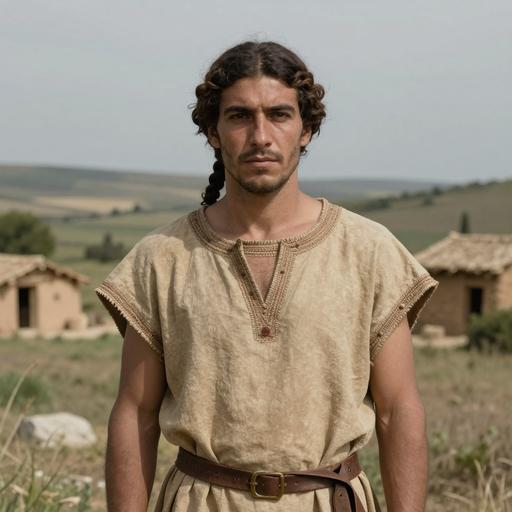
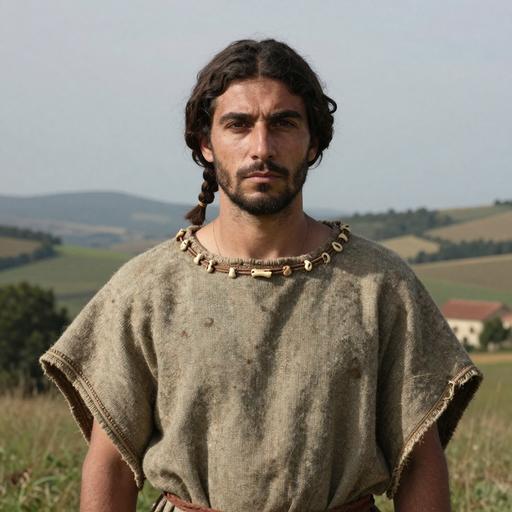
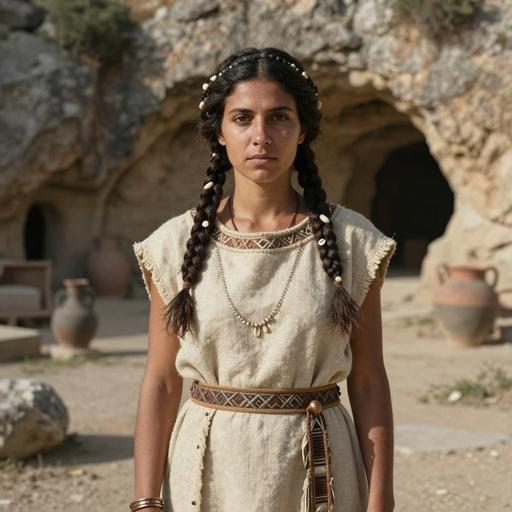
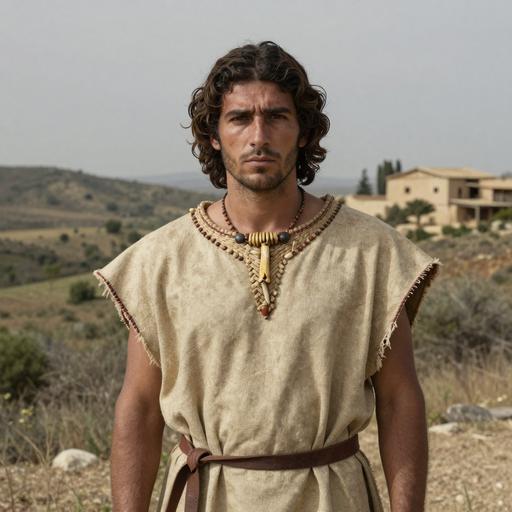
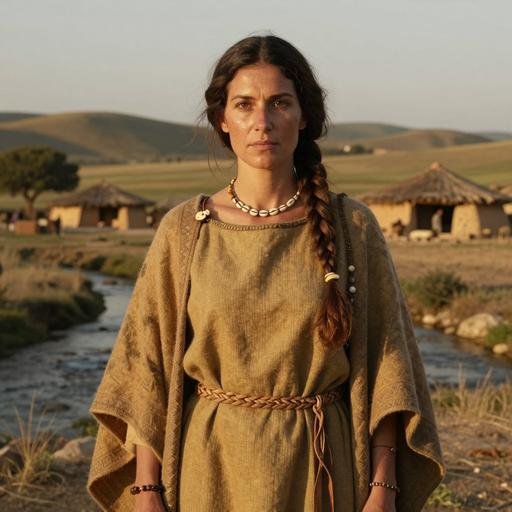
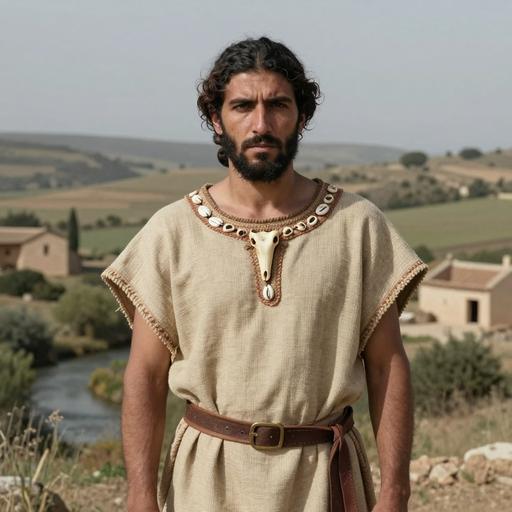
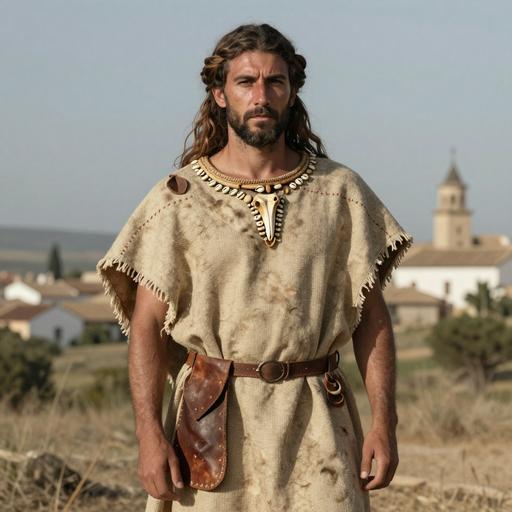
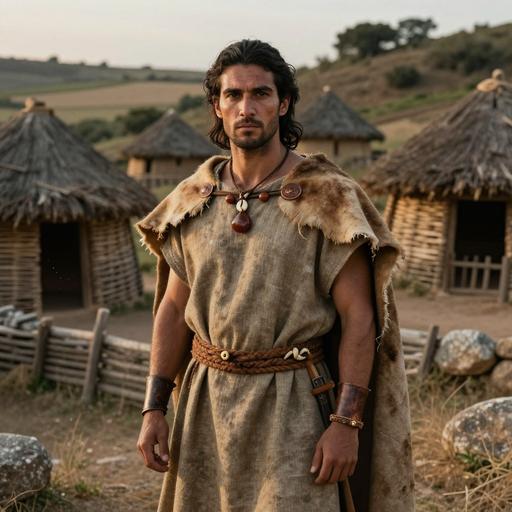
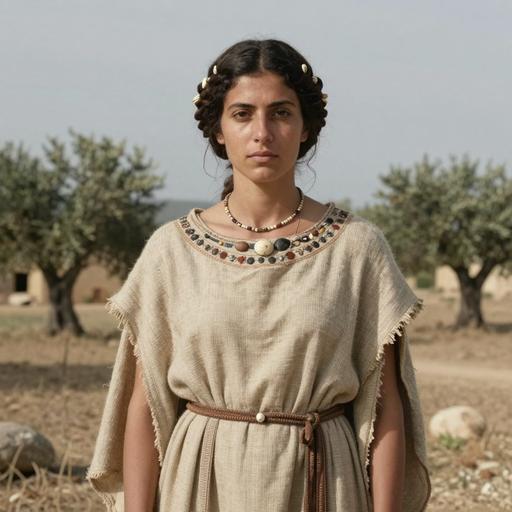
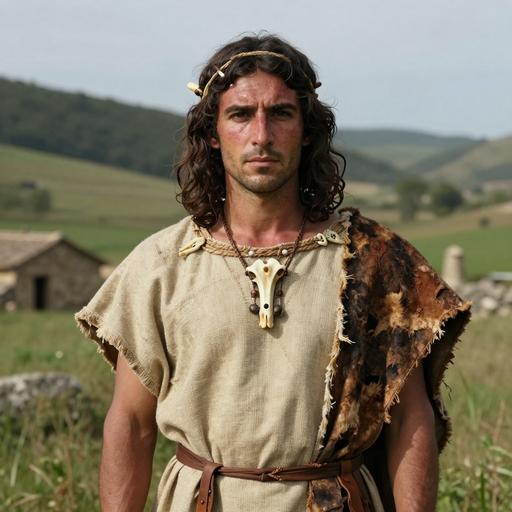
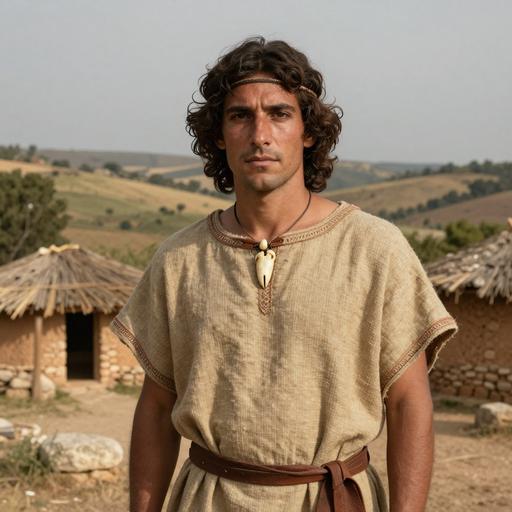
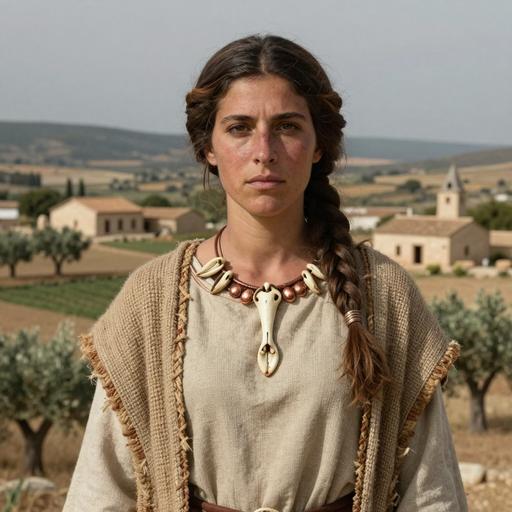
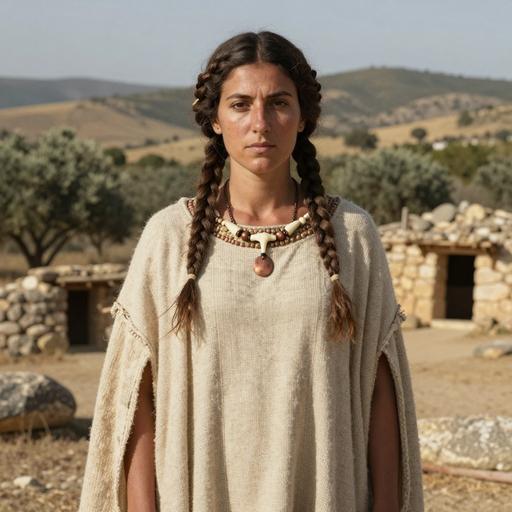
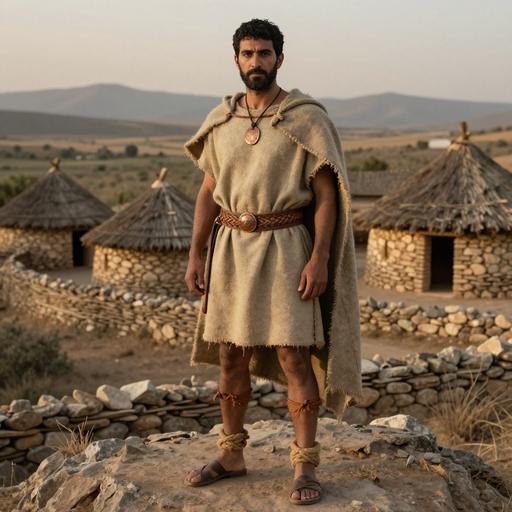
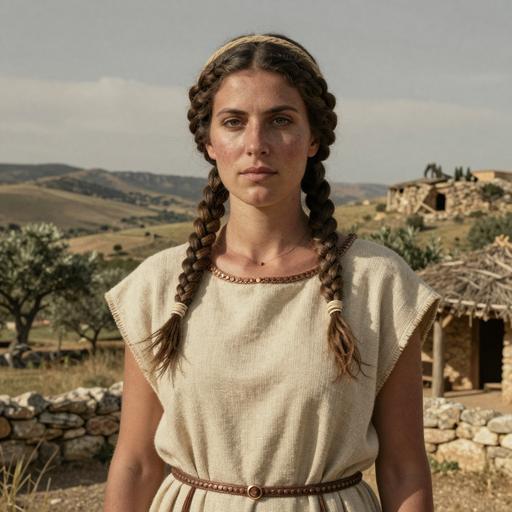
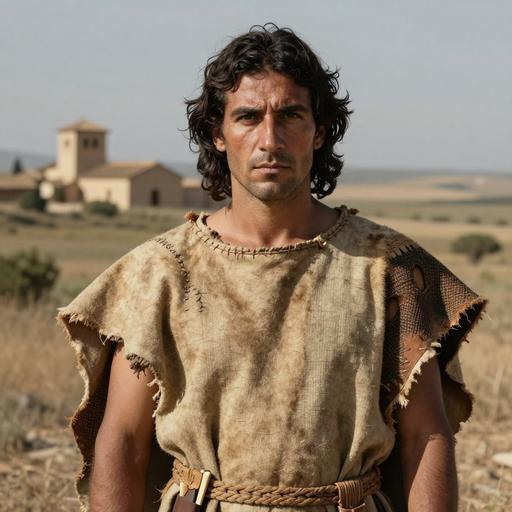
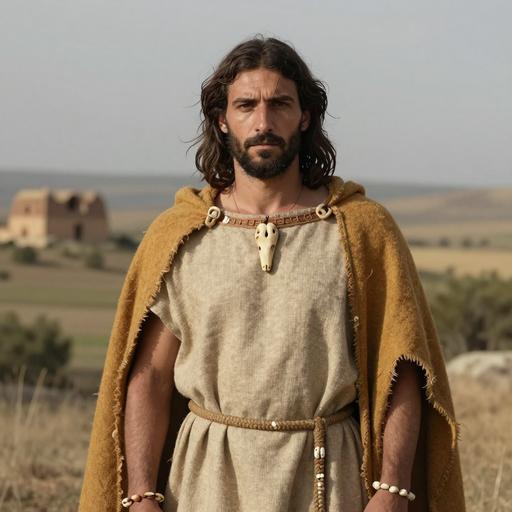
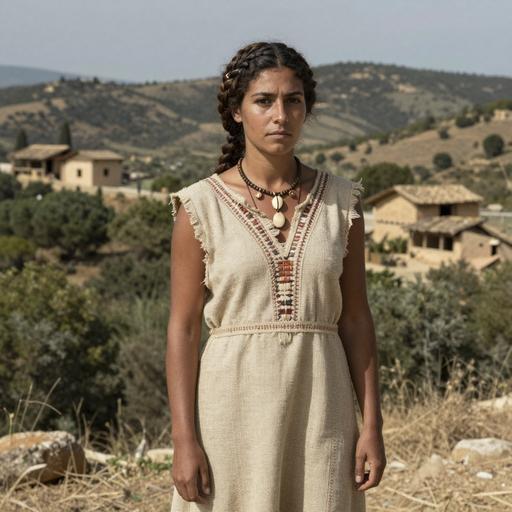
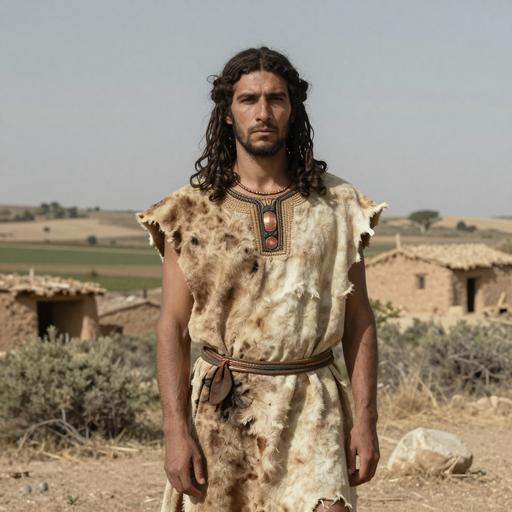
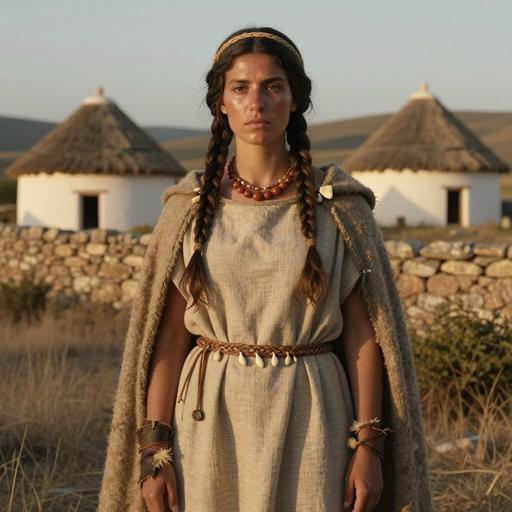
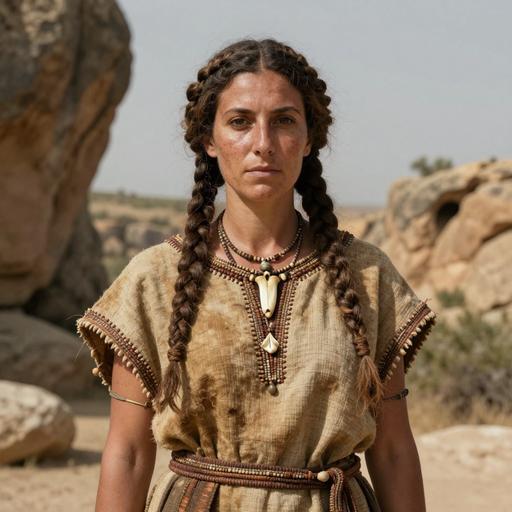
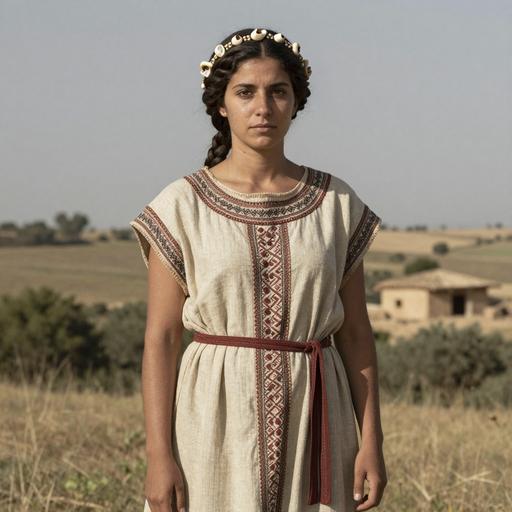
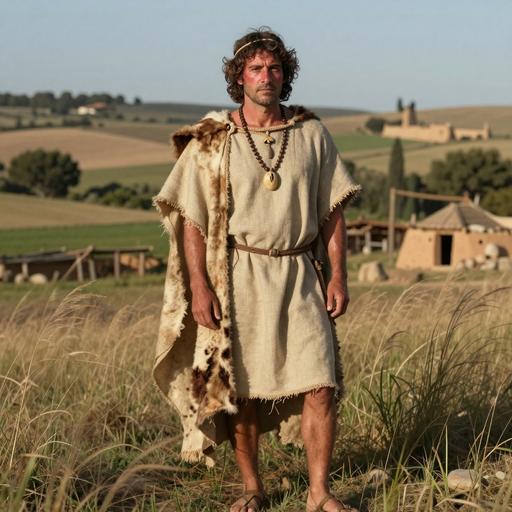
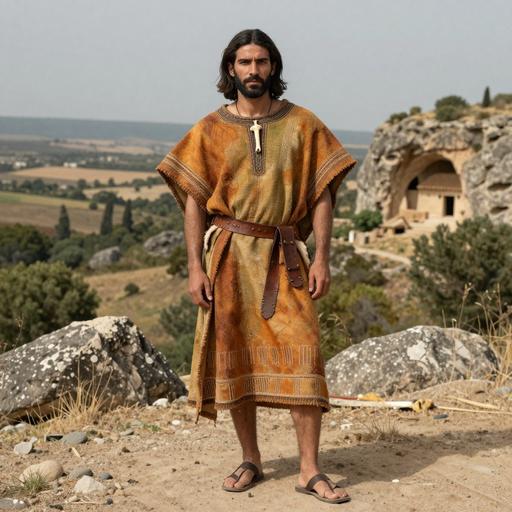
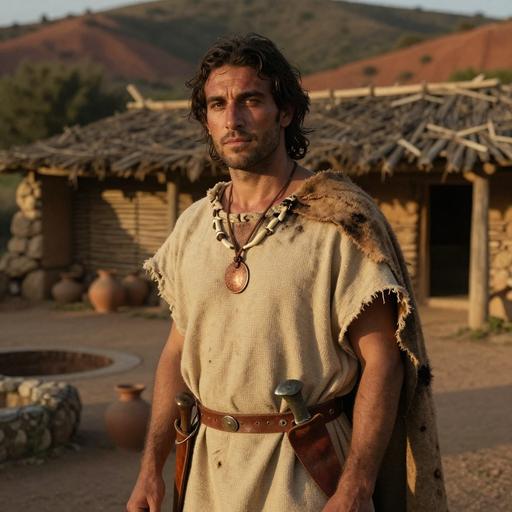
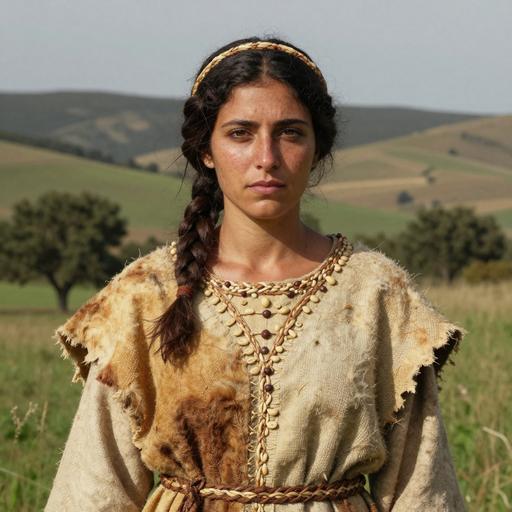
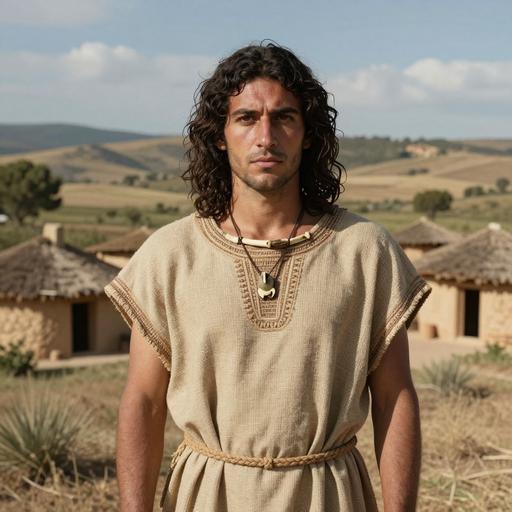
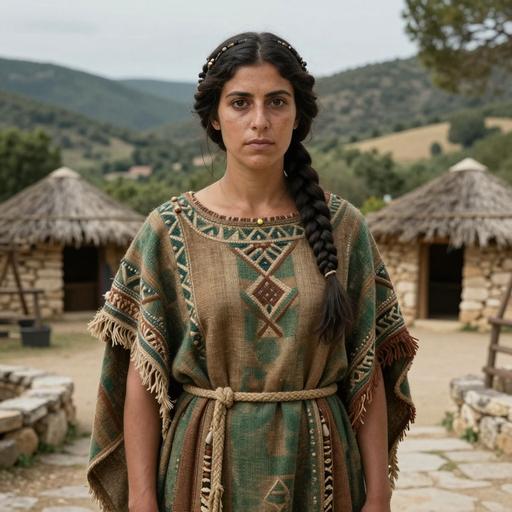
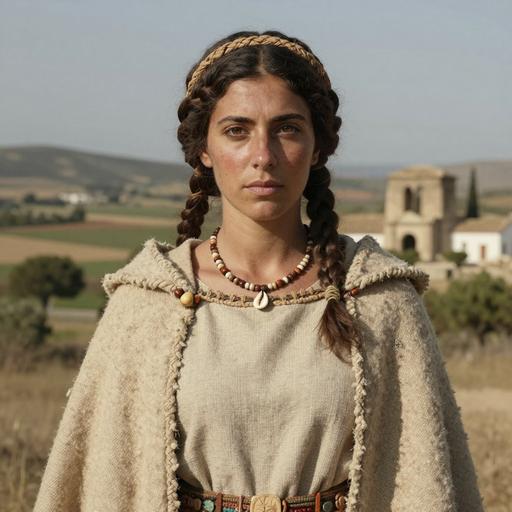
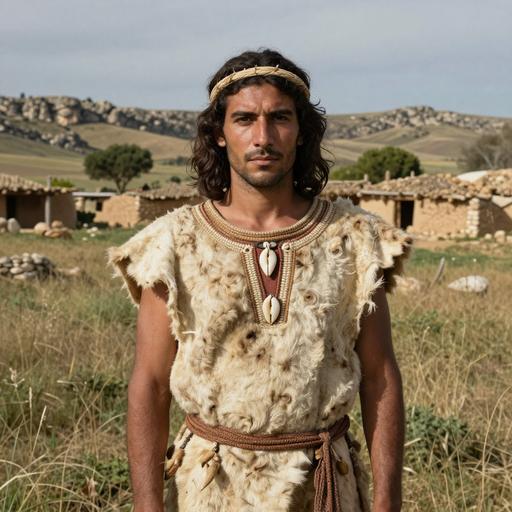
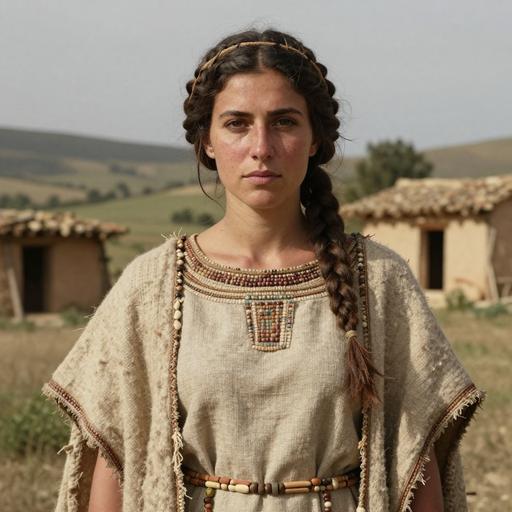
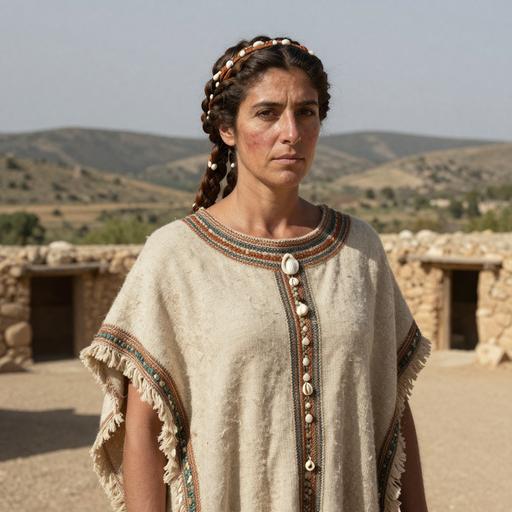
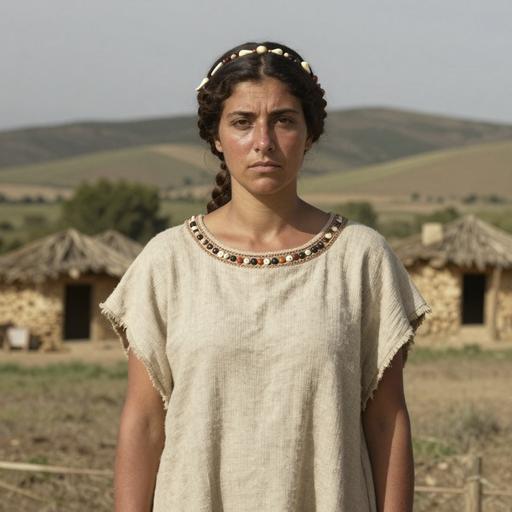
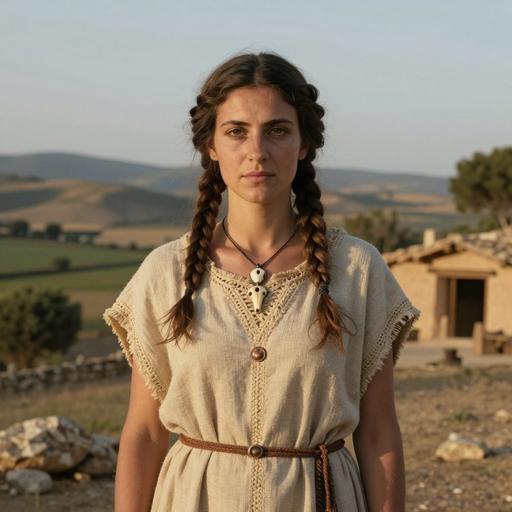
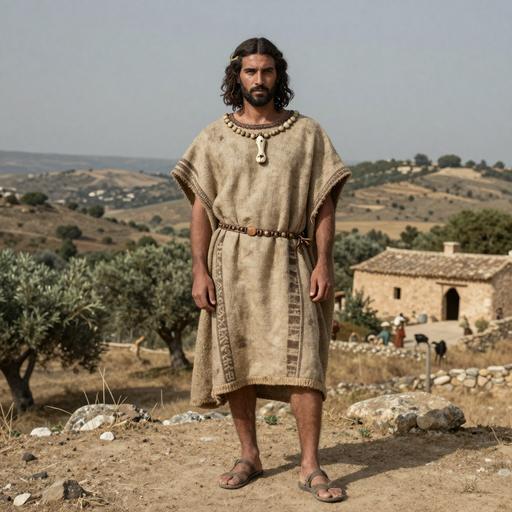
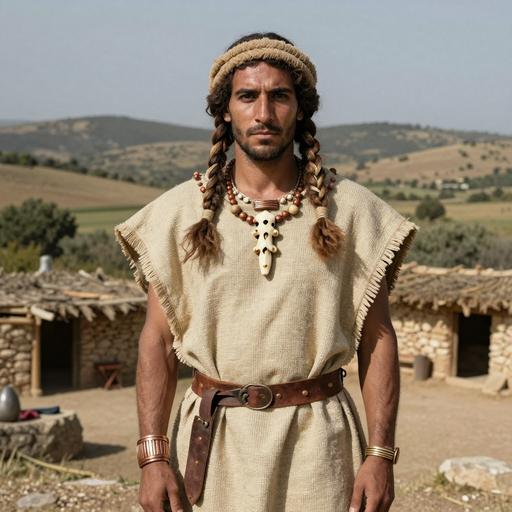
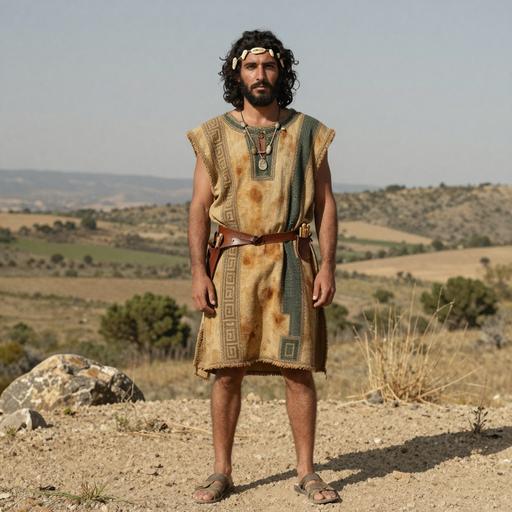
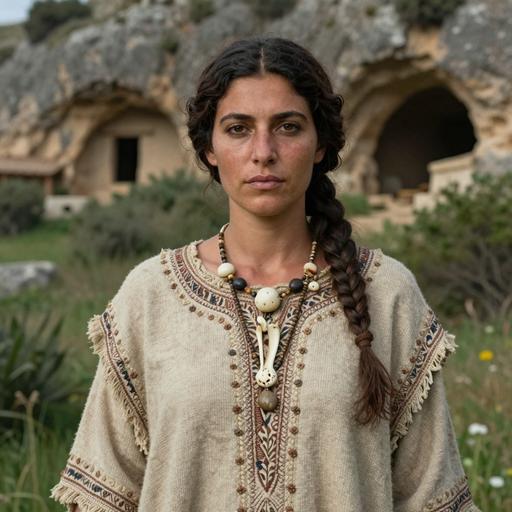
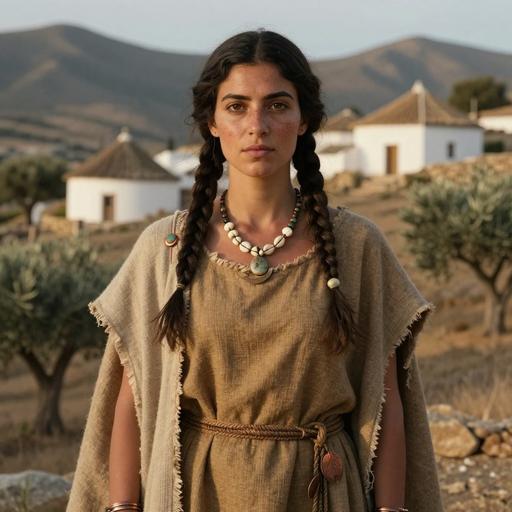
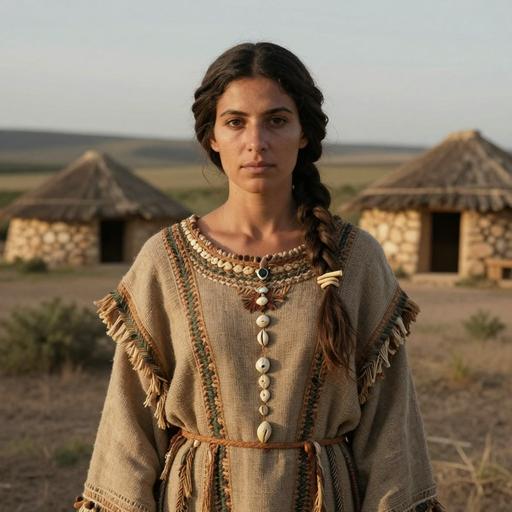
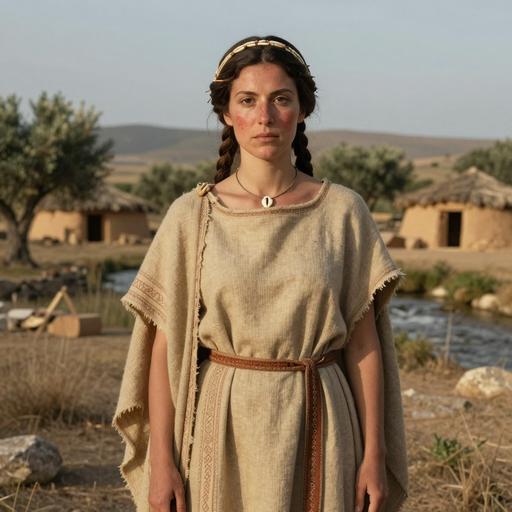
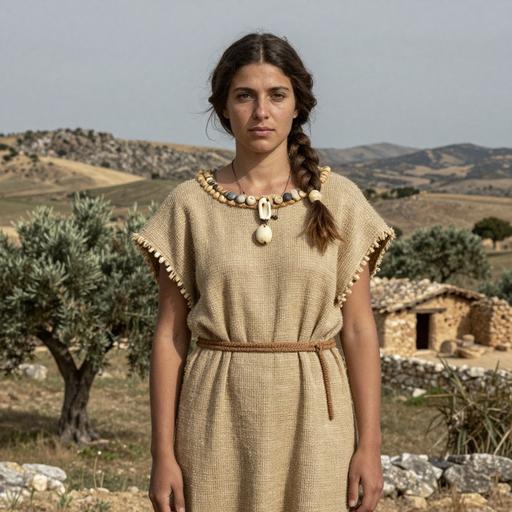
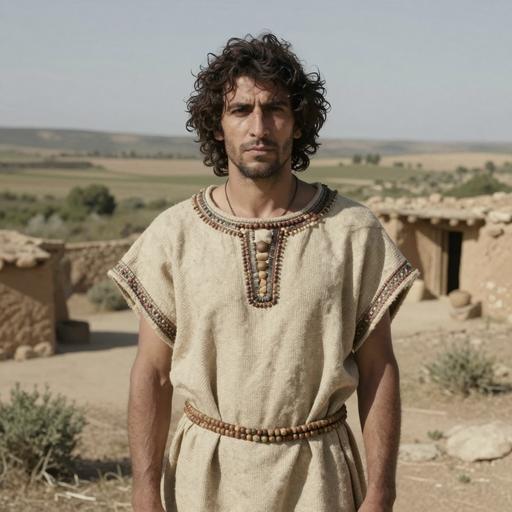
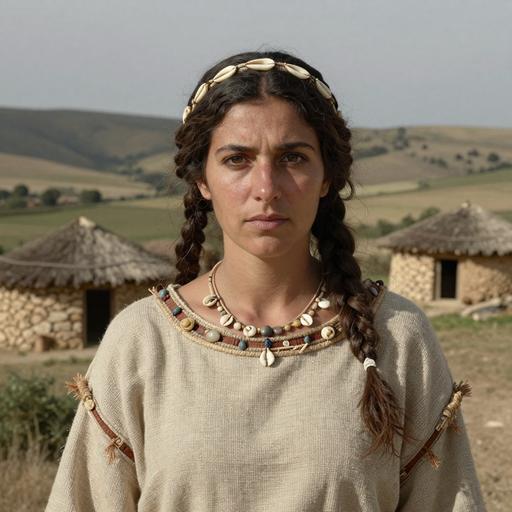
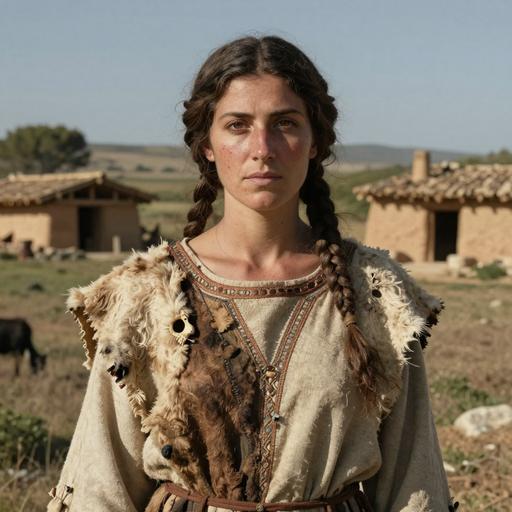
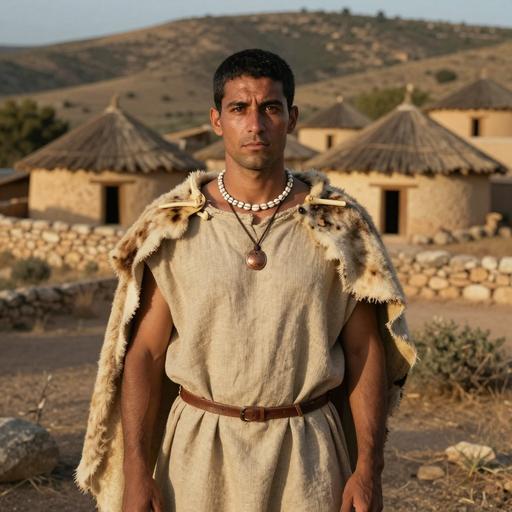
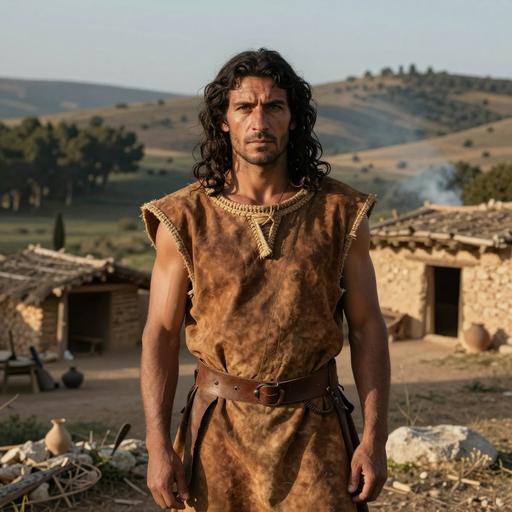
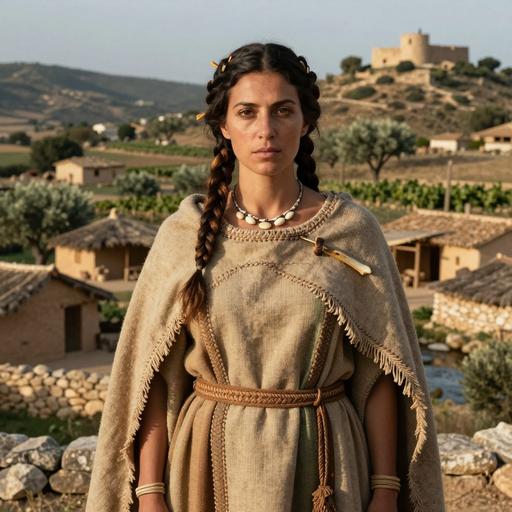
The Iberian Chalcolithic (3800–1700 BCE) saw copper technology, ritual caves and mobile networks across Spain and Portugal. Archaeology from Atapuerca to Almonda combines with 157 ancient genomes to reveal demographic shifts and persistent maternal lineages amid new male-line diversity.
الخريطة التفاعلية غير متاحة. يمكنك الاطلاع على المواقع المسجّلة في كتالوج العينات.
الخط الزمني
2500 BCE
Wider connections and increased mobility
Around 2500 BCE archaeological and genetic signals show heightened mobility and exchange—new metalwork styles and incoming ancestry components appear across Iberia.
Origins & Emergence
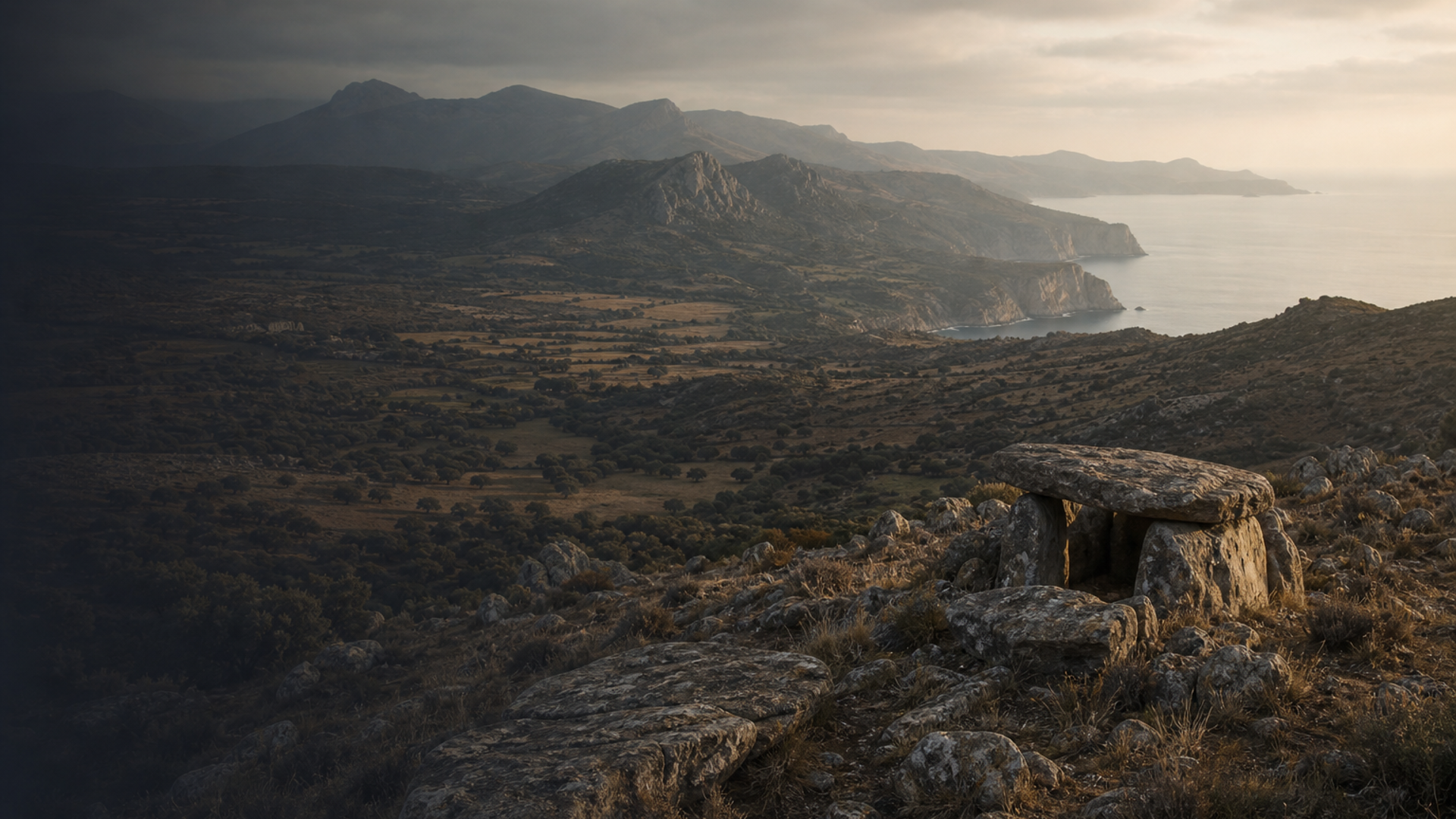
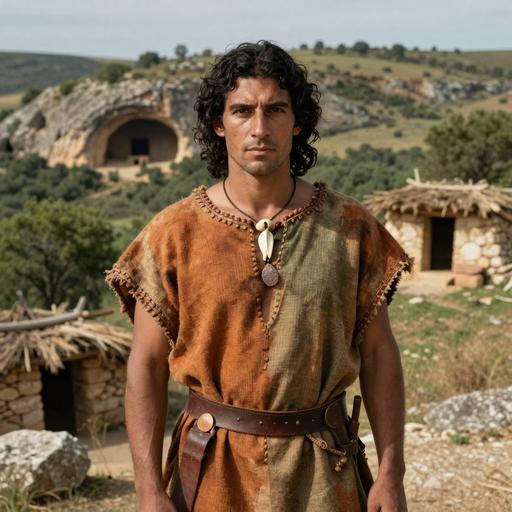
The Iberian Chalcolithic emerges as a landscape of metal glints and deep caves. From the karst chambers of Atapuerca and El Portalón to the flint-strewn hills of Cabeço da Arruda and Galeria da Cisterna, communities between 3800 and 1700 BCE adopted copper technologies, elaborated funerary architecture and intensified long-distance exchange. Archaeological data indicate regional diversity: some areas emphasize collective cave burial (El Portalón, El Mirador), while others show open-air copper-age settlements and ritual deposition (Torres Vedras, Burgos).
Material change unfolded against long-term local trajectories. Pottery, polished stone tools and early metallurgy layered atop Neolithic farming economies, producing hybrid cultural assemblages rather than a single uniform culture. Ancient DNA from 157 individuals sampled across Spain and Portugal shows demographic complexity: genetic continuity with earlier Neolithic farmers is visible, but pulses of new ancestry—detectable in the third millennium BCE—coincide with greater connectivity across Atlantic and continental Europe. Limited evidence suggests these demographic shifts were uneven: some valleys retain strong local signatures while coastal nodes show more incoming influence.
Archaeological inference must remain cautious. The physical traces—burial caves, copper beads, ochre-stained bones—are vivid, but translating them into social change requires combining stratigraphy, radiocarbon horizons and genomic patterns. Where DNA and material culture converge, they illuminate how people moved, married and buried their dead in a changing Iberia.
Emergence across 3800–1700 BCE with regional variation
Key sites: Atapuerca, El Portalón, Galeria da Cisterna, Cabeço da Arruda
Material change blends Neolithic continuity with new metallurgy and exchange
Daily Life & Society
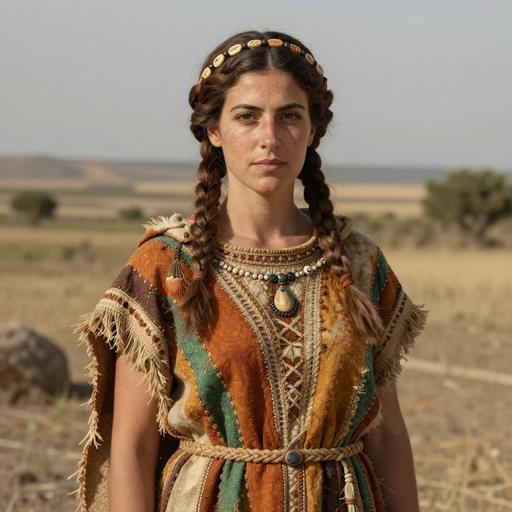
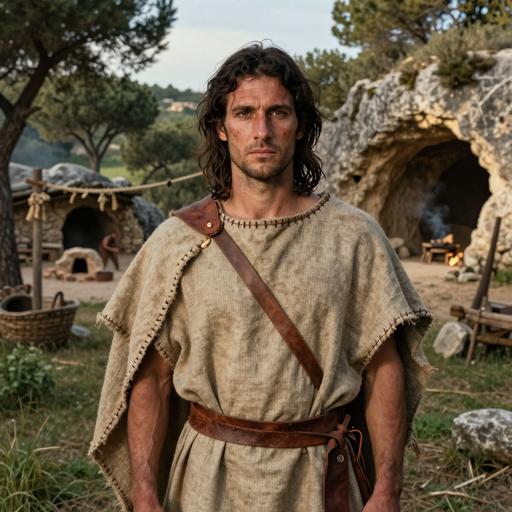
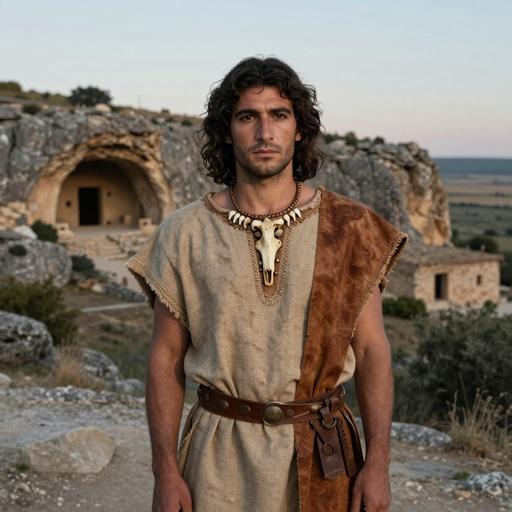
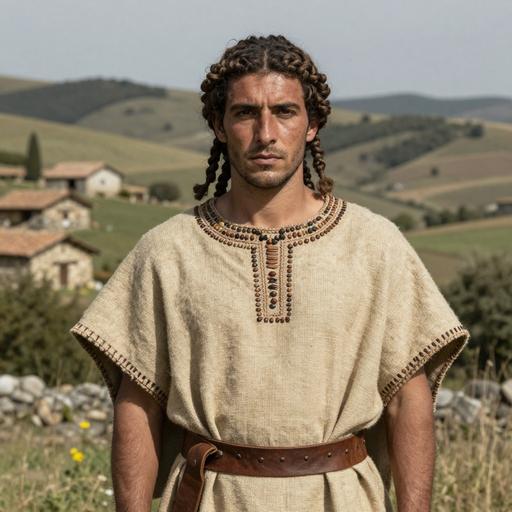
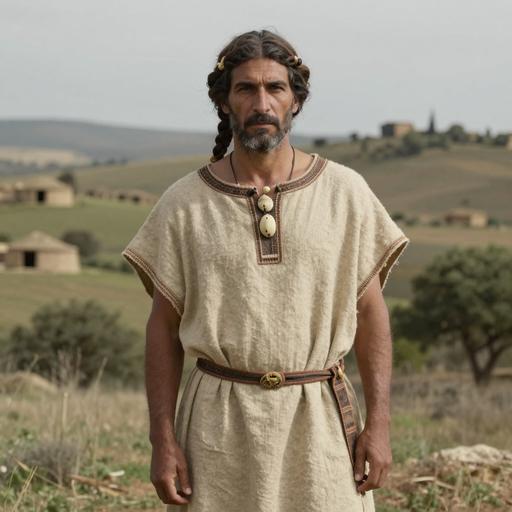
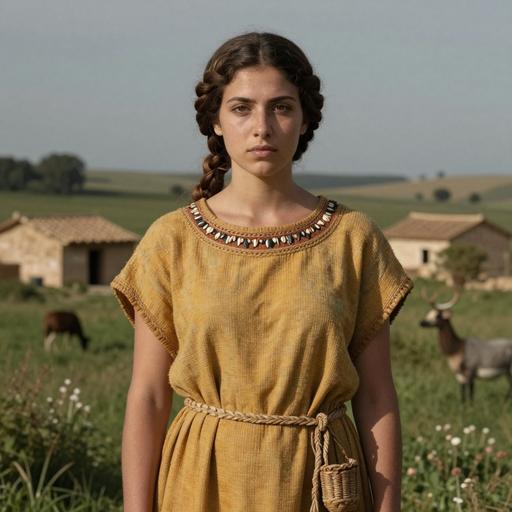
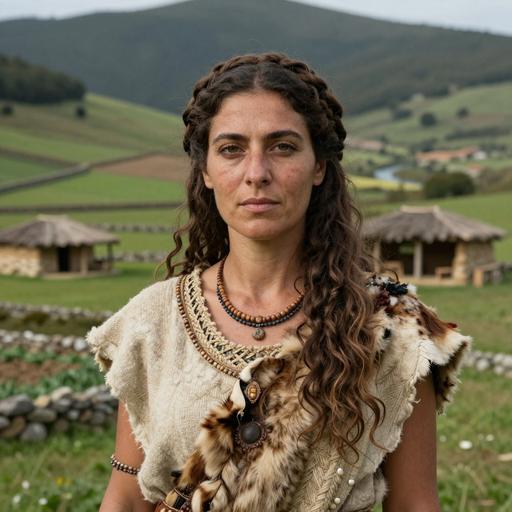
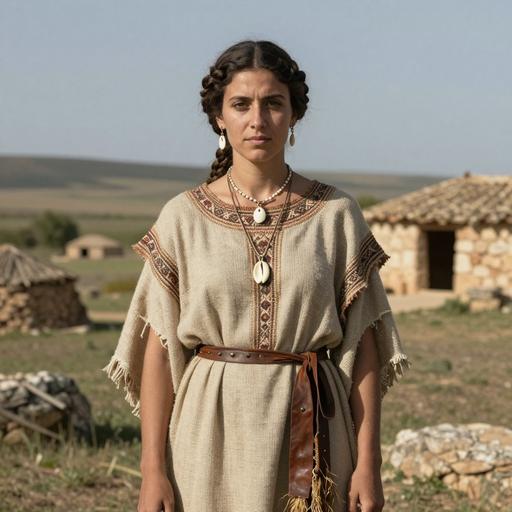
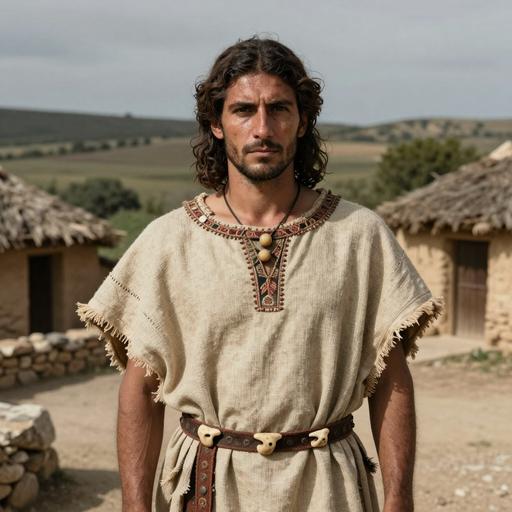
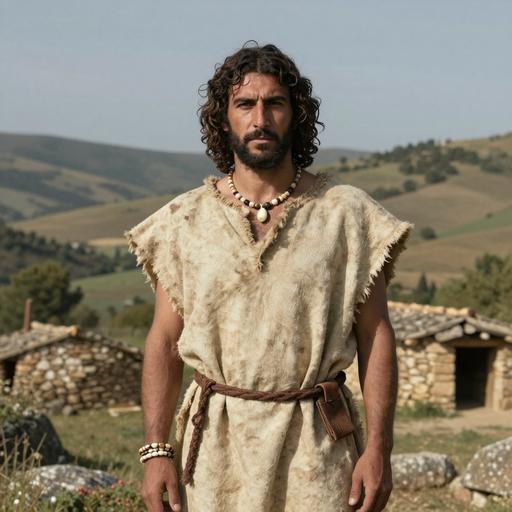
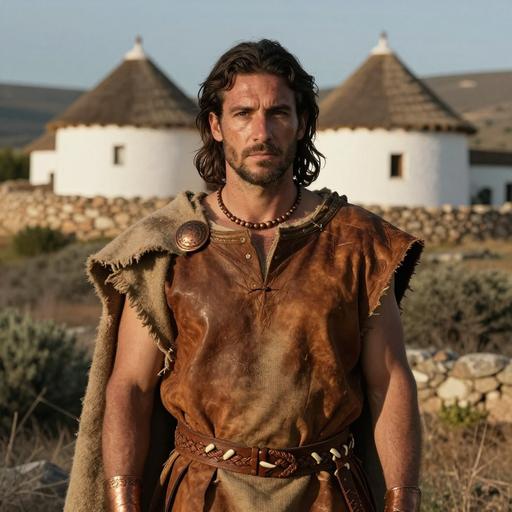
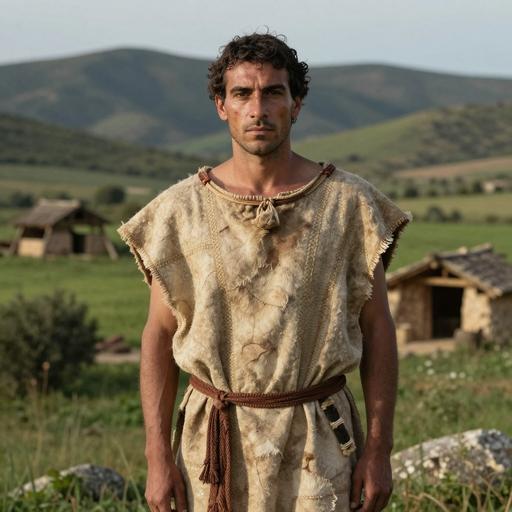
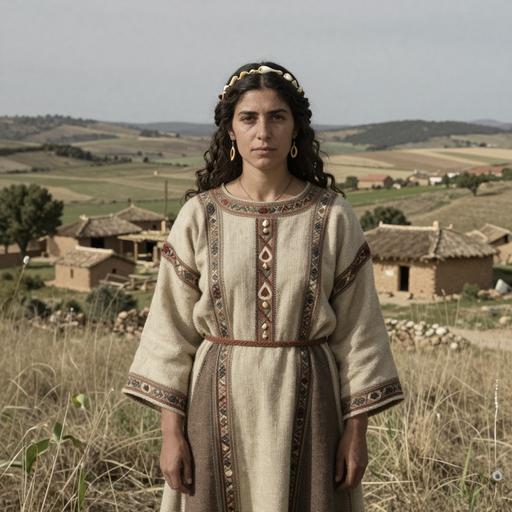
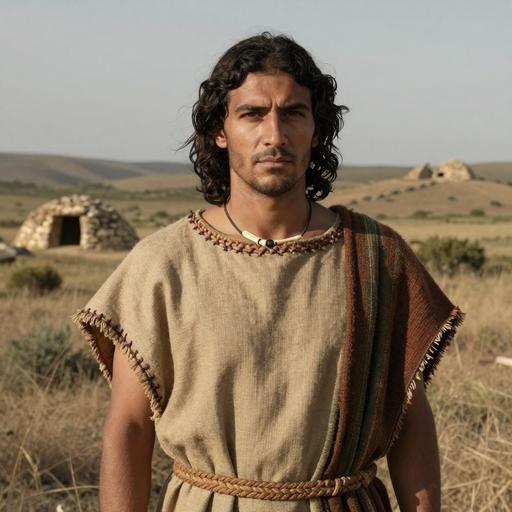
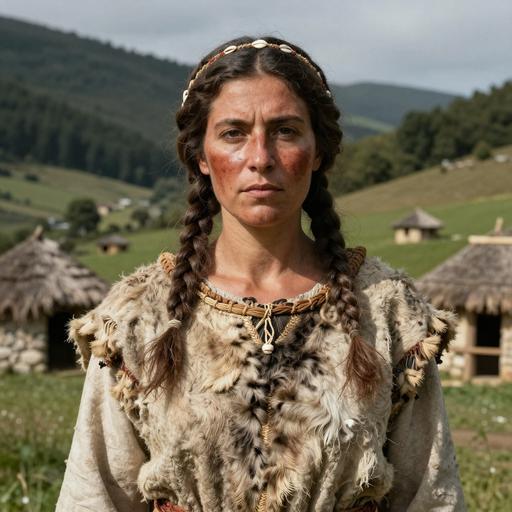
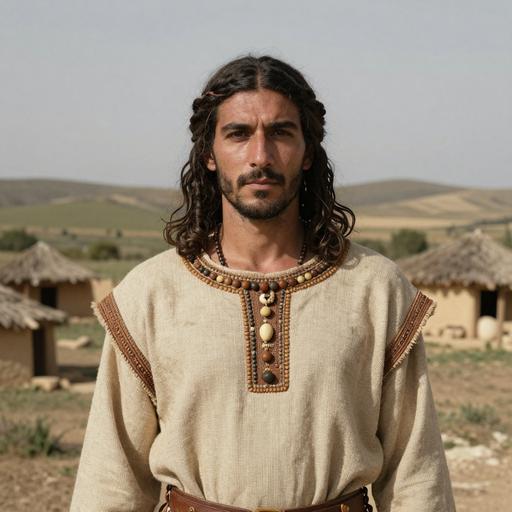
Daily existence in Chalcolithic Iberia combined farming rhythms with intense ritual visibility. Cereals, pulses and domesticated animals fed communities whose seasons were marked by sowing, harvest and the crafting of copper tools and ornaments. Caves like El Portalón and El Mirador served not only as burial chambers but as stages for communal memory: repeated interments, secondary deposition and curated grave goods suggest long-term ancestor veneration and complex social bonds.
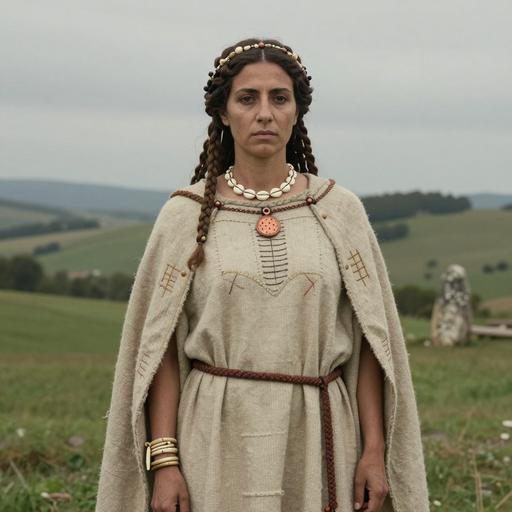
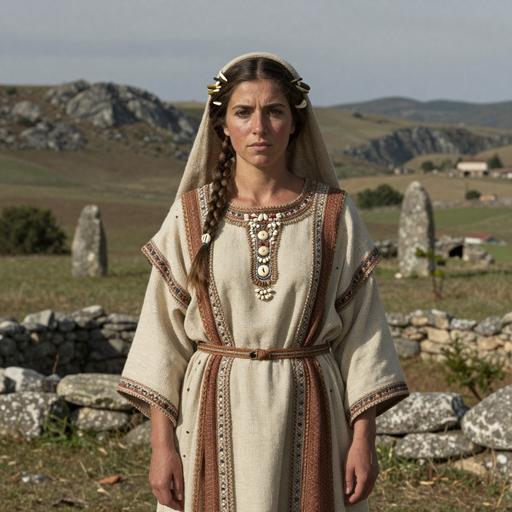
Material culture hints at hierarchical distinctions: some burials contain rich personal items—copper awls, pierced pendants, specially flaked blades—while others are more modest. Landscapes were inscribed with meaning: megalithic tombs and isolated hoards attest to territories, routes and ritual stops. Networks of exchange are visible in non-local raw materials and stylistic affinities; coastal and riverine corridors (Lisbon/Torres Vedras, Almonda) likely facilitated movement of goods and people.
Craftspeople worked with copper, stone and bone, while pottery styles show both local traditions and broader stylistic currents. Ethnographically resonant practices—collective feasting, shared labour on cairns and rites around caves—can be inferred but remain interpretive. Archaeological data indicate a tapestry of household life, community ritual and regional connectivity that shaped identity across the peninsula.
Mixed agro-pastoral economy with emerging metallurgy
Caves and collective burials central to ritual and memory
Genetic Profile
The genomic dataset of 157 Iberian Chalcolithic individuals provides one of the richer ancient-DNA windows into western Europe during the later Neolithic and early Copper Age. Y-chromosome calls in this sample show a preponderance of haplogroup I (47 assigned Y-calls), with notable counts of G (14), R (11), H (6) and F (6). These male-line results suggest persistence of lineages connected to earlier European hunter‑gatherer and Neolithic male ancestries alongside introductions of other paternal types.
Mitochondrial diversity is high: U (33), K (30), J (23), H (20) and the H3 sublineage (10) are well represented. The prominence of maternal U lineages is consistent with survival of Mesolithic-derived maternal ancestry in Iberia, while K and J reflect Neolithic farmer contributions. Because the mtDNA counts sum to a large portion of the dataset, maternal continuity appears robust even where paternal profiles show turnover or admixture.
Genome-wide signals—when compared to contemporaneous European samples—indicate a mixture: a Neolithic farmer foundation with increasing ancestry components linked to populations from north‑central Europe in the 3rd millennium BCE. This pattern aligns with archaeological evidence for greater mobility and exchange, but regional heterogeneity is clear. Sample size (157) lends statistical weight to these patterns, yet local sample distribution matters: some sites remain undersampled and fine-scale questions (timing, gender-biased migration) require further targeted sequencing. Overall, genetics complements the archaeological record, revealing both continuity and change in Chalcolithic Iberia.
Y-DNA: I most frequent (47), with G, R, H, F also present
mtDNA: strong representation of U, K, J, H (maternal continuity)
Legacy & Modern Connections
The Iberian Chalcolithic shaped landscapes and gene pools that echo into later prehistory and, to some extent, the present. Maternal lineages such as H, K and U persist in modern Iberian populations, reflecting deep continuity through millennia of demographic layering. Archaeologically, the adoption of metallurgy and the ritual use of caves influenced settlement patterns and social expressions that continued into the Bronze Age.
However, the Chalcolithic was not an endpoint: subsequent Bronze Age movements, Roman expansion and historic migrations reworked genetic and cultural maps. Ancient DNA shows that Chalcolithic signatures are part of a palimpsest—visible but overlaid by later inputs. Where Chalcolithic traits remain strongest (local burial traditions, certain mtDNA lineages), they offer a direct thread to the past; where they have been transformed, they underscore the dynamic nature of Iberian identity.
In museums and genomes alike, the Chalcolithic invites us to read copper and bone beside chromosomes: material culture tells of daily practice and ritual, while DNA records patterns of ancestry, mobility and contact. Together they produce a more textured, cautious narrative of how people lived, moved and left their mark on Iberia.
Maternal haplogroups from the Chalcolithic persist in modern Iberia
Cultural innovations (metallurgy, ritual landscapes) influenced later societies
اطرح أسئلة عن ثقافة Iberian Chalcolithic Echoes. يمكن للمساعد شرح النتائج الجينية والسياق التاريخي والأدلة الأثرية والصلات بالعصر الحديث.
تفسير مولّد بالذكاء الاصطناعي للتشابه الجيني. يُقدّم للمعلومات ولا يثبت النسب أو يُستخدم للمشورة المتخصّصة.
اقرأ الإشعار الكامل
Before you continue: the analysis you are about to generate is produced by an AI model. AI output can be incomplete, inaccurate, or simply wrong. It describes statistical genetic similarity to reference populations and is not proof of ancestry, ethnicity, identity, or descent. It is provided for informational and educational purposes only, and is not medical, diagnostic, genealogical, legal, or other professional advice. Do not rely on it to make health, financial, legal, or family decisions. To the fullest extent permitted by applicable law, DNA Genics, S.L. accepts no liability for any loss or decision arising from your use of this AI output.
مثال على تحليل بالذكاء الاصطناعي
لمحة عن ثقافة Iberian Chalcolithic Echoes
تساعد عينات الحمض النووي القديم الباحثين على دراسة أنماط الهجرة والعلاقات الجينية بين المجموعات السكانية القديمة.
هذه معاينة للتحليل. يتيح المساعد الكامل استكشاف الموضوعات التالية: